Dog Food for Food Allergies and Food Sensitivities: What Pet Owners Should Know
31 May 2026
Food issues in dogs are becoming more common. Many pet owners notice signs like itching, digestive problems, ear infections, or ongoing stomach discomfort without understanding the real cause. In many cases, these symptoms are linked to food allergies or food sensitivities. Although these terms are often used interchangeably, they are not the same thing. Understanding the difference can help you choose the right dog food for food allergies and food sensitivities.
The good news is that nutrition can make a major difference. With the right ingredients and feeding approach, many dogs experience healthier skin, improved digestion, and better overall comfort.
Food Allergies or Food Sensitivities: Understanding the Difference
Food allergies and food sensitivities may look similar, but they affect the body differently. A true food allergy involves the immune system. When a dog eats a certain ingredient, the immune system mistakenly treats it as harmful and triggers a reaction. This can lead to symptoms such as itchy skin, chronic ear infections, redness, paw licking, or digestive upset.
Food sensitivities, on the other hand, are usually related to the digestive system rather than the immune system. Dogs with sensitivities may struggle to properly tolerate certain ingredients, which can cause bloating, gas, vomiting, diarrhea, or stomach discomfort after meals.
Because the symptoms often overlap, it is not always easy to tell the difference at home. Some dogs experience both skin and digestive issues at the same time. This is why many owners search for dog food for allergy sensitive dogs or food for dogs with sensitive stomachs and allergies.
Choosing the right food starts with identifying patterns. If symptoms appear consistently after eating specific ingredients, your veterinarian may recommend an elimination diet to help identify the trigger.
What Makes Hypoallergenic Dog Food Different?
Hypoallergenic dog food is specially created for dogs that react poorly to common ingredients. The goal is to reduce the risk of triggering allergies or sensitivities by using carefully selected proteins and simplified ingredient formulas.
Many of the best hypoallergenic dog food recipes use hydrolyzed proteins or novel proteins. Hydrolyzed proteins are broken down into tiny particles that are less likely to trigger an immune response. Novel proteins are ingredients your dog has likely never eaten before, such as duck, venison, rabbit, or insect protein.
These formulas also tend to avoid unnecessary fillers, artificial additives, and common allergens. In many cases, hypoallergenic diets are also easier to digest, making them suitable for dogs with both skin problems and stomach sensitivities.
Which Ingredients Commonly Trigger Allergies in Dogs?
Certain ingredients are more commonly associated with allergies and food sensitivities in dogs. While every dog is different, proteins such as beef, chicken, dairy, and eggs are among the most frequent triggers. Some dogs may also react to wheat, soy, or corn.
This does not necessarily mean these ingredients are harmful. Many dogs tolerate them perfectly well. Problems usually develop after repeated exposure over time, especially if a dog has eaten the same protein source for years.
That is why many food formulas for dogs with allergies and sensitive skin focus on limited ingredient recipes. Simplified formulas help reduce the risk of reactions and make it easier to identify which ingredients your dog can safely tolerate.
Artificial colors, preservatives, and flavor enhancers are also commonly avoided in allergy-sensitive formulas, as they may worsen symptoms in some dogs.
Better Protein Choices for Dogs With Sensitive Systems
Alternative proteins are now commonly used in dog food for food sensitivities because they provide gentle nutrition without relying on common allergens. Dogs that react to traditional protein sources may do better with ingredients their immune systems have not encountered before.
Proteins like salmon, duck, rabbit, venison, lamb, and white fish are often included in premium sensitive formulas. Some modern recipes also use insect protein, which is highly digestible and naturally lower in allergenic potential.
Fish-based diets are especially popular for dogs with skin problems because they are rich in omega-3 fatty acids. These healthy fats help support the skin barrier, reduce inflammation, and improve their coat condition.
When choosing food for dogs with allergies and sensitive skin, it is important to look beyond marketing claims and carefully review the ingredient list. Even foods labeled as sensitive or hypoallergenic may still contain ingredients your dog cannot tolerate.
Can One Dog Food Support Both Skin and Digestive Health?
Yes, in many cases the right diet can support both conditions at the same time. Dogs with food-related problems often experience a combination of skin irritation and digestive discomfort, which is why many owners look for the best food for dogs with allergies and sensitive stomachs.
A well-balanced sensitive formula usually includes highly digestible ingredients, limited protein sources, and nutrients that support gut health. Ingredients such as pumpkin, prebiotics, probiotics, and easy-to-digest carbohydrates can help calm the digestive system while reducing irritation.
At the same time, omega fatty acids and high-quality proteins may help improve skin health and reduce itching. Choosing the right food for a dog with sensitive stomach and allergies often requires patience, especially when symptoms affect both digestion and skin health.
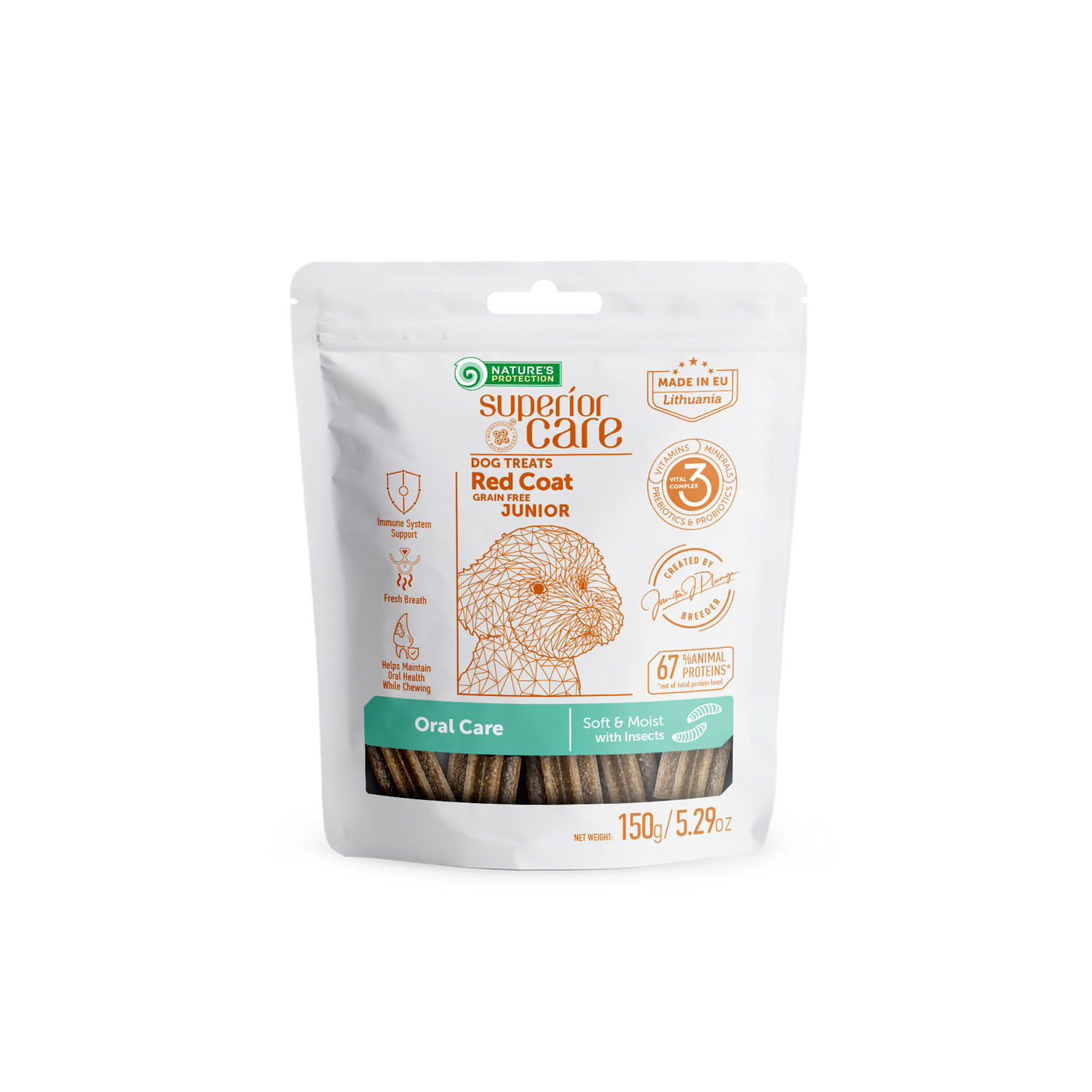
Consistency is also extremely important. Once you find a suitable formula, it is best to avoid unnecessary treatsand table scraps, as even small amounts of trigger ingredients can cause symptoms to return.
Why Elimination Diets Should Always Involve a Veterinarian
Many pet owners try changing foods multiple times without seeing improvement. Unfortunately, this can sometimes create more confusion instead of solving the problem.
An elimination diet is considered one of the most reliable ways to identify food allergies in dogs. During this process, a dog eats a carefully controlled diet with limited ingredients for several weeks while all other foods are removed. Symptoms are monitored closely before ingredients are slowly reintroduced.
Because the process requires strict consistency, veterinary guidance is extremely important. Even small mistakes can affect the results. A veterinarian can also help rule out other conditions that may look like food allergies, including environmental allergies, parasites, or skin infections.
Working with a veterinarian helps ensure your dog receives complete and balanced nutrition throughout the process.
Choosing the Right Food for Dogs With Allergies and Sensitivities
Choosing the right dog food for food allergies can feel overwhelming at first, especially with so many products claiming to be gentle or hypoallergenic. Instead of focusing only on marketing terms, it is better to evaluate the actual ingredients and nutritional quality.
Look for foods with a clear protein source, limited ingredients, and highly digestible formulas. Avoid recipes with long ingredient lists, unnecessary additives, or multiple protein sources if your dog has known sensitivity.
It is also important to introduce new food gradually. Sudden changes can upset the digestive system, even if the food itself is beneficial. Most veterinarians recommend transitioning slowly over seven to ten days.
Every dog is unique, and finding the right diet may take time. However, with patience and the right nutritional approach, many dogs experience noticeable improvements in digestion, skin health, energy levels, and overall comfort.
Kamilė Ausmanė is a veterinarian, Head of Pharmacy at the KIKA retail network, instructor and head of Tauro Grooming Academy, and President of the Pet Grooming Specialists’ Board of the Lithuanian Kennel Club. She earned her veterinary degree from the Lithuanian University of Health Sciences in 2014, but has been actively involved in dog grooming and dog shows for 17 years. The knowledge she has gained over the years allows her to take a broader approach to pet care, considering not only the appearance of the coat but also the importance of skin health, hygiene, and the animal’s overall well-being. She specializes in grooming Bichon Frises, Maltese dogs and Pomeranians, teaches both aspiring and practicing professionals, and conducts seminars in Lithuania and abroad. Kamilė also participates in dog grooming competitions, while the dogs she has groomed have won numerous World and European Championship titles.
Master's Degree (MSc) in Veterinary Medicine
— Lithuanian University of Health Sciences
Skills:
Veterinary medicinePreventive pet healthcareDog groomingPet skin and coat healthPet hygienePet showsBichon Frise groomingMaltese dog groomingPomeranian grooming





.jpeg)