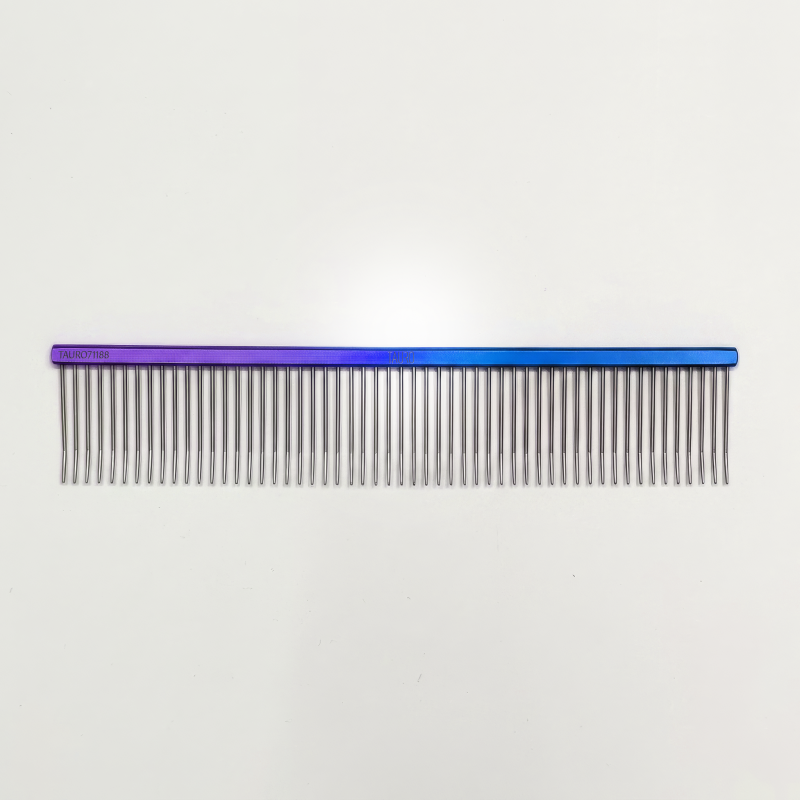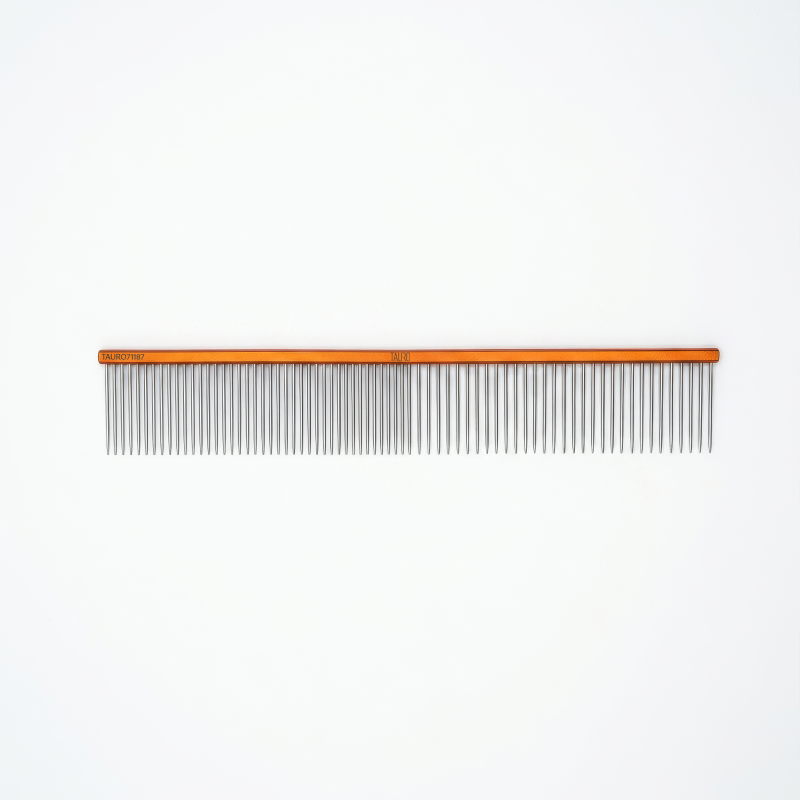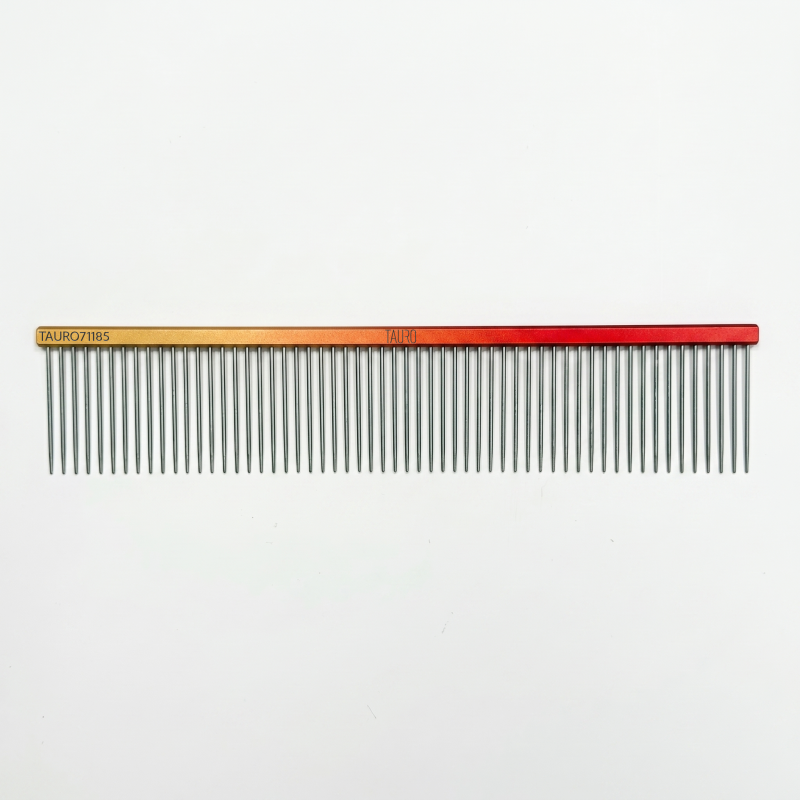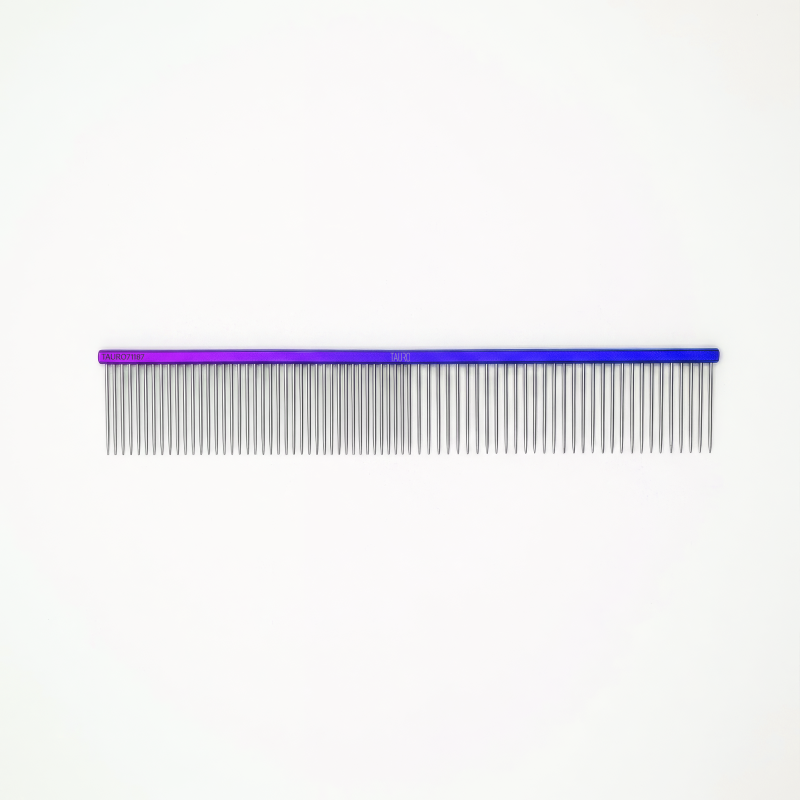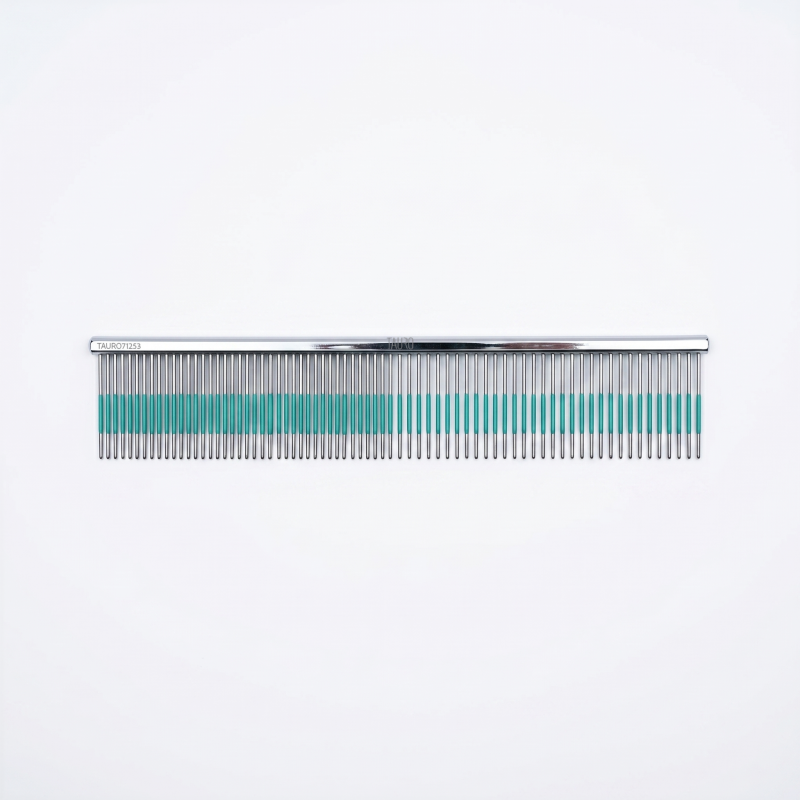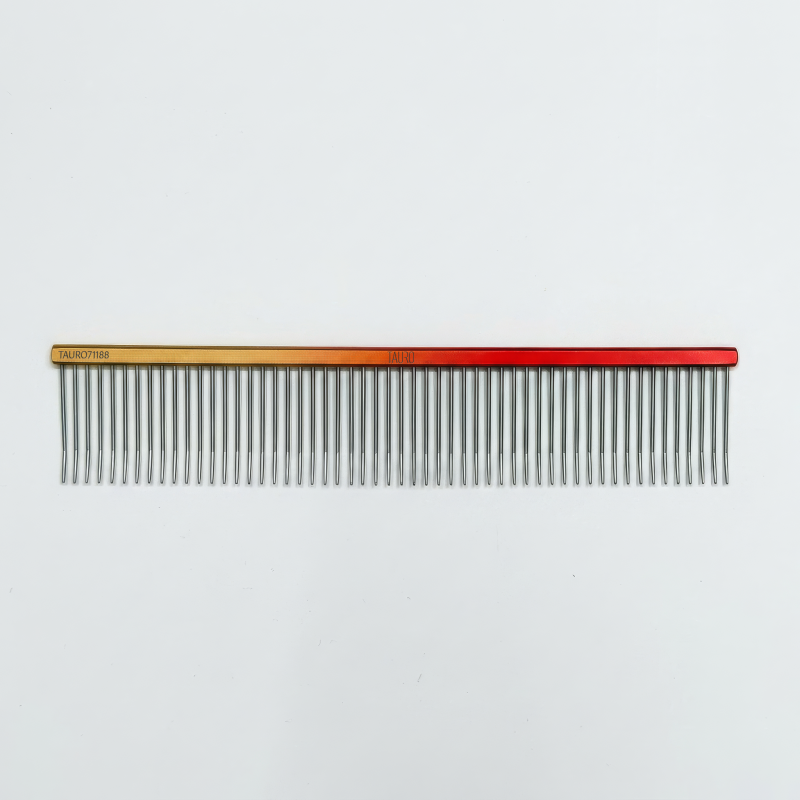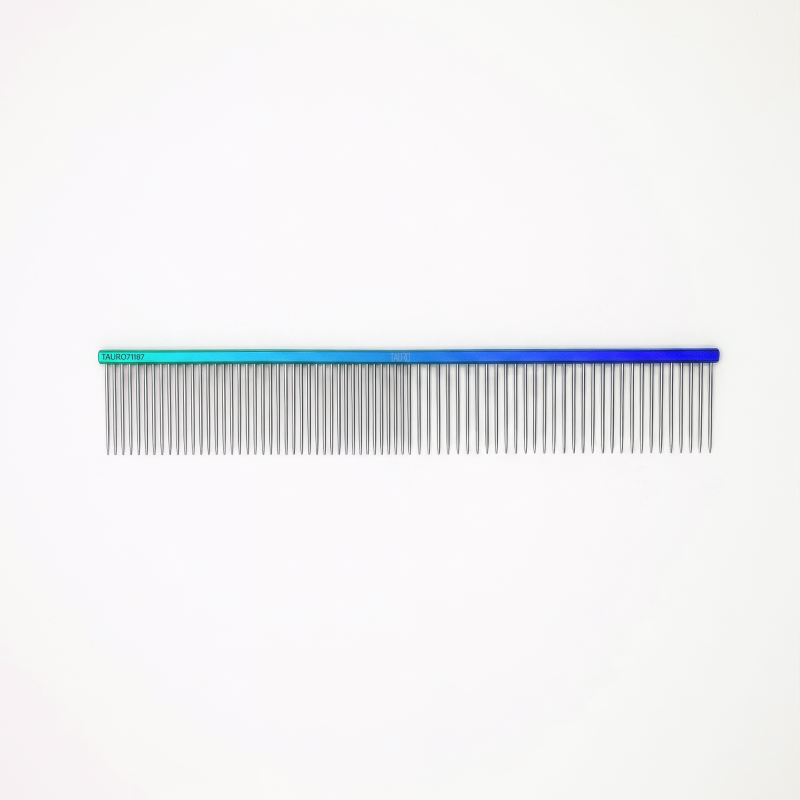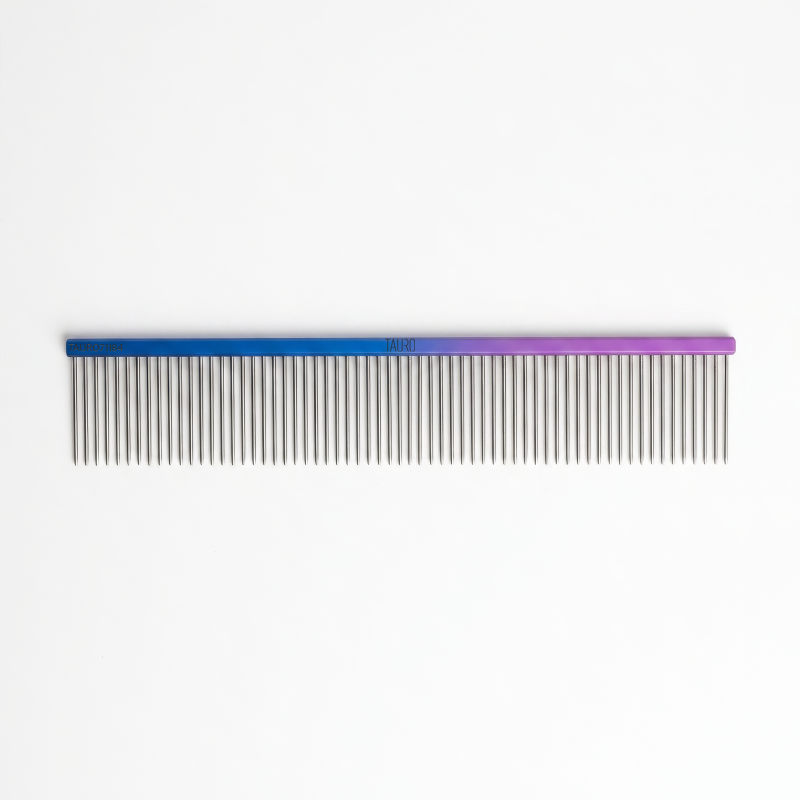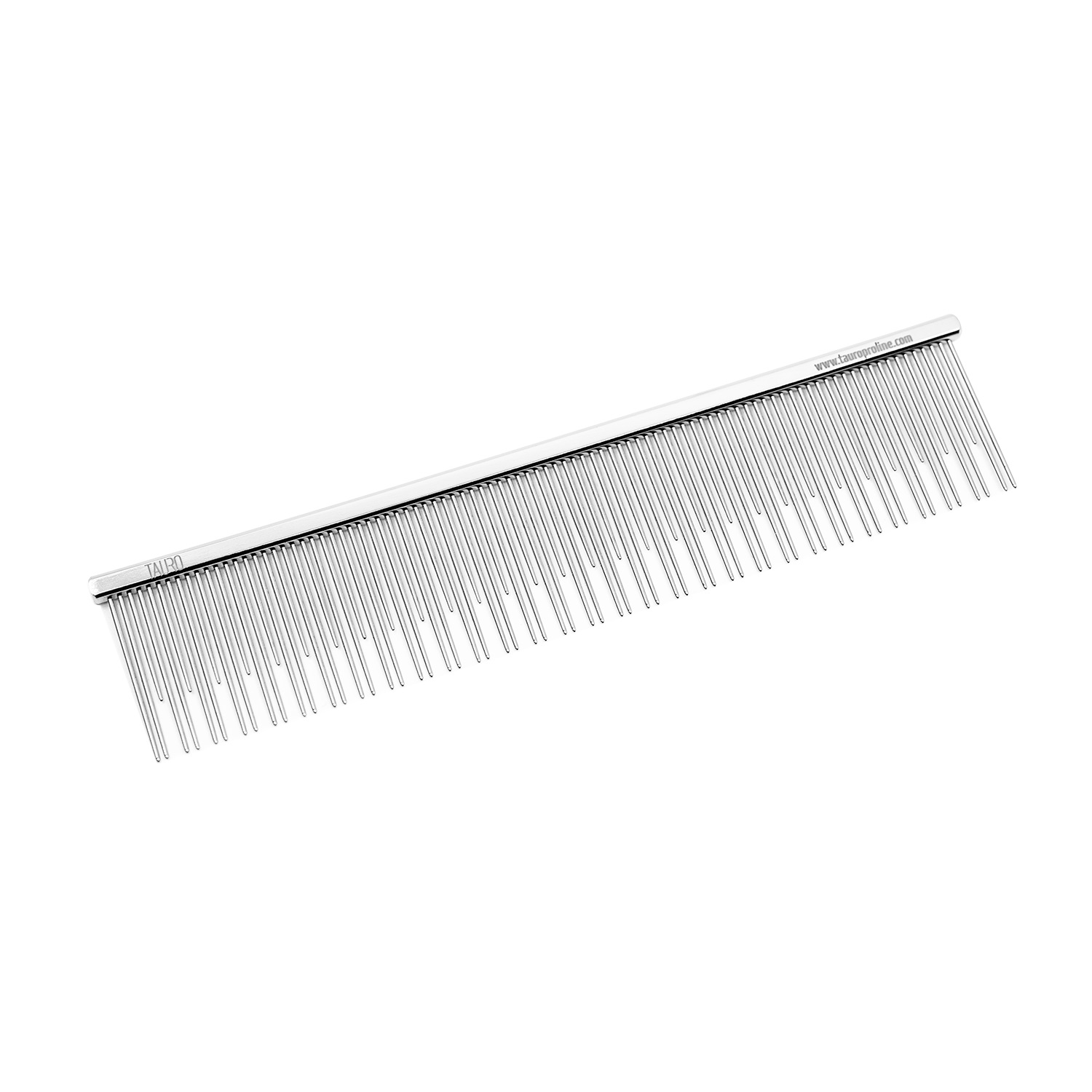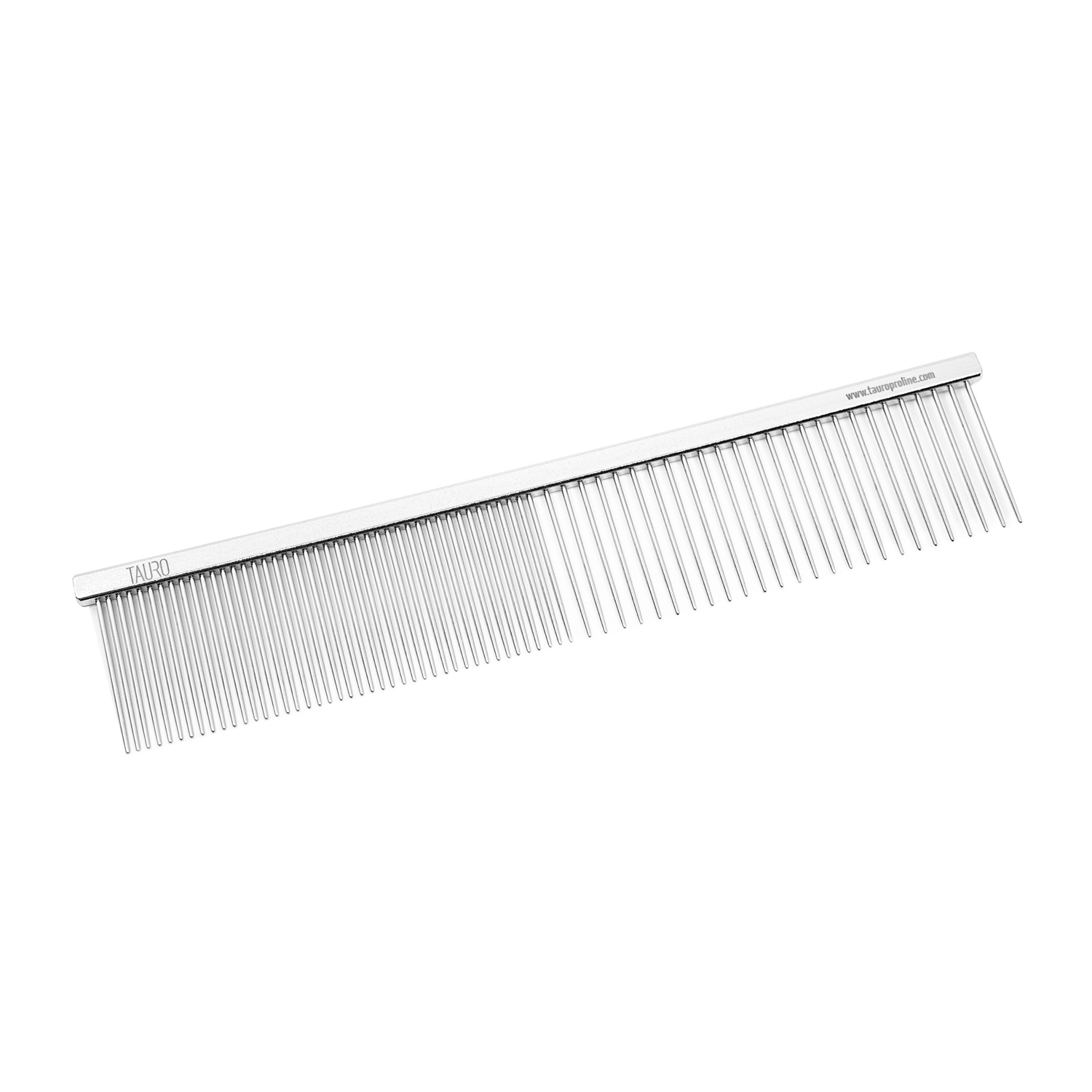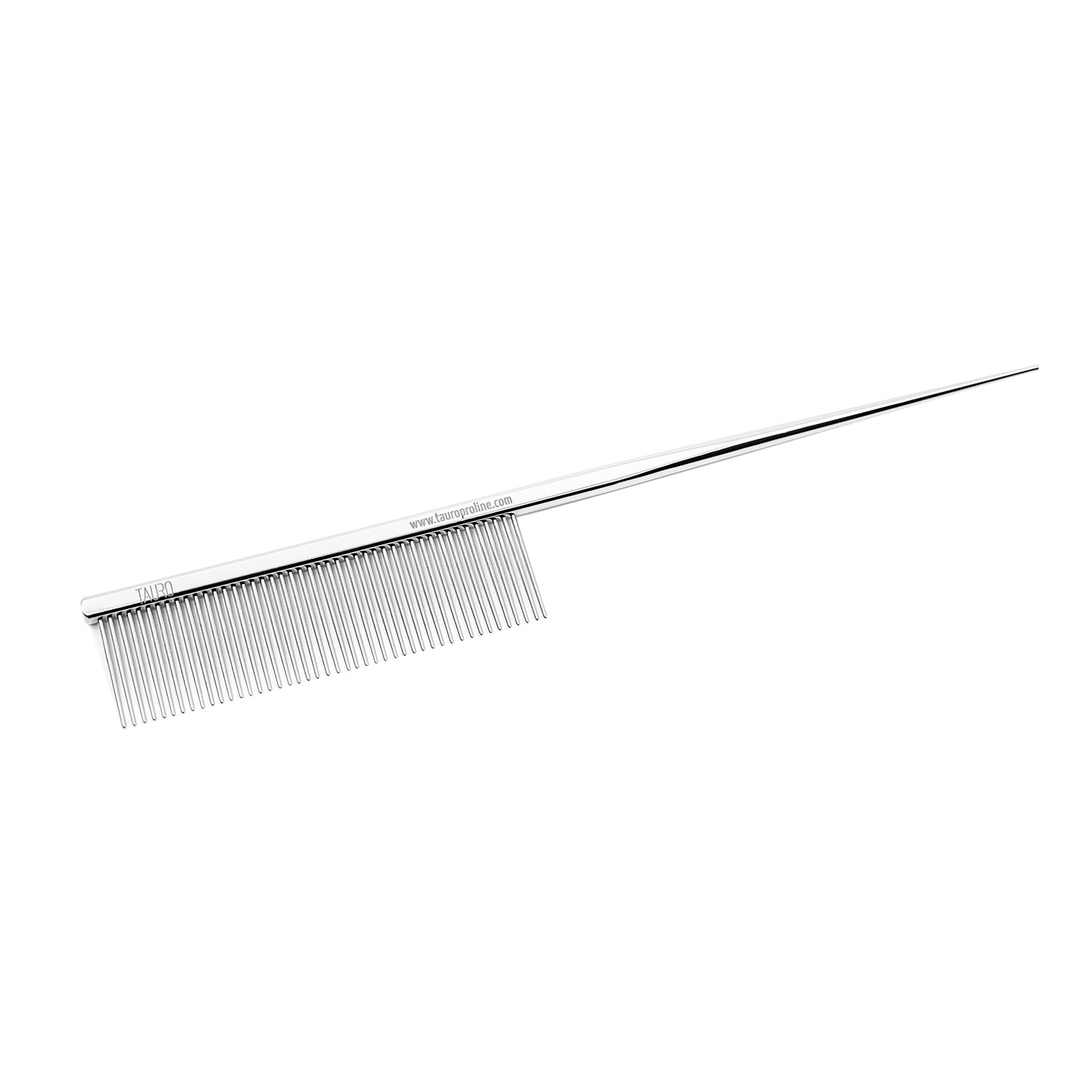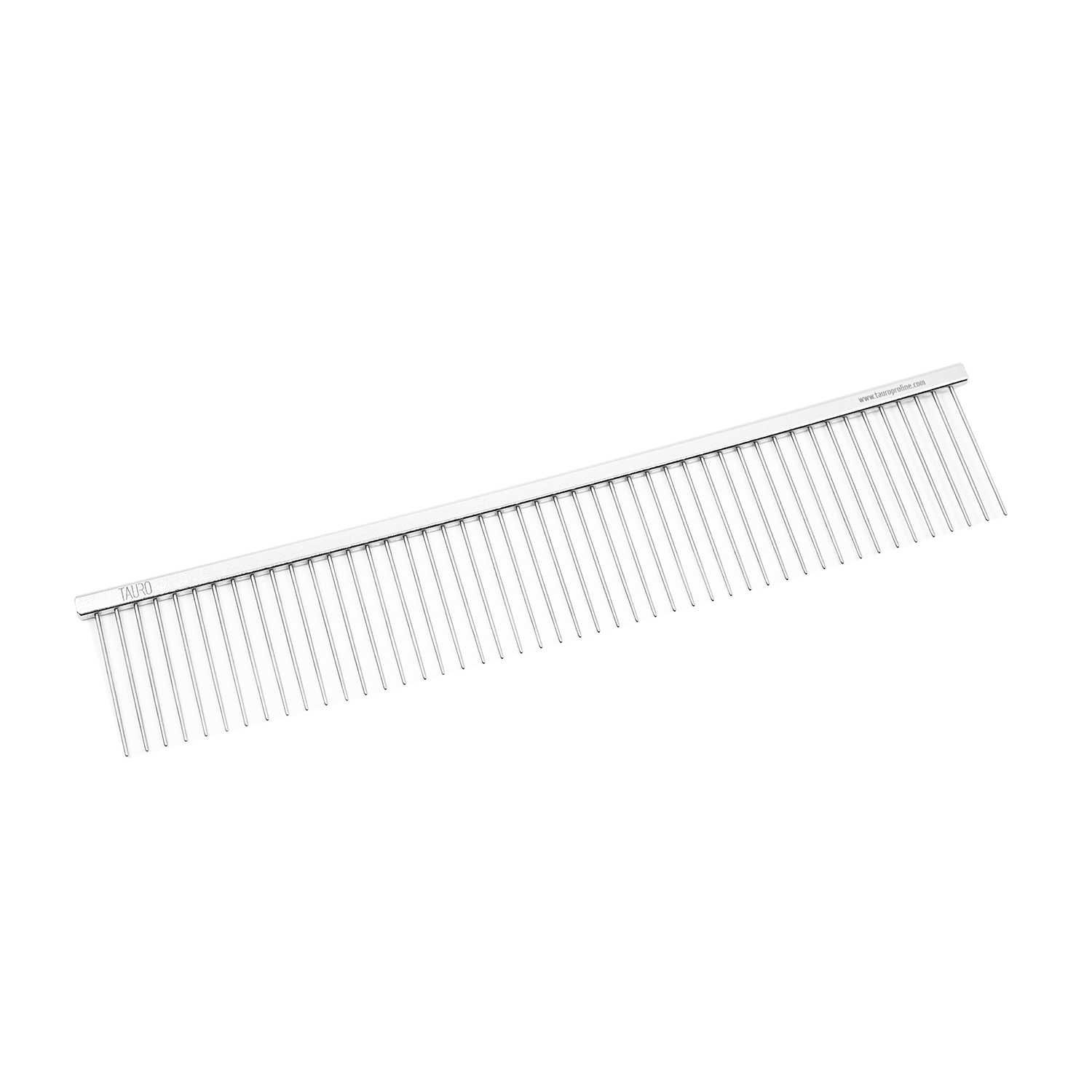

Combs are essential grooming tools for checking, separating and finishing the coat. While brushes are often used for larger areas and general maintenance, combs help reach closer to the skin, identify hidden tangles and create a neater final result. They are especially useful for long-haired, curly, silky or dense coats where knots can form beneath the surface.
A comb is often used after brushing to confirm that the coat is fully detangled. If the comb moves smoothly through the hair, the coat is usually in good condition. If it catches or pulls, there may be tangles that need more careful attention. Combs can also be helpful around smaller areas such as the legs, chest, ears and tail, where larger tools may be harder to control.
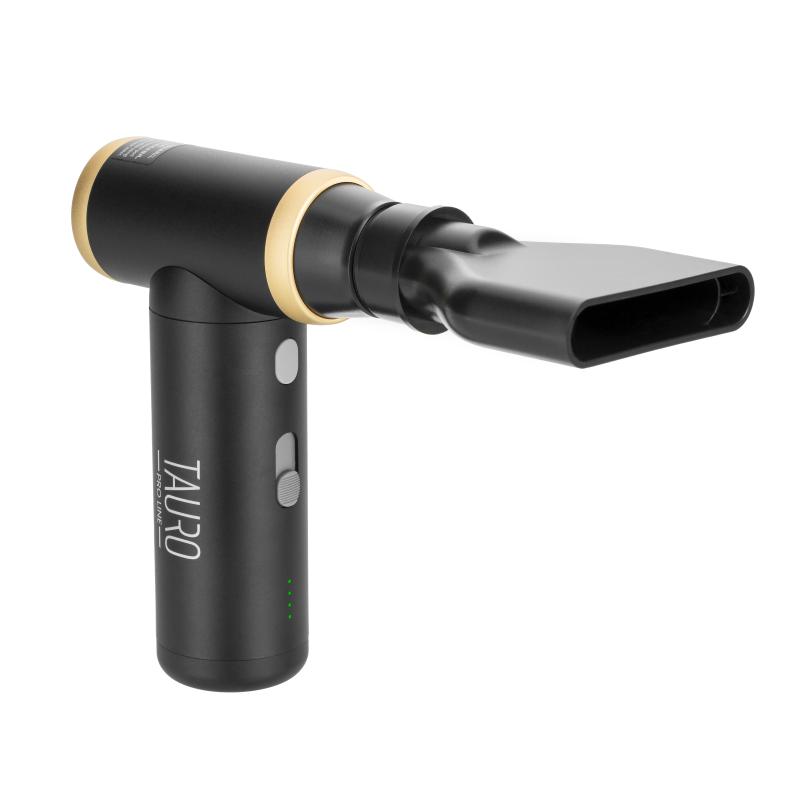
Within a complete grooming tools and equipment routine, combs work well alongside skin and coat care products such as conditioners, masks and elixirs, which can make the coat easier to manage. For pets with thick or difficult coats, combing after drying with suitable dryers can help create a cleaner finish.
Choosing the right comb depends on coat length, density and grooming goal. Wider teeth are useful for looser detangling, while finer teeth can help with finishing and checking small sections.
Pet combs are used for detangling, checking the coat and finishing areas that need more precision. They are especially useful after brushing because they help reveal tangles that a brush may have missed. Combs can also separate hair neatly before trimming or styling. For long or dense coats, they are one of the most useful everyday grooming tools.
Yes, but they are usually more important for medium, long, curly or dense coats. Short-haired pets may only need light combing in certain areas. A comb can still be useful for checking behind the ears, around the tail or near the legs. The need depends on how easily the coat tangles.
It usually means there are tangles, mats or compacted hair in the coat. Do not pull hard, as this can hurt the pet and damage the hair. Use a suitable brush, detangling product or conditioner to loosen the area first. Severe mats may need help from a professional groomer.
Yes, regular combing can help catch tangles before they become mats. This is especially useful in areas where friction happens, such as behind the ears, under the legs and around the collar.
Long-haired and tangle-prone pets may need combing several times per week. Shorter coats will likely need it less often. During shedding seasons, combing may need to be more frequent. A quick check after brushing can prevent bigger grooming problems later.
It is better to use a comb made for pets because coat density and grooming needs are different.