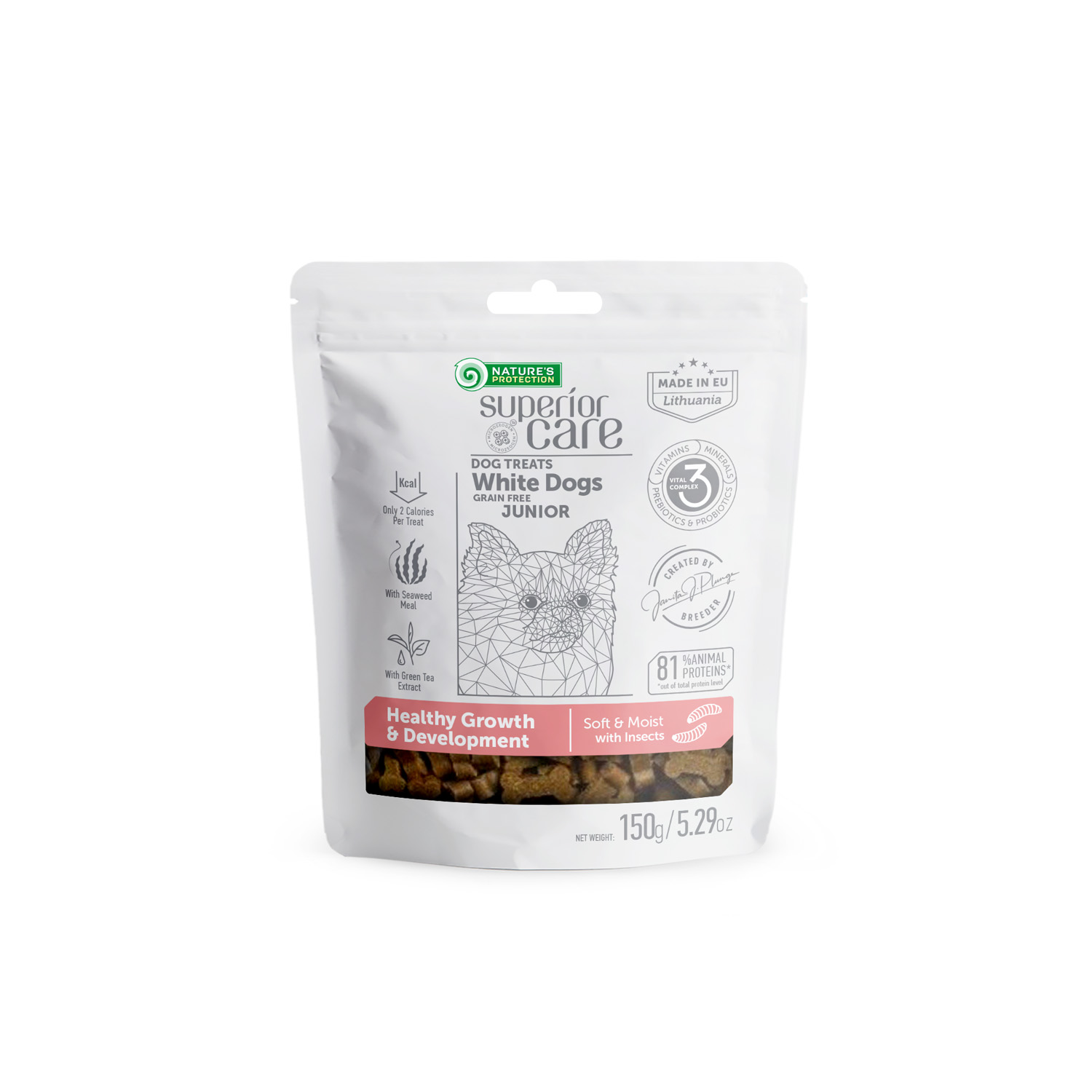
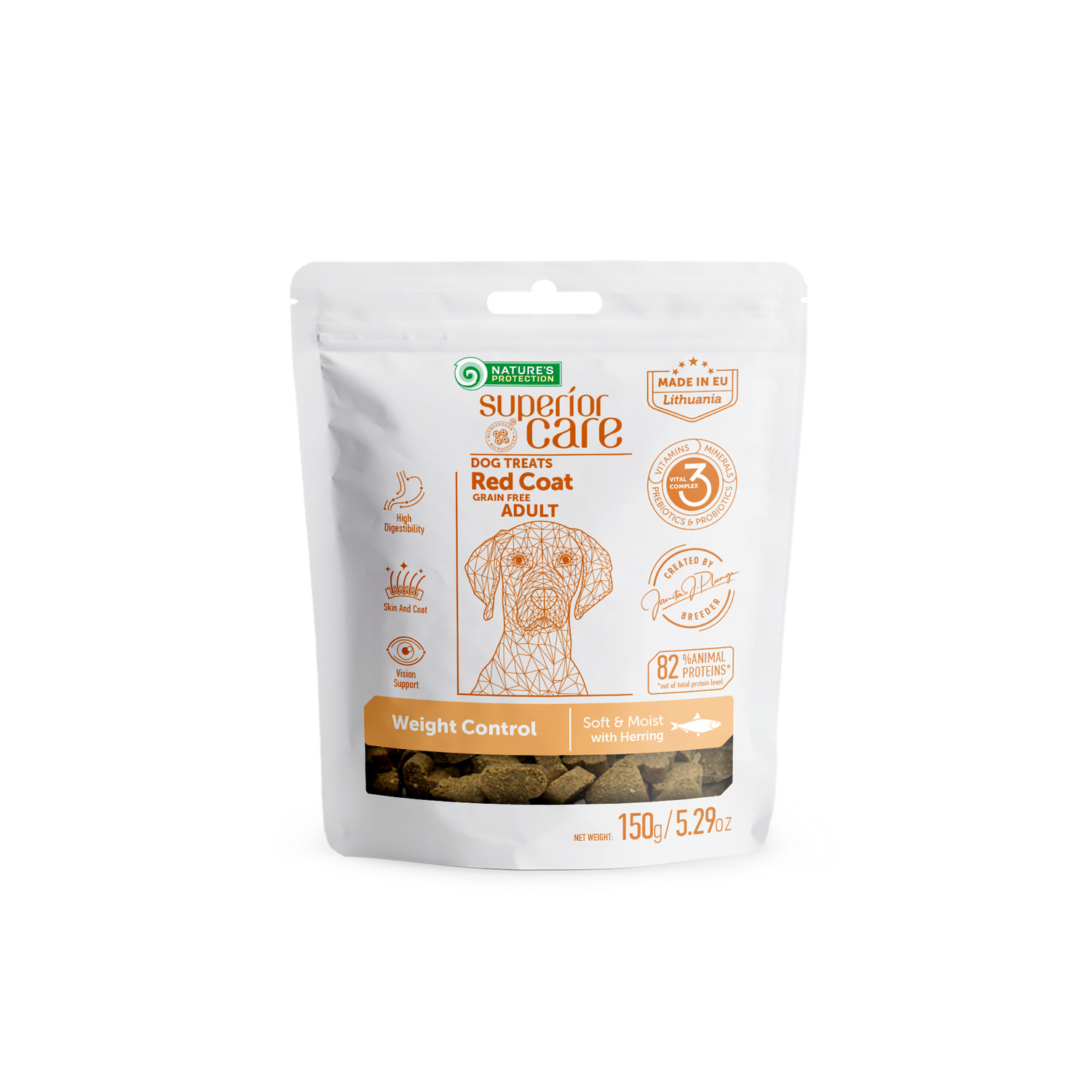
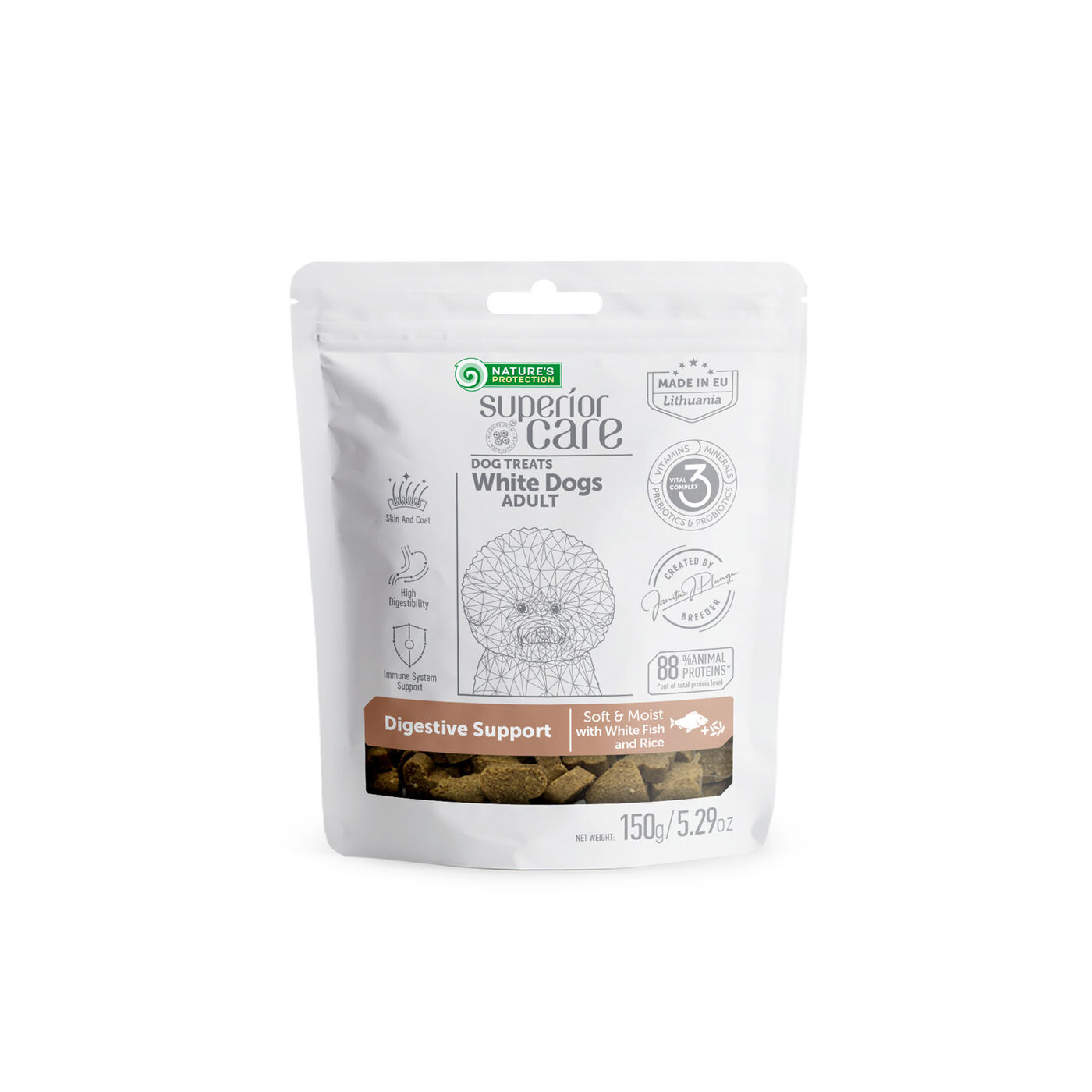
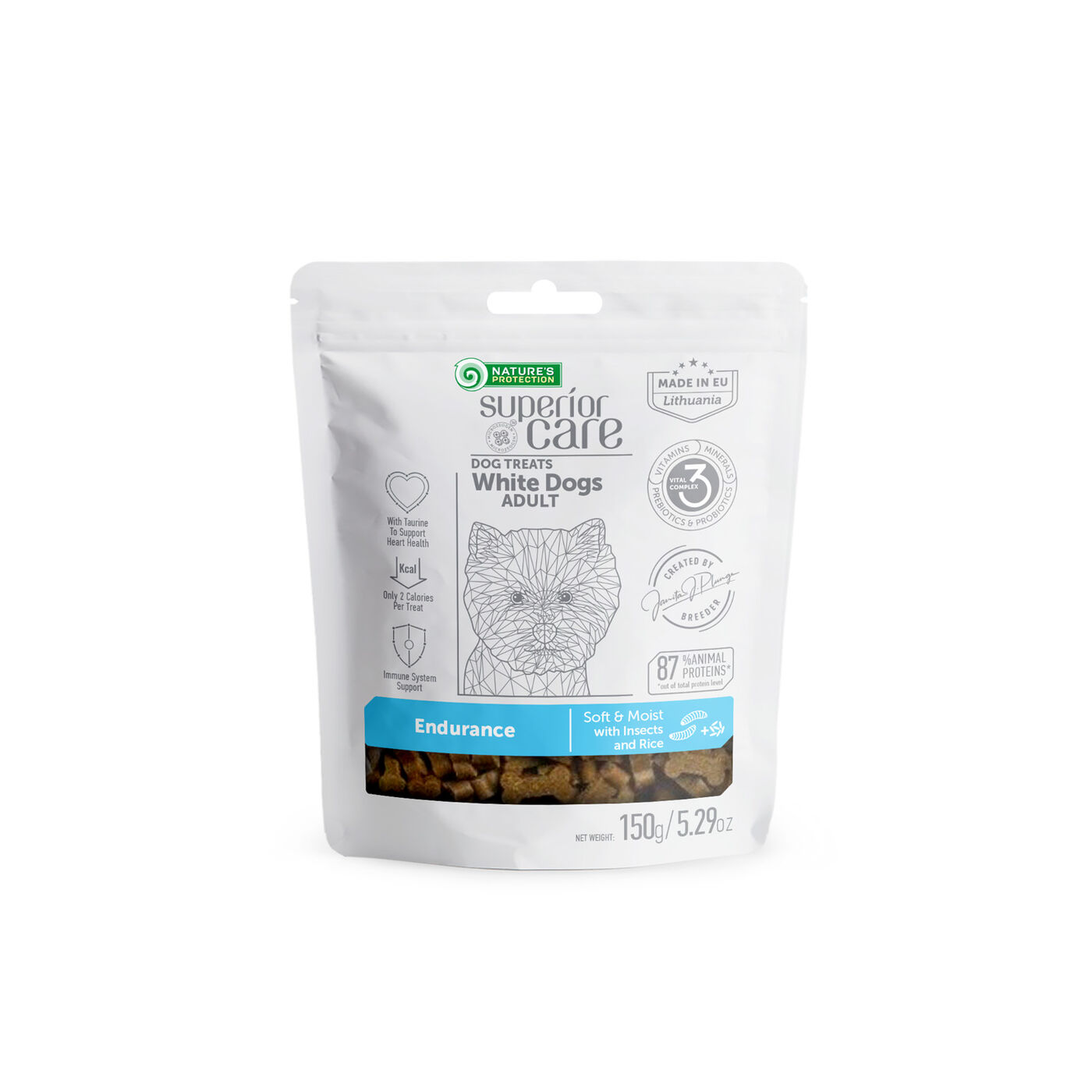
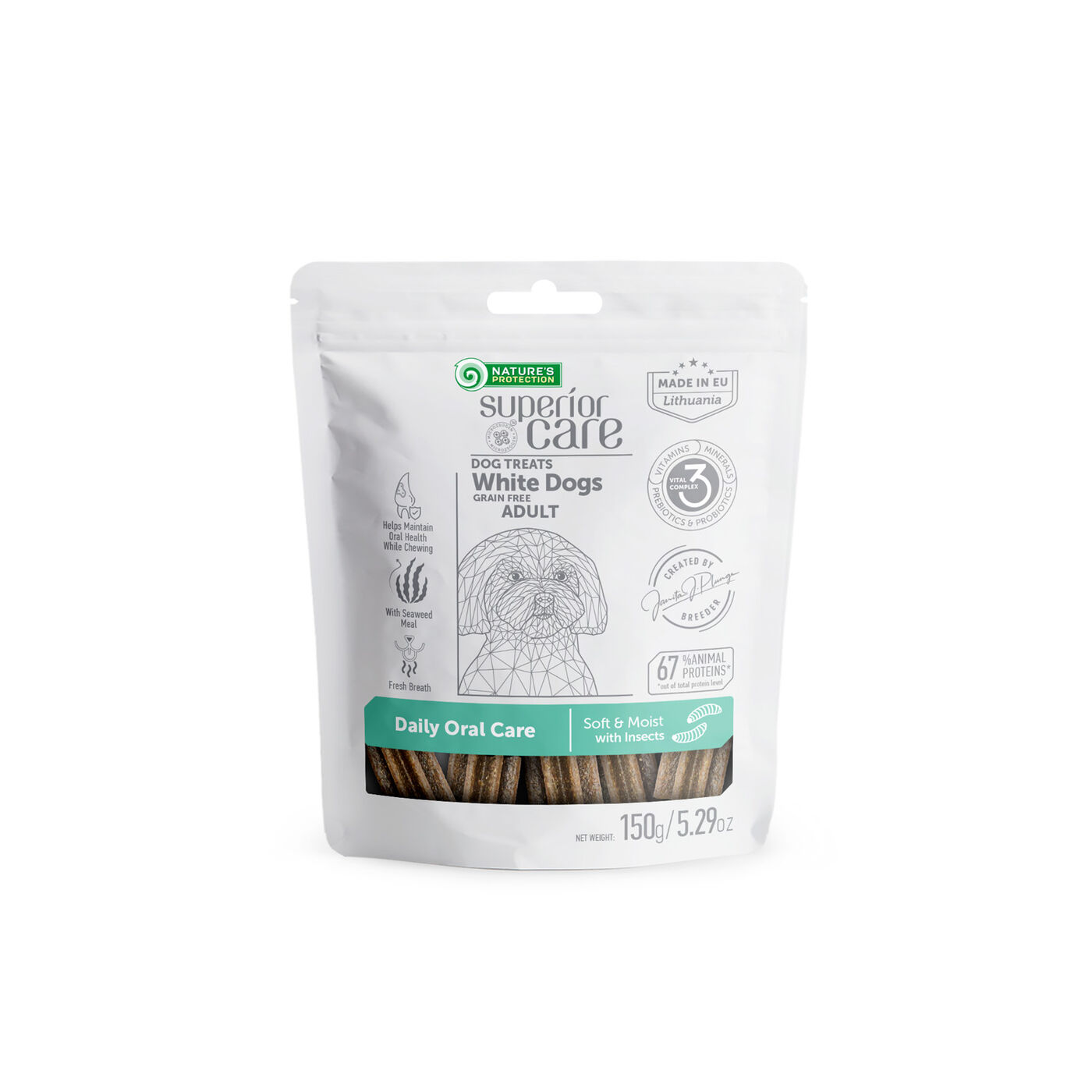
Dog Treats

Dog treats are more than small snacks. They can be useful for training, rewarding good behavior, supporting bonding and adding variety to your dog’s daily routine. Whether you are teaching basic commands, reinforcing recall, keeping your dog occupied or simply giving them something special, the right treat can make the moment more enjoyable and effective.


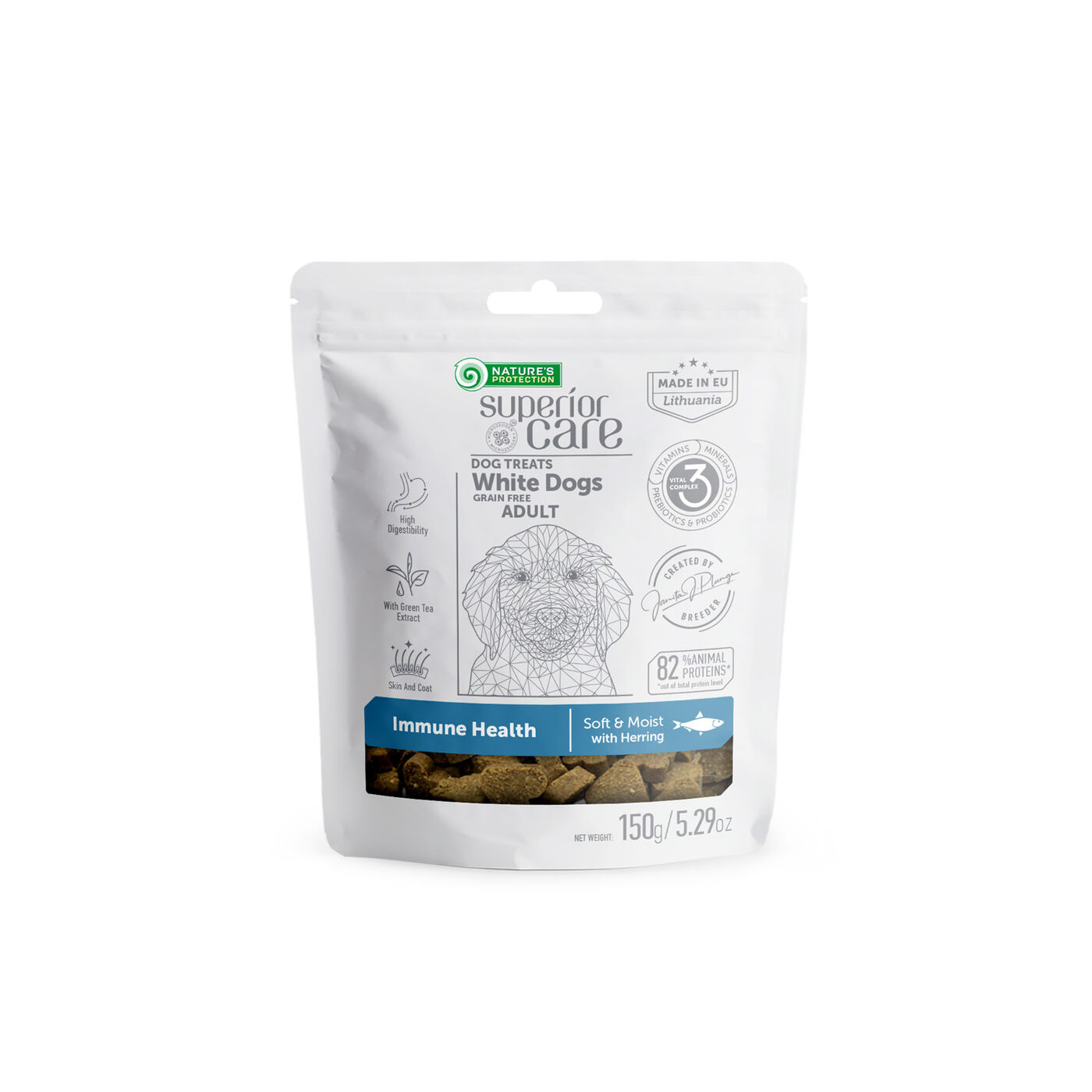
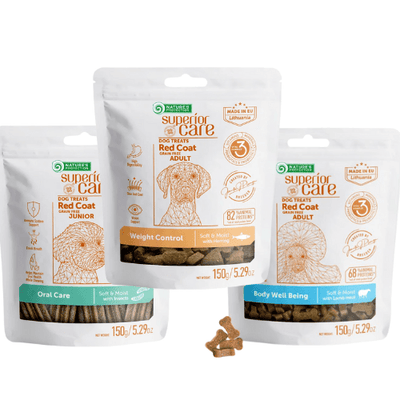
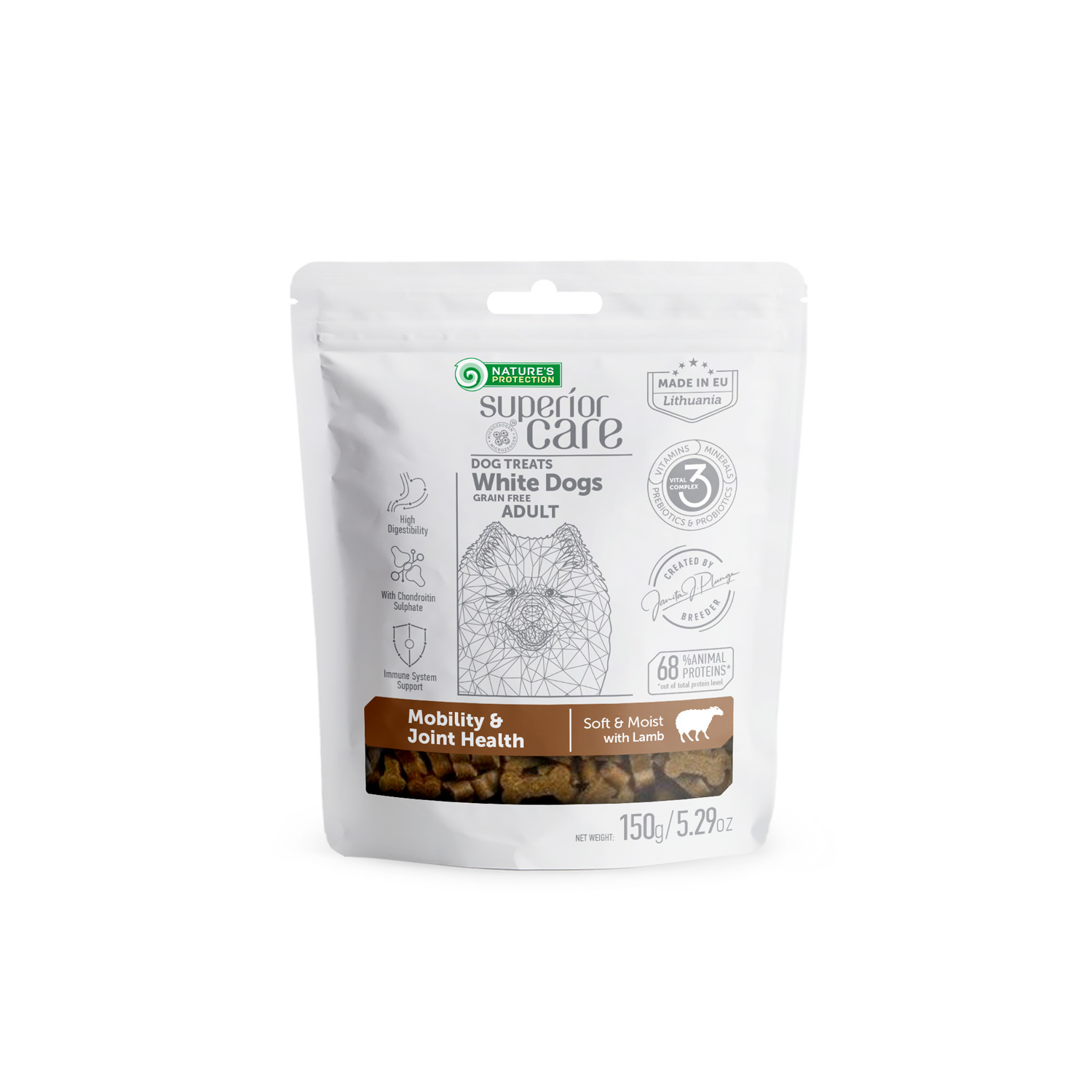
There are many types of dog treats, from soft training bites and crunchy biscuits to dental chews, natural snacks and longer-lasting rewards. Soft treats are often useful during training because they are easy to chew and quick to eat, while harder treats may be better suited for slower chewing or enrichment. Some treats are made with specific goals in mind, such as supporting dental hygiene, helping with skin and coat condition or providing a simple high-protein reward.


Treats should complement your dog’s main diet rather than replace it. A balanced routine usually starts with suitable dry dog food or wet dog food, with treats added in moderation and making up less than 10% of your dog’s daily calories. This helps ensure your dog receives the nutrition they need while still enjoying rewards throughout the day.


When choosing dog treats, consider your dog’s size, chewing style, allergies, sensitivities and calorie needs. Smaller dogs may need smaller treats, while strong chewers may require more durable options. If you use treats frequently for training, low-calorie or easily breakable treats can help prevent overfeeding. For certain specialized needs there are hypoallergenic or grain-free dog treat options. The best dog treats will be ones that your dog enjoys the most, is appropriate for your dog and is easy to fit into a healthy feeding plan.


Filter
12 products

FAQs

How many treats can I give my dog per day?

Treats should only make up a small part of your dog’s daily food intake. A very active large dog may be able to have more than a small indoor dog, but calories still add up quickly and it’s not recommended to have treats make up more than 10% of your dog’s daily calorie intake. If you use treats often for training, choose smaller pieces or break larger treats into portions. Your dog’s regular meal portion sizes may also need slight adjustment if treats are given frequently.

Are dog treats suitable for training?

Yes, treats are one of the easiest rewards to use during training. Small, soft treats are usually best because your dog can eat them quickly and return their attention to the task. For longer sessions, lower-calorie options can help prevent overfeeding.

Can puppies have dog treats?

Yes, puppies can have treats, but they should be small, soft and suitable for their age.

What treats are best for dogs with sensitive stomachs?

Dogs with sensitive stomachs often do better with simple treats made from a limited number of ingredients. Avoid introducing several new snacks at once, because it becomes harder to identify what caused a reaction. Start with small amounts and watch for changes in stool, appetite or itching. If your dog has known allergies, check ingredient lists carefully before feeding or choose the hypoallergenic dog treat options.

Are dental treats enough to clean my dog’s teeth?

Dental treats can be a useful part of a dental care routine, but they are not a full replacement for brushing. They may help reduce buildup or freshen breath, depending on the product and how your dog chews. Regular veterinary checks are still important, especially for dogs prone to dental issues. If your dog swallows treats quickly without chewing, dental treats may be less effective.

What should I look for in quality dog treats?

Look for treats that suit your dog’s size, chewing style and dietary needs. Clear ingredient information is important, especially if your dog has allergies or sensitivities. If your dog is prone to allergies or has food sensitivities, it’s best to look for hypoallergenic or grain-free options with a limited ingredient list. For training, small and easy-to-break treats are practical. For enrichment, longer-lasting treats may be more suitable.

Can I use dry dog food as treats?

Yes, if your dog enjoys their kibble, it can work well as a simple low-extra-calorie training reward.