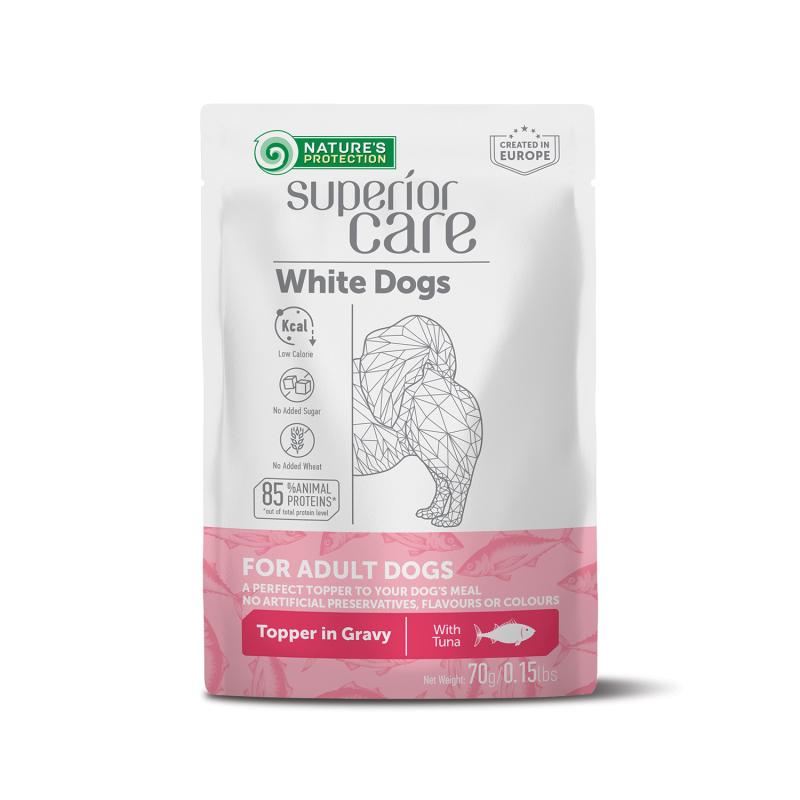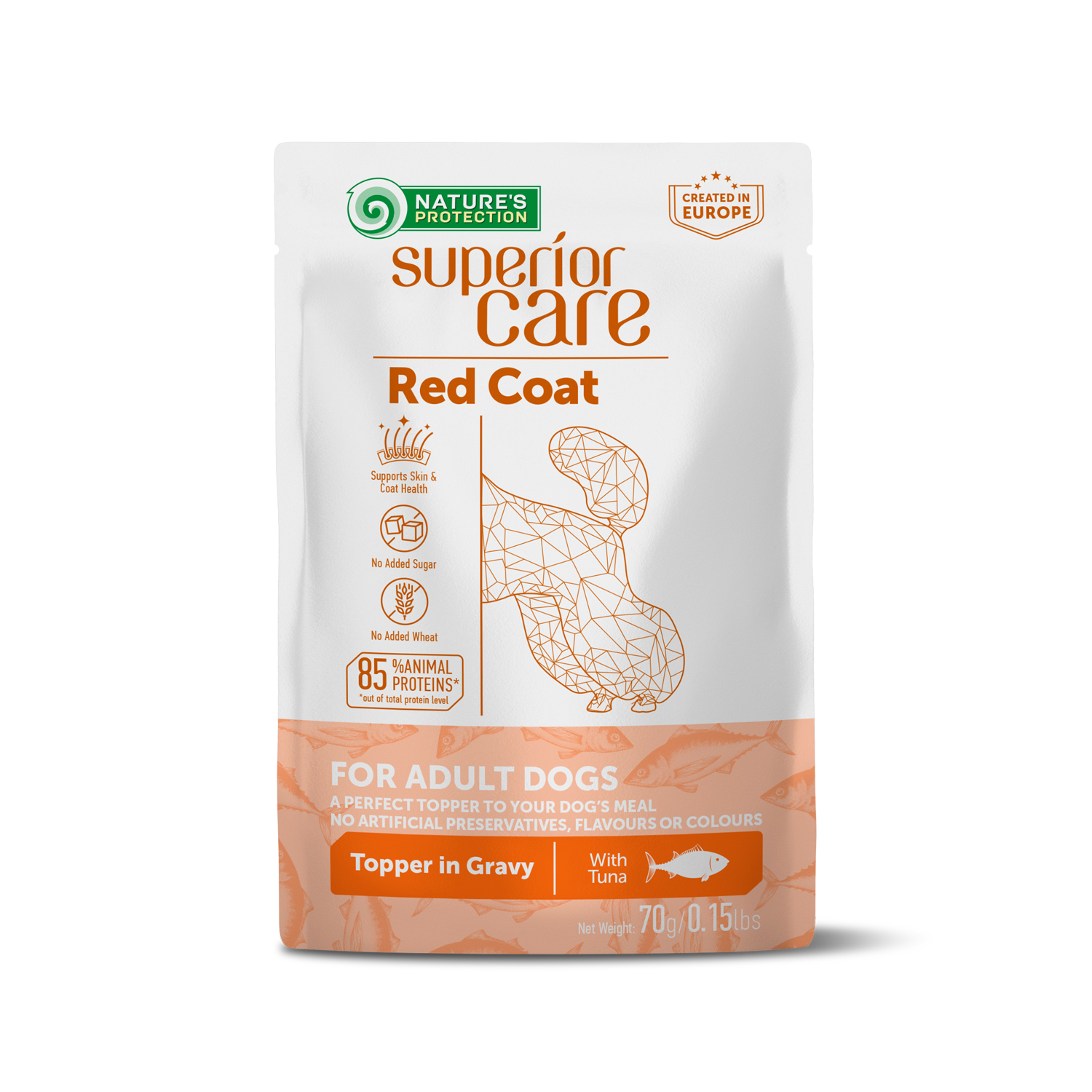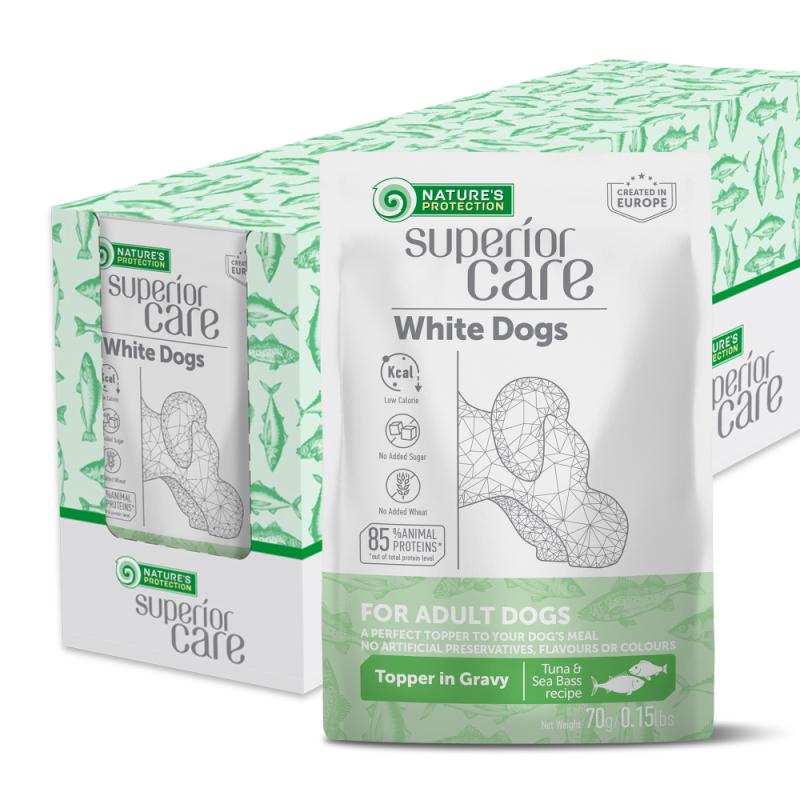

Wet dog food is a flavorful and moisture-rich option that can make mealtimes more enjoyable for many dogs. Its soft texture and stronger aroma are often appealing to picky eaters, senior dogs, puppies transitioning to solid food or pets that struggle with hard kibble. Because wet food contains more water than dry food, it can also help support hydration, especially for dogs that do not drink much throughout the day.
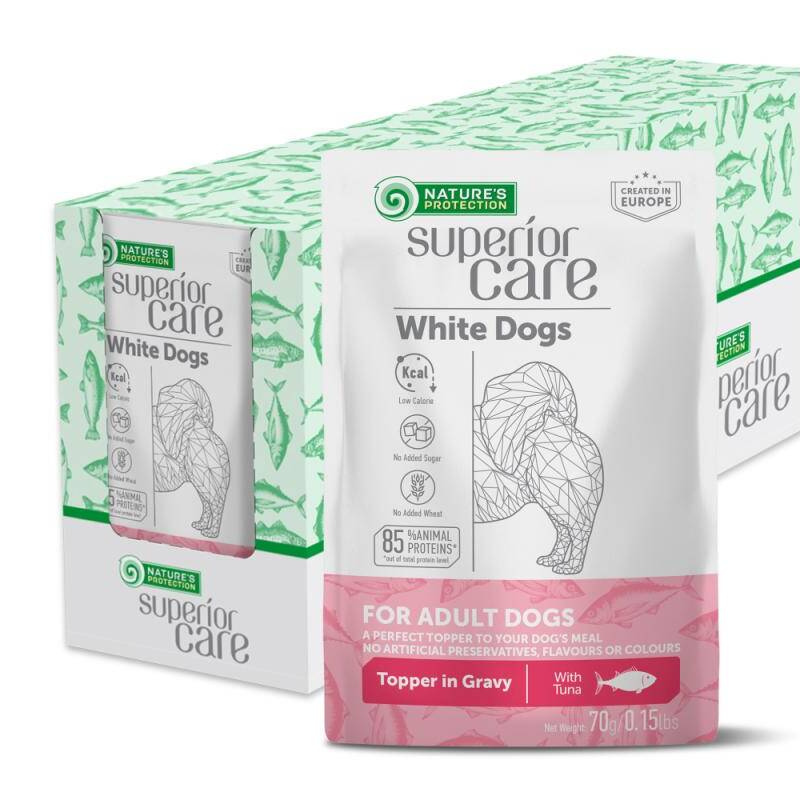
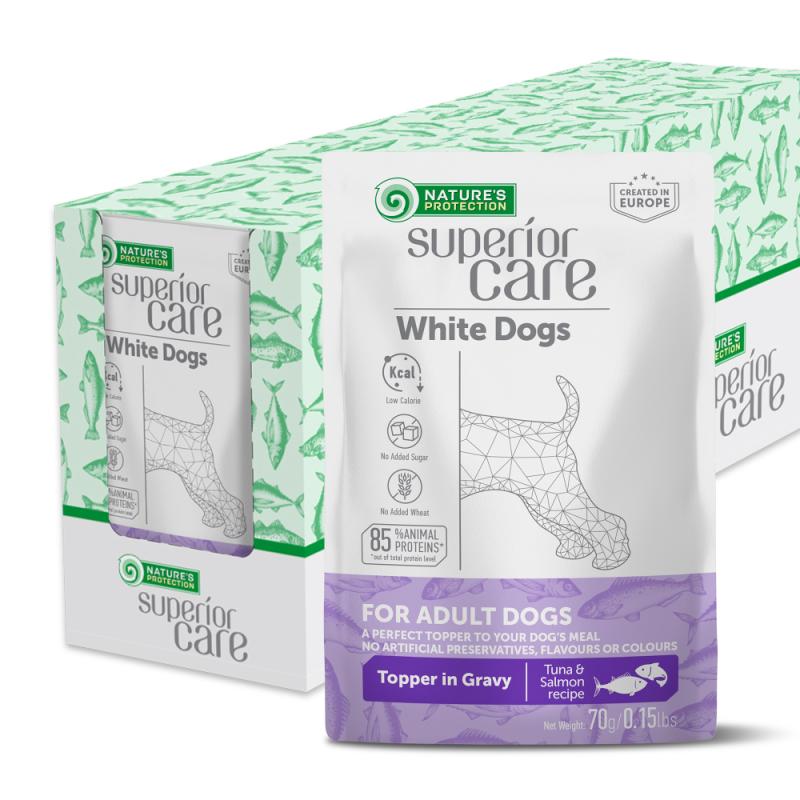
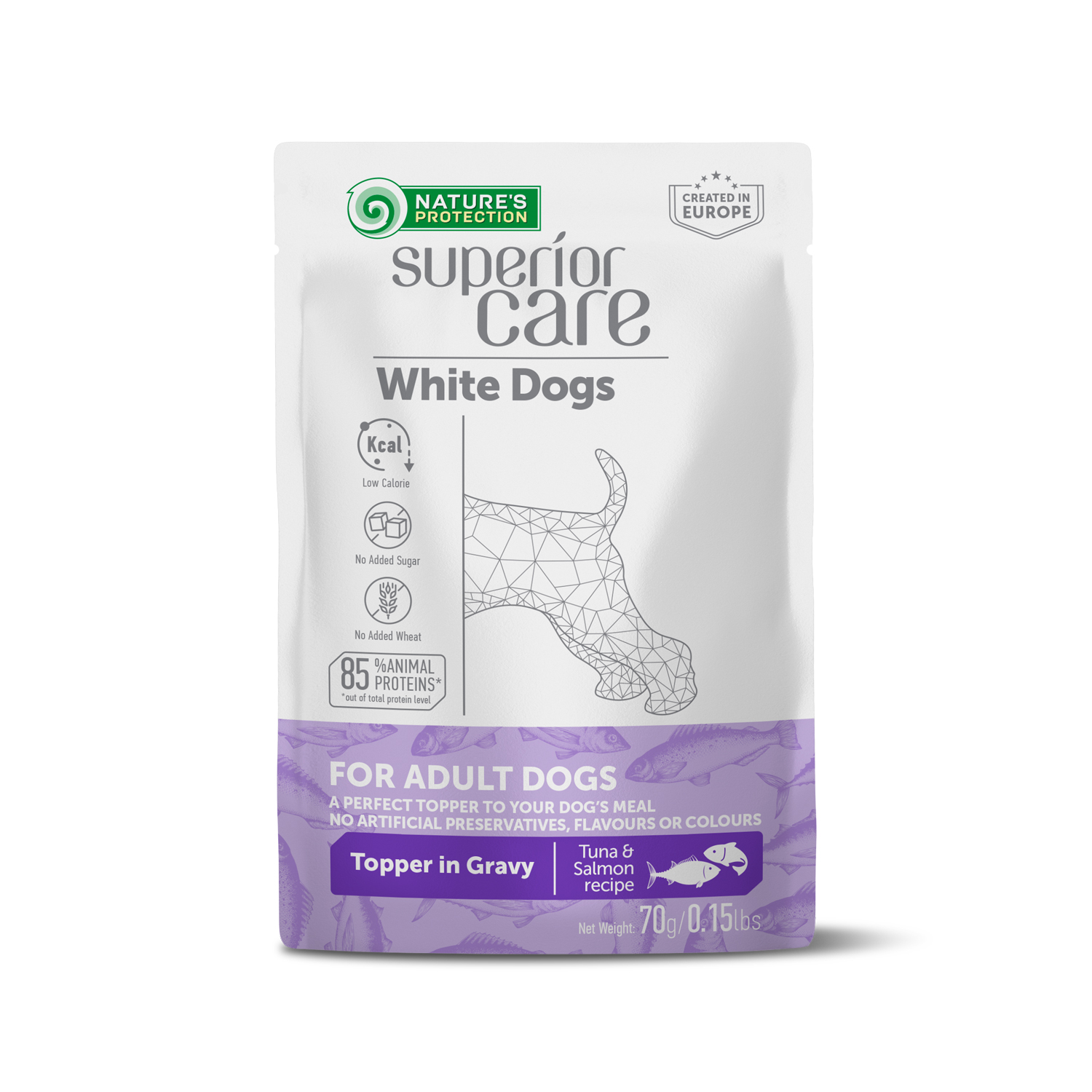
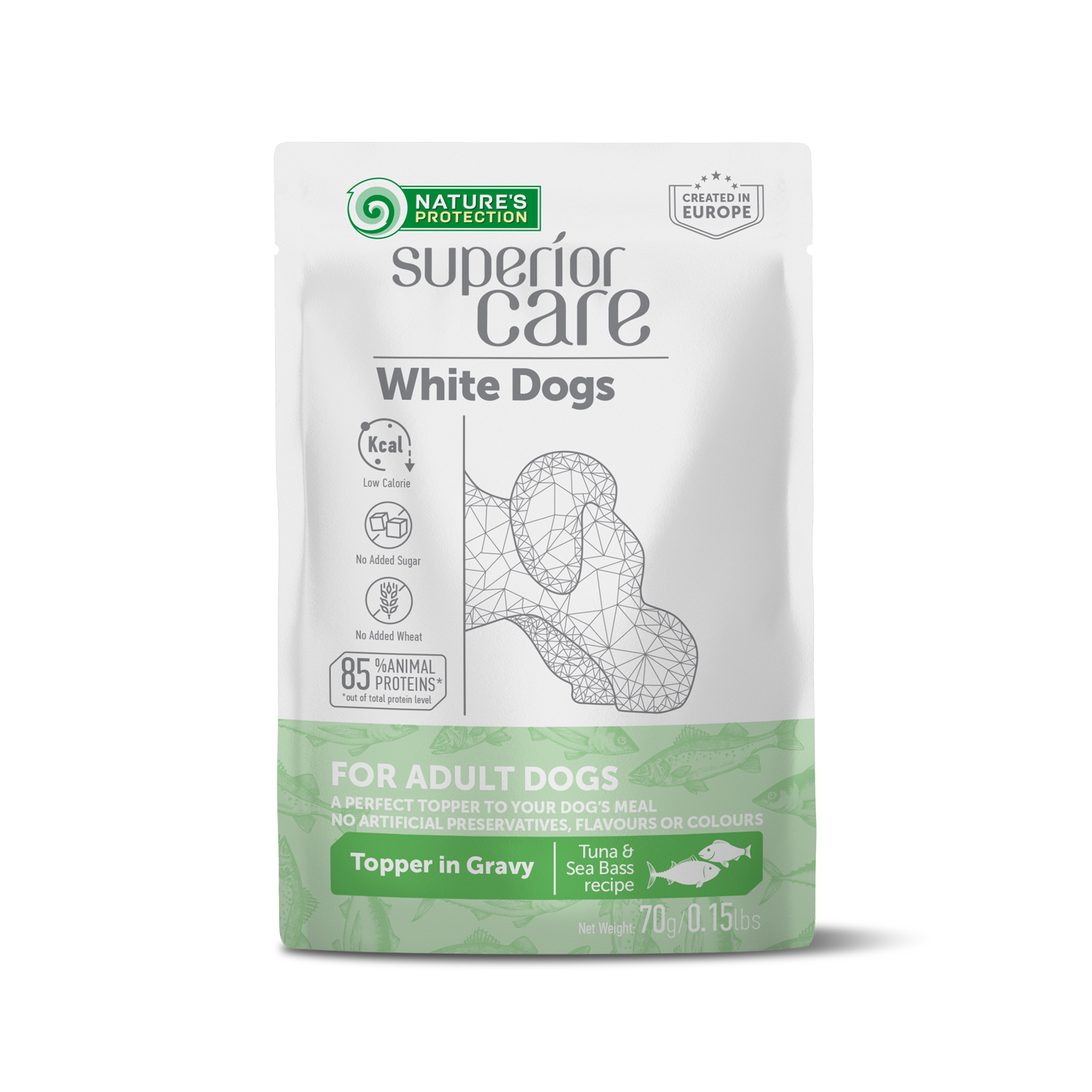
This category includes a variety of recipes, textures and protein sources, making it easier to find something that suits your dog’s preferences and nutritional needs. Some wet foods are complete meals, while others are intended as toppers or complementary foods. Complete wet dog food can be served as your dog’s main diet, while topper-style options are often used to add taste and moisture to dry dog food.
Wet food can be particularly helpful when you want to increase meal appeal without relying too heavily on extras. It can also be used alongside dog treats as part of a varied routine, where meals provide balanced nutrition and treats are reserved for training, rewards or enrichment. As with any dog food, portion control matters. Wet food can be rich and calorie-dense, depending on the recipe, so feeding amounts should be adjusted to your dog’s size, age and activity level.
When choosing wet dog food, consider the ingredient list, protein source, intended life stage and whether the product is complete or complementary. The best option is one that your dog enjoys and that fits comfortably into a balanced, consistent diet.
Wet dog food is not necessarily better, but it does offer different advantages. It contains more moisture, has a softer texture and often smells more appealing to dogs. Dry food, on the other hand, is usually easier to store, measure and leave in a bowl for short periods. Many owners use both depending on their dog’s preferences, appetite and feeding routine.
Yes, premium wet dog food is often a good choice for picky eaters because it has a stronger smell and softer texture.
Opened wet dog food should usually be covered, refrigerated and used within the timeframe stated on the packaging. Different products may have different storage guidance, so the label is the best place to check. Food that has been left out too long should be discarded, especially in warm conditions. If the smell, color or texture changes, do not feed it.
Puppies can eat wet dog food as long as that particular food is suitable for puppies. Puppy formulas are designed to support growth, while adult foods may not provide the right nutrient balance. Wet food can be useful during weaning or for young dogs that prefer softer meals. Introduce it gradually so their digestion has time to adjust.
You can serve it at room temperature or warm it slightly, but it should never be hot.
Wet dog food contains a high amount of moisture, so it can contribute to your dog’s daily fluid intake. This can be helpful for dogs that do not drink much water on their own. However, wet food should not replace access to fresh drinking water. Your dog should always have clean water available throughout the day.
Yes, complete wet dog food can be fed daily. The most important thing is to choose a formula that matches your dog’s age, size and needs. You should also measure portions carefully because wet foods can vary in calories. If you combine wet food with dry food, reduce the amount of each accordingly.
It can, especially if introduced too quickly. A sudden change in diet may upset your dog’s digestion, even if the food itself is of premium quality. Try mixing a small amount with the current food and increasing it over a period of 7-10 days. If soft stools continue or come with other symptoms, check with your vet.