
Brushes

Brushes are one of the most important tools for everyday coat care. They help remove loose hair, reduce tangles, distribute natural oils and keep the coat looking cleaner between baths. The right brush can make grooming more comfortable and can also help reduce the amount of loose hair around the home.


Different coat types need different brushes. A short coat may only need light brushing to remove loose hair, while long, curly or double coats may require more regular and structured grooming. Some brushes are designed for smoothing, others for detangling, undercoat removal or finishing. Using the wrong brush can be ineffective or uncomfortable, so coat type should guide your choice.


Brushes are a core part of the wider grooming tools and equipment category and often work best alongside combs, especially for coats that tangle easily. After bathing with suitable skin and coat care products, brushing can help maintain softness and keep the coat manageable. For thicker coats, using a brush together with dryers can improve the final grooming result.


Regular brushing is not just cosmetic. It gives owners a chance to check for tangles, dry skin, dirt, irritation or changes in the coat that might need attention.

Filters

FAQs

How do I choose the right brush for my pet?

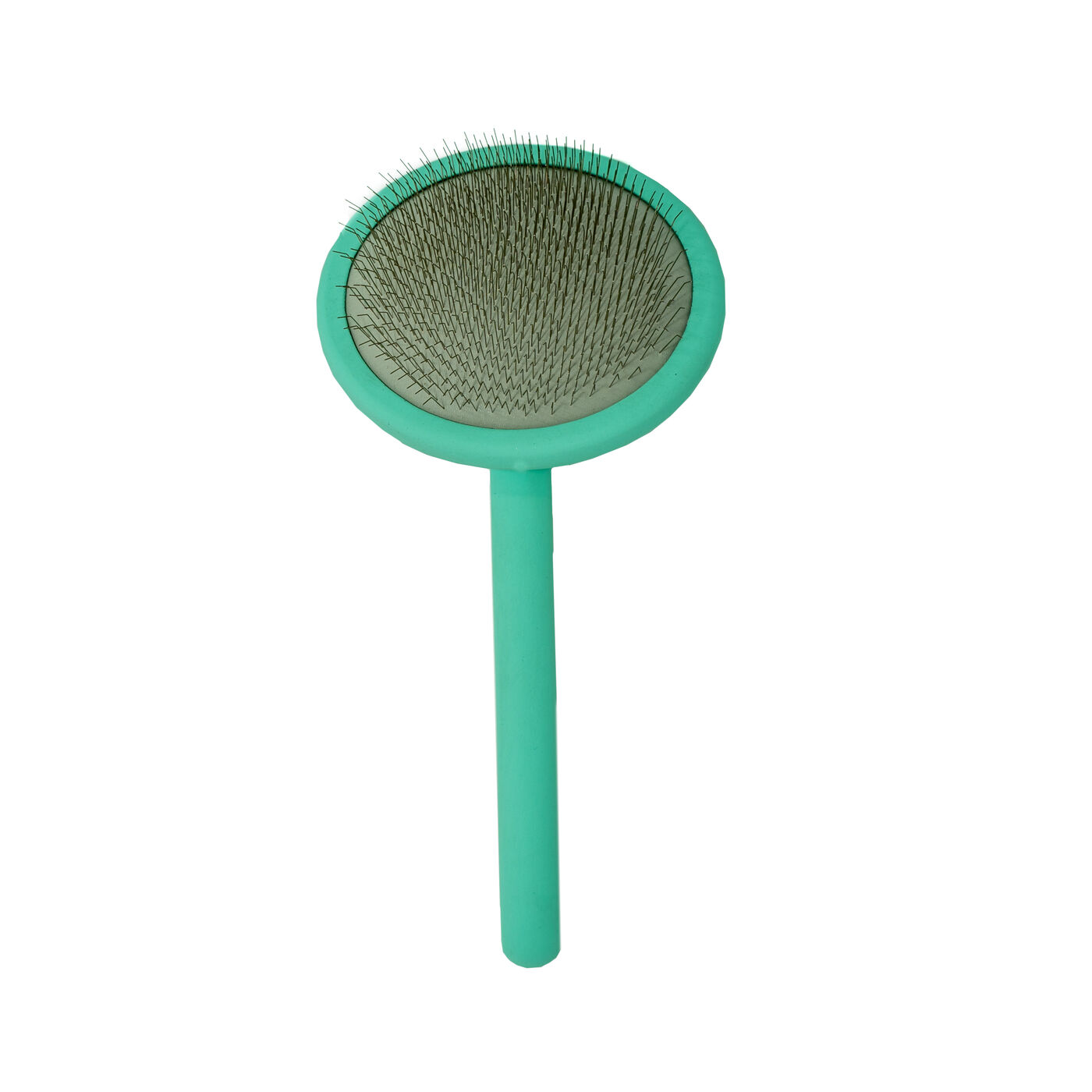
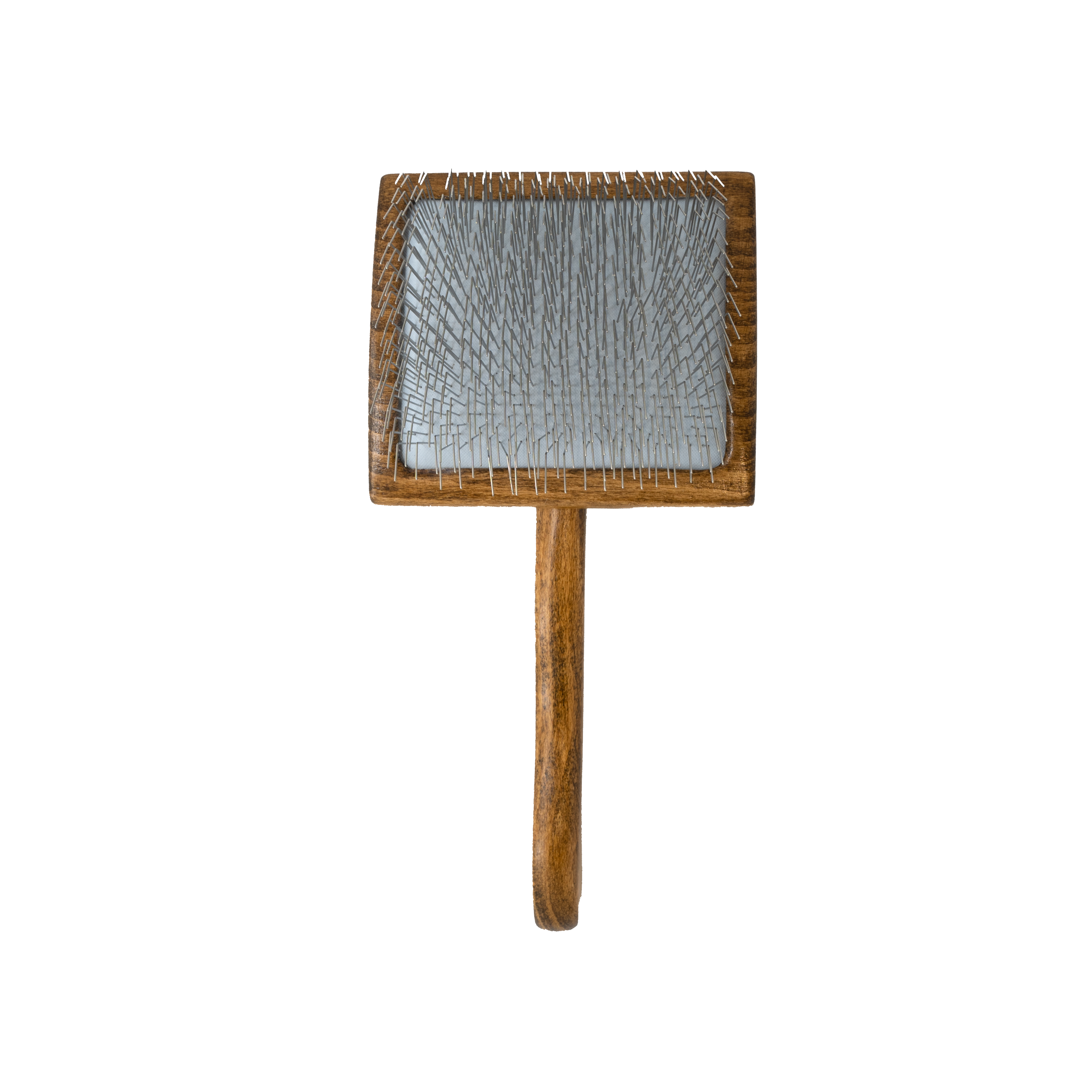
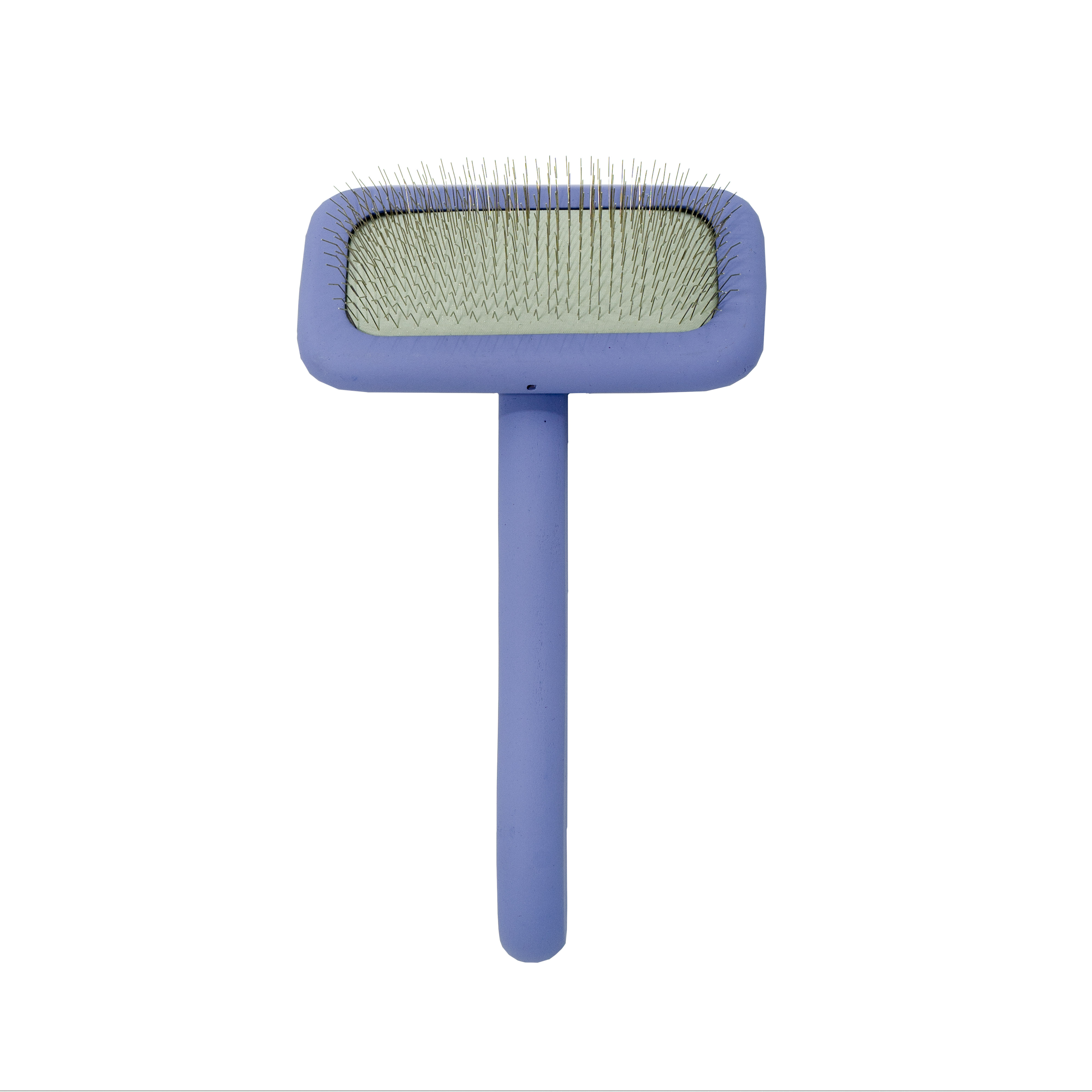
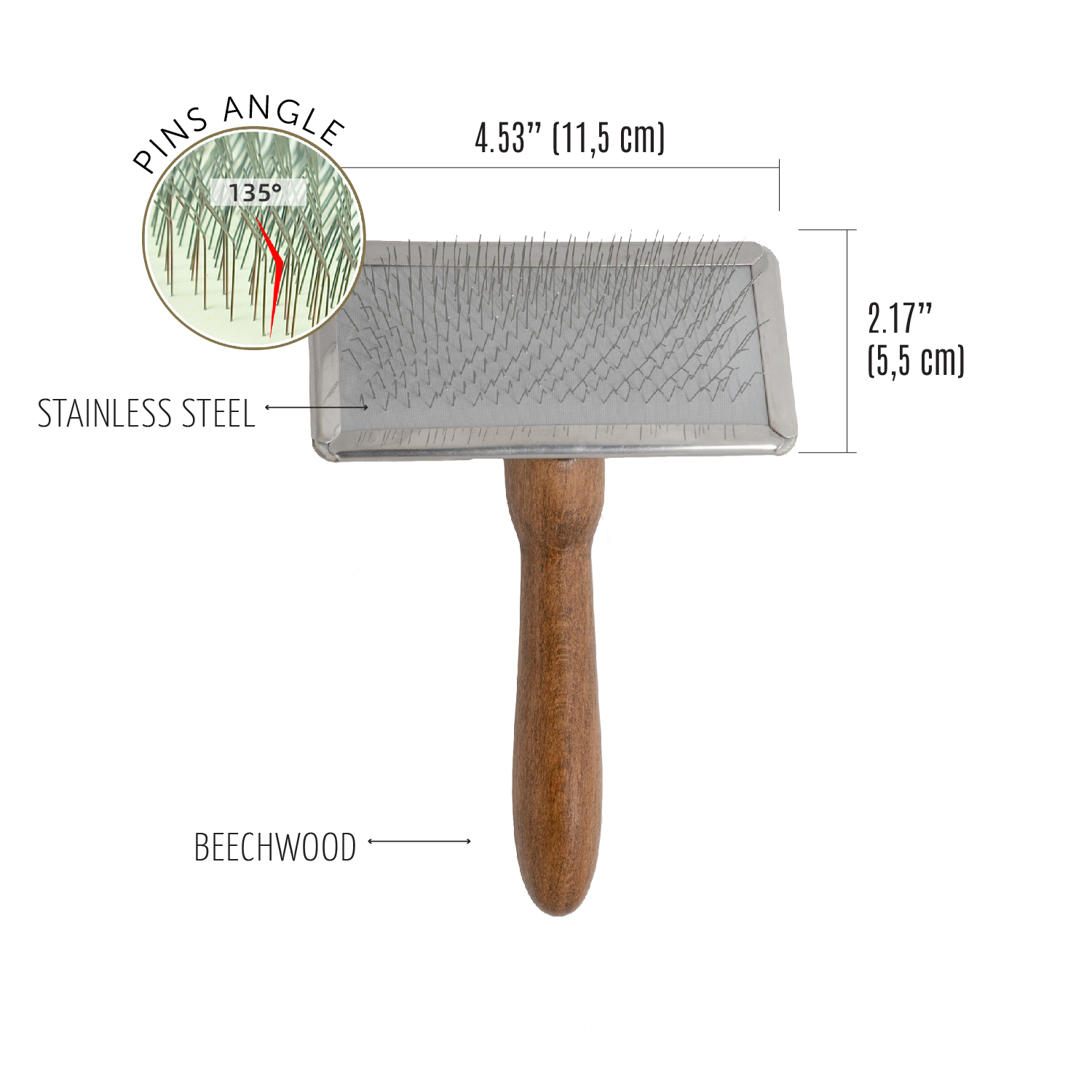
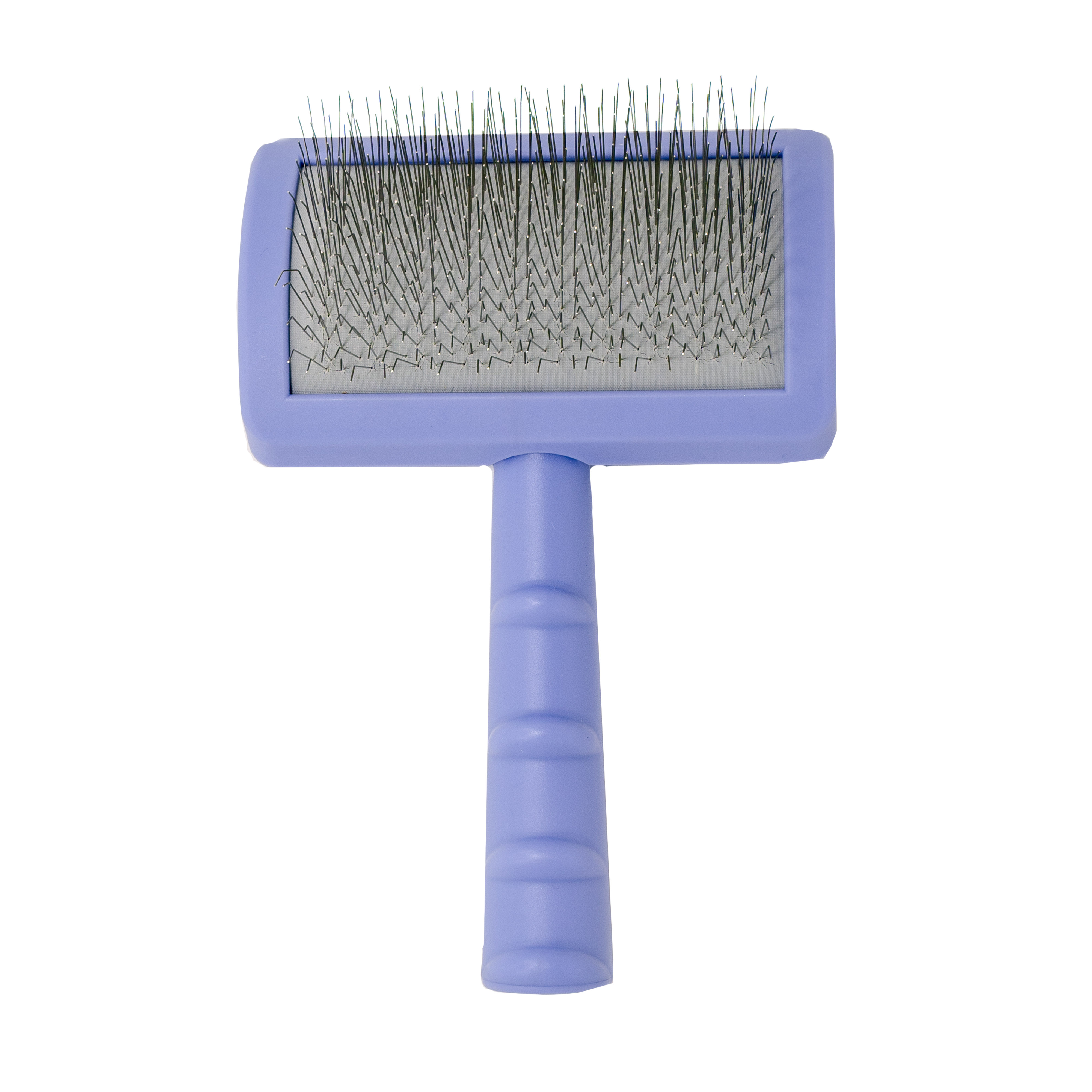
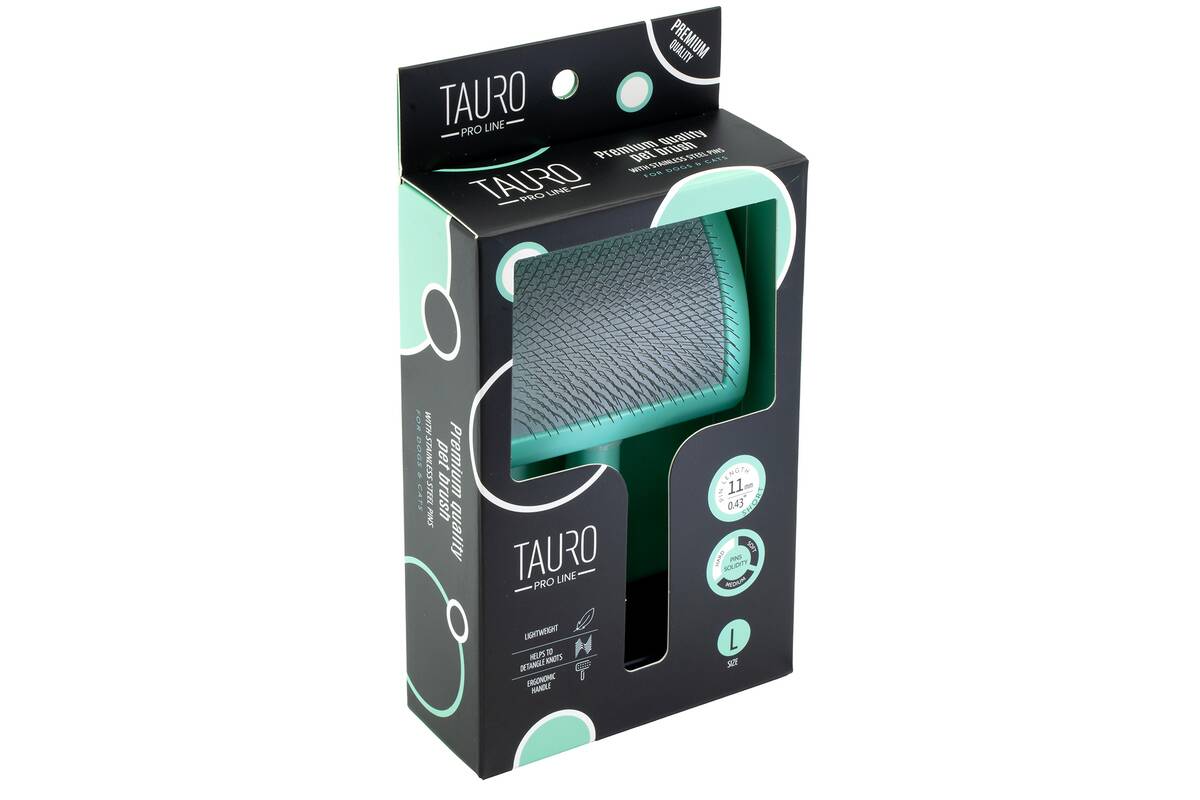
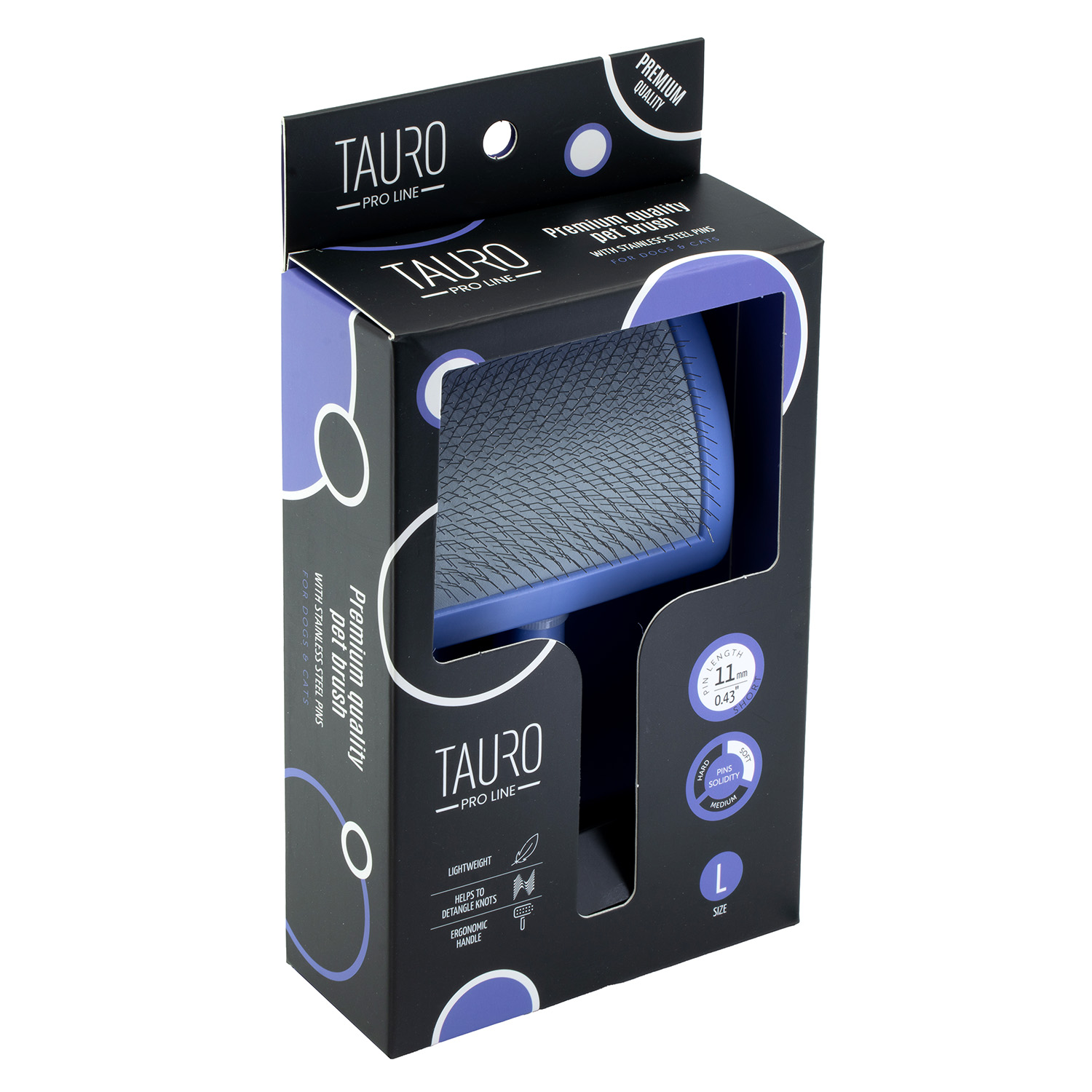
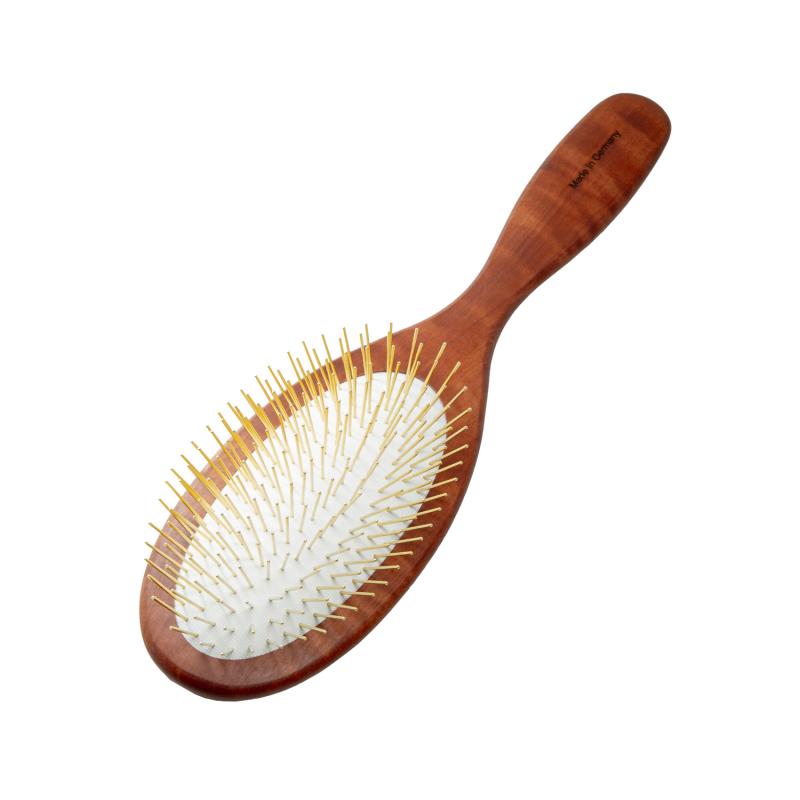
Choose based on coat type, not just pet size. Short coats, long coats, curly coats and double coats all need different brush styles. For short smooth coat a soft bristle brush will work the best, for long silky coats - a pin brush, for curly or wired coats - a slicker brush and as for double coats – also a slicker brush, but in this case an undercoat rake or de-shedding tool might also be necessary.

How often should I brush my dog or cat?

Some pets need brushing daily, while others only need it once or twice a week.

Can brushing reduce shedding?

Yes, brushing can help remove loose hair before it falls around the home. It does not stop natural shedding, but it can make it more manageable. During seasonal shedding, more frequent brushing may be needed. For double-coated pets, using the right tool is especially important.

Should I brush before or after bathing?

It is usually best to brush before bathing to remove loose hair and tangles. Bathing a tangled coat can make knots tighter and harder to remove. After the coat is washed and dried, brushing again can help finish the coat. For long coats, conditioner can make post-bath brushing easier.

Can brushing hurt my pet?

It can if you use too much pressure, brush over mats or use the wrong tool. Grooming should be gentle and controlled.

What areas are most likely to tangle?

Tangles often form behind the ears, under the legs, around the collar, on the chest and near the tail. These areas experience more friction and movement. They should be checked regularly, even if the rest of the coat looks fine. A comb can help confirm whether hidden knots are forming.

Do brushes need to be cleaned?

Yes, remove trapped hair after grooming and clean the brush when dirt or oil collects on it. A dirty brush can make the coat look dull and may transfer debris back onto the pet.