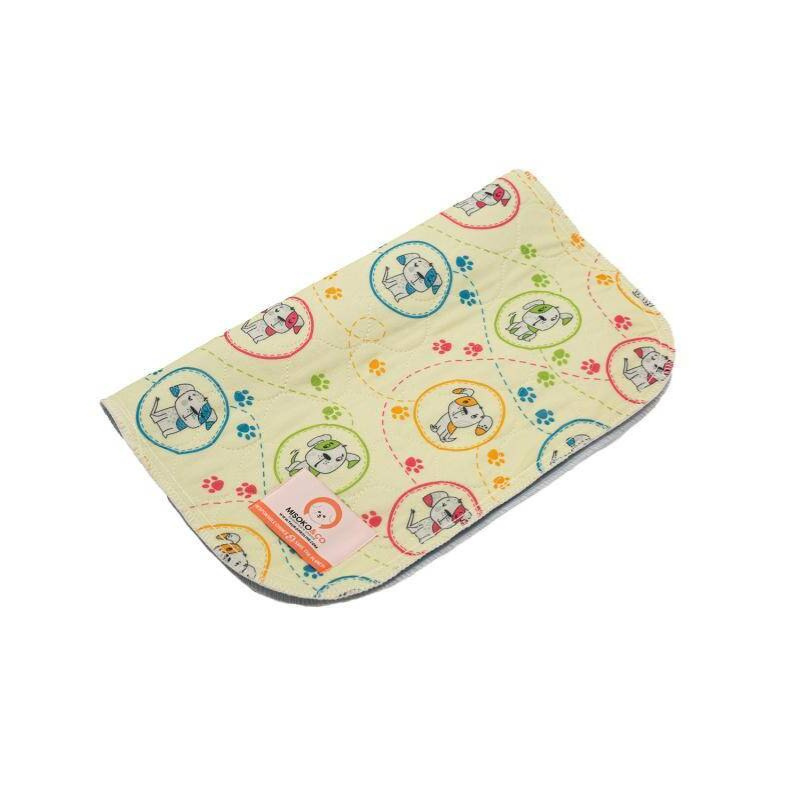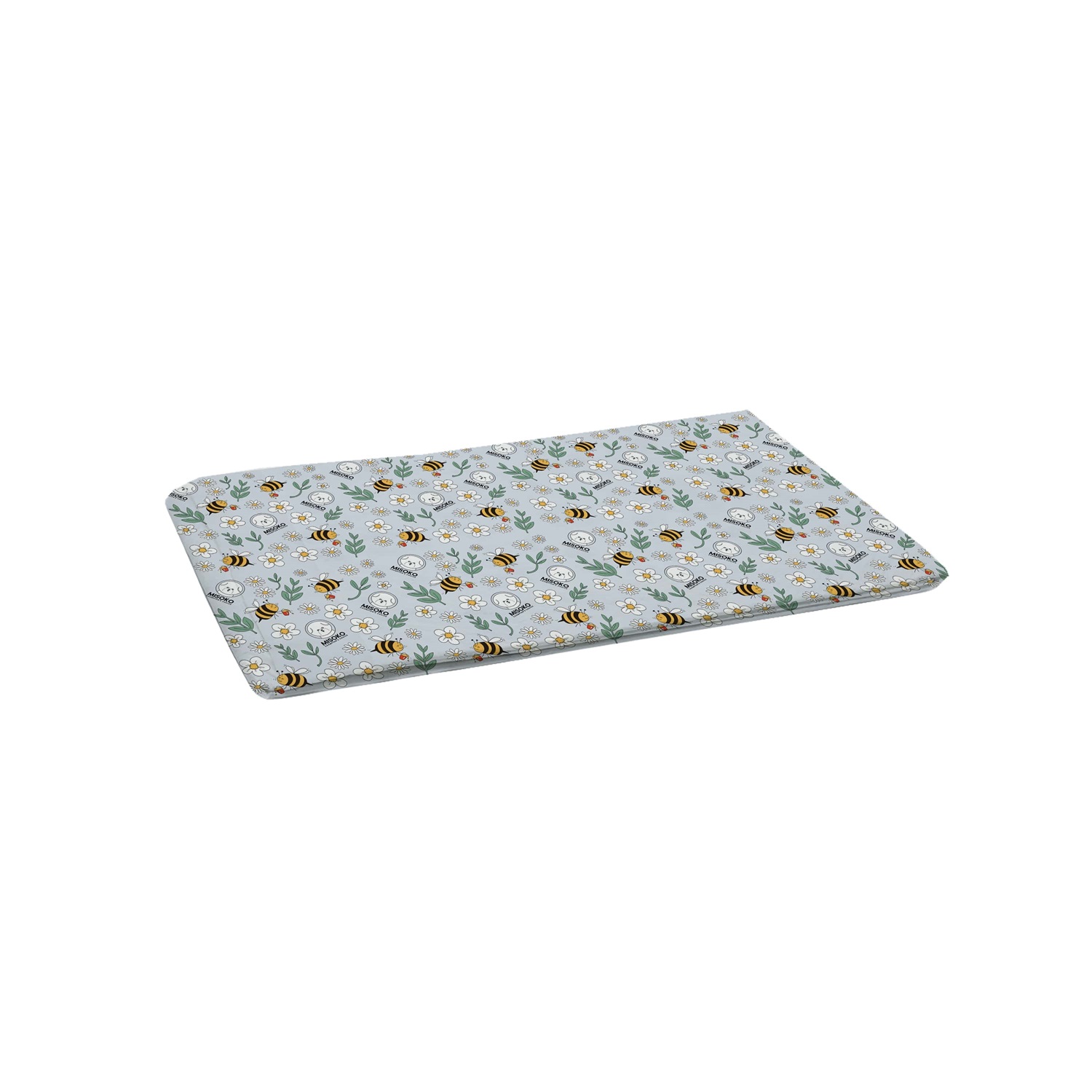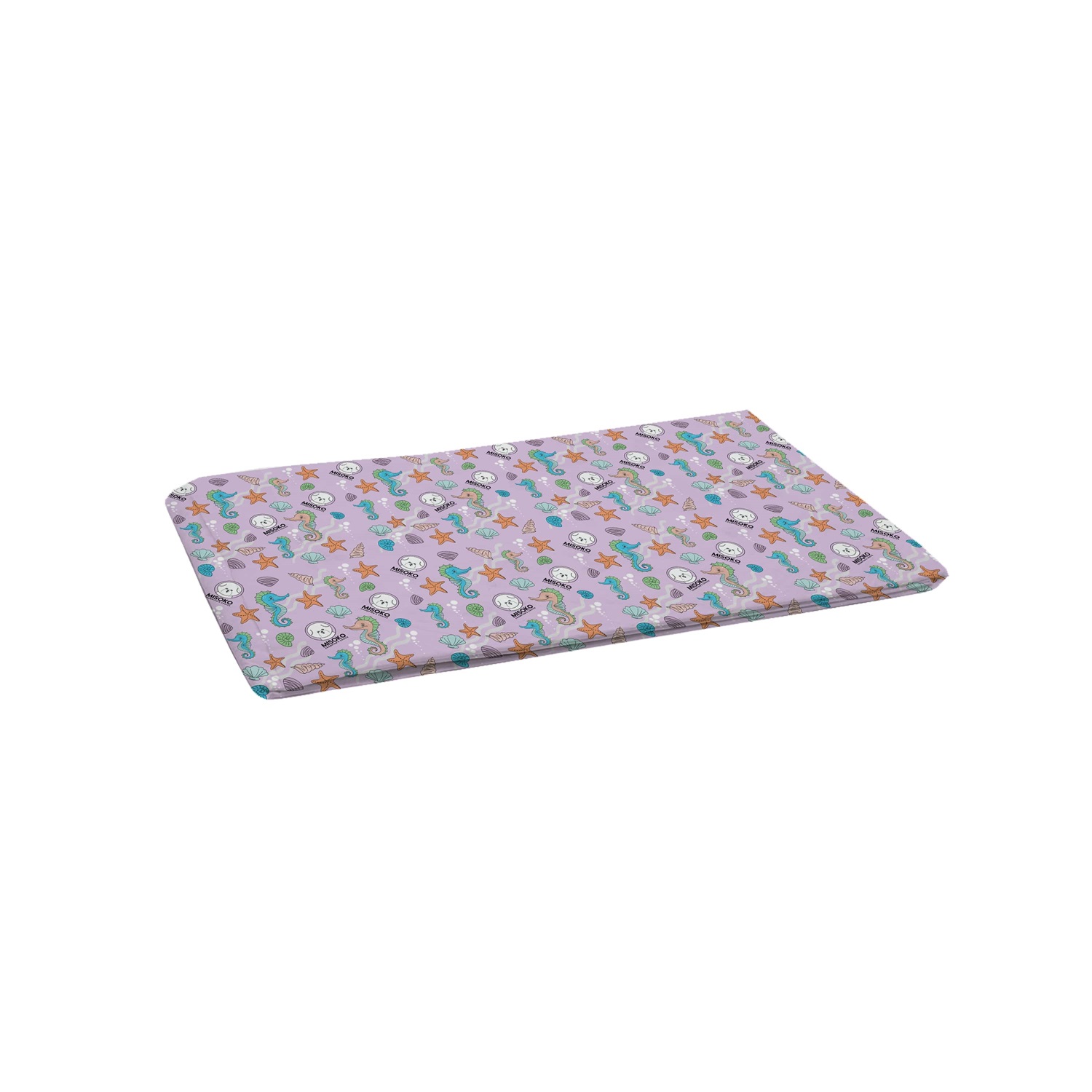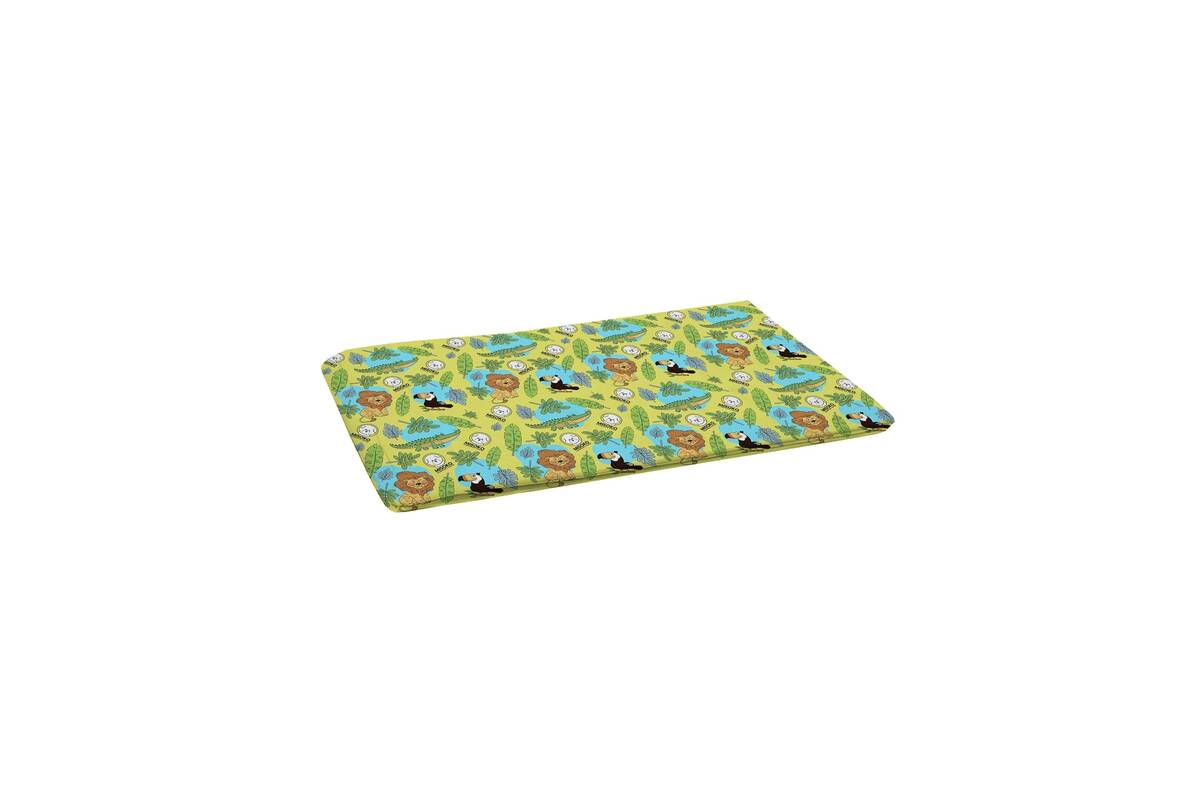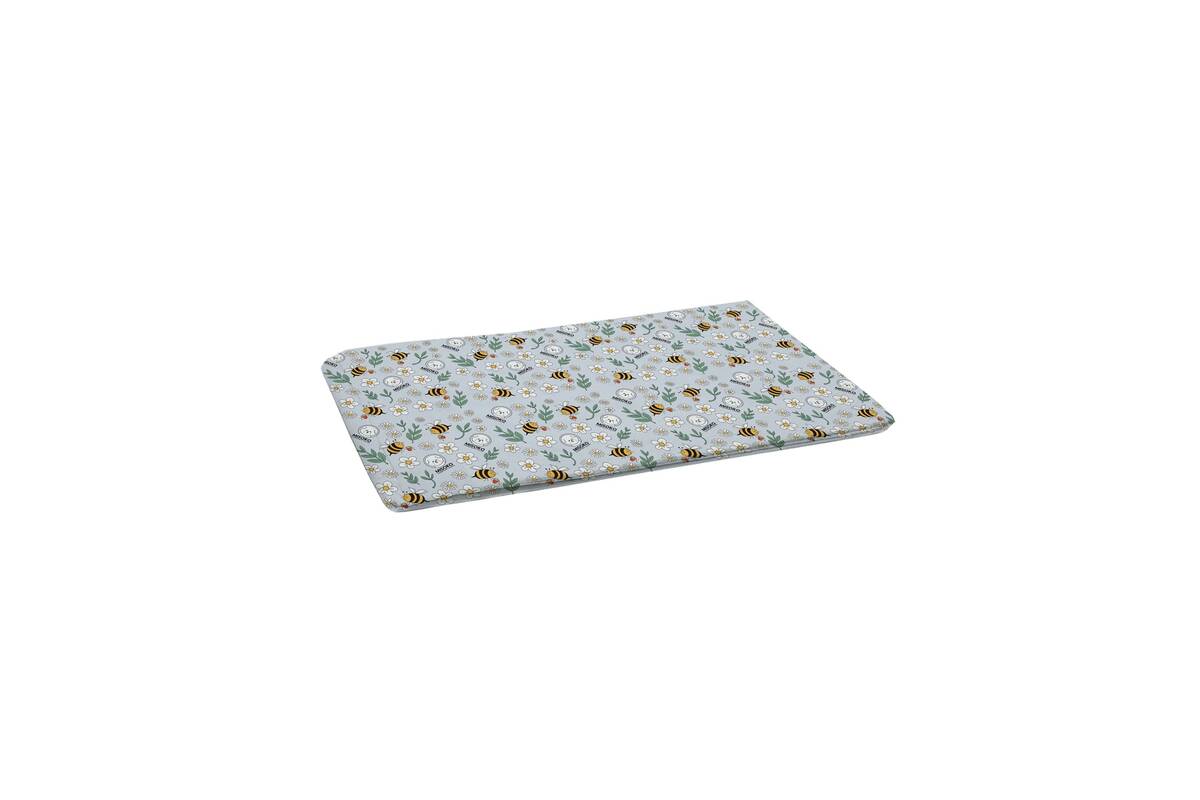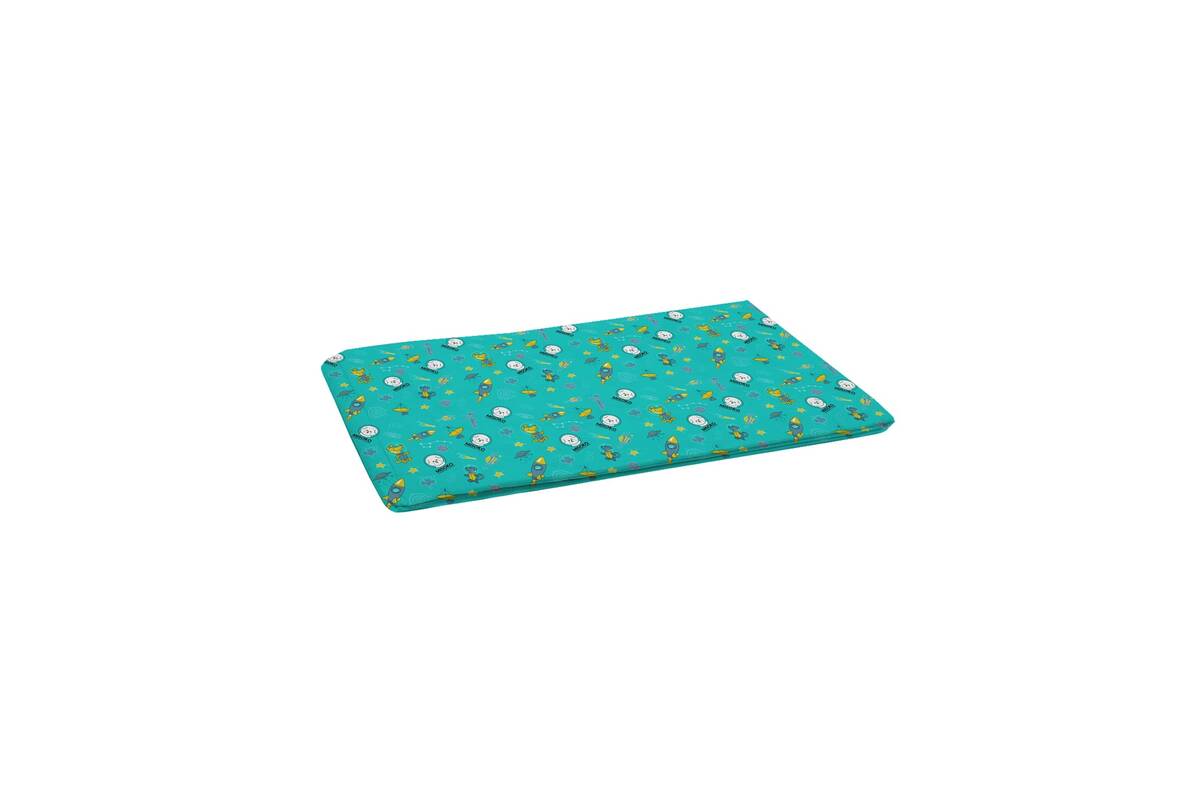

Pee pads are absorbent hygiene products designed to protect floors and create a clear indoor toilet area for pets. They are especially useful for puppy training, senior pets, small dogs, pets with limited outdoor access and households that need a convenient backup for accidents. A good pee pad helps absorb moisture, reduce mess and make cleanup easier.
This category is particularly helpful for owners building a consistent house-training routine. Pee pads can teach puppies where to go indoors before they are fully trained or before they are ready for regular outdoor walks. They can also be used in apartments, during bad weather, overnight or when a pet cannot go outside as often as usual. For older pets or pets with mobility issues, pee pads can provide a more accessible hygiene solution.
Pee pads and diapers are closely related but not the same. Pee pads are placed on the floor, in a crate area or in a designated toilet spot, while diapers are worn by the pet. Pee pads are often better for training and surface protection, while diapers are more useful for heat cycles, incontinence, travel or situations where accidents happen unpredictably.
When using pee pads, placement and consistency matter. Put the pad in the same area, guide your pet to it regularly and replace it when soiled. Over time, a clear routine can help reduce accidents and make indoor hygiene easier to manage.
Pee pads are used to absorb urine and protect floors from accidents. They are commonly used for puppies, senior pets, small dogs and pets that need an indoor toilet option. They can also be useful overnight, during bad weather or while travelling. Their main purpose is to make hygiene care cleaner and more manageable.
Yes, pee pads can help puppies learn where to go indoors. Consistency is important, so the pad should be placed in the same area every time and changed regularly. Rewarding the puppy after using the pad can also help build the habit. Over time, some owners transition from pads to outdoor toilet routines.
Choose a quiet, easy-to-access area that your pet can reach quickly. Avoid placing it too close to food and water bowls. Once your pet understands the location, try not to move it too often. Frequent changes in placement can make training more confusing.
Pee pads should be changed when they are wet, soiled or starting to smell. Some pets will avoid using a dirty pad. In multi-pet homes or during puppy training, you may need to change pads more often. Keeping the area clean helps maintain the habit.
Yes, many owners use both. Pee pads can protect floors and create a toilet area, while diapers offer extra protection when accidents may happen away from the pad. This combination can be useful for senior pets, heat cycles, travel or overnight routines. Choose based on the situation rather than relying on only one solution.
The pad may be too small, poorly placed or not clearly established as the toilet area. Some pets stand on the pad but urinate near the edge, so using a larger pad or multiple pads can help. Make sure the pad is easy to access and not moved too often. Reward correct use to reinforce the behavior.
You can if they fit your pet’s lifestyle and household needs. Some owners use them long-term for small dogs, seniors or pets in apartments. Others use them temporarily during training, recovery or bad weather. The right choice depends on your pet’s routine and your hygiene goals.