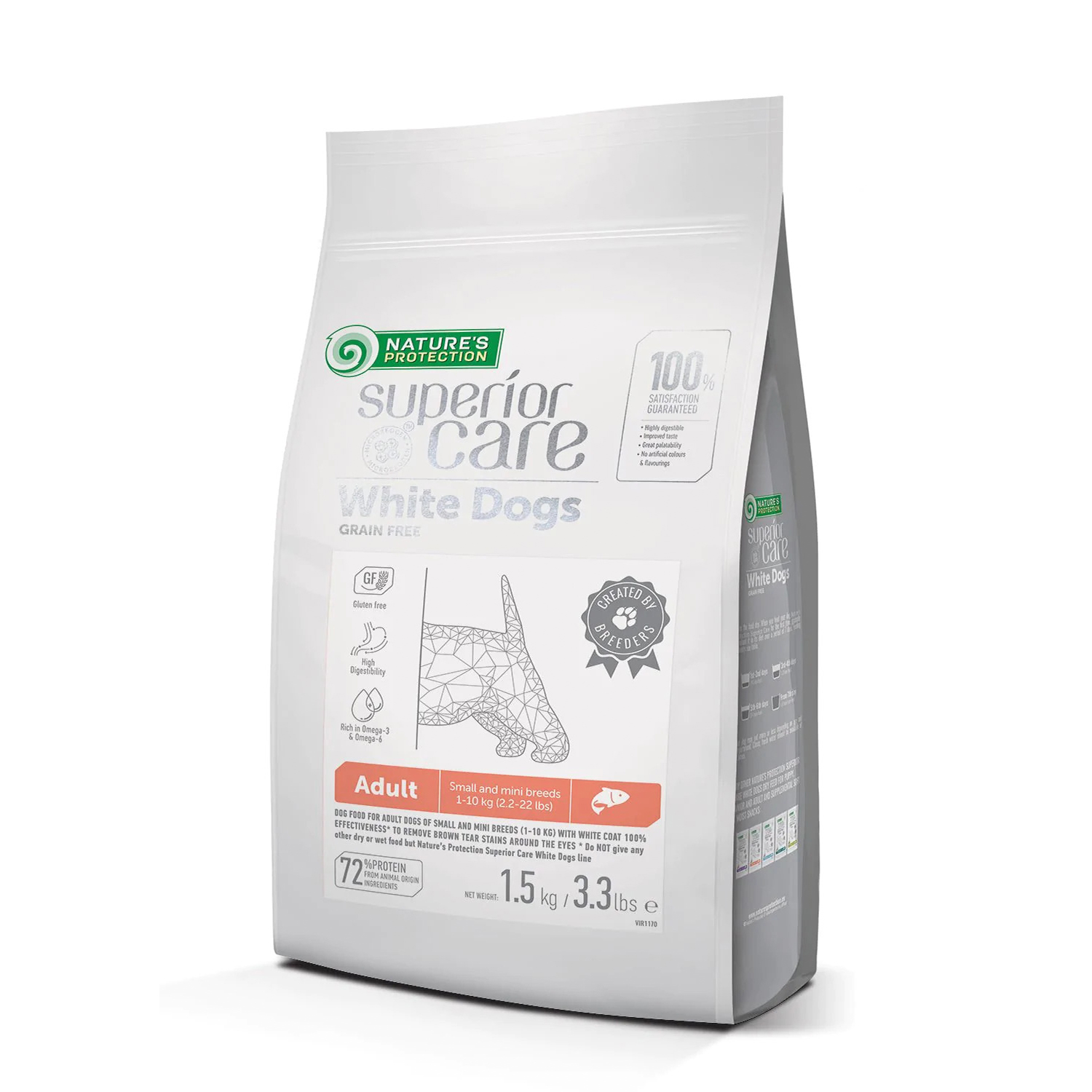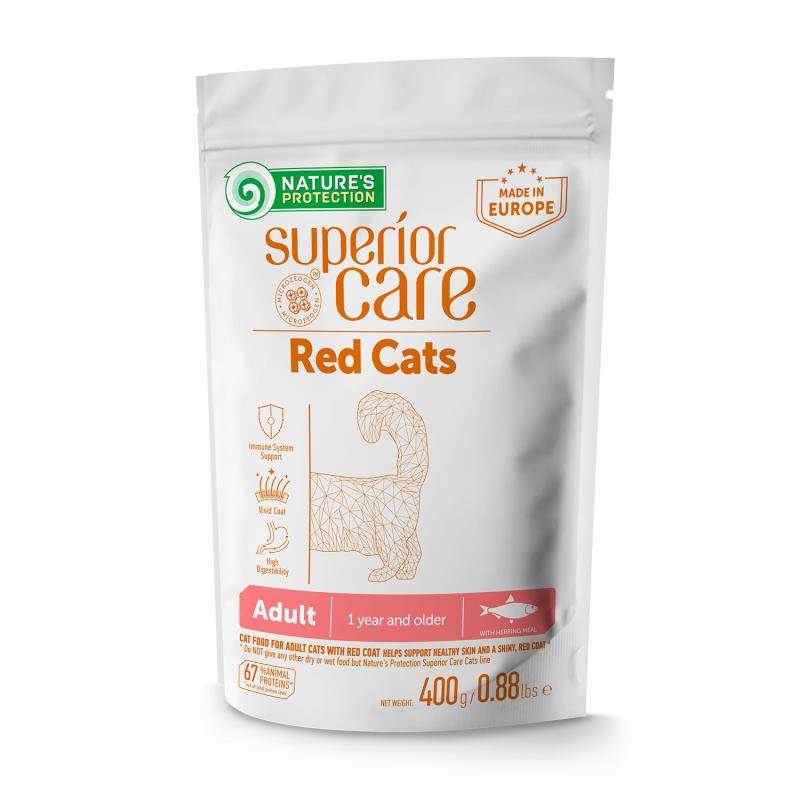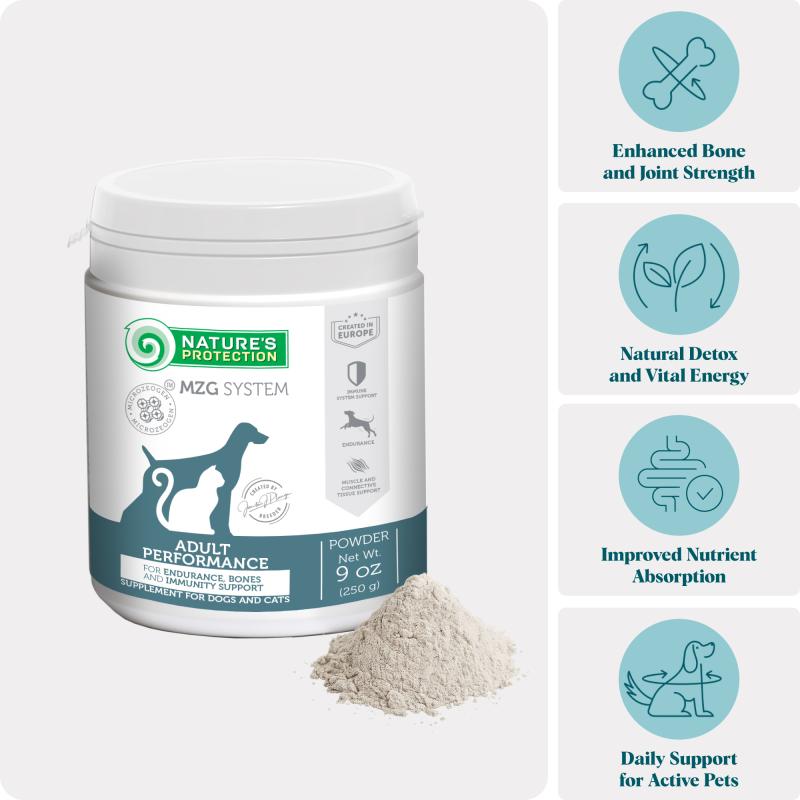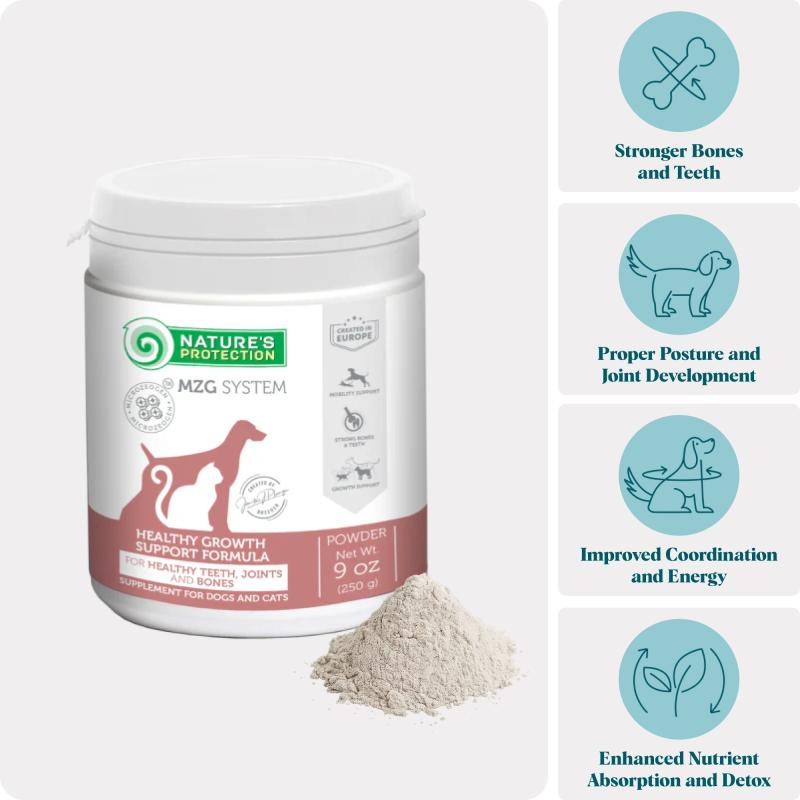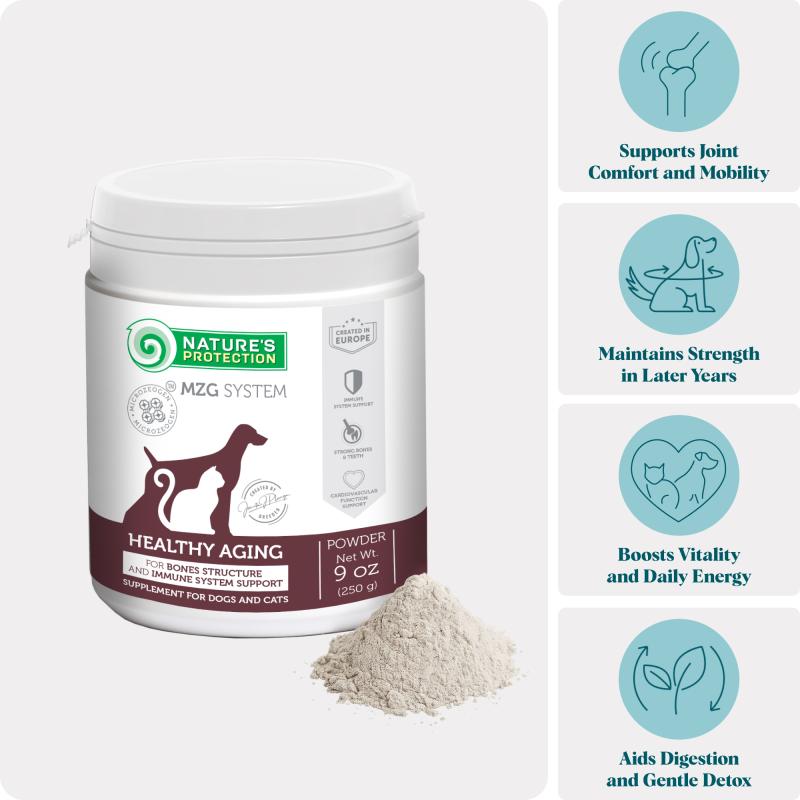

Pet supplements are designed to provide extra nutritional support alongside a balanced diet. They can be useful for pets with specific life-stage needs, active routines, joint support goals or age-related changes. This category includes mineral-rich formulas for puppies, active adult pets and senior pets, with products focused on areas such as bone strength, teeth, mobility, nutrient absorption and daily energy.
Supplements should not replace complete meals, but they can complement a suitable feeding routine when extra support is needed. For growing pets, a puppy-focused mineral supplement may help support healthy development. For active adults, performance-focused formulas may support strength and everyday vitality. For senior pets, supplements may be chosen to help maintain comfort, mobility and general wellbeing.
The right supplement depends on age, diet, health status and activity level. Not every pet needs additional supplementation, especially if they already eat a complete and balanced food. However, supplements can be helpful when a pet has increased needs or when a veterinarian, breeder or pet care professional recommends extra support.
When choosing a supplement, look at the intended life stage, feeding instructions and how it fits with your pet’s current diet. If your pet has a medical condition, takes medication or follows a strict diet, ask a veterinarian before adding supplements.
Pet supplements are used to provide additional support for specific needs such as bones, joints, teeth, growth, mobility, digestion or daily vitality. They are added alongside a complete diet by mixing it into your pet's daily food. The goal is to support areas that may need extra attention, not replace proper food. Different formulas are made for different life stages.
No, many pets do well on a complete and balanced diet without ever needing extra supplements.
Yes, supplements can be mixed with regular food - both dry and wet food. This makes them easier to serve, especially for pets that dislike taking anything separately. Make sure the full portion is eaten so the pet receives the correct amount of supplements.
Senior pets may benefit from formulas focused on joint comfort, mobility, bone support and daily energy. The right choice depends on the pet’s age, condition and diet.
Puppies should use supplements made for growth and development when supplementation is needed. Adult formulas may not match the needs of a growing pet. Too much of certain minerals can also be a problem, so more is not always better. Choose life-stage appropriate products and ask a veterinarian if unsure.
No, supplements are not a substitute for diagnosis or treatment. If your pet has pain, limping, weakness, digestive problems or sudden changes in behavior, speak with a veterinarian. Supplements can support wellbeing, but they should not be used to hide symptoms. They work best as part of responsible care.
It depends on the supplement and the reason for use. Some benefits may be subtle and gradual rather than immediate. Consistent use according to the instructions is usually important. If you see no improvement or your pet reacts badly, stop using the supplement and seek advice from a veterinarian.