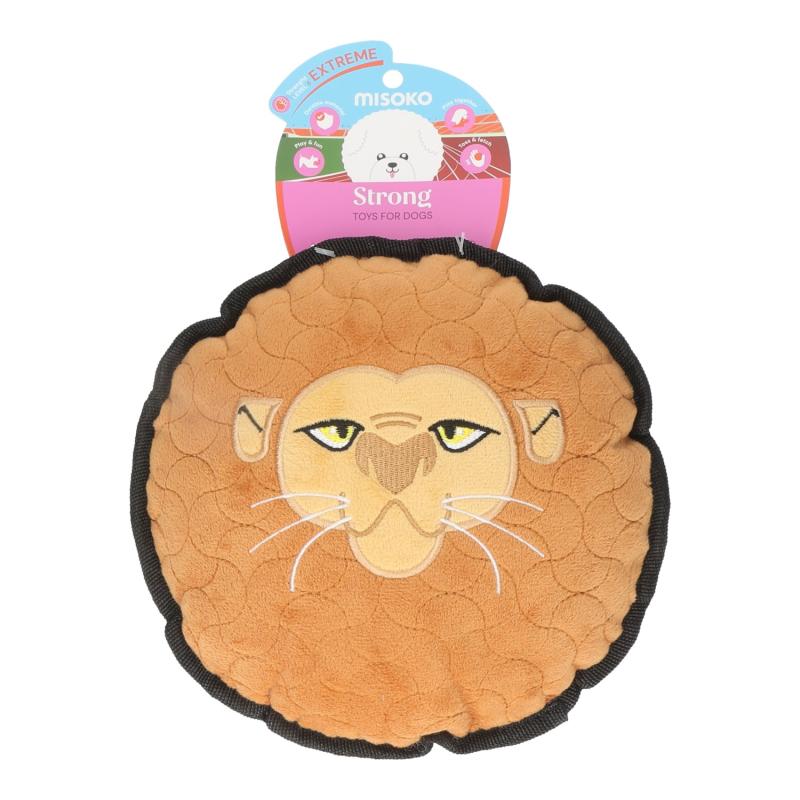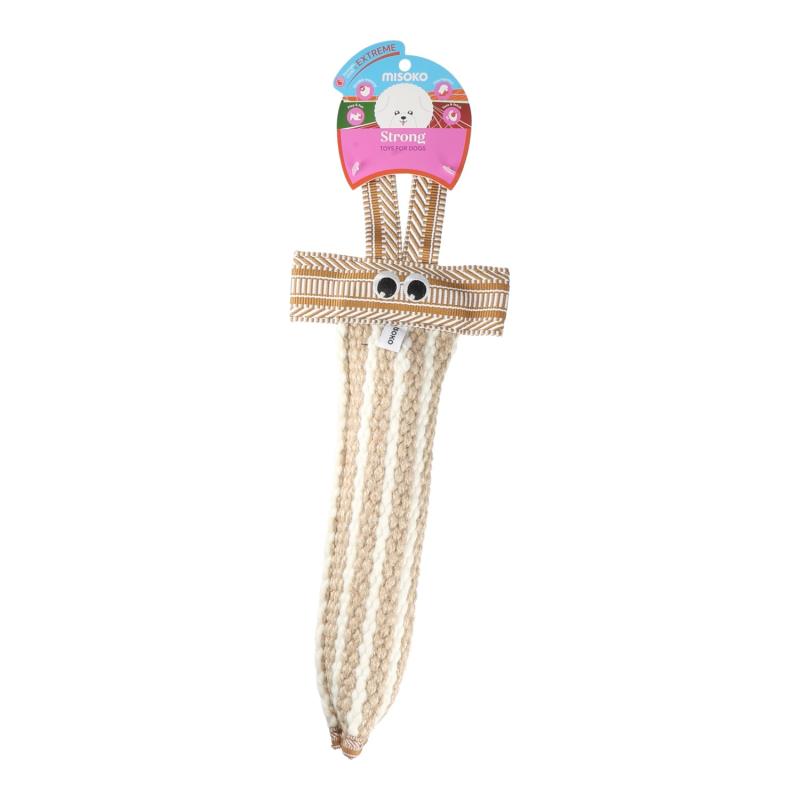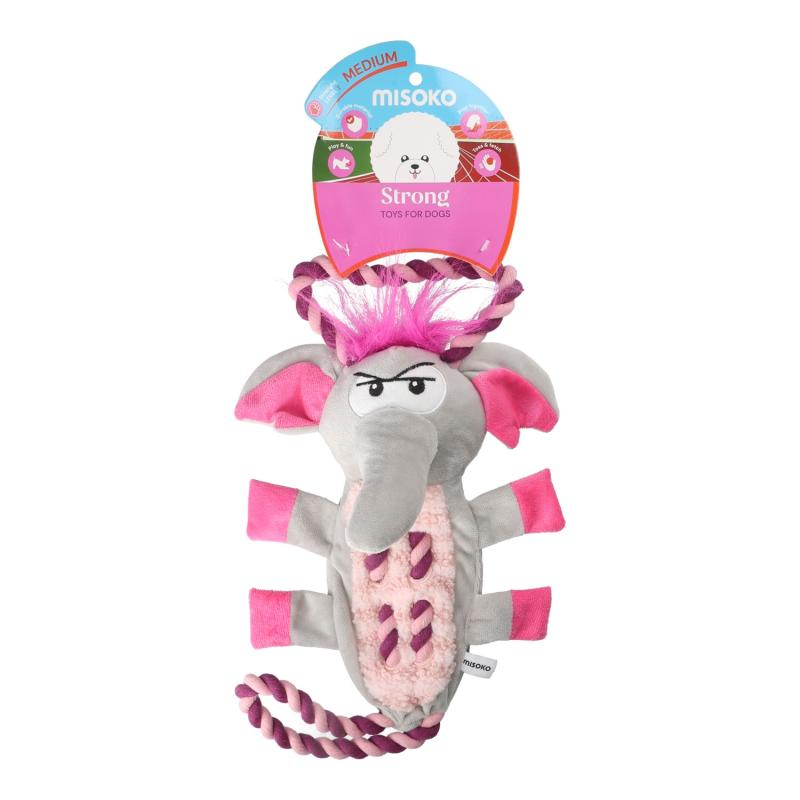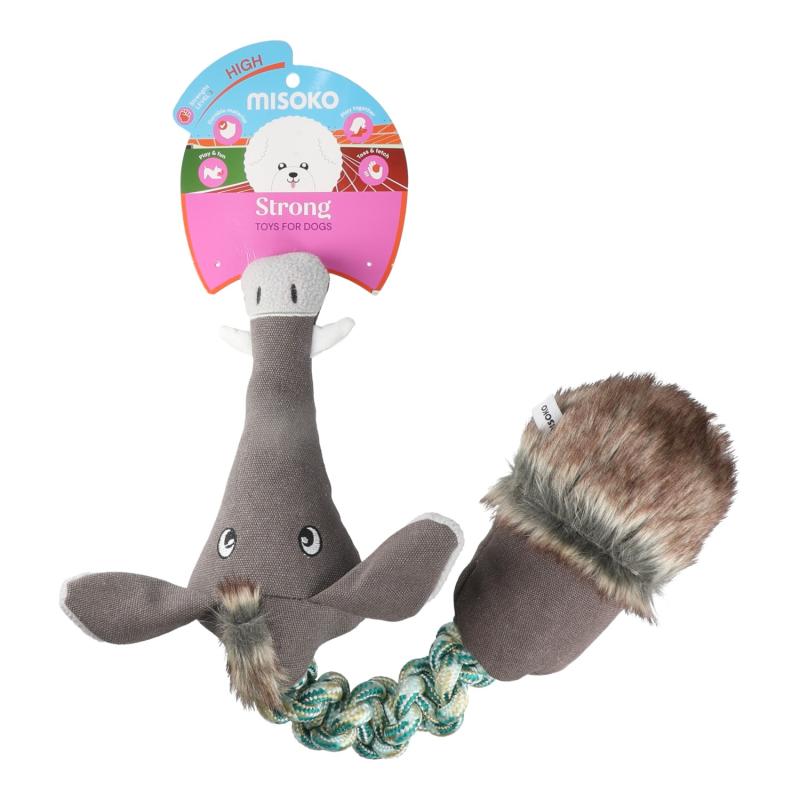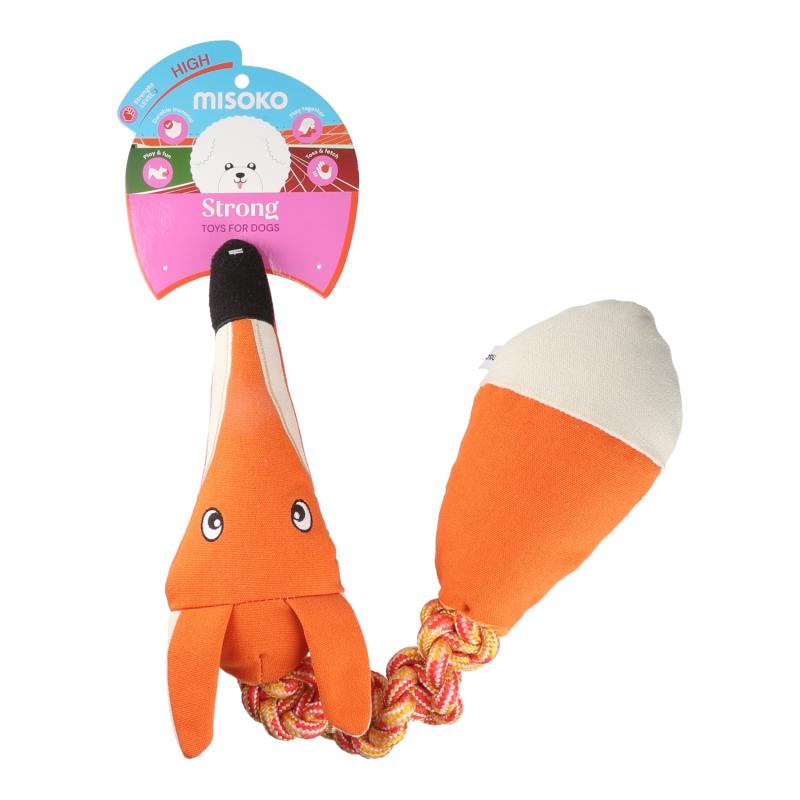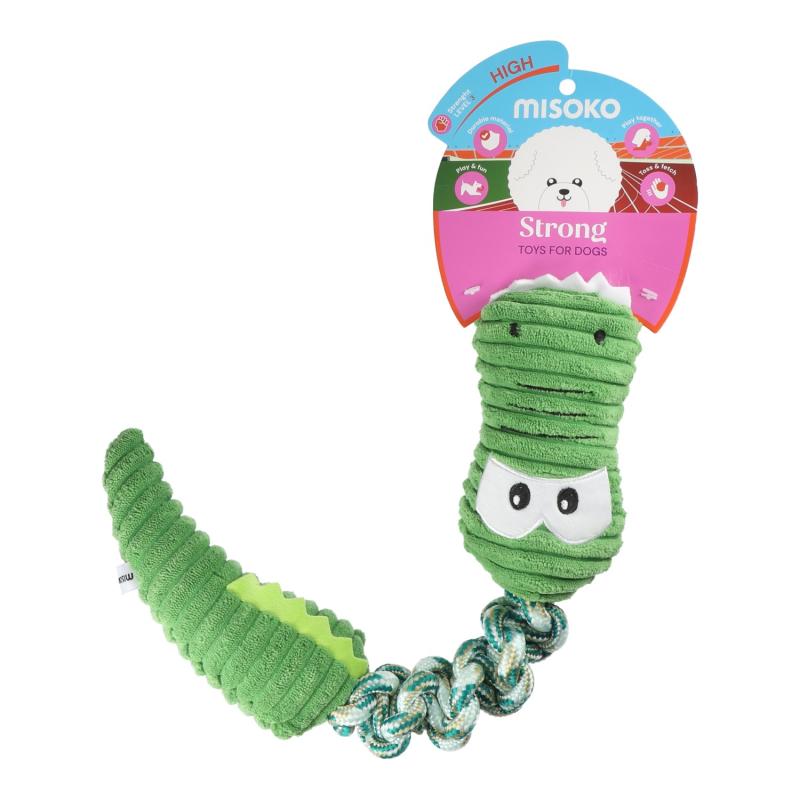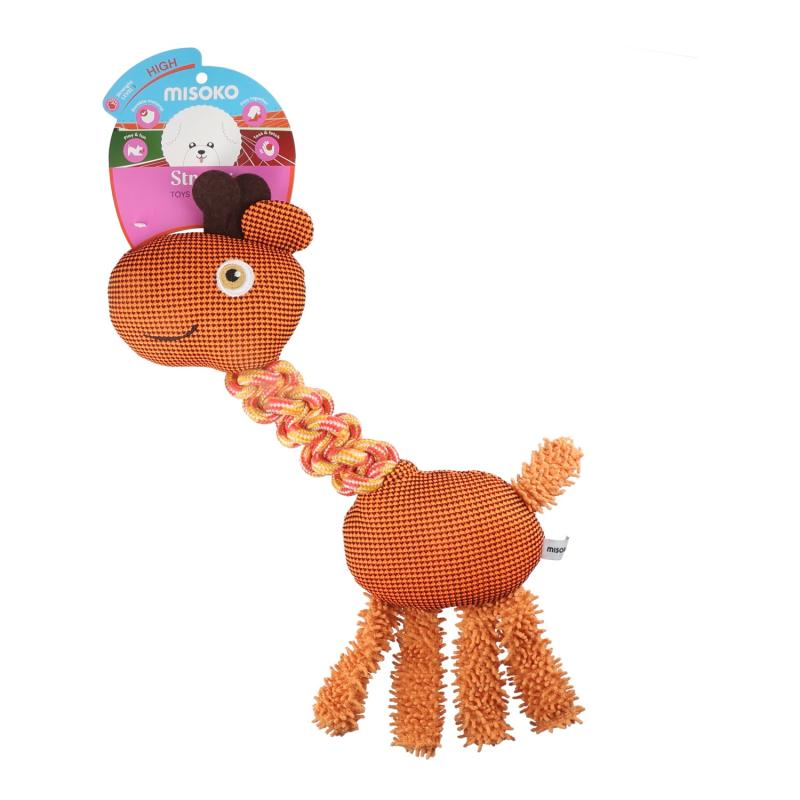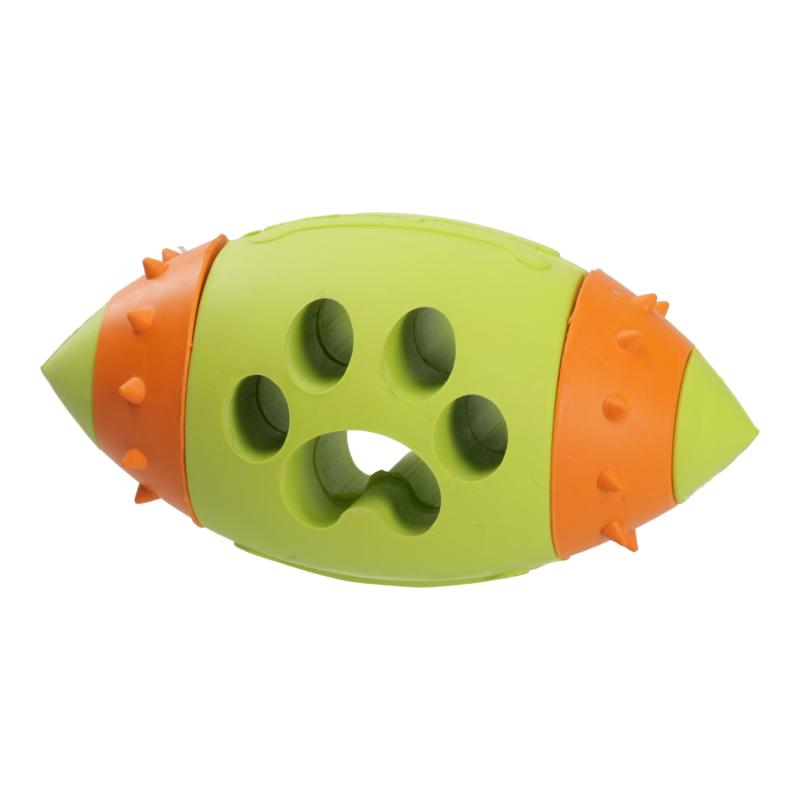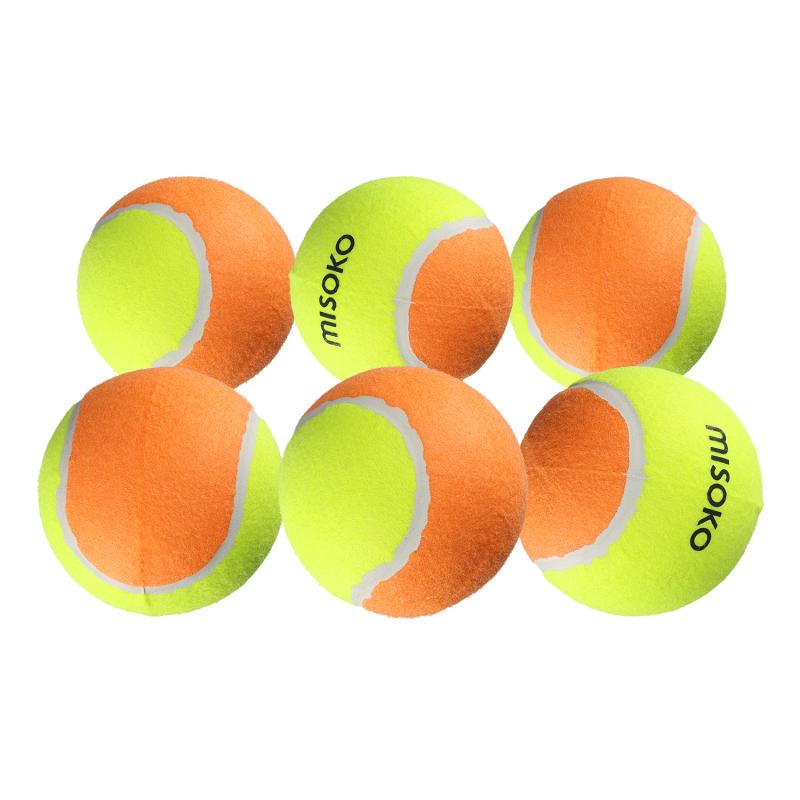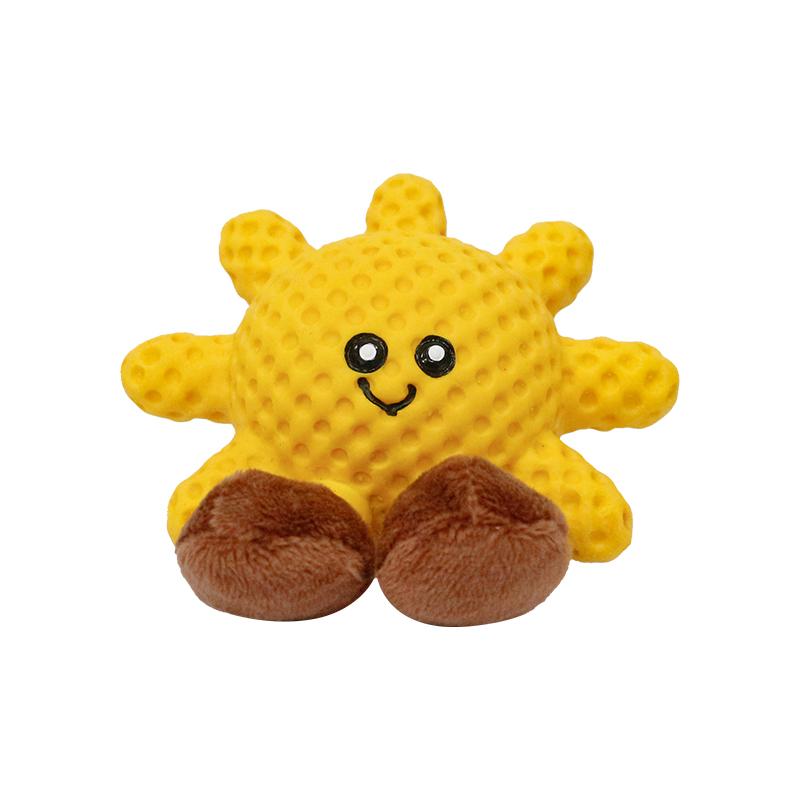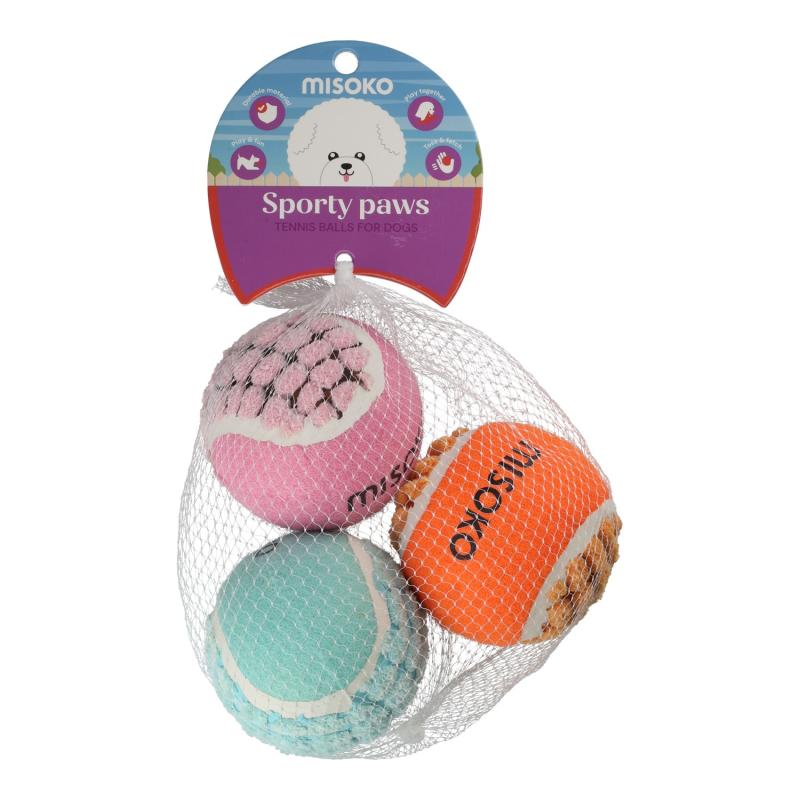

Pet toys are an important part of everyday care, helping keep dogs and cats active, entertained and mentally engaged. The right toy can encourage movement, reduce boredom, support training and give your pet a healthy outlet for natural behaviors such as chewing, chasing, fetching, pouncing or problem-solving. Whether your pet is playful, energetic, anxious, curious or simply enjoys carrying something around the home, toys can make their daily routine more enriching.
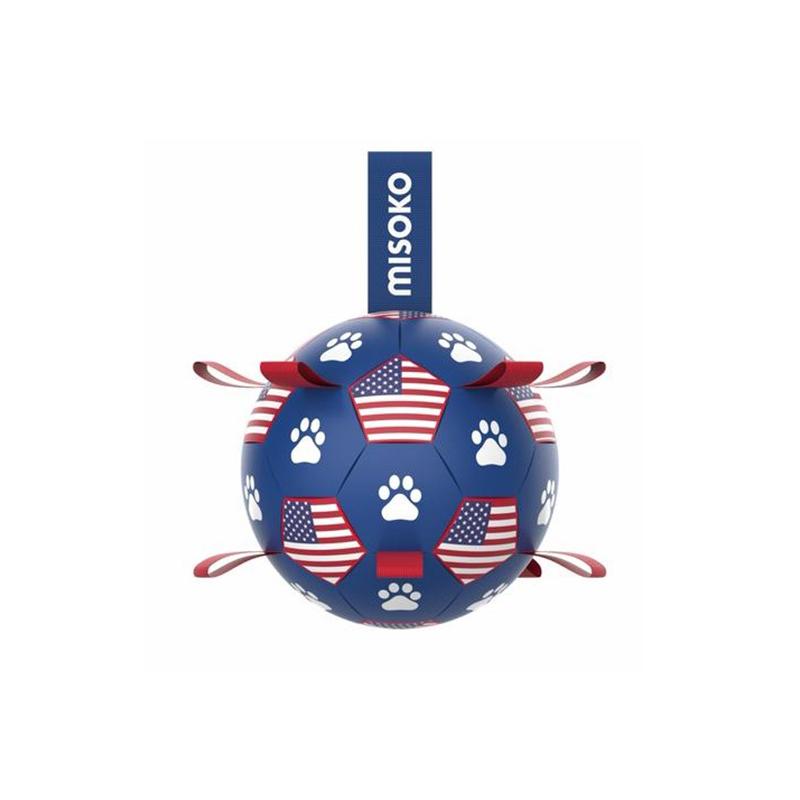
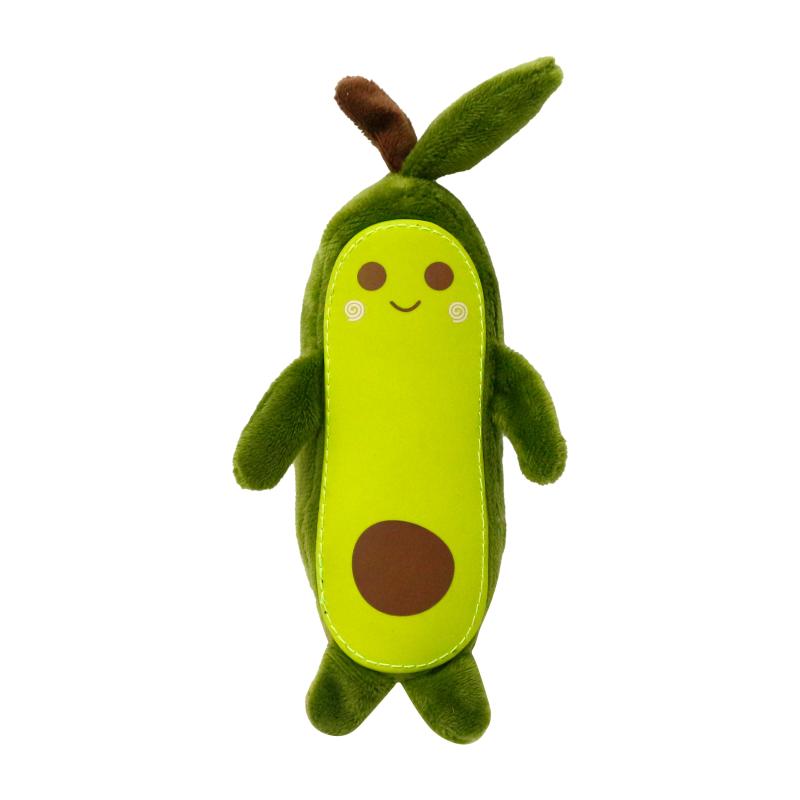
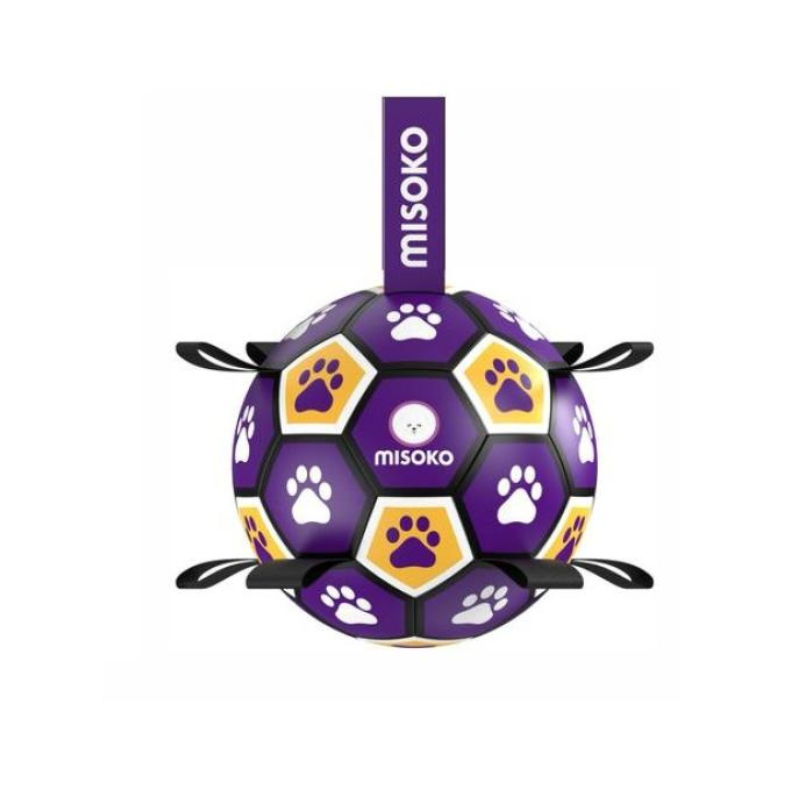
Different pets enjoy different types of toys. Some prefer soft plush toys for comfort and gentle play, while others need stronger chew toys that can handle more active use. Interactive toys can keep pets busy for longer, especially when they involve treats, sounds, movement or problem-solving. Balls, ropes and fetch toys are useful for exercise and bonding, while cat toys often focus on movement, texture and hunting-style play.
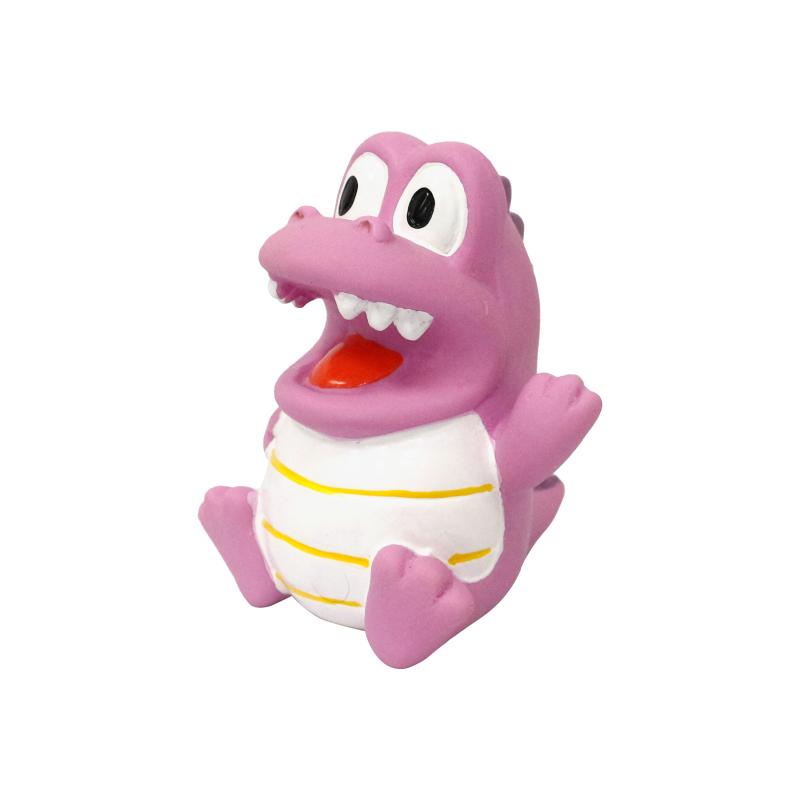
When choosing toys, safety and suitability are just as important as fun. The toy should match your pet’s size, chewing strength and play style. A toy that is too small may be unsafe, while one that is too hard or heavy may not be enjoyable. Pets that chew aggressively should be supervised and given durable toys that are designed for stronger play.
Toys are also useful for building positive routines. They can help redirect unwanted chewing, make training more rewarding and give pets something constructive to do when they need stimulation. With the right selection, toys become more than accessories - they become part of your pet’s physical, mental and emotional wellbeing.
$19.99
$4.99
$19.99
$24.99
$12.99
$11.99
$10.99
$10.99
$11.99
$5.99
$4.99
Start with your pet’s size, age and play style. A gentle pet may enjoy plush toys, while a stronger animal that enjoys chewing may need something more durable. Active pets often benefit from fetch, tug or interactive toys that encourage movement. If your pet loses interest quickly, try rotating toys instead of leaving all of them out at once.
Dogs that chew heavily usually need durable chew toys designed for stronger jaws. Avoid toys that are too soft, too small or easy to break apart. Supervision is important, especially when introducing a new toy. If pieces start coming loose, replace the toy immediately.
Many cats enjoy toys that move, make noise or mimic prey behavior. Wand toys, balls, soft toys and interactive toys can all be useful depending on the cat’s personality. Some cats prefer short, fast play sessions rather than long ones. Offering variety can help keep them interested.
Yes, toys can help reduce boredom by giving pets something to do. Puzzle toys and treat-dispensing toys are especially useful because they encourage pets to think and work for a reward. Active toys can also help burn energy. However, toys work best when combined with attention, exercise and a consistent routine.
Some pets need time to get used to a new toy. Others may not like the texture, size, sound or movement. You can try using the toy during play with you, adding treats where appropriate or introducing it for short sessions. If your pet still ignores it, the toy may simply not match their play style.
Interactive toys can be very useful for pets that need mental stimulation. They are especially helpful for pets that spend time alone or become bored easily. Start with easier options before moving to more difficult puzzle toys. Frustration can happen if the toy is too challenging at first.
Yes, toys can be used as rewards during training, especially for pets that are motivated by play. Some dogs respond better to a ball or tug toy than to food. Toys can also help teach impulse control, recall and focus. Make sure you keep training sessions short and positive.