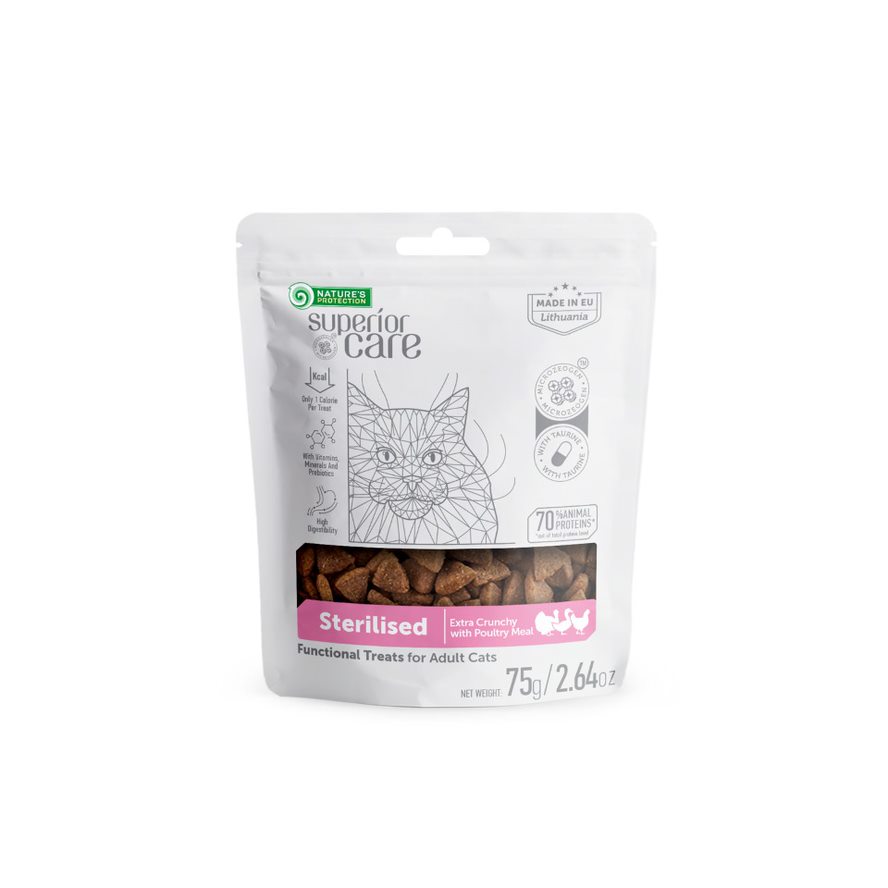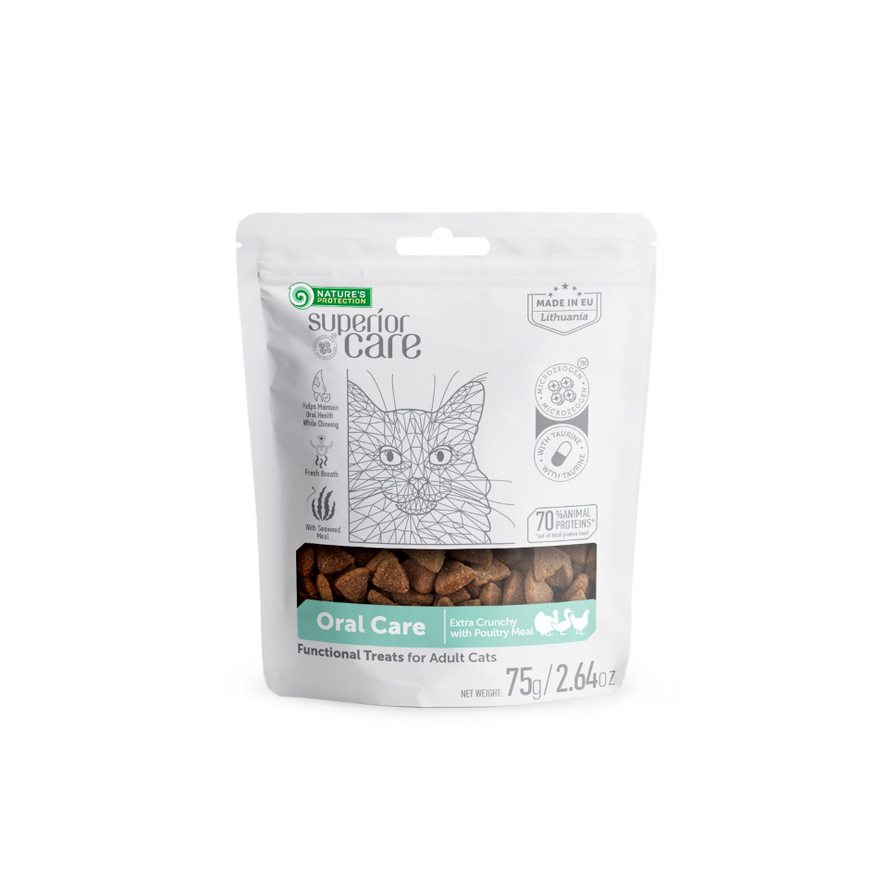
Cat treats are a simple way to reward, bond with and enrich your cat’s daily routine. They can be used during play, training, grooming, nail care or as a small snack between meals. While cats are often seen as independent, many respond well to treats when they are used consistently and in moderation, which makes them perfect for encouraging positive behavior, helping cats accept new routines or making interactive toys more engaging.
Cat treats should complement a balanced diet rather than replace it. Your cat’s main nutrition should come from complete meals such as dry cat food or wet cat food. Treats should be kept to a small part of daily intake, especially for indoor cats or cats prone to weight gain. If your cat is on a special diet, has allergies or has digestive sensitivities, choose treats carefully and check the ingredients.
Treats can also make care routines easier. A small reward after brushing, carrier training or nail trimming can help create a more positive association. The best cat treats are appealing, suitable for your cat’s needs and used in a way that supports a healthy routine rather than disrupting it.
Treats should make up only a small part of your cat’s daily calories. The exact amount depends on your cat’s size, weight, activity level and main diet. Indoor cats may need stricter portion control because they often burn fewer calories. It’s recommended to give your pet no more than 10% of daily caloric intake in treats, which for an indoor cat ends up being around 20-30 calories worth of treats.
Yes, treats can be very useful for training cats. They can help reward behaviors such as coming when called, using a carrier or accepting grooming.
Picky cats often respond to treats with a strong smell or softer texture. However, every cat has different preferences. You may need to try a few options before finding one your cat enjoys. Introduce new treats slowly to avoid digestive upset.
Kittens can have treats if the product is suitable for their age. Treats should be small, easy to chew and given in very limited amounts. Their main nutrition (at least 90%) should come from complete kitten food.
Yes, treats can help create a better association with grooming tasks. Give a small reward during or after calm behavior. Over time, this can make brushing, handling or nail care easier. For nervous cats, start slowly and reward even small progress.
Stop giving that treat and return to your cat’s normal diet. If symptoms are mild, they may settle once the treat is removed. Introduce new treats slowly in small amounts next time. If vomiting, diarrhea or appetite changes continue, contact a veterinarian.