Cat Shampoo at Home: How to Bathe a Cat Safely Without Stress
14 Jun 2026
Many cats groom themselves a lot. So, many cat owners wonder if they need to bathe their cats. Cats are clean animals, but sometimes a bath is needed. It can help keep their coat and skin healthy. The key is knowing when to bathe your cat. Use the right products and make it stress-free.
In this guide, you’ll discover how to safely shampoo your cat at home. You’ll find out what type of cat shampoo to use. Plus, we’ll cover tips for bath time if your furry friend doesn’t like water.
Does Your Cat Really Need a Bath?
Often, healthy cats do not need regular baths. Their tongues are designed to remove dirt, loose fur, and debris from their coats. However, there are certain situations in which bathing a cat at home can be beneficial.
Cats may need a bath if they get into something sticky, dirty, or potentially harmful. Long-haired breeds may benefit from occasional baths. This helps manage their coats and reduce matting. Cats with specific skin issues might need medicated shampoos. Always follow your vet's advice.
Before deciding to bathe your cat, consider its age, health, and temperament. Senior cats, kittens, and cats with health issues need extra care. They might also need professional grooming help.
Get Everything Ready Before Bath Time
Preparation can make a huge difference in how smoothly bath time goes. Get everything ready before you bring your cat to the bath. This makes it easier for both you and your pet.
Choose a small, quiet space such as a bathroom or laundry room where your cat cannot easily escape. Fill a sink or tub with a few inches of lukewarm water before bringing your cat in. Water that is too hot or too cold can make the experience uncomfortable.
You'll also want a cat-safe shampoo, several soft towels, and a non-slip mat to help your cat feel more secure. Brushing your cat before the bath helps get rid of loose fur and tangles. This makes washing easier.
Keeping the environment calm and speaking in a gentle voice can help your cat feel safer during the bath.
Choosing the Right Shampoo for Your Cat
Choosing the right shampoo is one of the most important parts of bathing a cat safely. Cats have sensitive skin. Using the wrong product can lead to irritation, dryness, or allergies.
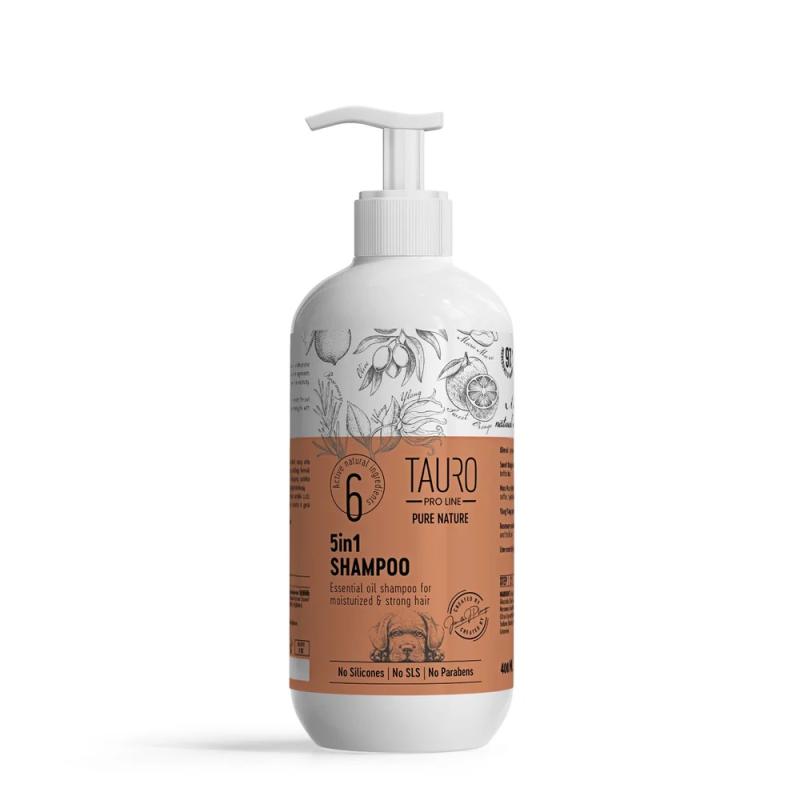
A shampoo specifically formulated for cats is always the best choice. These products are designed to match the natural pH balance of a cat's skin and coat. You might need different types of cat shampoos based on your cat's needs. Consider moisturizing shampoos, hypoallergenic formulas, deodorizing options, or medicated products suggested by vets.
Human shampoo should never be used on cats. Gentle formulas made for humans can still harm a cat's skin barrier. This can lead to discomfort. Dog shampoo should also be avoided unless the label clearly states it is safe for cats.
If you're not sure which shampoo to choose for your cat, ask your vet. They can recommend the best option based on your cat's age, skin condition, and coat type.
A Simple Guide to Bathing Your Cat Safely
Start by gently placing your cat into the prepared bathing area. Keep one hand on your cat for reassurance and stability. Using a cup or handheld sprayer on a low setting, slowly wet the coat while avoiding the eyes, ears, and nose.
Apply a small amount of cat shampoo and massage it gently through the fur. Work from the neck down, paying attention to dirty areas without scrubbing too aggressively. Most cats tolerate a gentle touch much better than vigorous rubbing.
Once the shampoo has been distributed evenly, rinse thoroughly with lukewarm water. Any shampoo left behind can irritate the skin, so take your time during this step.
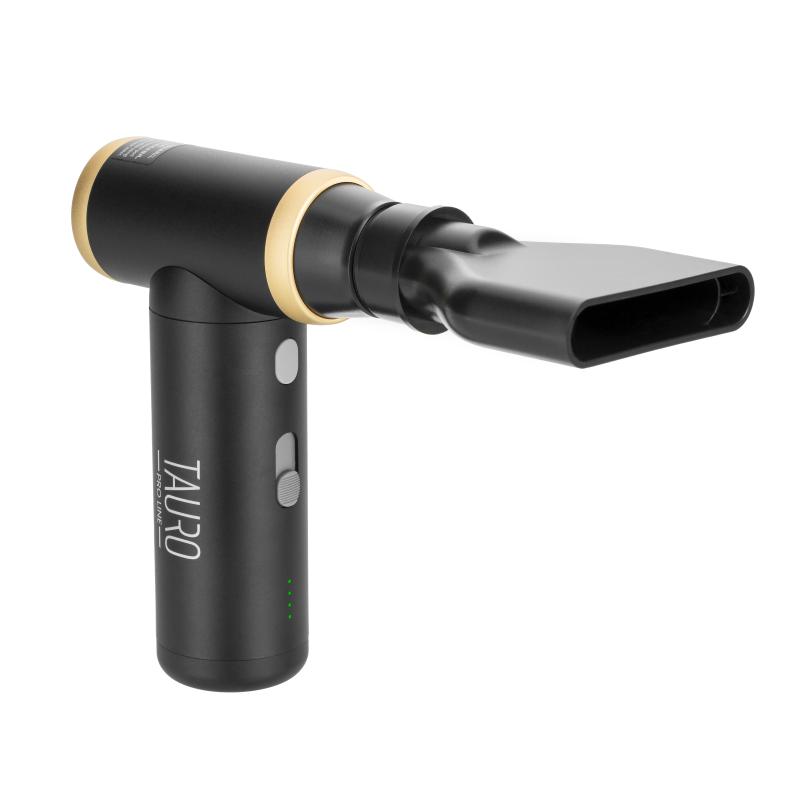
After rinsing, wrap your cat in a soft towel and gently blot away excess moisture. Avoid rubbing the fur harshly. Some cats can handle a pet-safe dryer on low. Others prefer to air-dry in a warm room.
Giving treats and praise after a bath can help make future grooming sessions more enjoyable.
How to Handle a Cat That Hates Water
Many cats dislike water, but that doesn't mean bath time has to be a struggle. Patience and gradual exposure can make a significant difference.
If your cat becomes anxious, try introducing them to the bathing area before the actual bath. Allow them to explore the sink or tub without water and reward calm behavior with treats. Over time, this can help reduce fear.
Keeping bath sessions short can also improve cooperation. The less time your cat spends in the water, the less stressful the experience is likely to be. Staying calm yourself is equally important, as cats can pick up on your emotions.
For cats that dislike baths, try waterless cat shampoos or grooming wipes. These can keep them clean between baths. In extreme cases, professional groomers or veterinary clinics can provide safe bathing services.
Situations When You Should Skip the Bath
Bathing can be helpful sometimes, but there are times to skip it.
Very young kittens may have difficulty regulating their body temperature after a bath. Sick cats, those recovering from surgery, or stressed ones should wait on bath time. It’s best to let them feel healthy and comfortable first.
If your cat has skin irritation, open wounds, or an unknown skin issue, see a vet first. Don’t use any shampoo until you consult them. Some skin issues can worsen if treated incorrectly.
You should also avoid bathing your cat too frequently. Bathing too much can remove natural oils from the coat and skin. This can cause dryness and irritation.
Bathing a cat at home doesn't have to be stressful. You can safely clean your cat with a calm approach and the right shampoo. Prepare well to keep them comfortable during the process. Most cats don’t need regular baths, so only bathe them when it’s necessary. Always focus on your pet's comfort and well-being.
Kamilė Ausmanė is a veterinarian, Head of Pharmacy at the KIKA retail network, instructor and head of Tauro Grooming Academy, and President of the Pet Grooming Specialists’ Board of the Lithuanian Kennel Club. She earned her veterinary degree from the Lithuanian University of Health Sciences in 2014, but has been actively involved in dog grooming and dog shows for 17 years. The knowledge she has gained over the years allows her to take a broader approach to pet care, considering not only the appearance of the coat but also the importance of skin health, hygiene, and the animal’s overall well-being. She specializes in grooming Bichon Frises, Maltese dogs and Pomeranians, teaches both aspiring and practicing professionals, and conducts seminars in Lithuania and abroad. Kamilė also participates in dog grooming competitions, while the dogs she has groomed have won numerous World and European Championship titles.
Master's Degree (MSc) in Veterinary Medicine
— Lithuanian University of Health Sciences
Skills:
Veterinary medicinePreventive pet healthcareDog groomingPet skin and coat healthPet hygienePet showsBichon Frise groomingMaltese dog groomingPomeranian grooming






.jpeg)