Feeding Puppies with Diarrhea: Gentle Diets for Delicate Tummies
12 Jul 2024
A puppy with diarrhea is one of the scariest things a pet owner can experience. They're so little, they don't have much nutrition to spare. It's also slightly heartbreaking to see a furry member of your family not feeling well.
There's no need to worry when you know what to feed a puppy with diarrhea, though. There are all sorts of safe, soothing puppy diets for when your puppy's tummy isn't feeling good. Nature's Protection offers specially formulated diets designed to support digestive health, ensuring your puppy receives the necessary nutrients while recovering. To help your pup get better as quickly as possible, we've put together a thorough guide for dietary care for puppies for when they're feeling under the weather.
Here's what you need to know about puppy dietary treatment when they're suffering from diarrhea.
Understanding Puppy Diarrhea: Causes and Concerns
There are many different reasons that can cause a puppy to come down with a case of diarrhea. Most are minor and pass quickly, requiring nothing on your part (apart from a little cleanup.) Others are more severe, requiring ongoing treatment.
Sudden changes are the most common cause for a sudden decline in puppy digestive health. Stress and anxiety can sometimes cause digestive problems with a puppy, especially if they're a more anxious breed. If your puppy has diarrhea, you should start by considering if there have been any major lifestyle changes that may be impacting their digestive system.
Eating something inappropriate is another incredibly common cause of diarrhea in puppies. If your puppy is experiencing diarrhea, you should look around for evidence of something they ate. Perhaps they got into the trash and ate something they shouldn't have. First of all, it should help put your mind at ease, as stomach bugs caused by bad food usually passes fairly quickly. Simply get them some good healthy dry dog food and wait for it to pass. If the problem seems to be holding on, knowing what they ate can be valuable knowledge for the vet.
Gastrointestinal (GI) parasites are a common cause of diarrhea in young puppies. These parasites can include worms, protozoa, and coccidia, which can only be seen under a microscope. Even if the worms themselves are not visible, their eggs may be present in the stool. Because of this, a fecal examination is usually one of the first tests a veterinarian will perform.
Puppies are particularly susceptible to GI parasites, which can drain nutrients and cause symptoms such as slow growth, poor-quality coat, pot-bellied appearance, diarrhea, and vomiting. As dogs age, they tend to develop some natural resistance to these parasites.
Gastrointestinal bacterial infections are a common cause of diarrhea in dogs, often resulting from the consumption of contaminated food or water. These infections can be caused by various bacteria such as Salmonella, Listeria, Clostridium, and E. coli, among others. These infections can lead to diarrhea and other symptoms.
Parvovirus is a highly contagious viral infection that is a common cause of diarrhea in puppies. This virus can be spread through direct contact with other dogs, contact with contaminated feces, environments, or people. It is often fatal if not treated properly. Other viral infections that can lead to diarrhea include Canine Distemper Virus, Canine Adenovirus-1, and Canine Coronavirus (not the same as the coronavirus that causes COVID-19).
When evaluating the potential causes of diarrhea, it's important to consider more than just your dog’s diet. Puppies often explore their environment using their mouths and may ingest a variety of toxins or foreign bodies that can lead to diarrhea. This can include things like pesticides, toxic flowers, pieces of plastic, or items from overturned garbage bins. As puppies tend to be curious and active, it's important to be aware of the potential for exposure to these types of toxins both inside and outside of your home.
As a general rule of thumb, if your puppy is suffering from diarrhea for more than a day or two, it's a good idea to consult your veterinarian. They'll be able to tell you if something more serious is going on. They'll also give you advice on whether your puppy will need medication or if their stomach problems can be treated with some good healthy dog food.
The Dangers of Puppy Diarrhea
It's important to remember that puppies are small and have limited reserves to help them through health issues. Diarrhea, particularly when combined with vomiting or loss of appetite, can cause a rapid decline in their condition. Knowing how to respond to a puppy with diarrhea is crucial.
If your puppy has any of the following risk factors, seek immediate veterinary care or contact an emergency on-call veterinarian: • Being young (under 4 months of age) • Being a toy breed • Vomiting in addition to diarrhea • Bloody diarrhea • Abdominal pain • Weakness • Lethargy • Poor appetite • Pale or tacky gums, indicating dehydration, anemia, or shock • Watery diarrhea lasting for more than a day
It's always better to be safe than sorry when it comes to the health of your furry friend.
Immediate Steps to Take When Your Puppy Has Diarrhea
When your puppy first comes down with diarrhea, you should start by simply comforting them, make sure they stay hydrated, and keep an eye on their condition. If it's caused by something they ate, it should pass fairly quickly on its own accord. It's often recommended for a puppy to fast if they're suffering from diarrhea, depending on how old they are. This isn't recommended for growing puppies, though. If that’s your pup, you should just try and reduce how much you feed them while sticking to a more soothing puppy diet. Consider using Nature's Protection probiotic supplements to help restore your puppy's gut flora and promote faster recovery.
If the diarrhea lasts for more than 24 - 48 hours, you should contact your vet. They'll be able to give you more insightful veterinary advice and let you know if they’d recommend an examination. Depending on the severity of the problem, they may ask you to collect a stool sample and bring your pup in for an office visit.
Either way, you'll need to make sure your puppy stays hydrated, so make sure to keep out plenty of fresh, clean water. If they seem resistant to their water bowl, you can try and get them to eat some shaved ice flakes to make sure they're getting the hydration they need.
Gentle Foods for Puppies with Diarrhea
No matter what's causing the diarrhea, dietary care for puppies is the most important thing. Finding the best food for puppies with diarrhea will stop the problem from getting even worse. Explore Nature's Protection’s complete line of digestive health products, including supplements and easy-to-digest foods, to support your puppy's recovery.
Diets that are gentle on your puppy’s stomach will also help get your pup back to full strength in no time. Nature's Protection’s range of dog food provides balanced nutrition tailored for sensitive stomachs, helping soothe your puppy's digestive system. While bland foods are recommended during recovery, only dry food can ensure a balanced and complete diet for your puppy in the long term. Consider transitioning back to a high-quality dry food once your puppy's digestive health stabilizes to maintain overall nutrition.
Bland foods are the best thing for your puppy's digestive health. Boiled chicken, white rice, and pureed pumpkins are all commonly recommended as home remedies for puppy diarrhea. If you're consulting with your vet, they may prescribe a special diet as they'll have a better idea of your puppy’s overall health and be more aware of their specific needs. They'll also be able to recommend a regimen for restoring your puppy to health with a proper diet and some good nutritional dog supplements, once it seems like things are on the mend. Nature's Protection's gastrointestinal diets are often recommended by veterinarians for their proven effectiveness in managing digestive issues.
Many pet owners have reported positive results using Nature's Protection’s digestive health products, noting significant improvements in their puppy's condition.
Homemade Recipes for Soothing Puppy Diarrhea
Puppy diarrhea treatment doesn't need to be incredibly expensive. Home remedies for puppy diarrhea like bland, gentle food are some of the most effective ways to restore your puppy to full health.
Bland foods like chicken, white rice, and canned pumpkin are the best food for puppy diarrhea when they're ready to eat. A 1:1 ratio of protein to white rice is recommended, as it gives them enough protein and carbohydrates to recover. Boiling the protein is recommended as it removes as much fat as possible, which can upset their stomach even further. Natural foods that are rich in probiotics, like plain yogurt, is also an effective puppy diarrhea treatment as it helps to rebuild your puppy's microbiome. A good probiotic supplement can help, too, once they're able to eat solid food. Cottage cheese, eggs cooked without oil, and specially formulated dog food for puppies are also recommended for puppies with upset tummies.
Additional Things You Can Do When Your Puppy Has Diarrhea
When visiting the vet for your puppy's diarrhea, it is helpful to bring a stool sample. Collect some of the diarrhea in a sealed plastic bag or container, and include any other relevant evidence such as a chewed piece of plastic. It is best not to bathe your puppy prior to the visit, but you can use a dry towel to clean them up.
If your vet recommends home treatment for your puppy's diarrhea, it is important to follow their specific instructions. Some ways to help a puppy with diarrhea include:
Encouraging them to drink water by providing access to fresh water at all times, and making it more appealing by adding low-sodium bouillon or liquid from canned tuna.
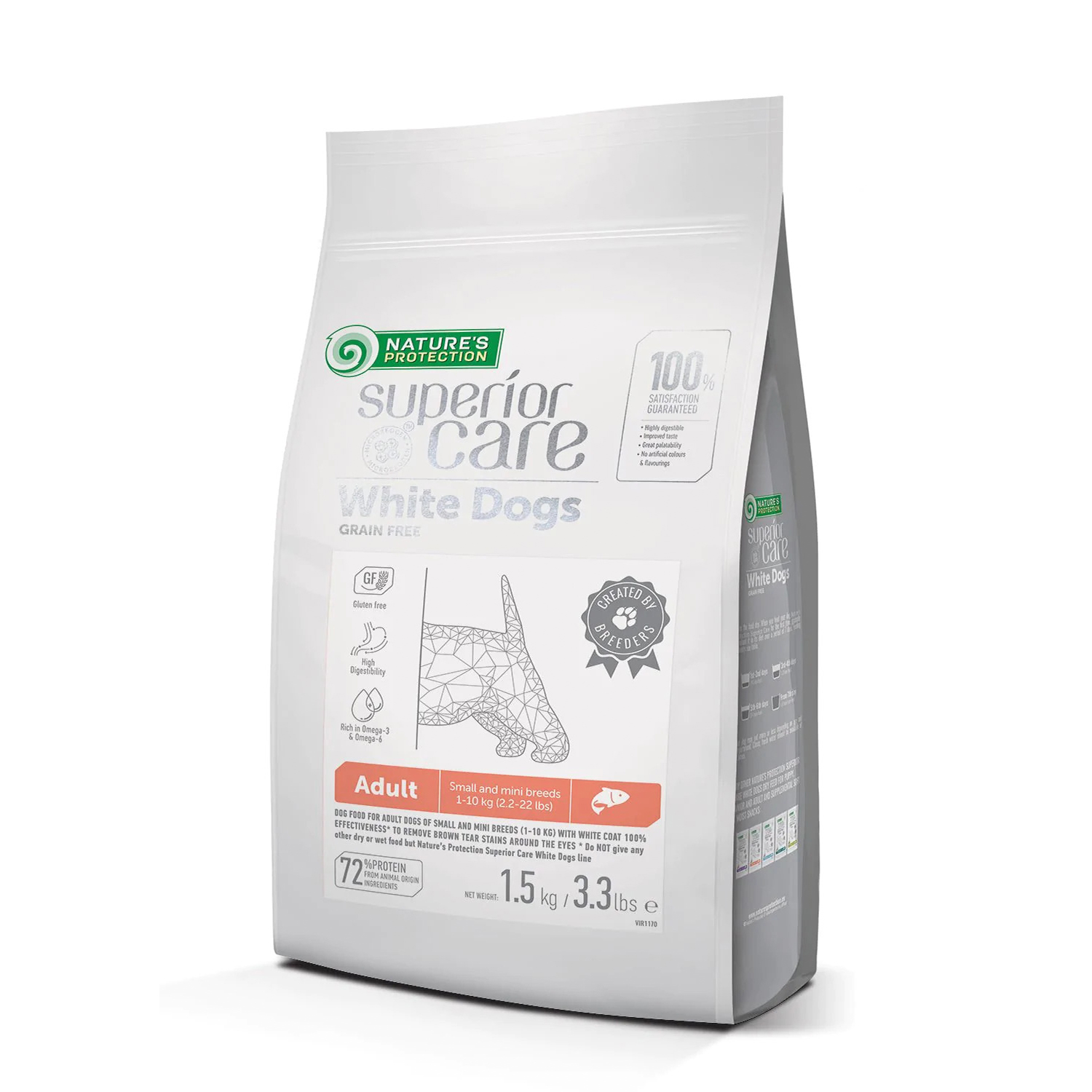
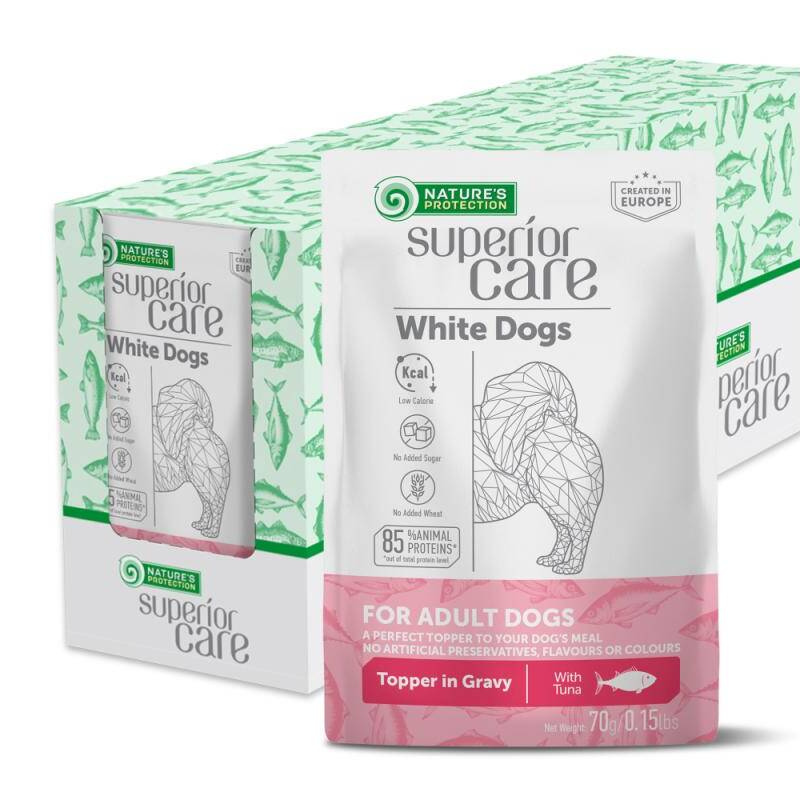
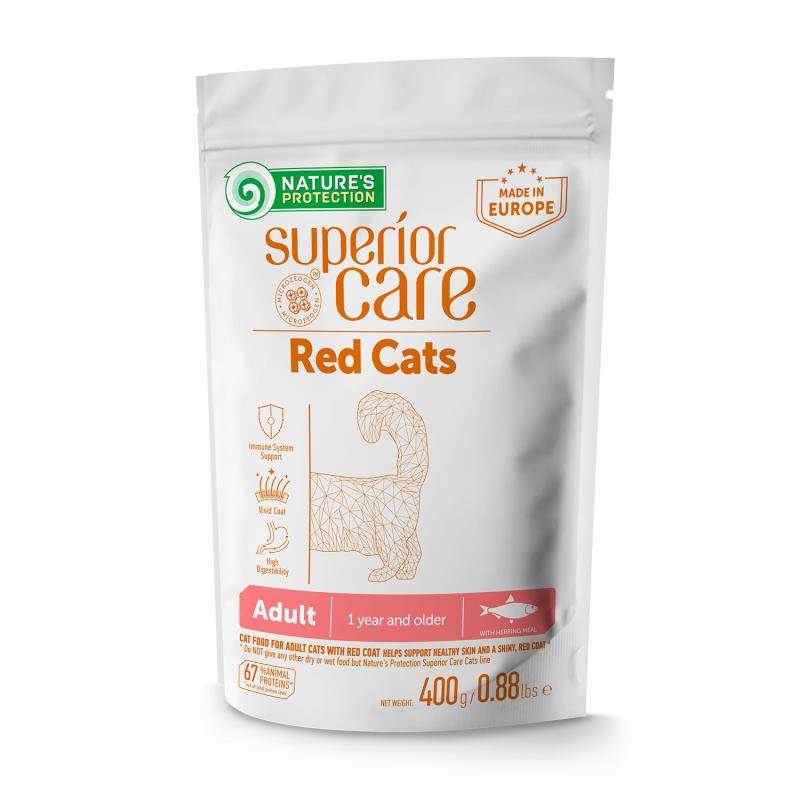
Feeding them bland food or a prescription diet for intestinal issues recommended by your vet. Gradually transition back to their regular diet once diarrhea has resolved. Make sure that your regular diet is not the cause of diarrhea, otherwise, the same problem will renew. I recommend choosing high-quality foodthat is easily digestible, hypoallergenic, and provides the pet’s body with all essential nutrients. This food also contains Microzeogen, an element helping to remove toxins from the body.
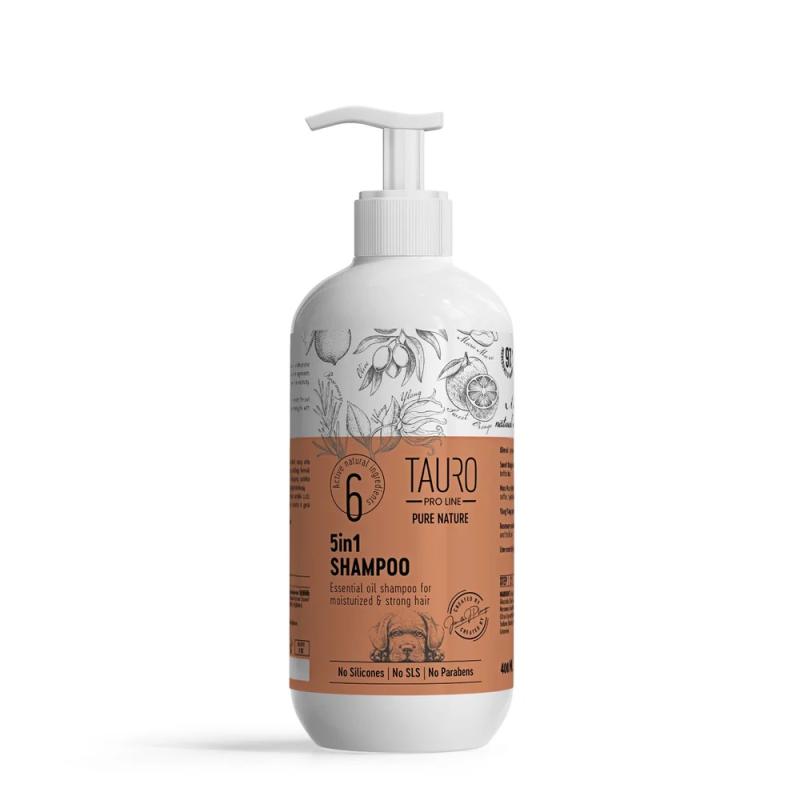
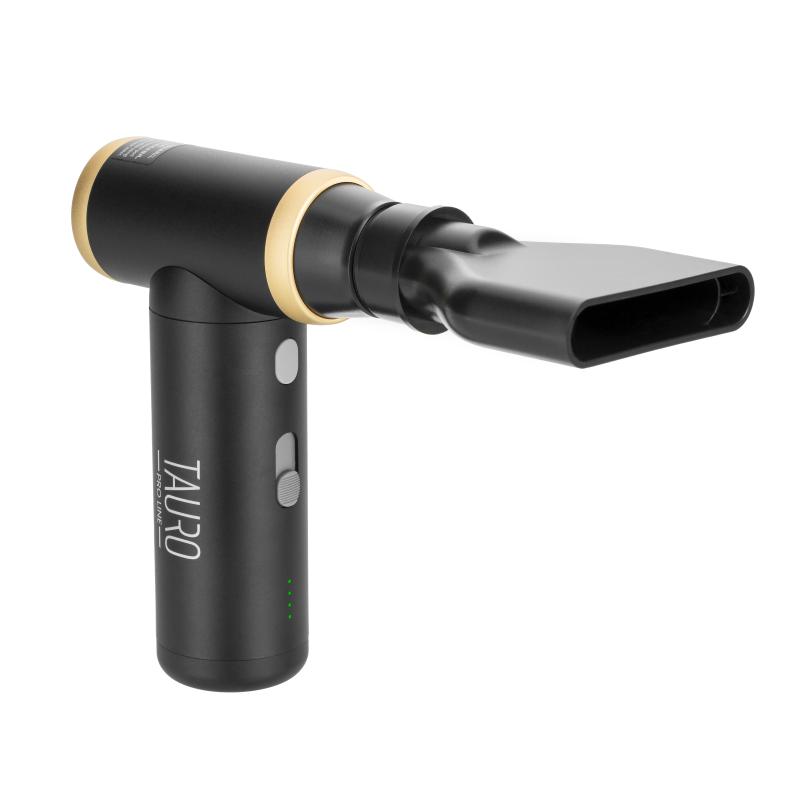
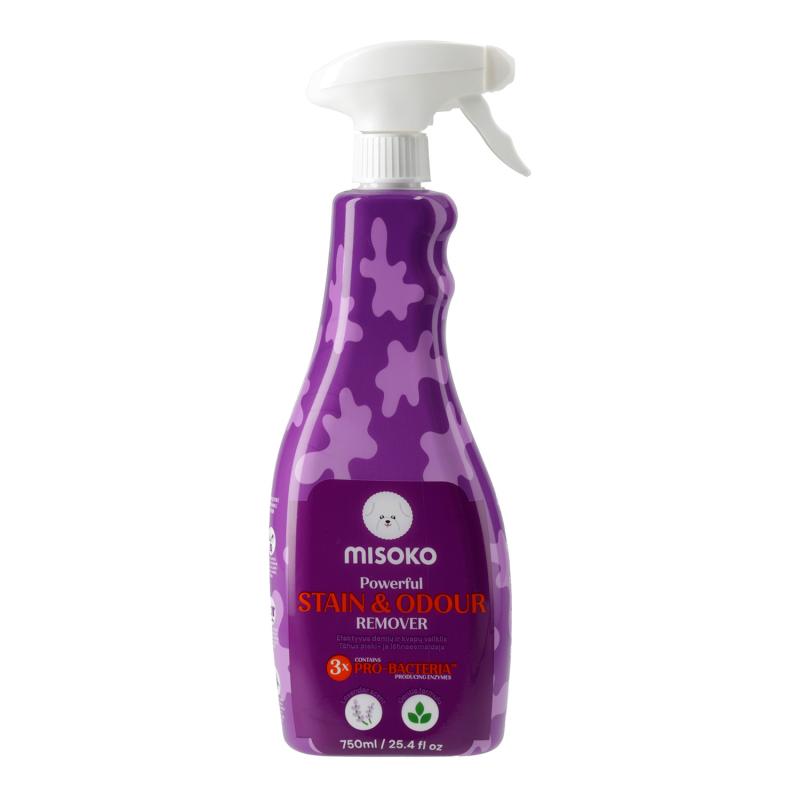
Keeping them clean. If your pup has smudged itself with liquid feces, wash it with natural skin and coat care products. Feces can contain bacteria or parasites, so it's important to remove them from your pet's fur and maintain good hygiene. Grooming tools can also help you to keep the fur clean. After bathing, comb the coat well to check for fecal remains and wash the fur again if there are any.
Ask your vet if supplements or medications, such as canned pumpkin,Microzeogenpowder, kaolin-pectin, or probiotics can be given.
Feeding Tips to Speed Up Recovery
For puppies that are a little bit older, you might start with fasting and see if it helps. Feeding them anything can make the diarrhea last even longer. Sometimes it can make their condition even worse. Veterinarians recommend not giving your puppy any food for 12 to 24 hours. That includes bones and dog treats.
This is only possible with puppies over three months old, though. If you decide against fasting, feeding your puppy smaller meals more frequently will help deter the diarrhea. Veterinarians recommend feeding a puppy between one and two tablespoons of bland food between 6 and 8 times a day.
When choosing the best food for puppies with diarrhea, remember to make things as low-fat as possible. Fatty foods will make their diarrhea worse. That's why foods like boiled chicken mixed with white rice are recommended so often for restoring puppy digestive health.
When to Speak to Your Vet
It's often possible to treat a stomach bug with home remedies for puppy diarrhea. Many times, they're just suffering from something they ate or some sort of anxiety or stress. As a general rule of thumb, you might try fasting for 24 hours for puppies older than 3 months or serving small meals of bland, low-fat food between 6 and 8 times a day if fasting isn't an option.
If this puppy diarrhea treatment doesn't work and the problems persist for more than 24 hours, you should reach out to your vet to get their opinion. You may want to contact your vet earlier than 24 hours if your puppy's diarrhea seems especially severe. Some signs of more severe diarrhea include dehydration, lethargy, or excessive accidents. Your vet will have a better idea about your puppy's medical history, so they'll have a clearer awareness of the severity of the problem. They'll be able to recommend scheduling an office visit or even taking your puppy to urgent care, in severe cases.
Puppy Diarrhea FAQ
What could be the cause of my dog's diarrhea?
There are several potential causes of diarrhea, including changes in diet, ingestion of something unusual, exposure to toxins, viral or bacterial infections, food allergies or intolerances, intestinal parasites, stress, and other underlying health issues.
What should I give my dog for diarrhea?
Ask your veterinarian if at-home treatment is enough in your case. If the diarrhea is mild and not related to a serious health problem, a bland diet and increased water intake may help. You can also give your pup a supplement Microzeogen, which helps to eliminate the toxins from the body. Consult with your veterinarian to determine if it is safe to give your puppy other supplements or medications such as canned pumpkin, kaolin-pectin, or probiotics.
How long can dog diarrhea last?
The duration of dog diarrhea can vary, it could last for a few hours or persist for several days. It is important to consult with your veterinarian if diarrhea lasts for more than a day or two or if it is accompanied by vomiting, lethargy, weakness, or other symptoms of illness.
Can teething cause diarrhea in puppies?
Some pet owners report that teething may be linked to diarrhea in puppies. However, it is important to note that diarrhea during this time can still be serious and require veterinary care. Teething puppies may chew and swallow almost anything, which increases their risk of contracting bacterial and viral infections that can cause diarrhea.
Is blood in my dog's diarrhea a serious emergency?
If there is blood present in the dog's diarrhea, it is considered an emergency, and immediate veterinary attention is necessary.
Why does my dog have diarrhea after changing food?
Diarrhea after a change in food may be due to their gastrointestinal tract not adapting to new ingredients. It's best to make dietary changes gradually over a period of one to two weeks. Additionally, it's possible that your dog has an allergy or intolerance to an ingredient in the new food that was not present in the previous food.
Kamilė Ausmanė is a veterinarian, Head of Pharmacy at the KIKA retail network, instructor and head of Tauro Grooming Academy, and President of the Pet Grooming Specialists’ Board of the Lithuanian Kennel Club. She earned her veterinary degree from the Lithuanian University of Health Sciences in 2014, but has been actively involved in dog grooming and dog shows for 17 years. The knowledge she has gained over the years allows her to take a broader approach to pet care, considering not only the appearance of the coat but also the importance of skin health, hygiene, and the animal’s overall well-being. She specializes in grooming Bichon Frises, Maltese dogs and Pomeranians, teaches both aspiring and practicing professionals, and conducts seminars in Lithuania and abroad. Kamilė also participates in dog grooming competitions, while the dogs she has groomed have won numerous World and European Championship titles.
Master's Degree (MSc) in Veterinary Medicine
— Lithuanian University of Health Sciences
Skills:
Veterinary medicinePreventive pet healthcareDog groomingPet skin and coat healthPet hygienePet showsBichon Frise groomingMaltese dog groomingPomeranian grooming


.jpeg)