
Sensitive Digestion for Dogs

Sensitive digestion for dogs includes foods, treats and supplements selected for pets that need a gentler feeding routine. Some dogs react easily to sudden food changes, rich treats, certain proteins, high-fat snacks or ingredients that do not suit them. Signs may include soft stools, gas, occasional upset stomach or inconsistent appetite, although ongoing symptoms should always be discussed with a veterinarian.


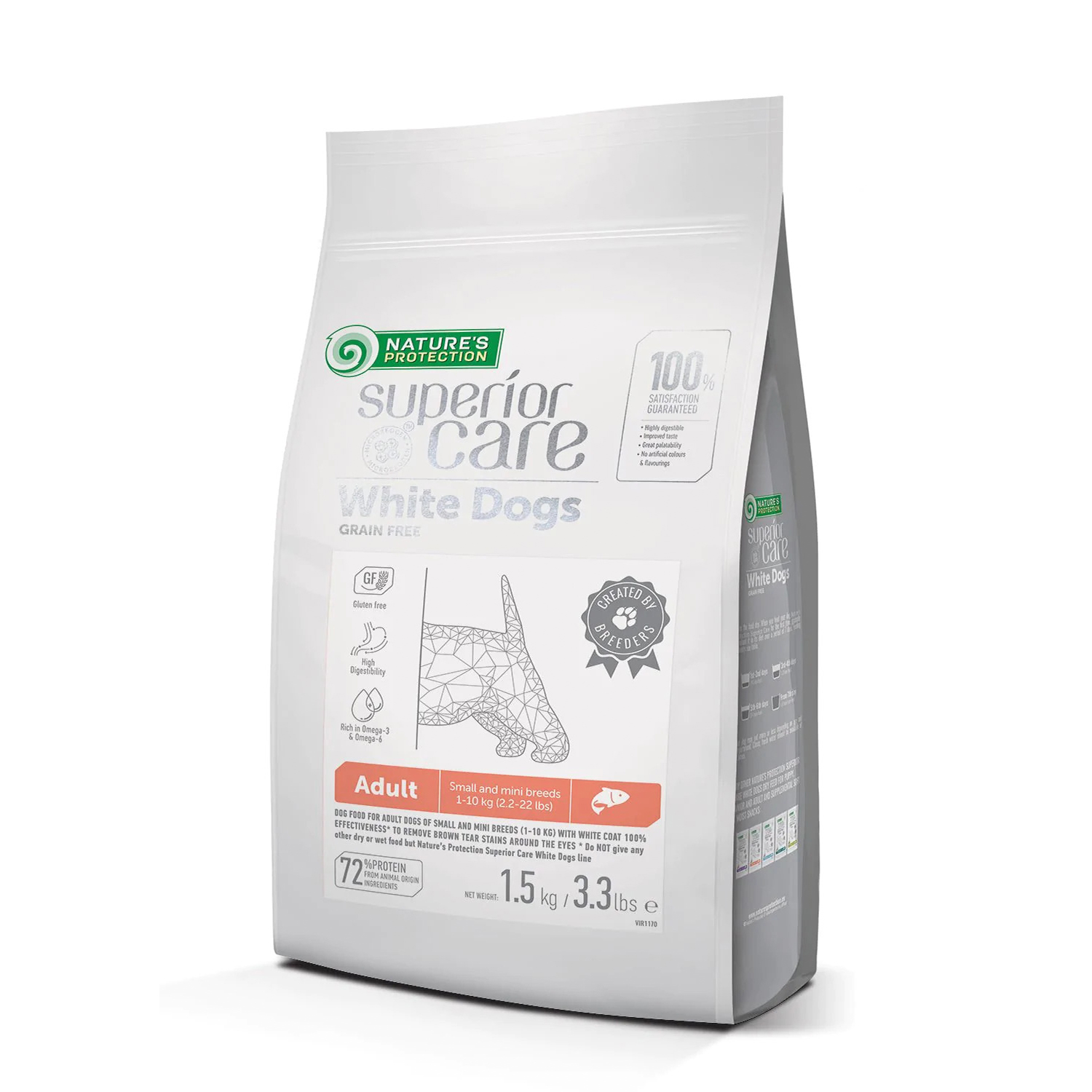
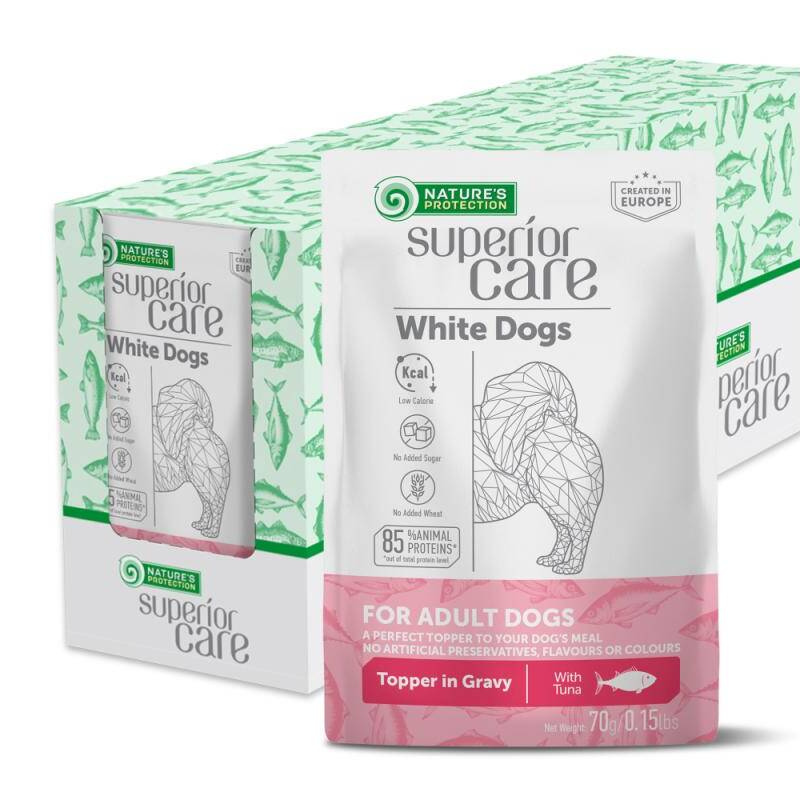
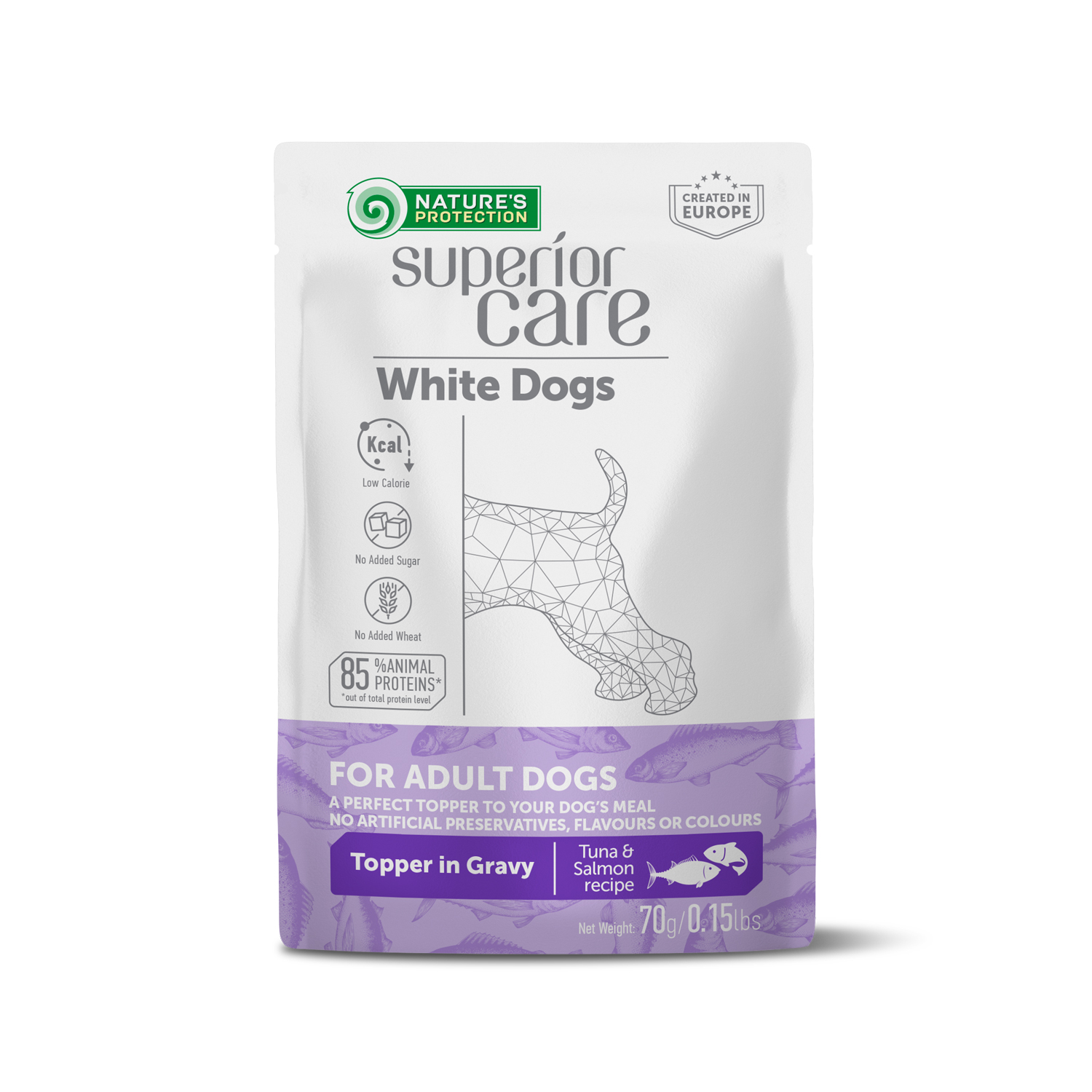
A stable routine is often the most important part of digestive support. Suitable dry dog food or wet dog food can provide the foundation, while functional dog treats or supplements may be added carefully when they match the dog’s needs. For sensitive dogs, simple and consistent feeding is usually better than switching products often.


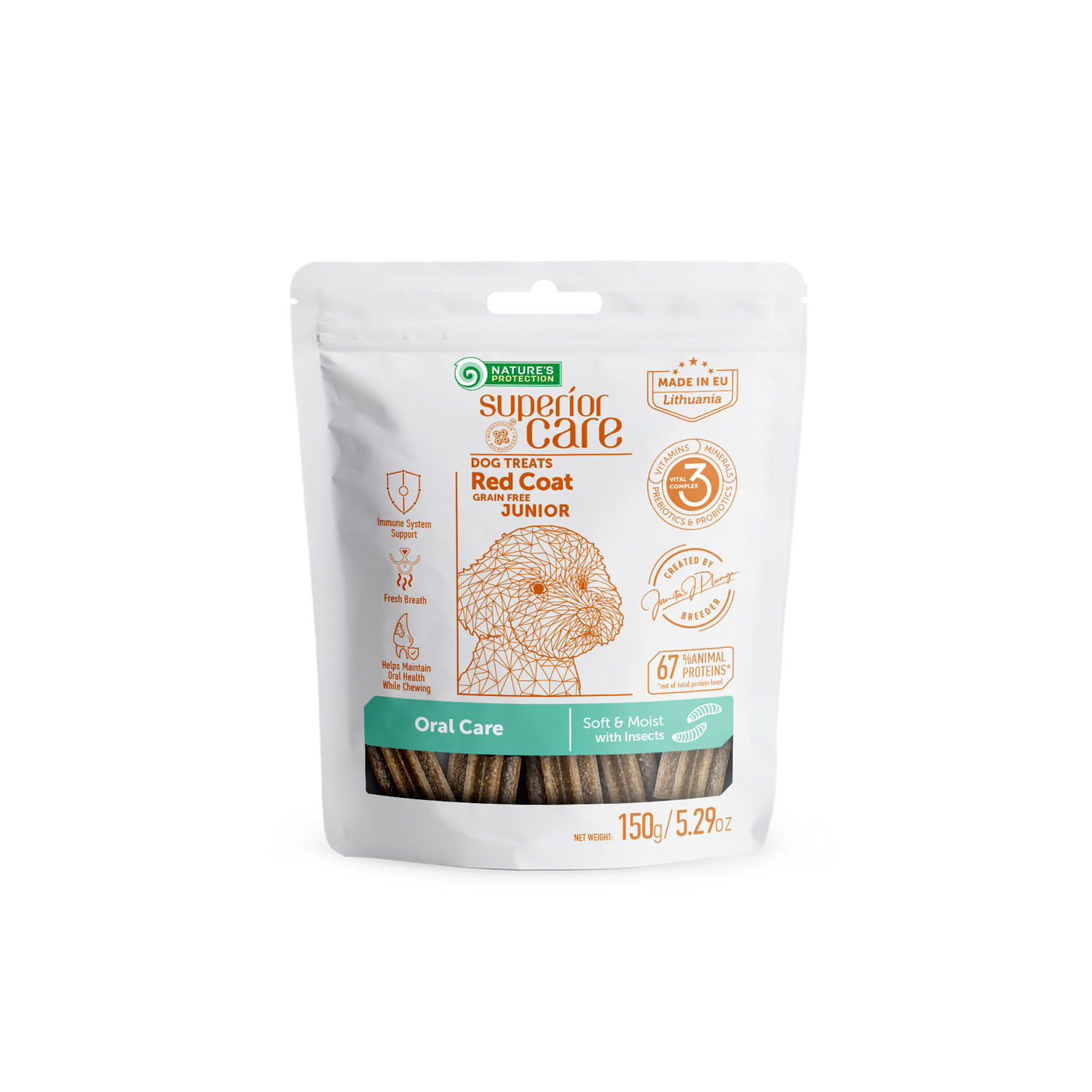
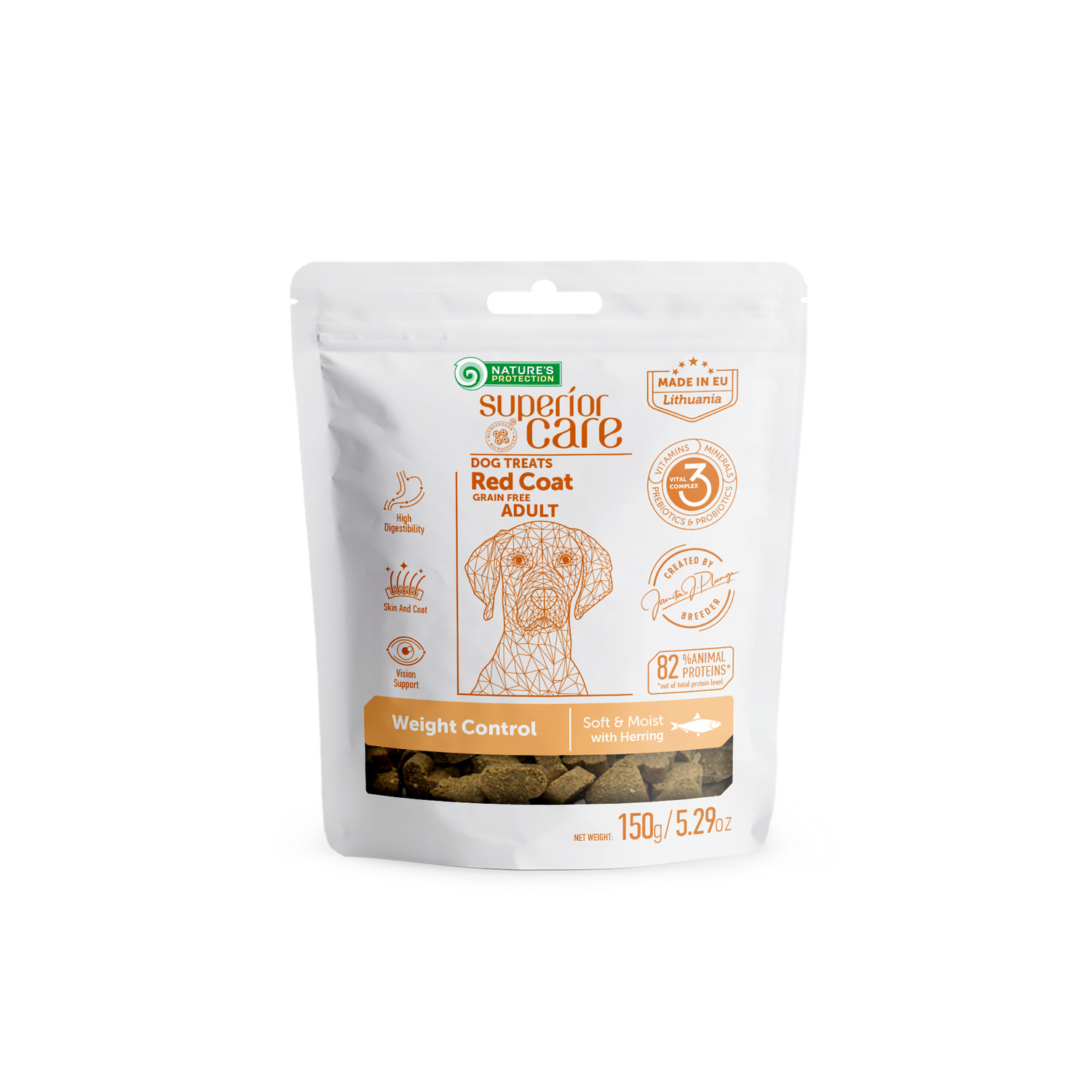
Treats matter too. Even if the main food is suitable, too many snacks or unsuitable extras can disturb digestion. Functional treats that support digestion may be useful, but they should still be fed in moderation. If a dog reacts to new food or treats, stop and return to the known routine before trying again.


Sensitive digestion products should be introduced gradually. Mixing new food with the current food over 7-10 days helps the digestive system adjust. If your dog has repeated vomiting, diarrhea, blood in stool, excessive weight loss, pain or dehydration, this is not just sensitivity and needs veterinary attention.

Filter
40 products

FAQs

What does sensitive digestion mean in dogs?

It means a dog may react more easily to certain foods, treats or diet changes. Signs can include soft stools, gas, occasional vomiting or inconsistent appetite. Some dogs are sensitive long-term, while others react only after sudden changes. Persistent symptoms should be checked by a veterinarian.

What food is best for dogs with sensitive digestion?

The best food is one your dog tolerates well and can eat consistently. Look for suitable formulas with digestible ingredients and a clear feeding guide.

Should I choose dry or wet food for sensitive digestion?

Either can work, depending on the dog. Some dogs do better on dry food, while others tolerate wet food more easily. The formula matters more than the format alone. Introduce any new food gradually.

Can treats upset my dog’s stomach?

Yes, treats are a common cause of digestive upset. Rich treats, large portions or frequent changes can affect stool quality. Sensitive dogs should receive treats in small amounts. If symptoms appear after a new treat - stop feeding it.

Can supplements for dogs help sensitive digestion?

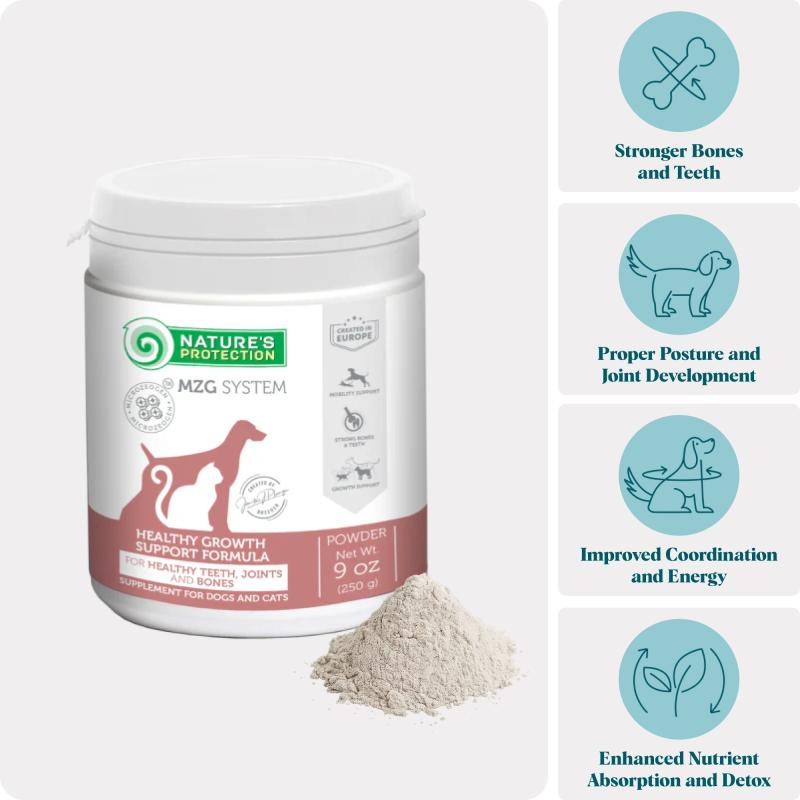
Some supplements may support digestive balance for dogs, but they should be used thoughtfully. They should not replace suitable food or veterinary care. If your dog has ongoing stomach problems, identify the cause before adding multiple products. Follow dosage instructions carefully.

Is grain-free food better for sensitive digestion?

Not always. Some dogs may need grain-free food, but others digest quality grains well. Sensitivities can involve proteins, fats or additives too. Choose based on your dog’s response, not only the grain-free label.

When should digestive problems be checked by a veterinarian?

See a vet if your dog has frequent diarrhea, repeated vomiting, blood in stool, excessive weight loss, dehydration, pain or loss of appetite. These signs may indicate more than a sensitive stomach. Puppies and senior dogs should be checked sooner. Do not wait if symptoms are severe.

Can a consistent feeding schedule help?

Yes, regular feeding times and stable portions can help sensitive dogs. Consistency makes reactions easier to track. Avoid switching treats and foods too often. Keep notes when introducing new products.

Can functional treats support digestion?

They may support digestion when used as directed and when the formula matches your dog’s needs. However, they are still treats and should be limited. They work best alongside a suitable primary diet. If a dog reacts badly, stop treat use.