
Tear Stains for Cats

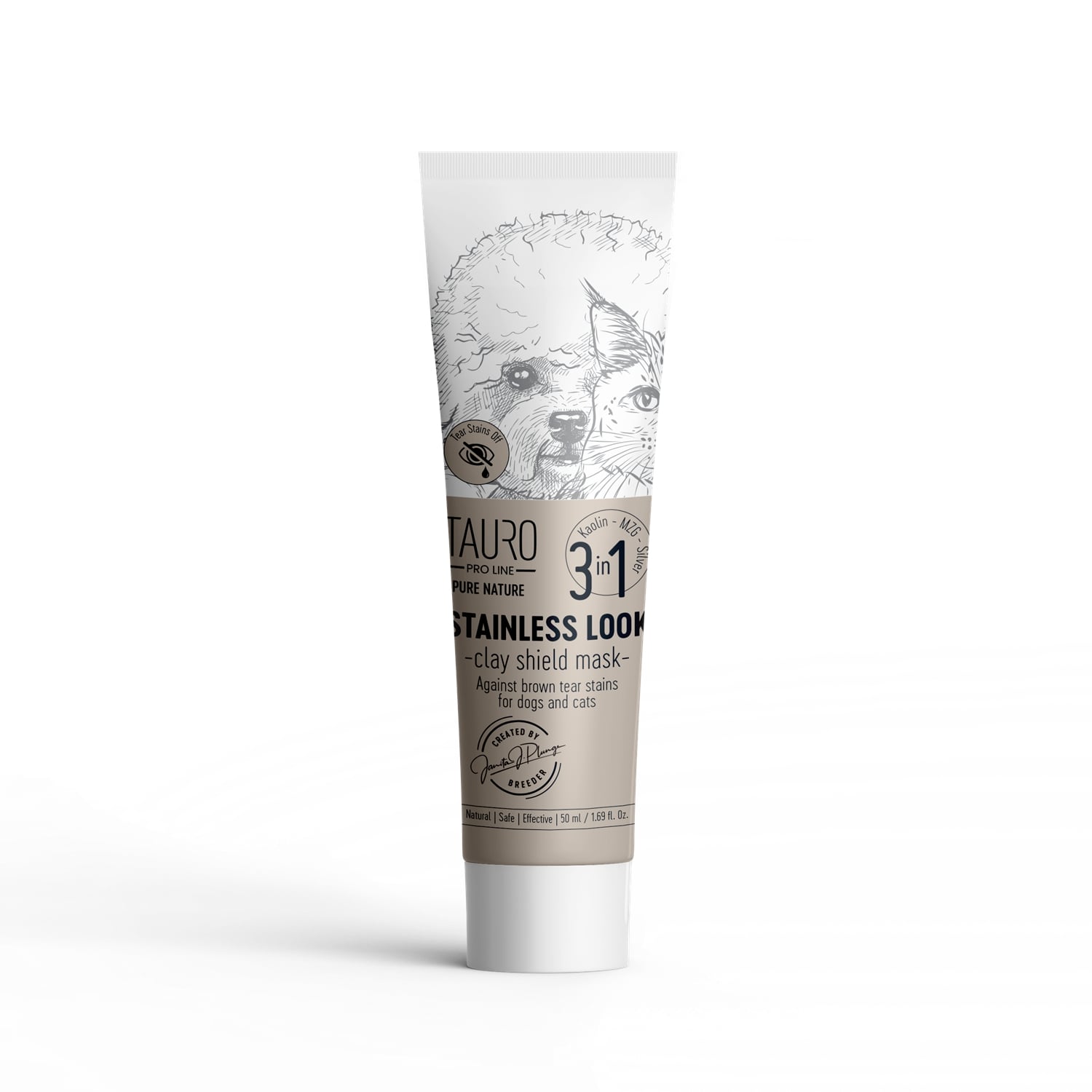
Tear stains for cats can appear as brown, reddish or yellowish marks around the eyes, especially on cats with white, cream or light-colored coats. Some cats naturally produce more visible tear staining because of facial structure, coat color, eye shape or tear flow, while others may develop staining because of irritation, grooming habits or buildup around the eyes. This category focuses on gentle products that help keep the eye area cleaner and the surrounding coat fresher.


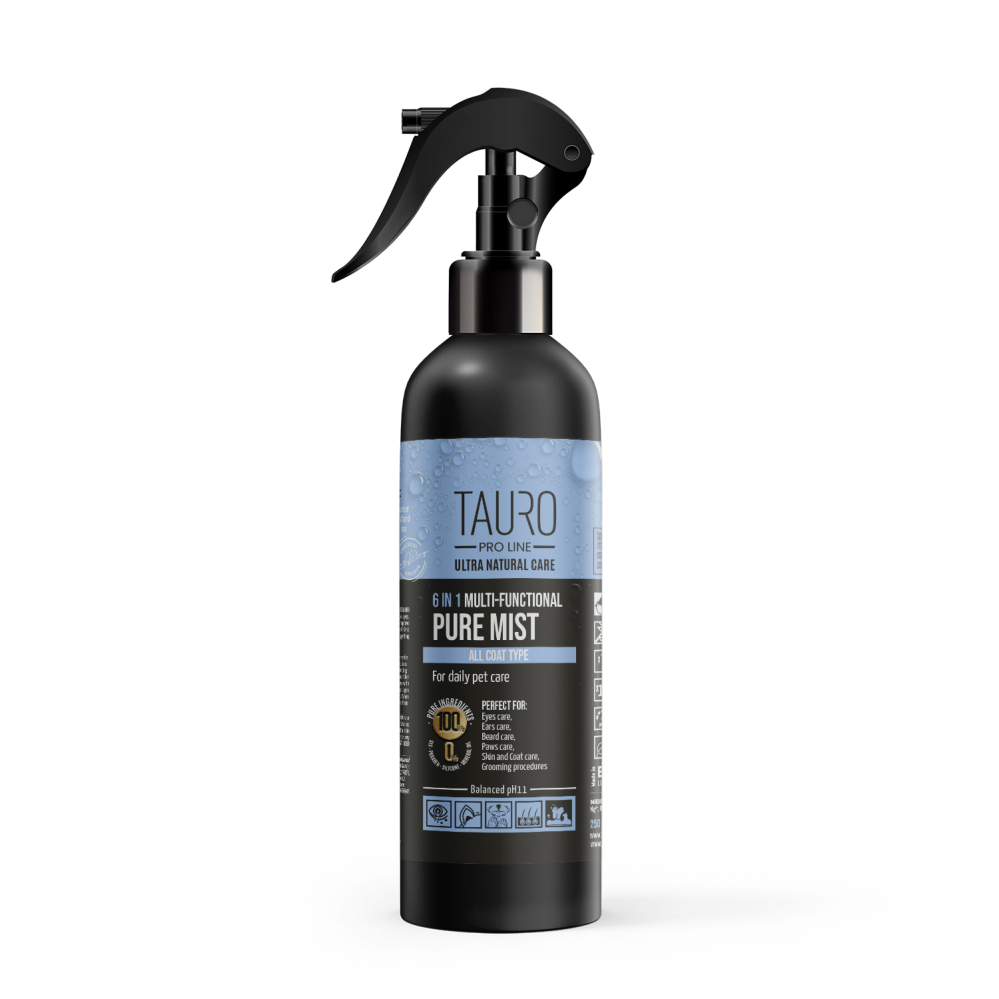
Cats are usually more sensitive about face handling than dogs, so tear stain care needs to be calm, slow and delicate. Products should never be sprayed directly into the eyes. Instead, apply a suitable product to a soft pad or cloth and gently wipe the fur around the stained area. Tauro Pro Line alkaline water may be useful as part of a careful routine for visible marks and delicate hygiene around the face.


Tear stain care can also support the wider coat color support for cats routine, especially for pale-coated cats where even small discoloration is noticeable. If the coat around the eyes becomes dry, sticky or stained often, regular maintenance is usually better than harsh cleaning only when stains become obvious.


If your cat has sudden staining, eye discharge, redness, swelling, squinting or odor, this should be checked by a vet. Grooming products can help with appearance and hygiene, but they should not be used to cover up eye discomfort or infection.

Filters
Filter
7 products

FAQs

Why does my cat get tear stains?

Cats may get tear stains because of natural tear pigments, coat color, face shape, eye irritation or tear drainage issues. Light-colored cats show staining more clearly than darker cats. Some cats also develop staining when moisture stays in the fur near the eyes. If the staining is sudden or comes with discomfort, a vet should check the eyes.

Are tear stains common in cats?

Yes, they can be common, especially in flat-faced breeds and cats with pale coats.

Can tear stain products remove old marks completely?

They may help reduce visible staining, but old marks can be difficult to remove quickly. Results depend on the depth of staining, coat texture and how long the discoloration has been there. Consistent gentle cleaning usually works better than aggressive rubbing. New stains may still appear if the cause continues.

How should I clean tear stains on a cat?

Use a soft pad or cloth and wipe around the stained fur gently. Do not spray product directly into the eyes or rub harshly. Many cats tolerate short sessions better than long cleaning attempts. Rewarding calm behavior can make the routine easier over time.

How often should I clean my cat’s tear stains?

This depends on how quickly the stains build up. Some cats may need light daily wiping, while others only need occasional care. If the area becomes wet often, more consistent maintenance may help prevent buildup. Avoid over-cleaning, as repeated rubbing can irritate the skin.

Are tear stains a sign of illness?

Not always. Some tear stains are mostly cosmetic, especially if they have been present for a long time without other symptoms. However, sudden staining, yellow or green discharge, swelling, squinting or pawing at the eye can suggest a problem. In those cases, grooming products are not enough and veterinary advice is needed.

Can food affect tear stains in cats?

Diet may play a role for some cats, but tear staining usually has more than one possible cause. If your cat also has digestive upset, itching or coat issues, reviewing the diet may be useful. Any food change should be gradual. Do not switch foods repeatedly without tracking the response.

Can tear stain care be combined with coat color support?

Yes, especially for white or light-colored cats. Tear stain products can help with local facial staining, while coat color support products help maintain the wider coat appearance. Use gentle products around the face and avoid layering too much near the eyes. Always follow the instructions for each product.