
Sensitive Digestion for Cats

Sensitive digestion for cats is focused on food and support products for cats that need a stable, gentle feeding routine. Cats can be sensitive to abrupt diet changes, certain proteins, rich treats, texture changes or stress. Digestive sensitivity may show as soft stools, vomiting, gas, hairball-related discomfort or reduced appetite, although frequent or severe symptoms should be checked by a veterinarian.


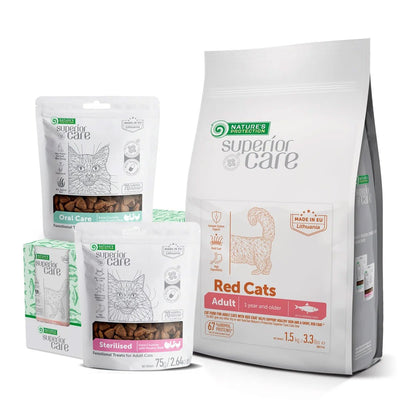
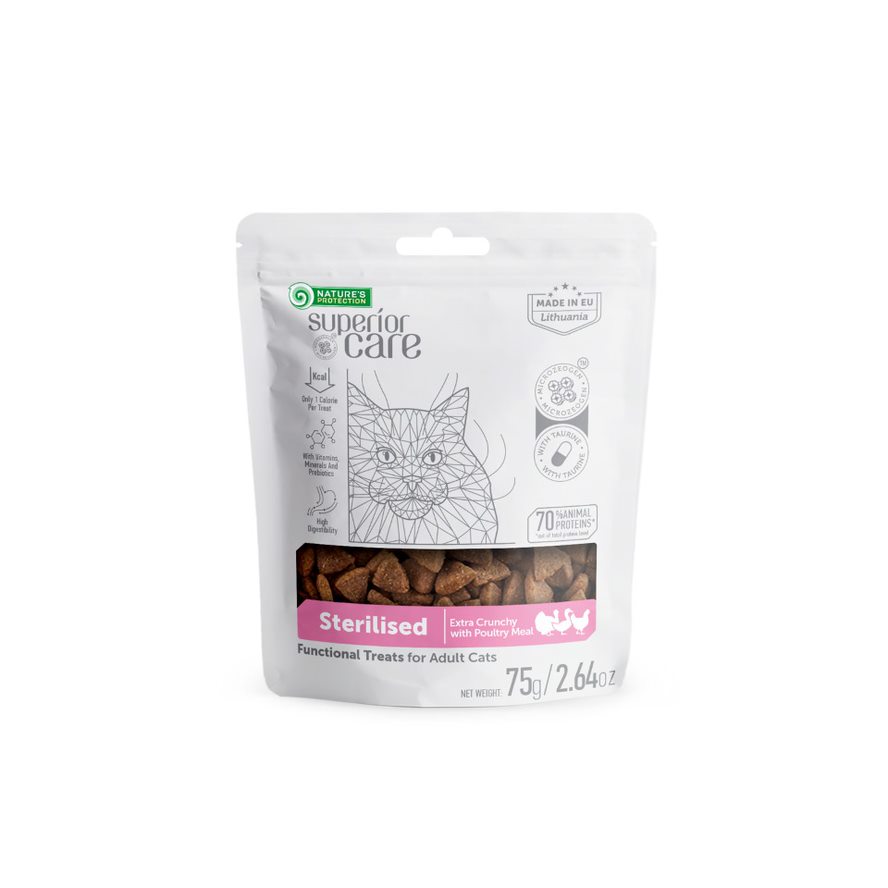
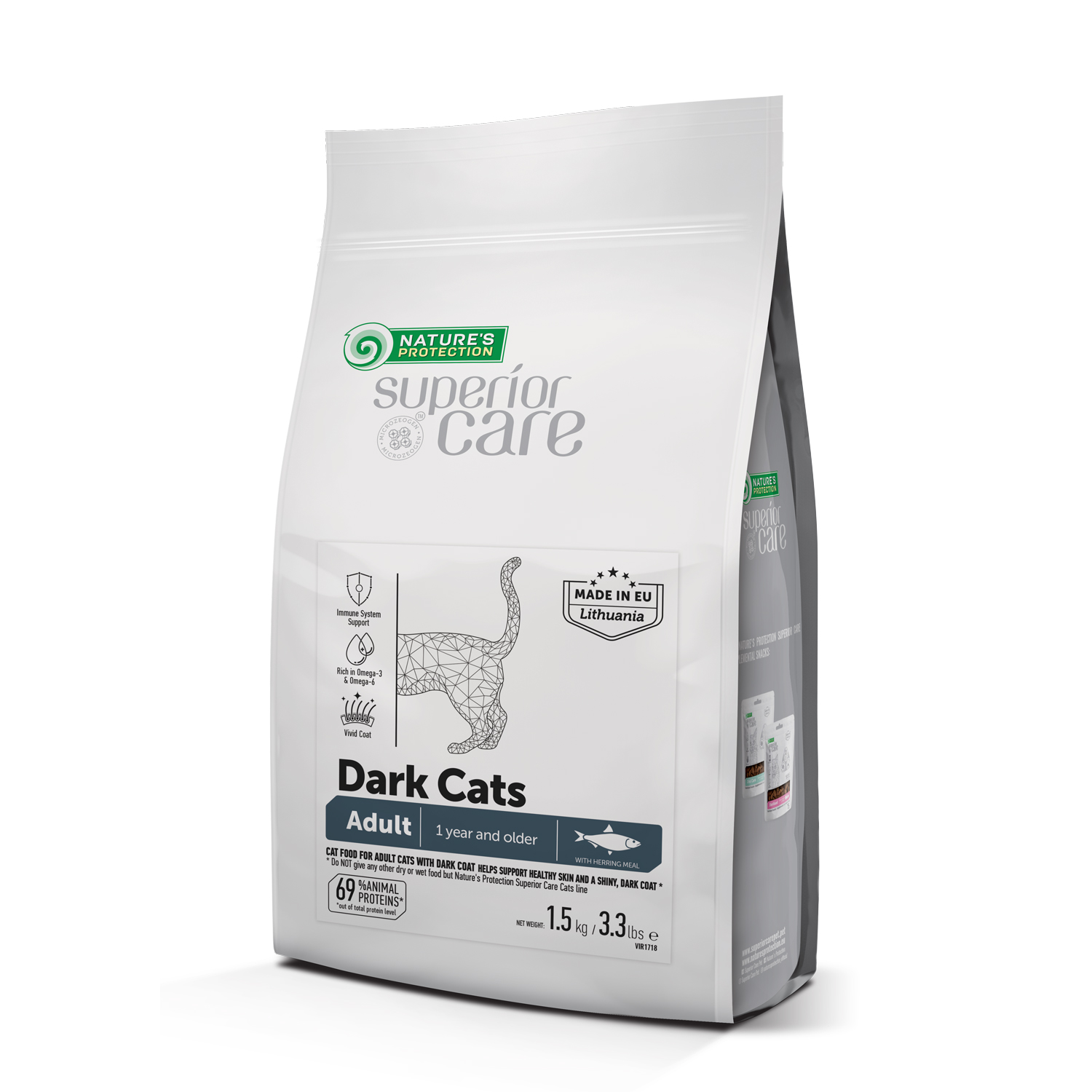
For cats, consistency is especially important. Many cats do not respond well to sudden changes in food, even when the new food is high quality. A suitable dry cat food or wet cat food can provide the main nutritional foundation, while cat treats should be limited and chosen carefully. If supplements are used, they should fit the cat’s diet and health needs.


Wet food may help some cats because of its moisture content and soft texture, while dry food can be practical and consistent for daily feeding. Some cats do best with mixed feeding, but portions should be controlled and changes should be gradual. The best format is the one your cat eats well and digests comfortably.


If your cat vomits often, has diarrhea, refuses food, loses weight or shows signs of pain, do not assume it is simple sensitivity. Cats can hide discomfort, so digestive changes should be taken seriously. For everyday support, sensitive digestion products help build a calmer, more predictable feeding routine.

Filters
Filter
15 products

FAQs

What are the signs of sensitive digestion in cats?

Signs may include soft stools, vomiting, gas, hairball-related discomfort or appetite changes. Some cats also become picky when their stomach feels unsettled. Occasional mild upset can happen, but repeated symptoms should be checked. Cats can hide illness very well, so persistent changes matter.

Is wet food better for food-sensitive cats?

Wet food can help some cats because it is soft and moisture-rich. However, not every cat digests wet food better than dry food. The ingredients and formula are more important than texture alone. Introduce wet food slowly if your cat is not used to it.

Can treats cause digestive upset in cats?

Yes, treats can upset digestion if they are too rich, given too often or introduced suddenly. Sensitive cats should receive small amounts at first. Stick to one new treat at a time so reactions are easier to identify. Stop the treat if symptoms appear.

How should I change food for a cat with sensitive digestion?

Change slowly over 7-10 days by mixing small amounts of new food with the current food. Some cats need a longer transition. Monitor stool, appetite and vomiting. If the cat refuses food entirely, contact a veterinarian.

Are hairballs related to sensitive digestion?

They can be connected, but not always. Hairballs may result from grooming and swallowed hair, while digestive sensitivity involves how the cat handles food or stomach contents. Frequent vomiting that is blamed on hairballs should still be checked. Proper brushing may reduce swallowed hair.

Can supplements help cats with sensitive digestion?

Some supplements may support digestive function, but they should be suitable for cats and used correctly. Do not add several new products at once.

When should I see a vet for cat's digestion problems?

See a veterinarian if your cat has repeated vomiting, diarrhea, excessive weight loss, blood in stool, dehydration, pain or stops eating. Cats can become unwell quickly when they do not eat. Do not wait if appetite is gone for more than a short period. Veterinary guidance is especially important for kittens and seniors.

Can mixed feeding help sensitive cats?

It can, if your cat tolerates both dry and wet food well. Mixed feeding may add moisture and variety while keeping a stable routine. Portions need to be managed carefully. Introduce the second food slowly.