When a dog loses hair, one of the first questions many owners have is how to help it grow back. Healthy regrowth relies on fixing the cause of hair loss, not just quick solutions.
Dog hair can fall out for several reasons. These include allergies, parasites, and infections. Hormonal issues or excessive licking can also cause it. Skin inflammation, bad nutrition, and friction from collars or harnesses can contribute as well. Once the problem is managed, hair follicles often begin to grow normally again.
The process can take time. Some dogs regrow their coats in a few weeks. Others might take several months to look full again. Knowing how dog hair grows and what helps skin stay healthy can make recovery easier.
Treat the Cause of Hair Loss Before Focusing on Regrowth
The key to helping dog hair grow back after hair loss is to find and treat the cause.
A dog can lose fur due to fleas, mites, fungal infections, bacterial skin diseases, or allergies. The coat will keep thinning until the issue is treated. Using oils, shampoos, or supplements won't help long-term if you ignore the root cause.
The same applies to dogs with hormonal or metabolic conditions. Thyroid or adrenal hormone disorders can disrupt the normal hair growth cycle. In these cases, bettering the coat often depends on managing the medical condition. It’s not just about treating the fur directly.
Repeated licking and scratching can also prevent regrowth. Even if the original trigger gets better, ongoing irritation can still break new hairs or harm the skin.
For this reason, healthy hair regrowth usually starts with healthy skin. Once inflammation, infection, parasites, or other issues are managed, hair follicles can work normally again.
Understanding the Dog Hair Growth Cycle
Dog hair does not grow continuously at the same speed. Each hair follicle moves through several stages of growth, rest, and shedding.
During the active growth phase, new hair is produced from the follicle. The length of this phase varies between breeds and even between different types of hair on the same dog. Long-haired breeds usually have a longer growth period. In contrast, short-coated dogs tend to complete the cycle faster.
After active growth slows, the follicle enters a resting stage. Eventually, the old hair is shed, and a new growth cycle begins.
This explains why dog hair regrowth is not always immediate once a skin problem has been treated. The follicle may need time to move back into an active growth phase.
Season, age, breed, hormones, health, and nutrition can all influence the cycle. Some dogs regrow their coats faster than others. So, comparing one dog's recovery to another can be misleading.
How Long Does Dog Hair Take to Grow Back?
There is no single timeline for how long dog hair takes to grow back.
For mild hair loss from irritation or clipping, you might see new growth in a few weeks. Often, however, restoring a full coat can take a few months.
Dogs recovering from skin problems, like inflammation or infections, may need extra time. If hair follicles get irritated or damaged often, regrowth may be slower and uneven at first.
Breed also makes a difference. Dogs with thick double coats may take longer to look normal again than those with short, simple coats. Season impacts regrowth, especially in breeds that shed heavily at certain times.
It is also common for new hair to look slightly different when it first appears. The texture, thickness, or color might look different from the rest of the coat at first. But it will return to normal over time.
The key is gradual progress. If the skin looks healthier and small amounts of new hair are appearing, the coat may simply need more time.
Nutrition That Supports Healthy Dog Hair Growth
Nutrition is key for healthy skin and coat. However, it can't replace medical treatment for hair loss.
Dogs' hair is mostly protein. They need enough high-quality protein in their diet for healthy coat growth. A complete dog food must provide essential fatty acids, vitamins, and minerals. These nutrients are key for healthy skin and hair.
Essential fatty acids, such as omega-3 and omega-6, support skin barrier function. They also enhance coat quality. Certain vitamins and trace minerals are also necessary for normal hair production.
However, adding large amounts of individual nutrients is not always beneficial. Excess supplementation can create nutritional imbalances and may even cause health problems.
If your dog eats a complete diet for its age and life stage, extra vitamins aren't always needed. If hair loss might be due to nutritional deficiency, talk to a vet. They can help find the specific issue and suggest dietary changes.
Adequate hydration also contributes to healthy skin. Dogs need fresh water regularly. This is important, especially when healing skin issues that cause dryness or irritation in their coat.
Grooming and Skin Care While the Hair Grows Back
Gentle grooming can support the skin while your dog's coat recovers.
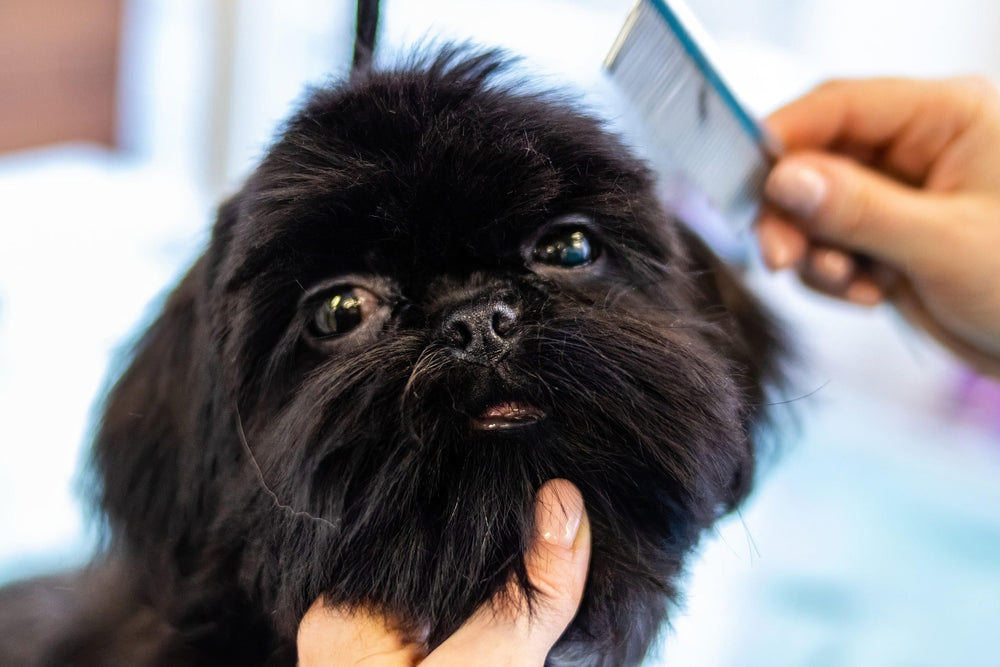
Brushing regularly removes loose hair, dirt, and debris. It also spreads natural oils throughout the coat. It can also make it easier to monitor areas where hair is beginning to return.
The key is to be gentle. Brushing too hard on irritated or healing skin can hurt and damage delicate new hairs.
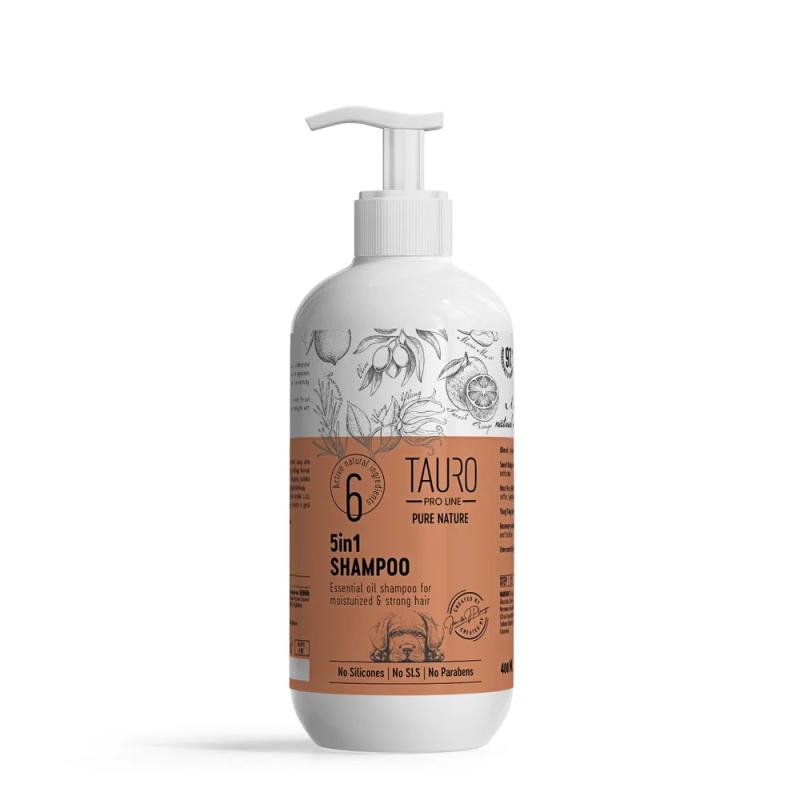
Bathing can help, especially for some skin conditions, when it's part of treatment. Frequent washing with harsh shampoos can dry out the skin. This may harm its natural protective barrier.
If your vet prescribed medicated shampoo, use it as directed. Don’t use it more often to try to make hair grow faster.
Check if collars, harnesses, clothing, or bedding are rubbing the area with lost hair. Continuous friction can make regrowth more difficult.
During recovery, keeping the skin clean and comfortable is key. It should also be protected from irritation. This is usually better than trying to stimulate the hair directly.
Can Supplements or Skin and Coat Products Help Dog Hair Grow?
You can find many products for dog hair growth. These include oils, powders, vitamins, shampoos, and skin and coat supplements. Whether they help depends largely on why the hair was lost.
Fixing a dog's nutritional deficiency can boost coat quality and aid normal regrowth. Some dogs with certain skin issues may benefit from omega fatty acid supplements. Always consult a veterinarian for advice.
Supplements probably won't fix hair loss from untreated mites, ringworm, or bacterial infections. They also won't help with allergies, hormonal issues, or frequent licking.
More is not necessarily better, either. Giving several skin and coat supplements at once can cause too much of certain nutrients.
Topical products should also be chosen carefully. Products made for humans may contain ingredients that can irritate or harm dogs. This is especially true if dogs can lick the area.
Coat products can help promote healthy skin and hair when used correctly. However, they can’t substitute for a proper diagnosis or treatment.
Why Is My Dog's Hair Not Growing Back?
When hair does not return as expected, several explanations are possible.
The original cause of hair loss may still be present. A dog might seem less itchy but could still have an allergy, a low-level infection, a parasite, or a hormonal issue. These problems can keep affecting hair growth.
Repeated licking or chewing can also prevent new hairs from becoming established. Sometimes this behavior continues even after the original irritation has improved.
The hair follicles themselves may also need more time. Follicles switch between active and resting phases. So, visible regrowth may take longer than skin improvement.
In some cases, significant inflammation or scarring can permanently damage follicles. Hair may grow back more slowly, unevenly, or not at all in areas where the skin has been severely injured.
Hormonal and genetic alopecia can lead to ongoing or repeated hair loss. These conditions can cause smooth bald spots that aren’t very red or itchy. They might seem less serious, but the coat doesn’t heal as it should.
If you don’t see improvement after the recovery period, talk to a vet. It's better than just trying more products.

When Slow Hair Regrowth Should Be Checked by a Veterinarian
Slow regrowth does not always mean something is wrong. Dog coats can take months to recover. This is especially true after serious skin disease or major hair loss.
Veterinary evaluation is crucial if the bald area is growing. Also, if new patches show up or the skin stays red, dark, flaky, thick, crusty, or irritated, you should seek help.
If there’s ongoing itching, licking, chewing, a bad smell, discharge, or discomfort, the skin issue might still be healing.
Consult a veterinarian if hair loss comes with other changes. These can include weight gain or loss, low energy, increased thirst, changes in appetite, or shifts in behavior. These signs might indicate a larger medical issue that impacts the skin and the whole body.
If your dog's skin looks healthy but its hair doesn’t grow back, more tests might be needed. Blood tests, skin samples, hormone tests, and other diagnostics can spot hidden issues.
Helping dog hair grow back is usually a gradual process rather than a quick fix. To help the coat recover, treat the original cause. Support healthy skin, provide balanced nutrition, and avoid irritation. This creates the best conditions for healing.
Once the main issue is handled, patience often becomes the last step. Healthy hair follicles need time to restart their cycle and rebuild the coat.