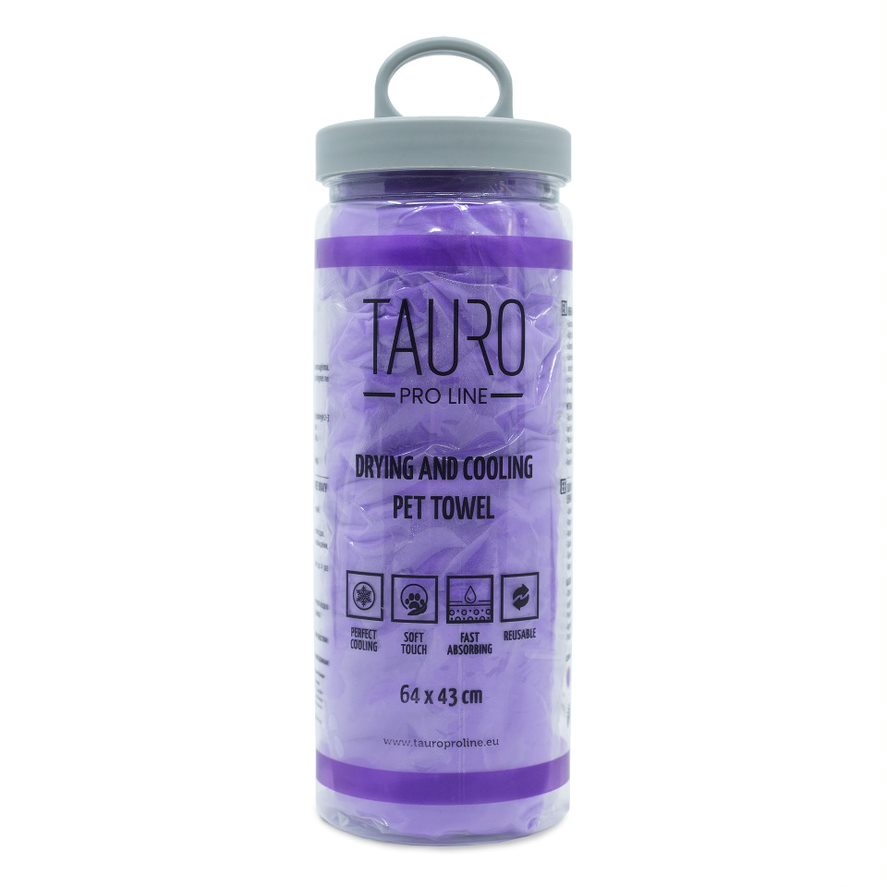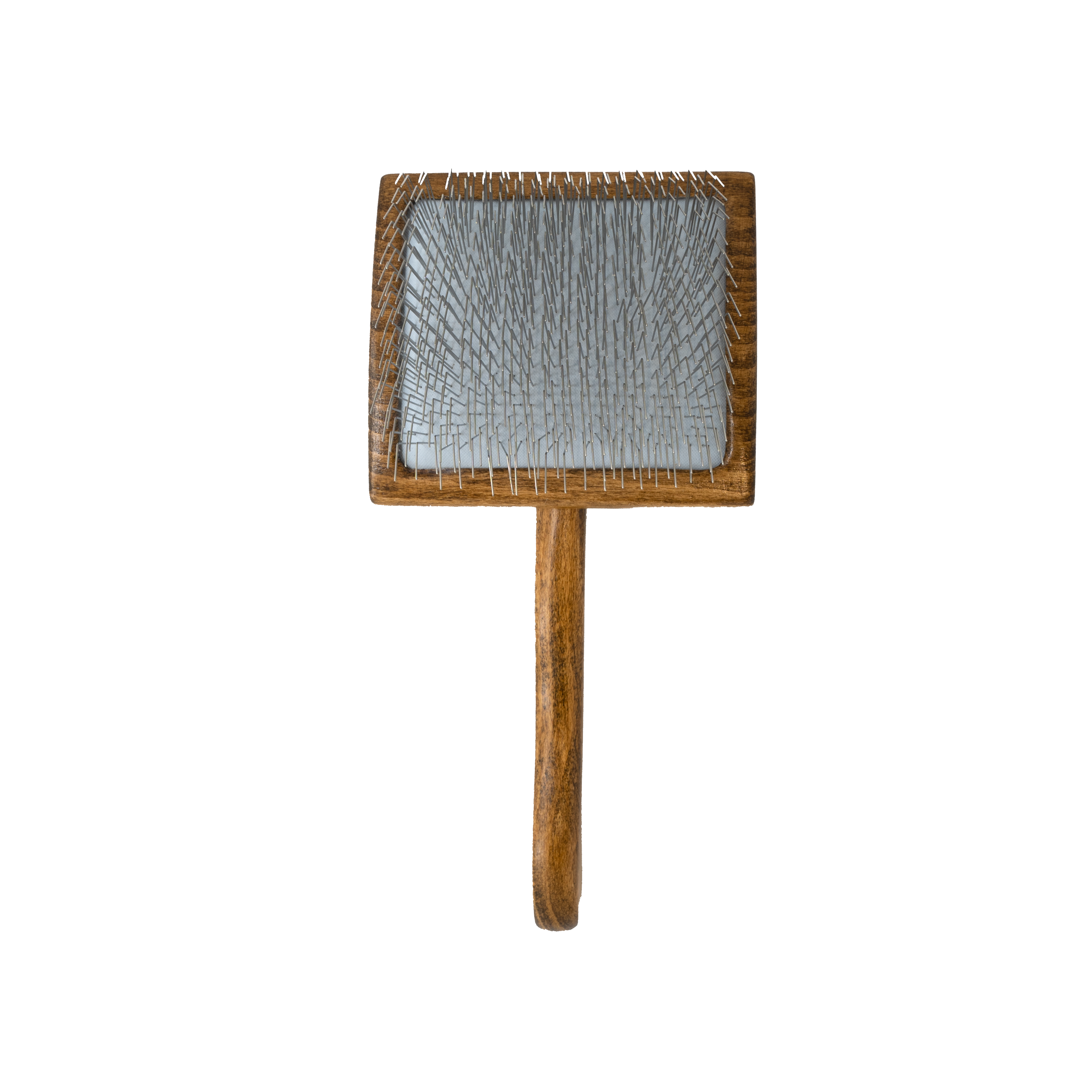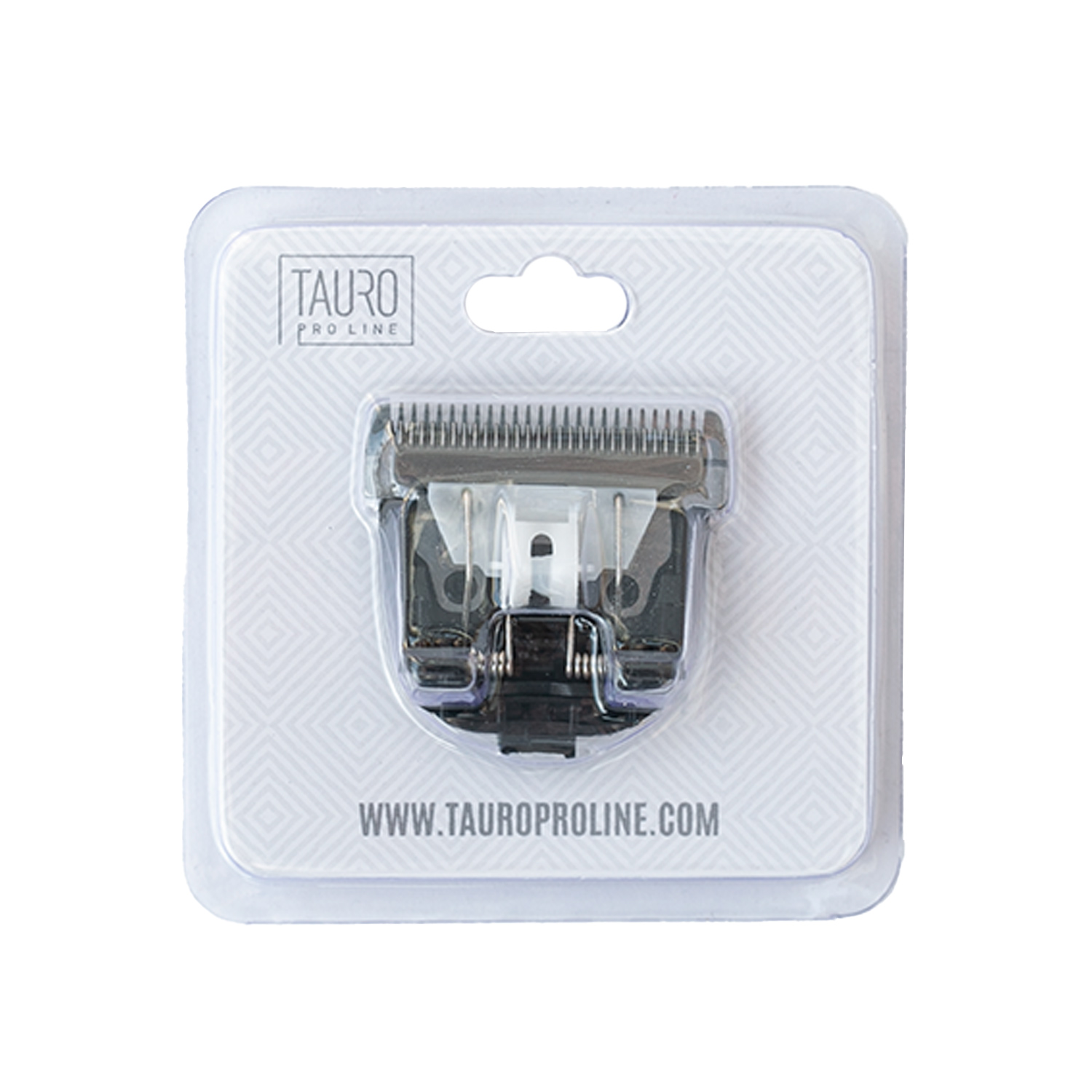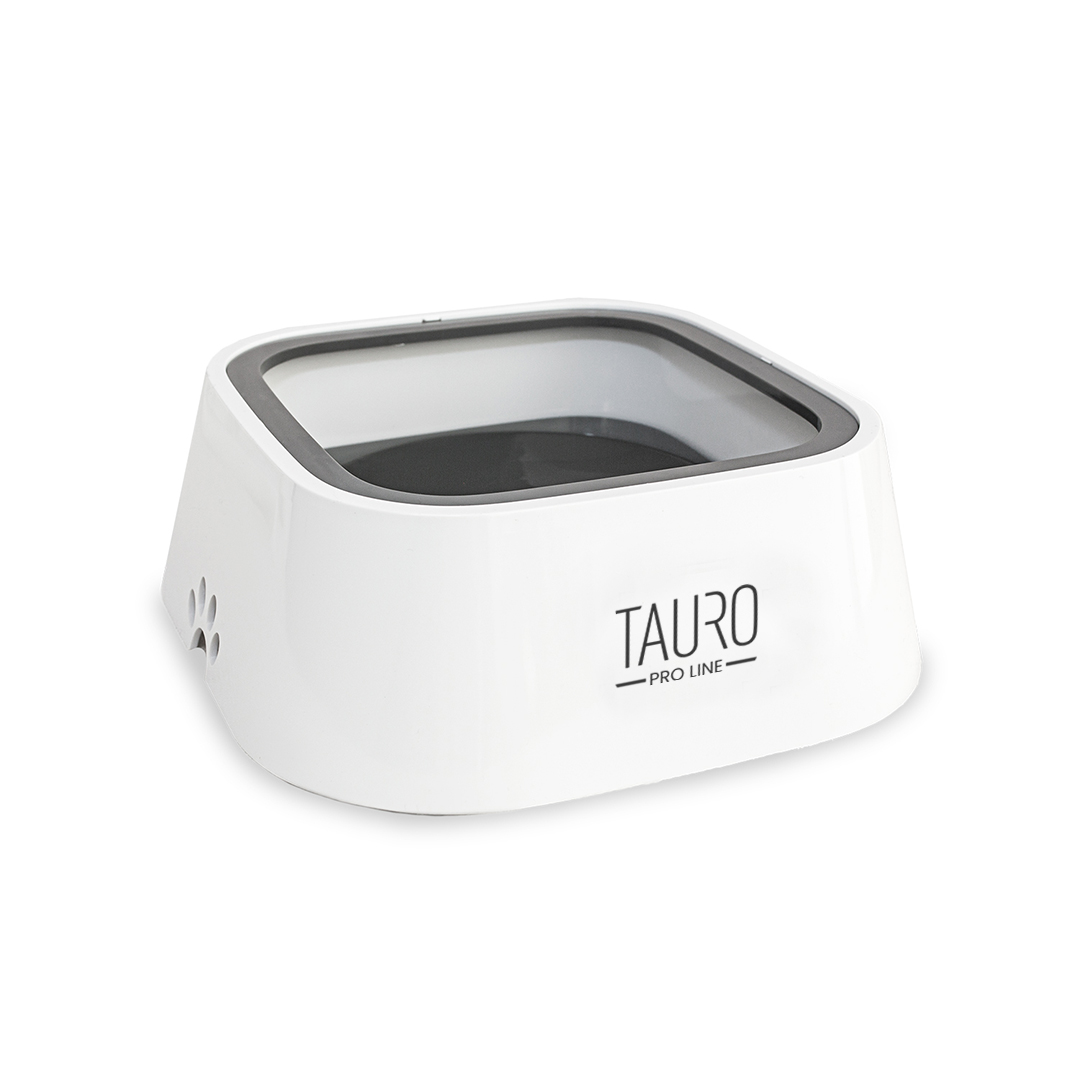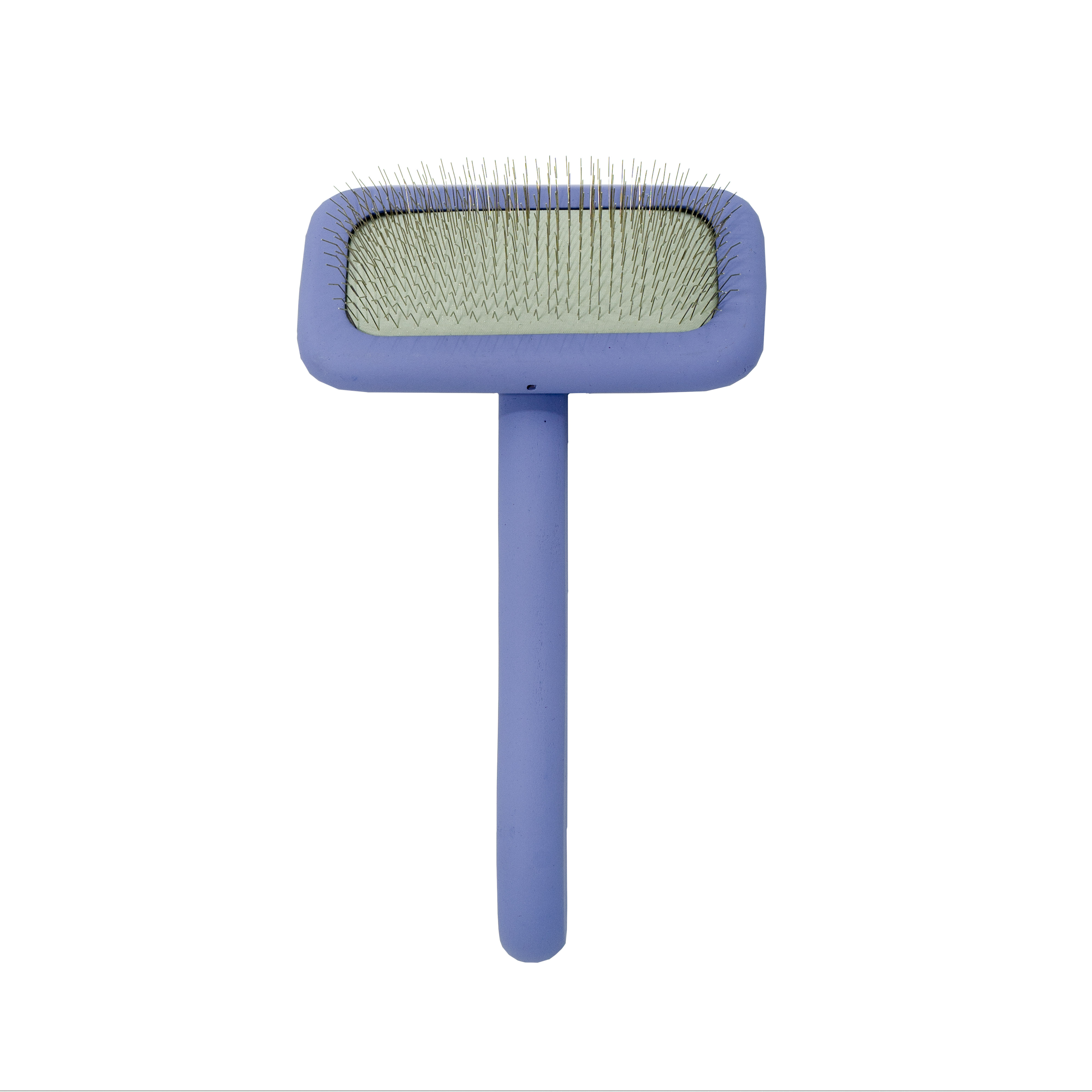

Successful dog grooming depends as much on tool selection as technique. A brush meant for loose surface hair cannot perform the same task as a finishing comb, while a nail grinder serves a very different purpose from coat clippers. Grooming tools category for dogs organizes the available equipment by task so owners and professionals can find a suitable starting point.
Choose the area of grooming you want to work on:
A basic home kit may only require a brush, comb and nail care tool. Dogs with long, curly, dense or professionally styled coats may need dryers, clippers and several finishing tools. Equipment should therefore be selected according to coat structure, dog size, grooming frequency and the owner’s experience.
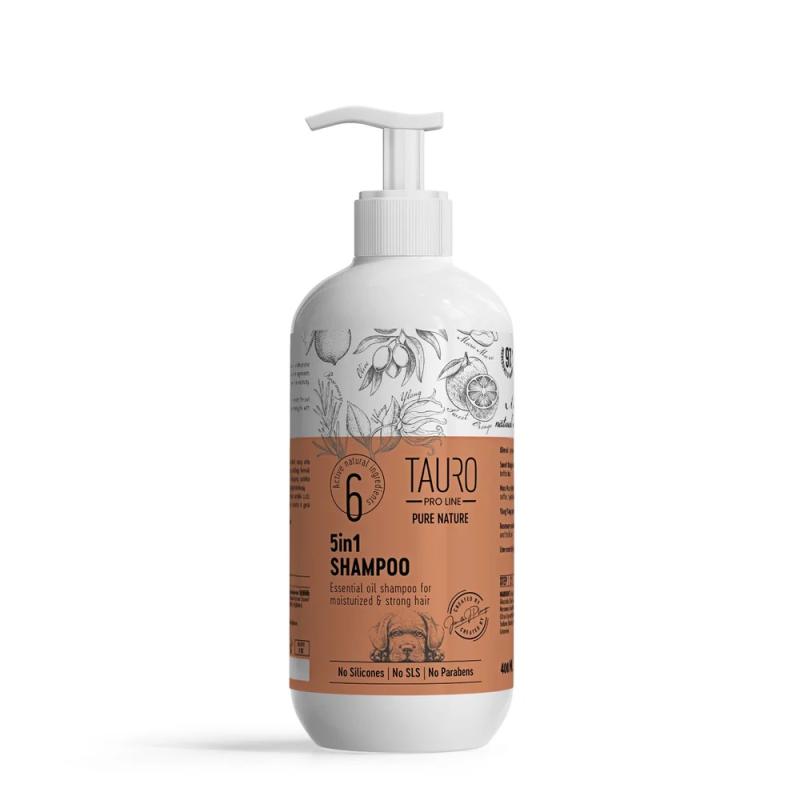
Tools also work best when the coat has been prepared correctly. Clean, conditioned and thoroughly detangled hair is generally easier to brush, dry and trim, so equipment can be paired with suitable skin & coat products for dogs.
This parent page provides an overview of the full tool range. The individual collections offer more focused comparisons between designs, sizes and functions. Sharp, powered or professional-grade equipment should always be introduced carefully and used according to its instructions.
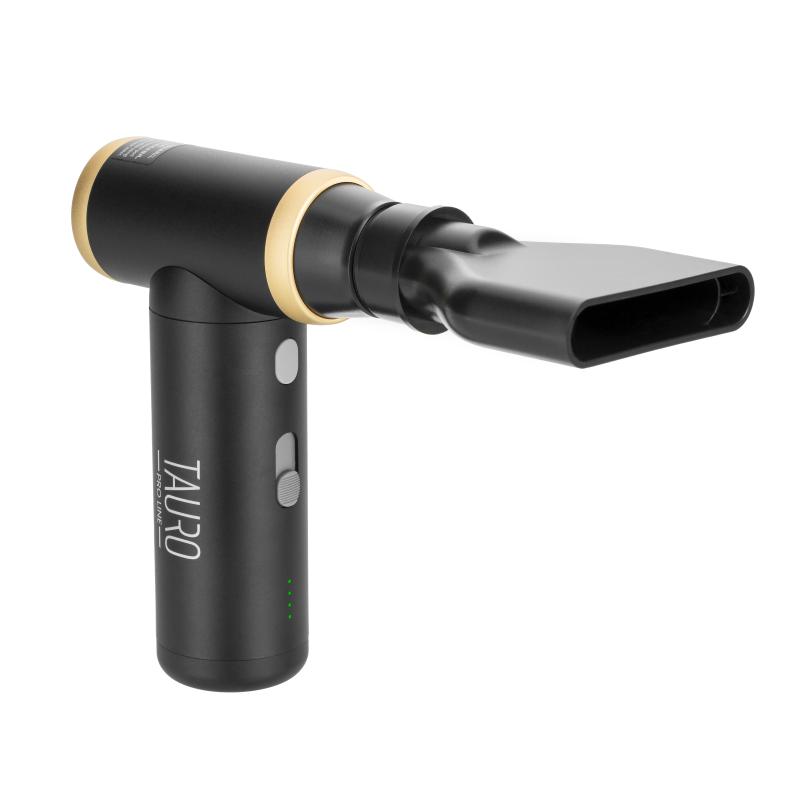
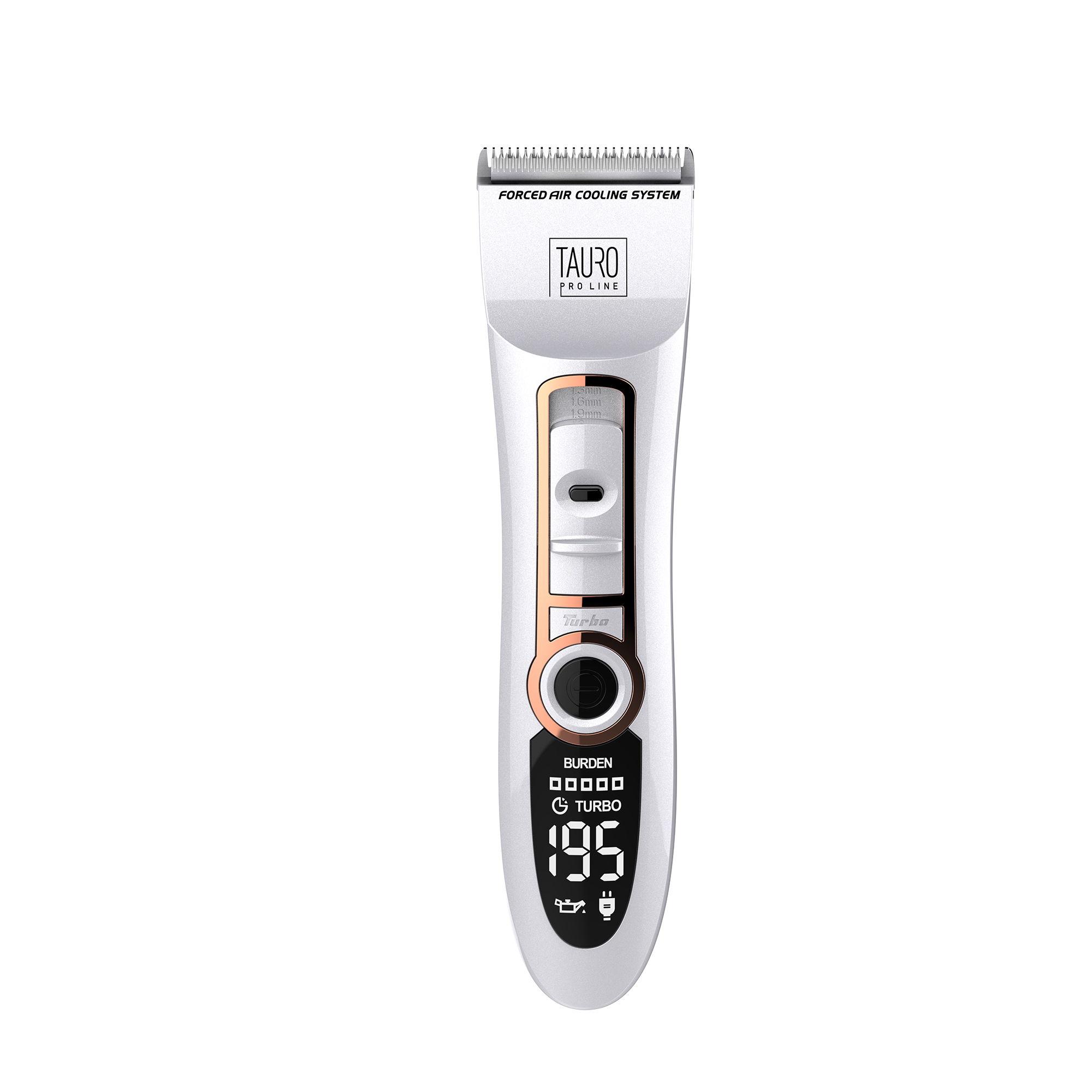
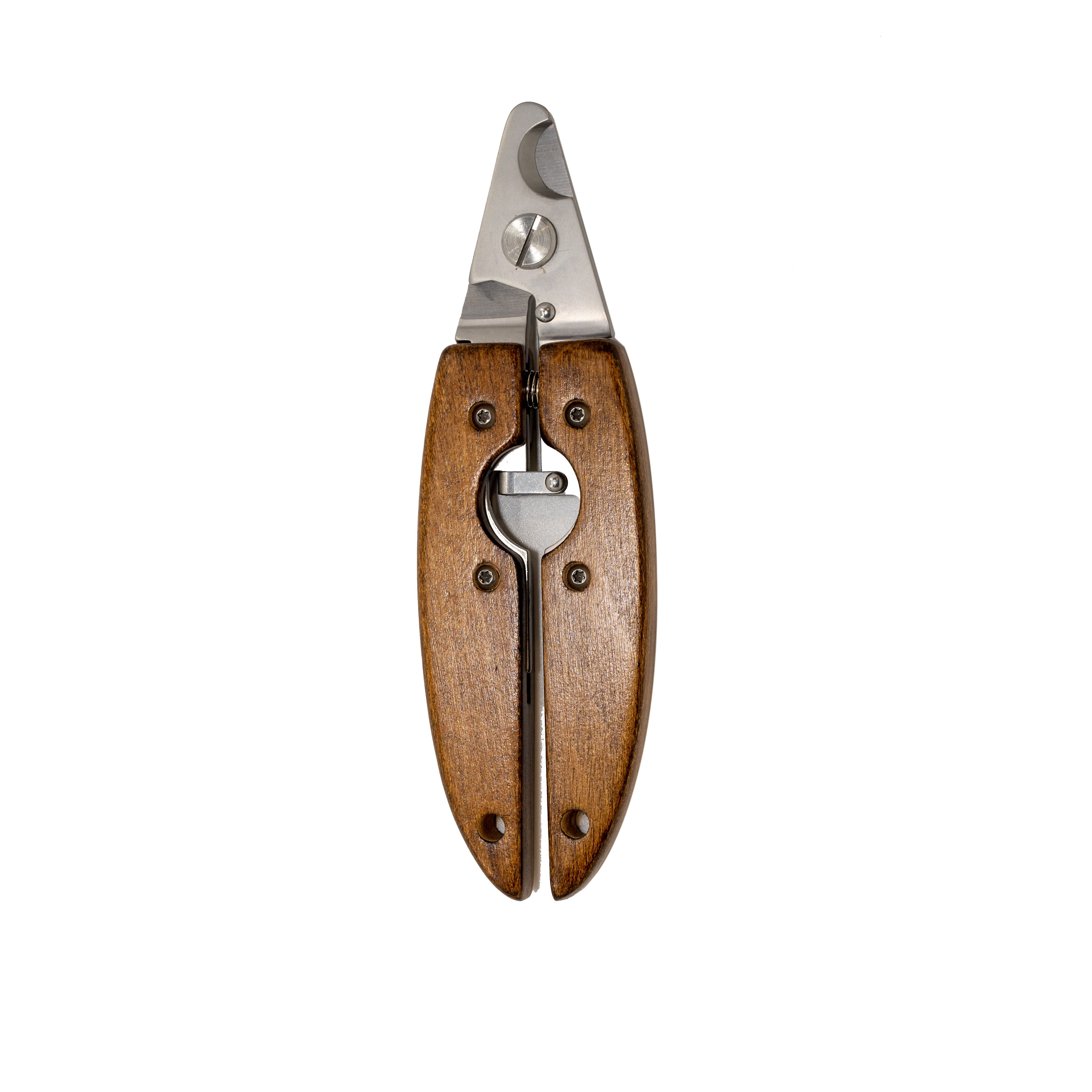
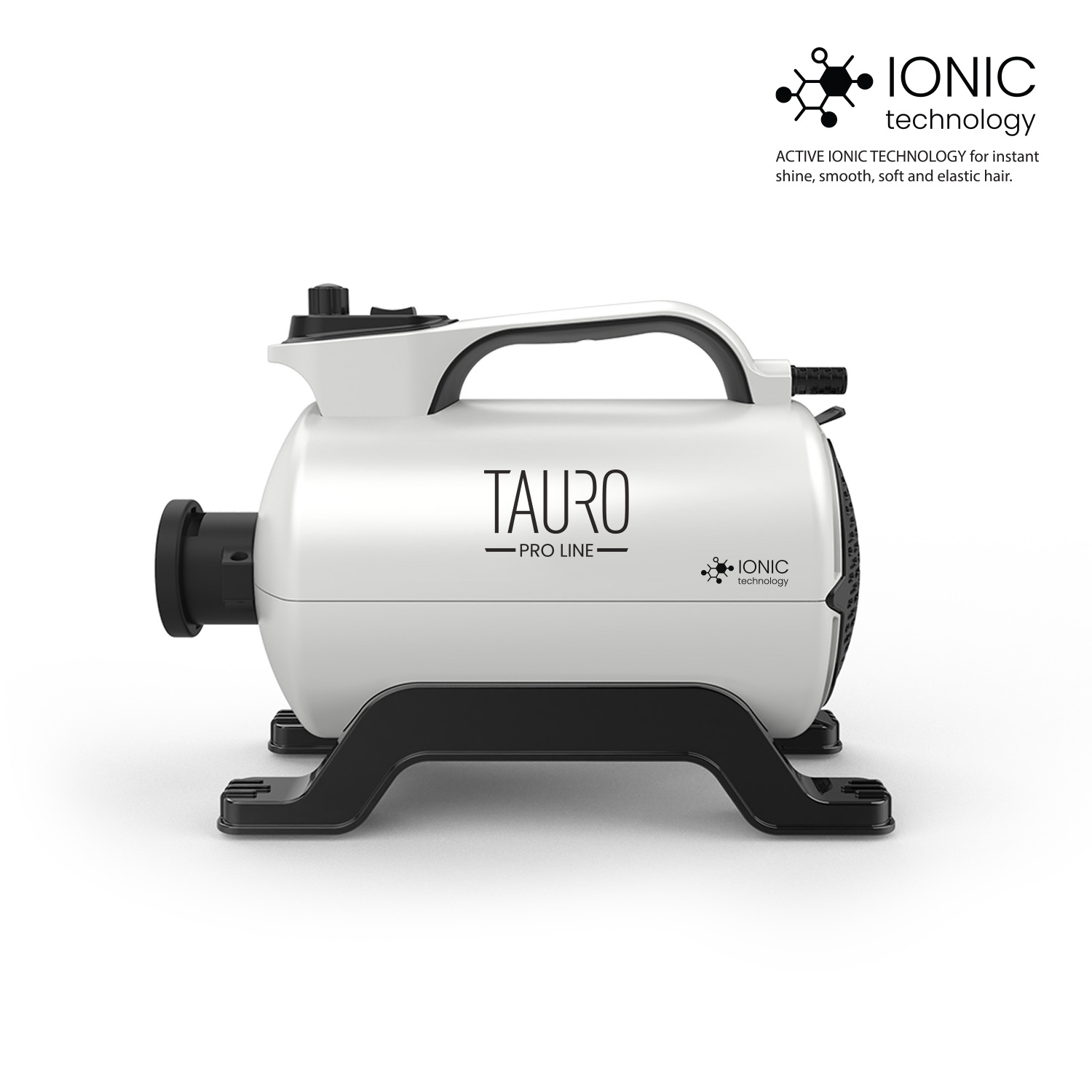
The category includes brushes, combs, dryers, clippers, scissors, nail grinders, bathing systems and larger grooming equipment. Each subcategory focuses on a different task within coat or nail maintenance.
A simple starting kit usually includes a suitable brush, a comb for checking the coat and a nail care tool. Additional equipment should be added according to coat type and the grooming tasks you plan to perform.
Short, long, curly, wire and double coats behave differently during grooming. A tool that removes loose hair from one coat may pull or achieve very little on another. Read the intended coat guidance and avoid choosing solely by appearance or popularity.
Some are, but more advanced equipment may require practice, maintenance and careful handling. Powered clippers, sharp scissors and high-output dryers should not be used without understanding their controls and safety requirements.
Remove trapped hair after use and clean each tool according to its material and manufacturer guidance. Blades and scissors may require drying, lubrication or sharpening. Well-maintained equipment generally performs more consistently and is less likely to pull the coat.
Allow the dog to hear the equipment from a distance before bringing it close. Use short sessions, low settings where available and calm rewards. Do not force a frightened dog through a full drying or clipping session.
Yes. Excessive pressure, sharp edges, hot airflow or tools used close to moving skin can cause discomfort or injury. Stop if the dog becomes distressed or the tool begins catching unexpectedly.