Are White Dogs More Prone To Allergies: Top 5 Protein Sources In Dry Dog Food That Won’t Cause Allergic Reactions
28 Oct 2022
Allergies in dogs are a common phenomenon that directly affects around 80% dogs of all breeds. They can be caused by lots of different allergens and some of these allergens can be found in dog food.
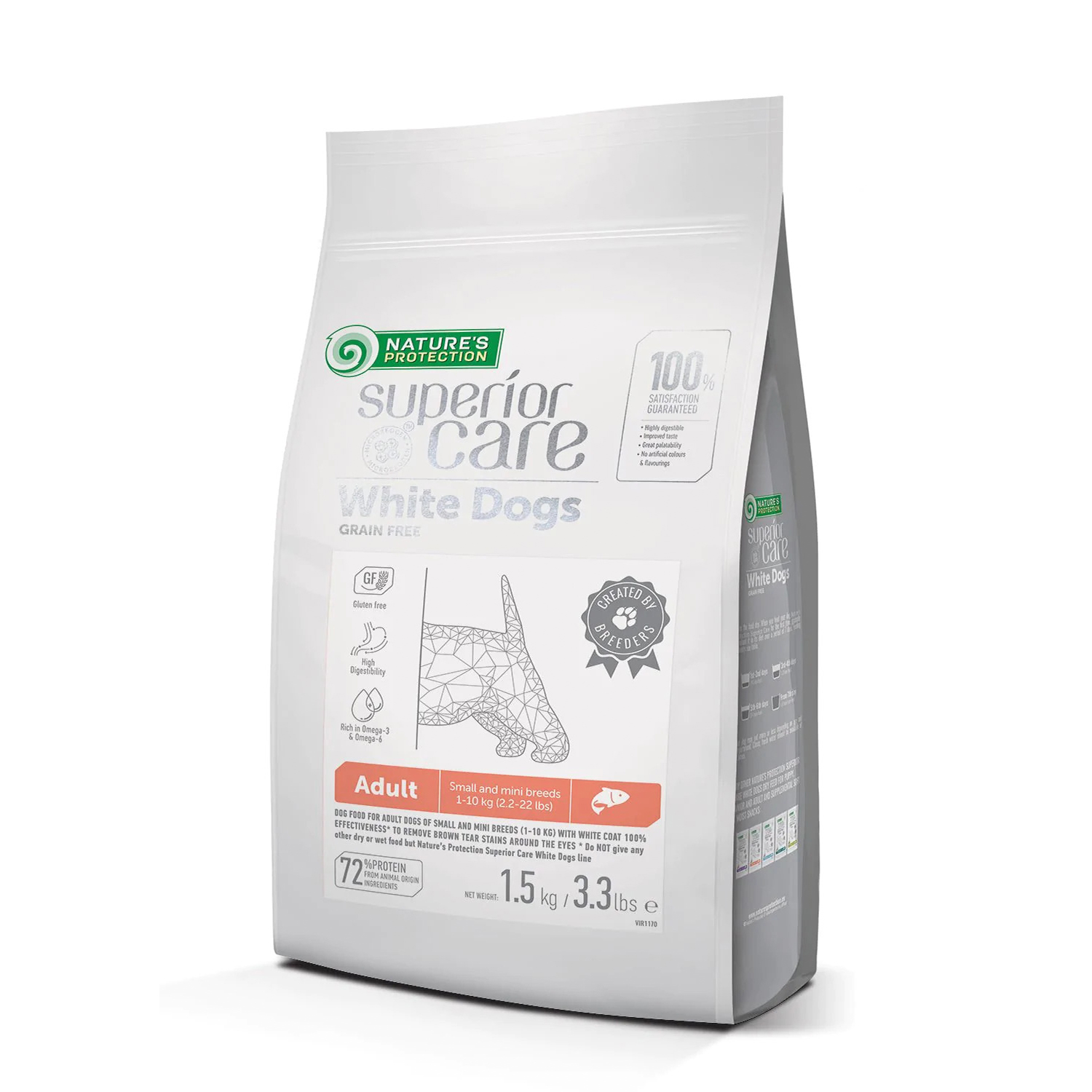
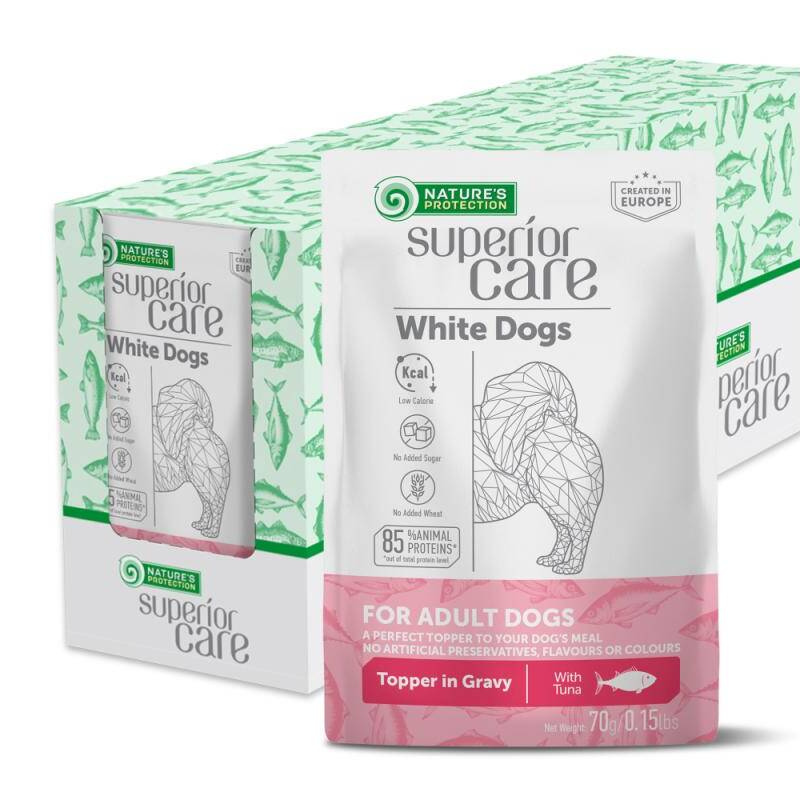
As a breeder of white dogs, I have noticed that brown tear stains are one of the first signs of food allergy. I have spent more than 3 years creating a dry food composition that is made explicitly for white dogs, which helps to prevent brown tear stains and ensures balanced nutrition. During the creation period, one of the first things the pet nutritionists and I did was seek out the best anti-allergenic protein sources.
Are white dogs really more prone to allergies?
White dogs are not necessarily allergic because their coat is white, but allergic reactions and food sensitivities are often much easier to notice on them. A brown tear stain, paw staining, reddish beard, dull coat, or irritation around the eyes can appear very quickly on a white coat. On darker dogs, the same reaction may be present, but it may be harder for the owner to see.
This is why many white dog owners feel that their pets are more allergy-prone. In reality, white-coated breeds often need more careful monitoring because their coat shows signs of imbalance very clearly. If the nutrition is unsuitable, if the dog reacts to a certain protein, or if digestion is poor, the coat may reveal the problem before other symptoms become obvious.
What are the signs of nutrition-based allergies?
Allergic reactions caused by food can appear in many ways, the most common are:
Skin redness, irritation, flaking;
Brown stains around eyes, mouth, or paws;
Strong, unpleasant smell from ears, redness of the ear canal, excess amount of earwax;
Redness in between paw toes, excess licking, irritation, browning of the coat;
Swelling or brown stains appearing on the face;
Changes in the pigment or hair breakage in the coat, in other cases even balding.
Food allergy vs food sensitivity
Not every negative reaction to food is a true allergy. A food allergy involves the immune system reacting to a specific ingredient, often a protein. A food sensitivity or intolerance may affect digestion, skin condition, stool quality, or coat appearance without involving the same immune response. For the dog owner, the symptoms can look very similar, which is why it can be difficult to identify the exact cause without observation and, in some cases, veterinary guidance.
This distinction matters because changing food randomly may not solve the problem. If a dog reacts to a certain protein source, switching to a formula with a carefully selected alternative protein may help. However, if the issue is caused by poor digestibility, unsuitable treats, table scraps, or an underlying health condition, the feeding routine needs to be reviewed more broadly.
What protein sources may cause allergic reactions?
When creating the dry food, the pet nutritionists, veterinarians and I have concluded, that the various common proteins in dog food, even the most popular ones, can cause allergic reactions in white dogs. This is what we found:
68% of white dogs have shown symptoms of allergic reactions after being fed dog food with beef, wheat, pork, milk, or other dairy products as the main protein source.
25% of white dogs showed allergic reactions after being fed food containing chicken, eggs or soybean as a main or a secondary protein source.
These conclusions are why, the main objective for us, was to find the protein sources which will not only ensure the dog will obtain all the needed nutrients, but will also help avoid allergic reactions or at least those caused by nutrition. After a research we discovered 5 protein options that can help to achieve balanced nutrition for my white dogs.
Top 5 anti-allergenic protein sources
1. Salmon
Sustainably sourced Norwegian salmon has a high level of omega-3 fatty acids together with DHA and EPA, and contains vitamins, such as A, B, D, E and K that are crucial for ensuring the smooth functioning of the body.
The Omega-3 fatty acids are key components that aid in the lubrication of joints and ligaments, together with anti-inflammatory properties. Vitamin A is known for its properties in bone and immune health, Vitamin B promotes healthy cells, Vitamin D regulates the absorption of calcium, and Vitamin E plays a key role in keeping the skin and coat healthy. Vitamin K helps blood clot and produce energy in the cells.
EPA and DHA are long-chain Omega-3 polyunsaturated fatty acids. As the organism of the dog does not produce them naturally, these fatty acids must be obtained through nutrition. EPA plays a key role in managing anti-inflammatory problems related to joints, muscles, skin, and coat, heart, and bladder diseases. DHA works as a building block and is found in the brain and eye nerve tissue, which allows it to enhance vision and cognitive function.
2. Antarctic krill
It is a small, swarming, shrimp-like crustacean that is sustainably sourced in the Southern Ocean. This MSC-certified marine ingredient is rich in digestible protein and highly palatable, Omega-3 fatty acids, and antioxidants, which is why it is being used more and more in pet food.
Omega-3 is firstly essential for ensuring the functioning of every cell in the body. Furthermore, it can help increase the absorption of vitamins and minerals, stimulate hormone production, ensure healthy growth, and development, and can help prevent treatment and diseases.
Together with Omega-3 fatty acids krill also contains choline. This organic compound has an essential function in the physiological processes that may help prevent heart, liver, and kidney diseases.
3. White Fish
White fish, particularly Atlantic cod, Whiting, Haddock, Hake, Pollock, and others, are an easily digestible protein source perfect for dogs that are prone to liver or kidney disease. Due to the easy digestibility of the protein, foods based on this source are great for all allergy-prone dogs.
White fish oil-based food combined with constant exercise can have a great impact on LDL cholesterol, glucose levels, cardiovascular health, and strengthening of the immunity in dogs. That is why, this protein source is great for well-trained or active dogs that are working (e.g. police dogs, mountain rescue dogs) or actively participating in shows.
4. Insects
Insects such as Black Soldier Fly (BSF) is a great source of energy, proteins, fatty acids, and minerals for those dogs, which are prone to nutrition-based allergies. This protein in dog food is not only an ecological but also an ethical choice as it is an easily renewable, nutrient-filled source.
5. Lamb
Lamb is a red meat, which is a perfect source of iron, meaning that it is great for dogs which have iron deficiency, in most often cases due to chronic blood loss or puppies that have been fed poor diets. This protein source is filled with amino acids, calcium and right amounts of fat, which are a crucial element in transportation of fat-soluble vitamins in the body so they can be absorbed.
Lamb is a good choice for dogs that prefer meat over fish or insects in their diet, yet cannot consume beef, chicken or pork because of allergies or problems with the digestive system.
Below is a simple table comparing the nutritional aspects of each protein source:
Nutrient
Lamb
Salmon
White Fish
Antarctic krill
Insects
Protein
High-quality protein
High-quality protein
Lean protein
High-quality protein
High-quality protein
Omega-3 Fatty Acids
Present (beneficial for coat and joints)
Abundant (supports coat, joints, and cognitive function)
Present (supports coat and anti-inflammatory)
Abundant (supports coat, joints, and cognitive function)
Present (supports coat and overall health)
Vitamins
B12, Vitamin D
B12, Vitamin D
B12, Vitamin D
Vitamin A, Vitamin E
B12, Vitamin D
Minerals
Iron, Zinc, Selenium
Iron, Zinc, Selenium
Phosphorus, Selenium
Phosphorus, Calcium, Magnesium
Iron, Zinc, B vitamins
Other Benefits
Easily digestible, supports immune health
Supports cognitive function, joint health
Gentle on sensitive stomachs, supports anti-inflammatory response
Flavorful, easily digestible, contains choline that helps prevent heart, liver and kidney diseases
Sustainable, rich in essential amino acids
What I have noticed when breeding dogs with white coat is that they are like a piece of white paper – if the nutrition is unbalanced it will show on their coat. A white coat dog will not allow you, as the owner, to take shortcuts regarding his health. That is why it is important to know the needs of the breed, choose high quality, balanced, functional food and healthy, natural skin and coat care products from day 1. That is my recommendation based on the experience, research, and cases I have noticed through 35 years of breeding, grooming, and working directly with dogs.
How to test whether protein is the problem
If you suspect that your dog is reacting to a protein source, avoid changing too many things at once. Choose one complete food with a carefully selected protein and feed it consistently for several weeks. During this time, avoid table scraps, random treats, flavored chews, and other foods that may contain hidden proteins.
Keep track of symptoms such as itching, paw licking, ear redness, tear stains, stool quality, coat shine, and skin irritation. If symptoms improve, the previous protein source or formula may have been part of the problem. If symptoms continue or become worse, consult your veterinarian, as allergies, parasites, infections, or hormonal issues can cause similar signs.
How long does it take to see results after switching protein sources?
When changing to a new food, owners should not expect tear stains or coat changes to disappear immediately. Existing stained hair will usually need to grow out, and the body needs time to adjust to the new protein source. Some dogs may show improvements in stool quality, digestion, or itching first, while visible coat changes may take longer.
For white dogs, the clearest results are usually seen through new coat growth. If the new diet suits the dog, the new hair may appear cleaner, brighter, and less stained over time. During this period, consistency is very important. Mixing in unsuitable treats, leftovers, or other foods can make it difficult to understand whether the new formula is helping.
Breeding dogs for more than 35 years brought me to my mission – to understand and create the best products for pets. I’m ready to share my long-tested and thoroughly created pet care system with you!
Janita J. Plungė is an experienced breeder, cynologist, groomer and pet product developer with more than 35 years of experience working with dogs. Her first dog, a silver poodle named Kika, inspired her lifelong interest in animal care and led her to begin working as a groomer at the age of 16. She later became president of a poodle club and, at the age of 23, the youngest international dog show judge in the world. As the founder of KIKA Group, she has grown the business to more than 130 retail stores in Baltic states, 3 factories and top 4 kennel in the world with over 2,000 champion titles, exports to over 60 countries around the world and over 700 wholesale business partners. Her mission is to help pets live healthier and happier lives through carefully developed nutrition, grooming and daily care solutions.
Skills:
Pet groomingDog showsVeterinary careDog breedingProduct DevelopmentPet nutrition





.jpeg)