Wet vs Dry Cat Food: Which Is Better for Your Cat?
30 Apr 2025
Feeding your feline friend is more than just filling a bowl — it’s about making choices that impact their health, hydration, energy, and longevity. One of the most common questions cat parents ask is: Should I feed my cat wet or dry food?
The answer is not always the same for every cat. Some cats do very well on wet food, others prefer dry food, and many benefit from a combination of both. The best choice depends on your cat’s age, lifestyle, health needs, eating habits, and personal preferences. Understanding the strengths and limitations of each option can help you make a more informed decision.
Wet Cat Food: Hydration and Taste in One
Wet cat food is rich in moisture — often around 75-85% — which closely mimics what cats would naturally consume in the wild. The moisture content is especially beneficial for cats that don’t drink much water on their own.
Cats naturally have a low thirst drive compared with many other animals. In the wild, they would get much of their hydration from prey. For indoor cats, especially those eating mainly dry food, water intake can sometimes be lower than ideal. This is one of the main reasons wet food is often recommended for cats that need extra hydration support.
✅ Benefits:
Supports Urinary Health: The high moisture content supports kidney function and helps prevent urinary tract issues. Proper hydration helps dilute the urine, which may reduce the concentration of minerals that can contribute to urinary crystals or bladder discomfort. This can be especially important for cats that have a history of urinary tract concerns.
Highly Palatable: The texture and aroma are often more appealing to picky eaters. Wet food tends to have a stronger smell and softer texture, which can make it more attractive to cats with reduced appetite, senior cats, or cats that are selective about food.
Suitable for Weight Control: With fewer calories per gram, wet food can help manage weight when portioned correctly. Because wet food contains more water, it can help cats feel fuller while consuming fewer calories. This can be useful for indoor cats that are less active or cats that need help maintaining a healthy body weight.
❌ Considerations:
Must be refrigerated after opening
Generally more expensive than dry food
Not ideal for free-feeding
Wet food should not be left out for long periods, especially in warm rooms, as it can dry out or spoil. It also requires more planning, as opened cans or pouches need to be stored properly and used within a reasonable timeframe.
Try this from our collection:
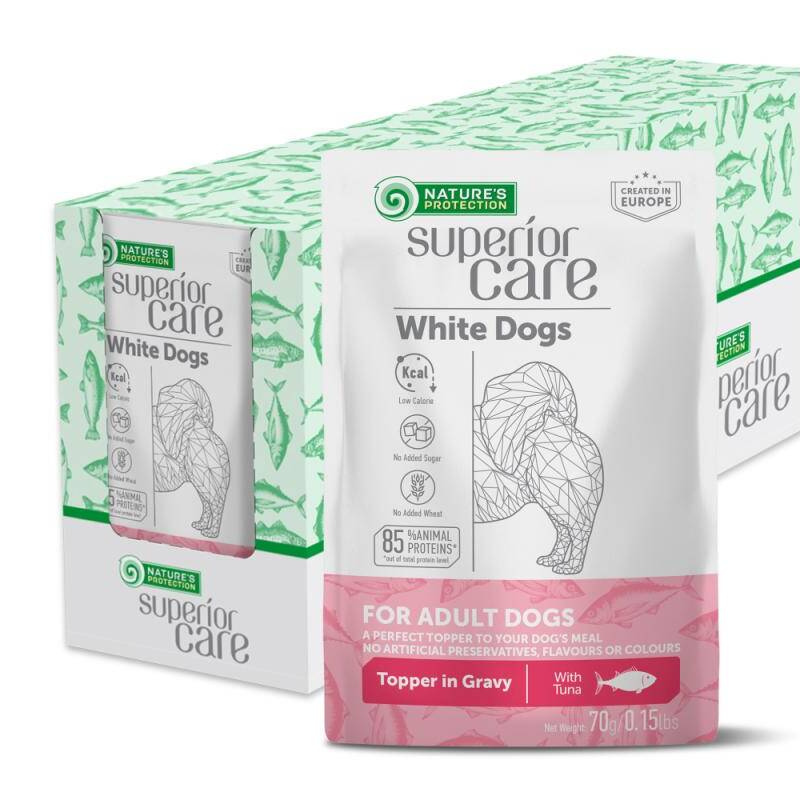
Superior Care Tuna Wet Cat Food – A new, single-source protein formula for cats with sensitivities or allergies. A single-source protein recipe can be a helpful option for cats with food sensitivities, as it makes it easier to identify and avoid ingredients that may not agree with your cat.
Dry Cat Food: Easy, Crunchy & Convenient
Dry food (also called kibble) typically has around 10% moisture content and is popular for its convenience, affordability and shelf stability. Dry cat food is often a practical choice for busy households. It is easy to measure, simple to store and can be used in automatic feeders or puzzle toys to encourage slower eating and mental stimulation.
✅ Benefits:
Easy Storage & Portion Control. Dry food is simple to keep fresh when stored in a sealed container away from heat and moisture. It is also easy to weigh or measure, which helps with consistent feeding.
Crunchy Texture May Aid in Dental Health. The crunchy texture of some dry foods may help reduce plaque buildup to a degree, although it should not be relied on as the only form of dental care.
Long Shelf Life: Great for multi-cat households and busy pet parents. Dry food can be especially convenient if you have more than one cat or need a feeding option that stays fresh longer than wet food once opened.
(Note: Crunchy food can help reduce plaque but is no substitute for brushing or dental care.)
❌ Considerations:
Lower in moisture — can be dehydrating if your cat doesn’t drink much
Because dry food is more calorie-dense, even small extra portions can add up over time. This is why it is important to follow feeding guidelines, adjust portions based on your cat’s body condition and avoid continuously topping up the bowl without measuring.
Explore this top choice:
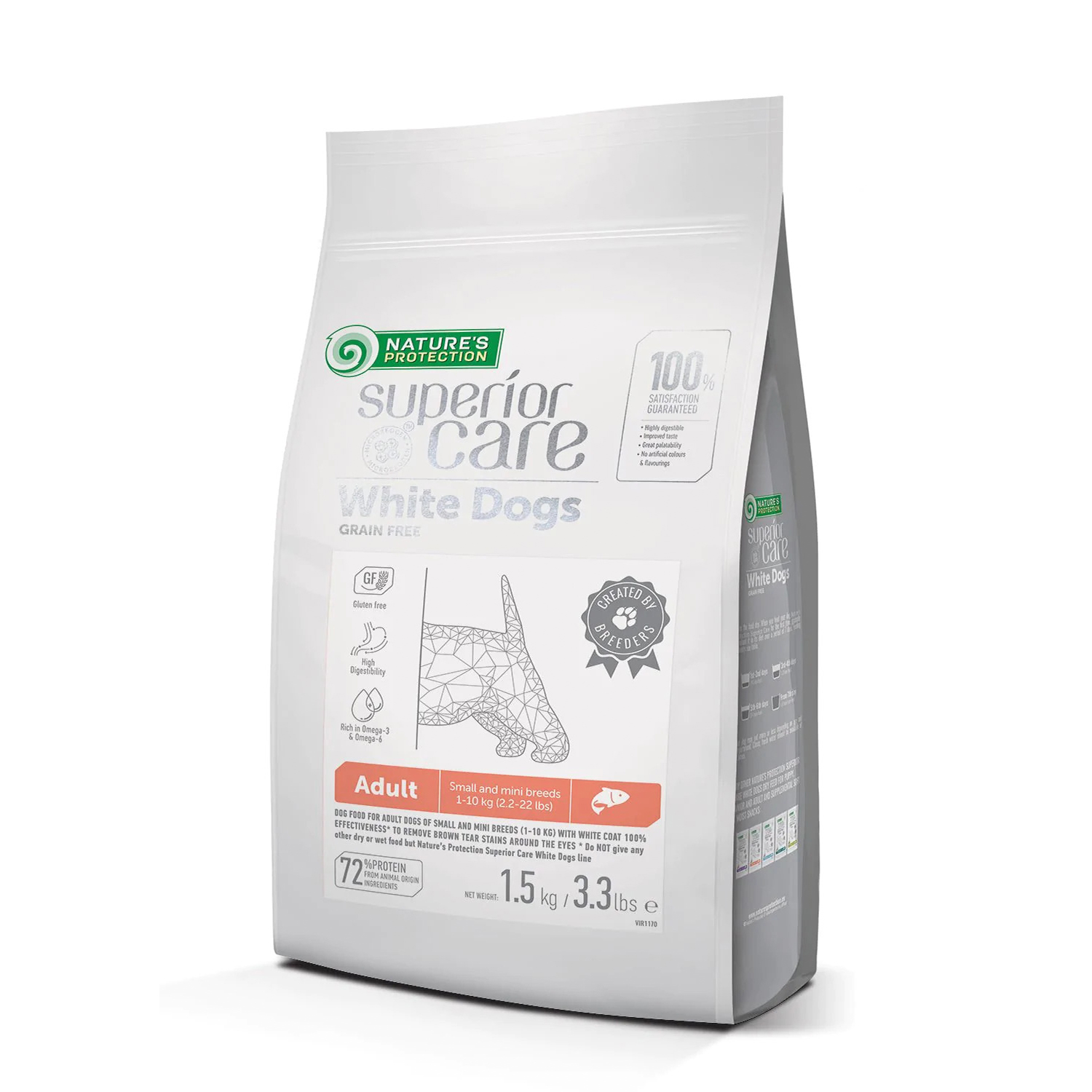
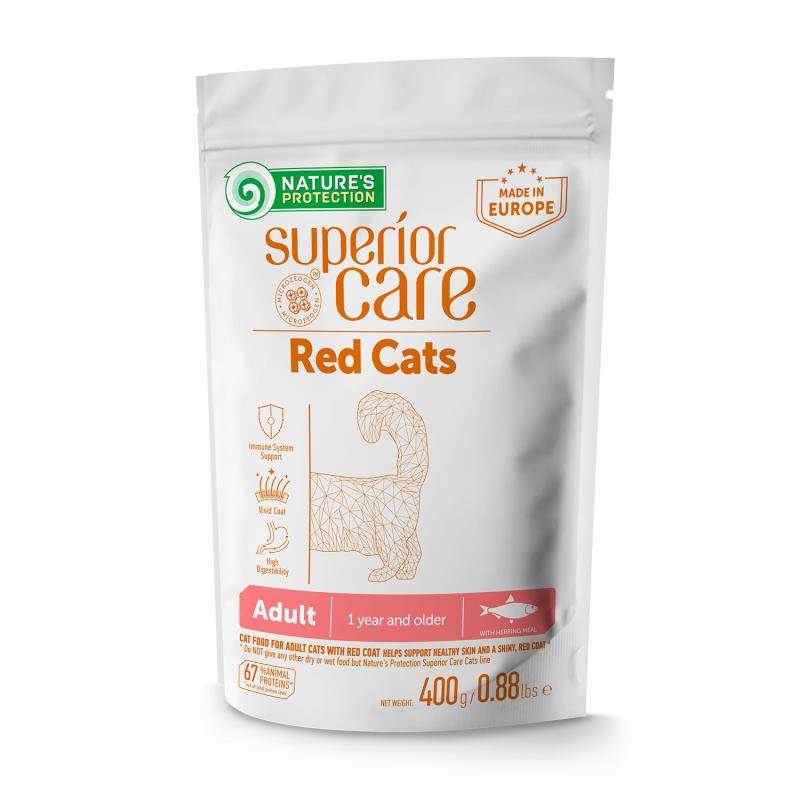
Superior Care Dry White Cat Food with Herring– Enriched with DL-methionine, omega-6, and omega-3 fatty acids to support skin health, immunity, and urinary tract health. Ingredients that support urinary tract health can be especially valuable for cats that are prone to urinary discomfort, while omega fatty acids help maintain healthy skin and a shiny coat.
Can I Feed Both Wet and Dry Cat Food?
Absolutely! Many pet nutritionists recommend mixed feeding — offering wet and dry food to balance hydration, convenience, and nutrition.
Mixed feeding can be a practical middle ground. Your cat gets the hydration and taste benefits of wet food while still enjoying the convenience and texture of dry food. It can also prevent boredom by giving your cat more variety in meals.
Mixed Feeding Tips:
Feed wet food in the morning and dry in the evening or vice versa
Adjust portions to avoid overfeeding
Always provide fresh water
When combining wet and dry food, remember that both contribute to your cat’s total daily calorie intake. If you add wet food without reducing the amount of dry food, your cat may gain weight over time. Check the feeding recommendations on both products and adjust according to your cat’s age, size and activity level.
You can also use dry food in feeding puzzles or slow feeders to keep your cat mentally active, while serving wet food at set mealtimes to support hydration.
It’s a great way to add variety and keep your cat hydrated and satisfied.
So... Which One Is Best?
It depends on your cat’s:
Age & activity level
Hydration habits
Health conditions (like kidney or urinary issues)
Taste preferences
For example, kittens may need energy-dense food that supports growth, while senior cats may benefit from softer textures and added hydration. Cats with urinary or kidney concerns may need a diet recommended by a veterinarian. Overweight cats may benefit from carefully portioned wet food, while very active cats may need a higher-calorie feeding plan.
Your cat’s preferences also matter. Some cats strongly prefer one texture over another. If your cat refuses a certain type of food, changing gradually and offering different textures, such as pâté, chunks in gravy or different kibble shapes, may help.
When in doubt, consult your veterinarian. A mix of both types often gives your cat the best of both worlds.
Ultimately, there is no single perfect choice for every cat. The best diet is one that meets your cat’s nutritional needs, supports hydration, fits your routine and keeps your cat healthy, active as well as satisfied. Whether you choose wet food, dry food or a combination of both, consistency, portion control and fresh water should always be part of your feeding routine.
Kamilė Ausmanė is a veterinarian, Head of Pharmacy at the KIKA retail network, instructor and head of Tauro Grooming Academy, and President of the Pet Grooming Specialists’ Board of the Lithuanian Kennel Club. She earned her veterinary degree from the Lithuanian University of Health Sciences in 2014, but has been actively involved in dog grooming and dog shows for 17 years. The knowledge she has gained over the years allows her to take a broader approach to pet care, considering not only the appearance of the coat but also the importance of skin health, hygiene, and the animal’s overall well-being. She specializes in grooming Bichon Frises, Maltese dogs and Pomeranians, teaches both aspiring and practicing professionals, and conducts seminars in Lithuania and abroad. Kamilė also participates in dog grooming competitions, while the dogs she has groomed have won numerous World and European Championship titles.
Master's Degree (MSc) in Veterinary Medicine
— Lithuanian University of Health Sciences



.jpeg)