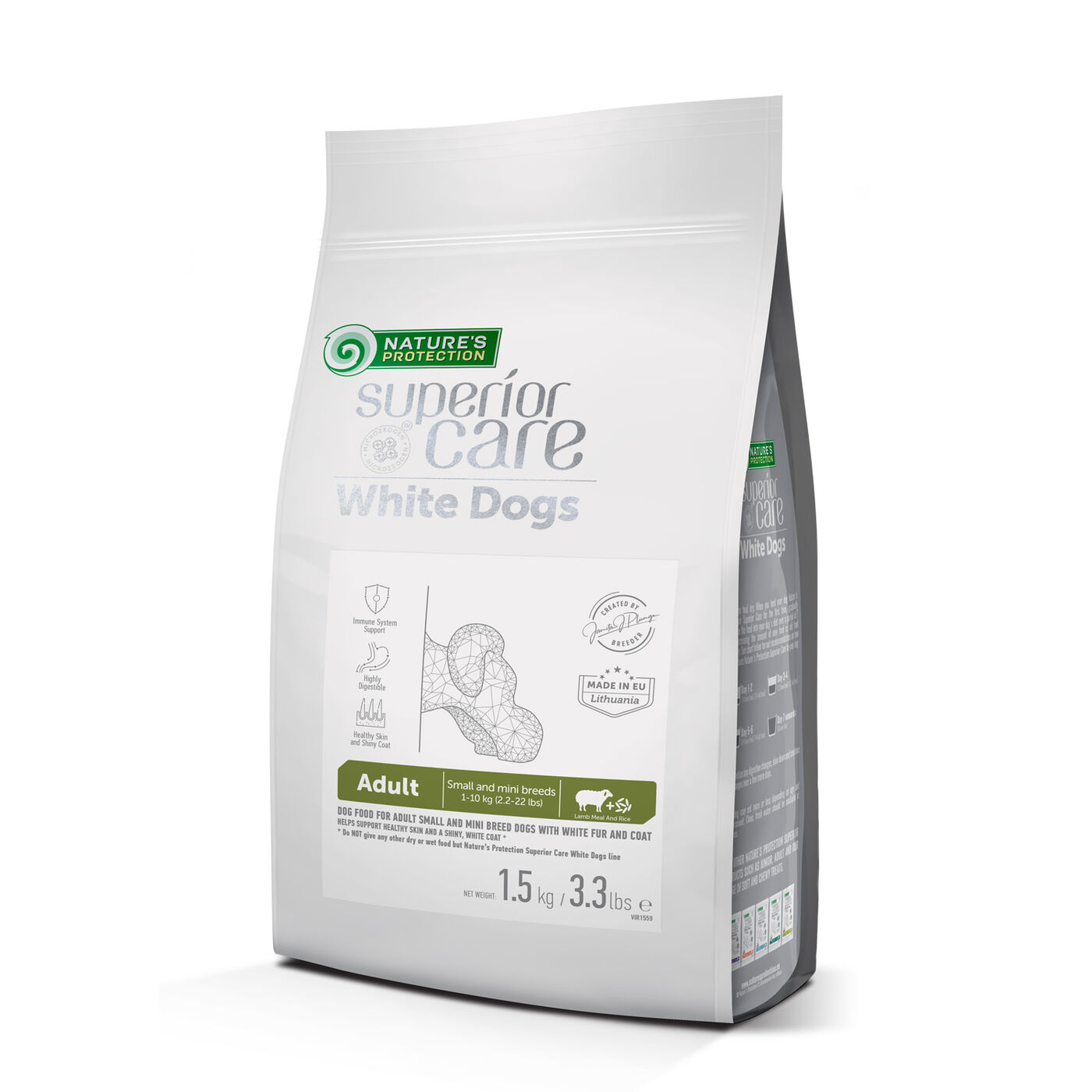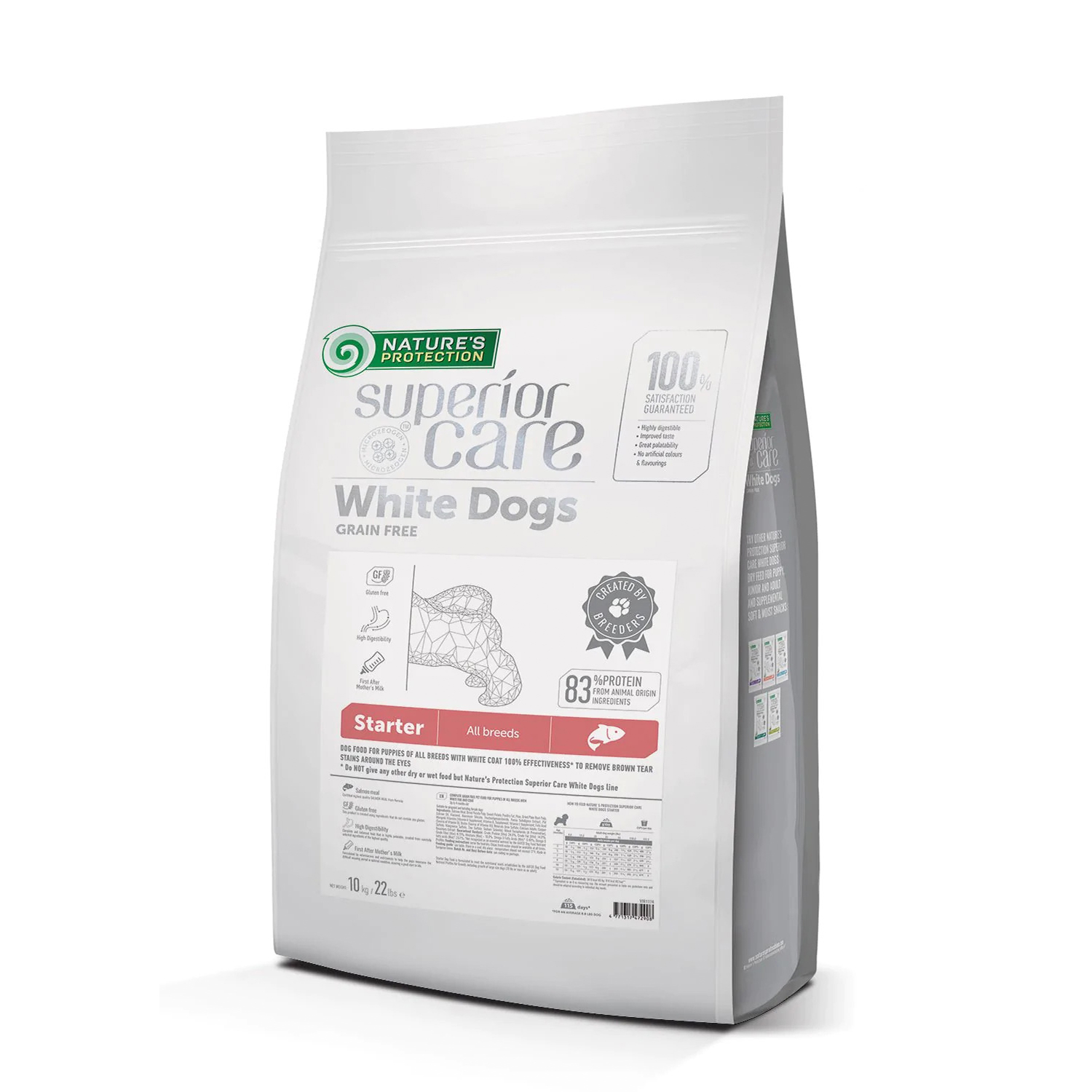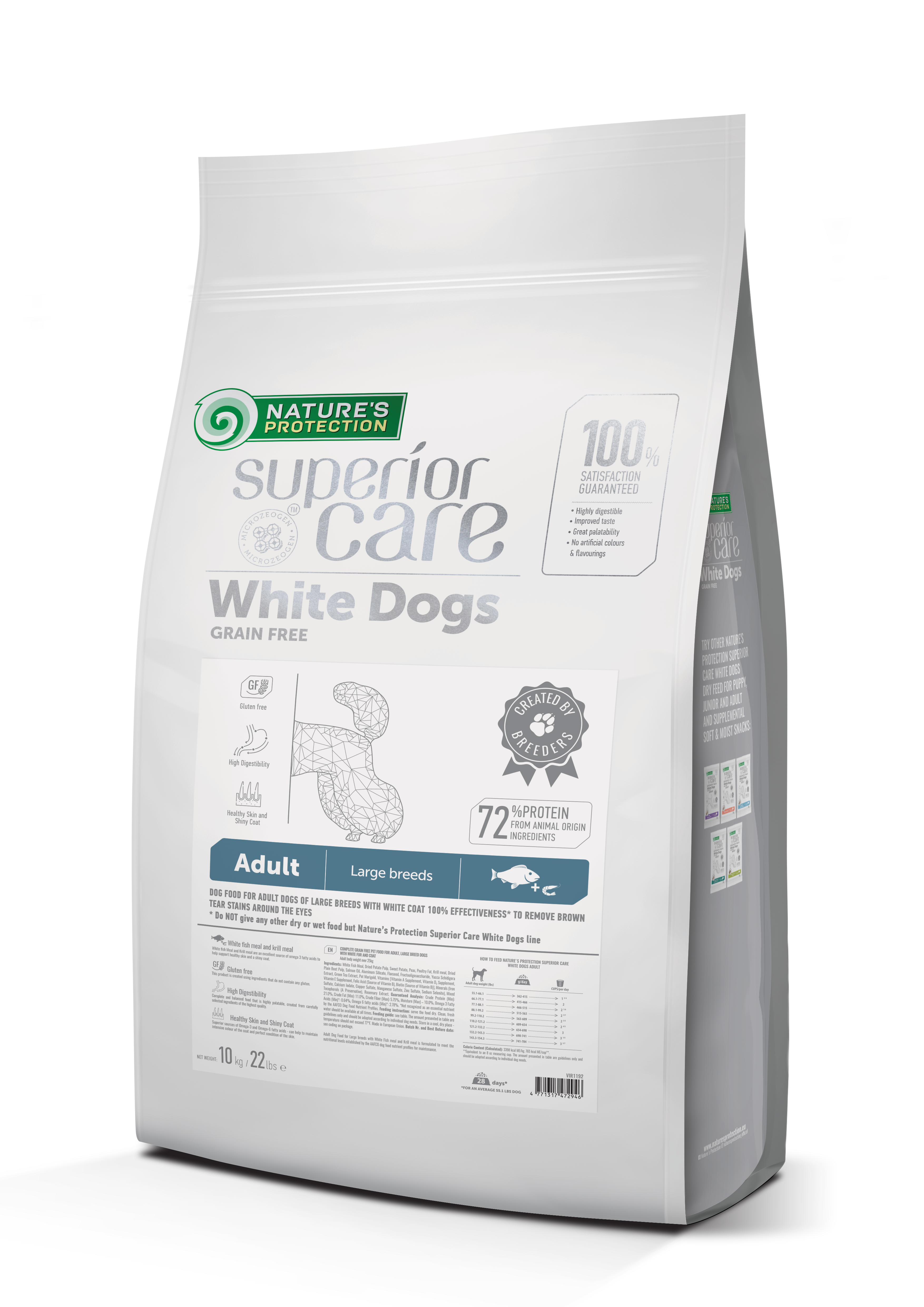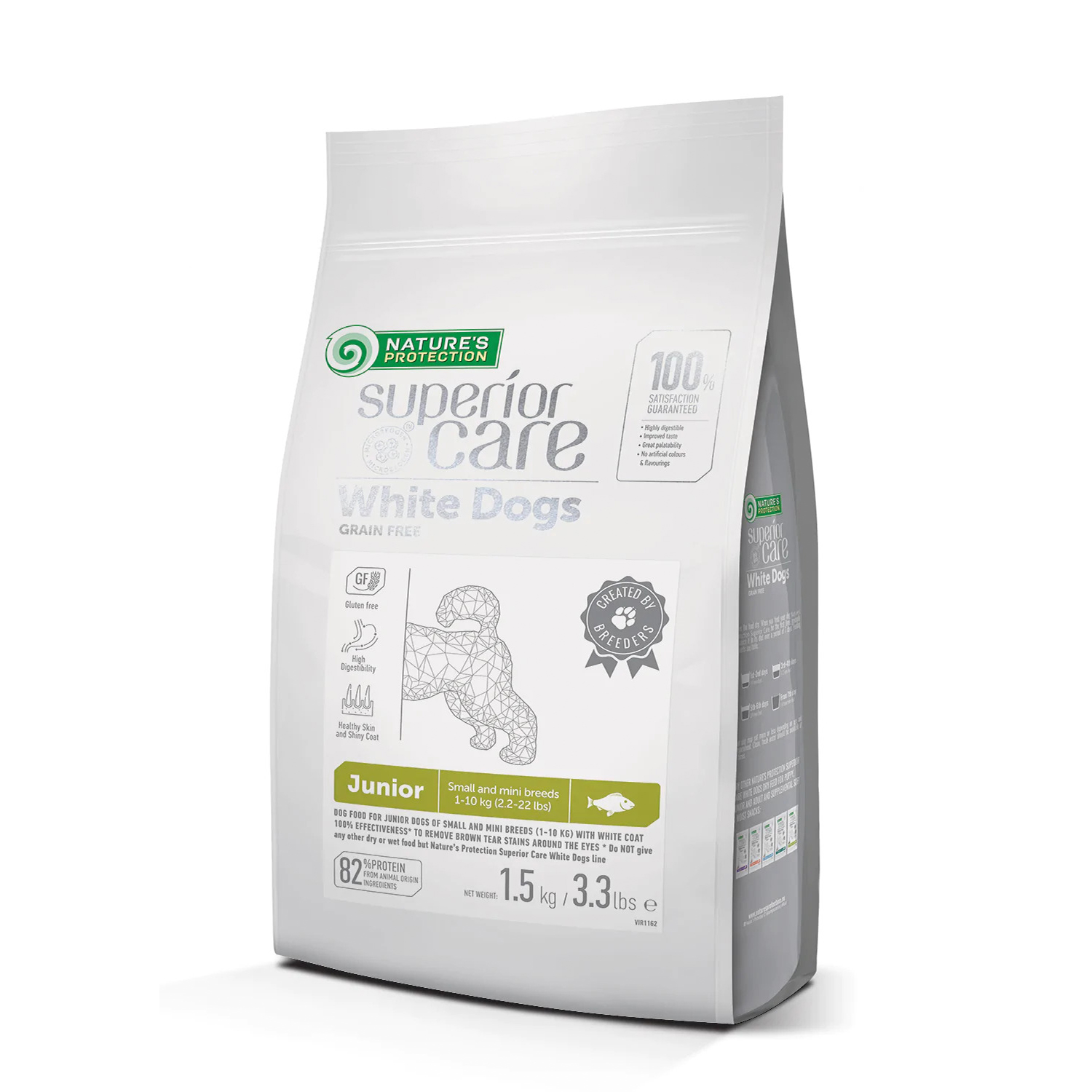
All Dog Food

The all-dog food category brings together every day feeding options for dogs of different ages, sizes, breeds and lifestyles. Whether you are feeding a puppy, an active adult dog, a senior pet or a dog with specific dietary preferences, this category helps you explore the main types of dog food in one place. A balanced feeding routine should support energy, digestion, skin and coat condition, healthy weight and overall wellbeing.


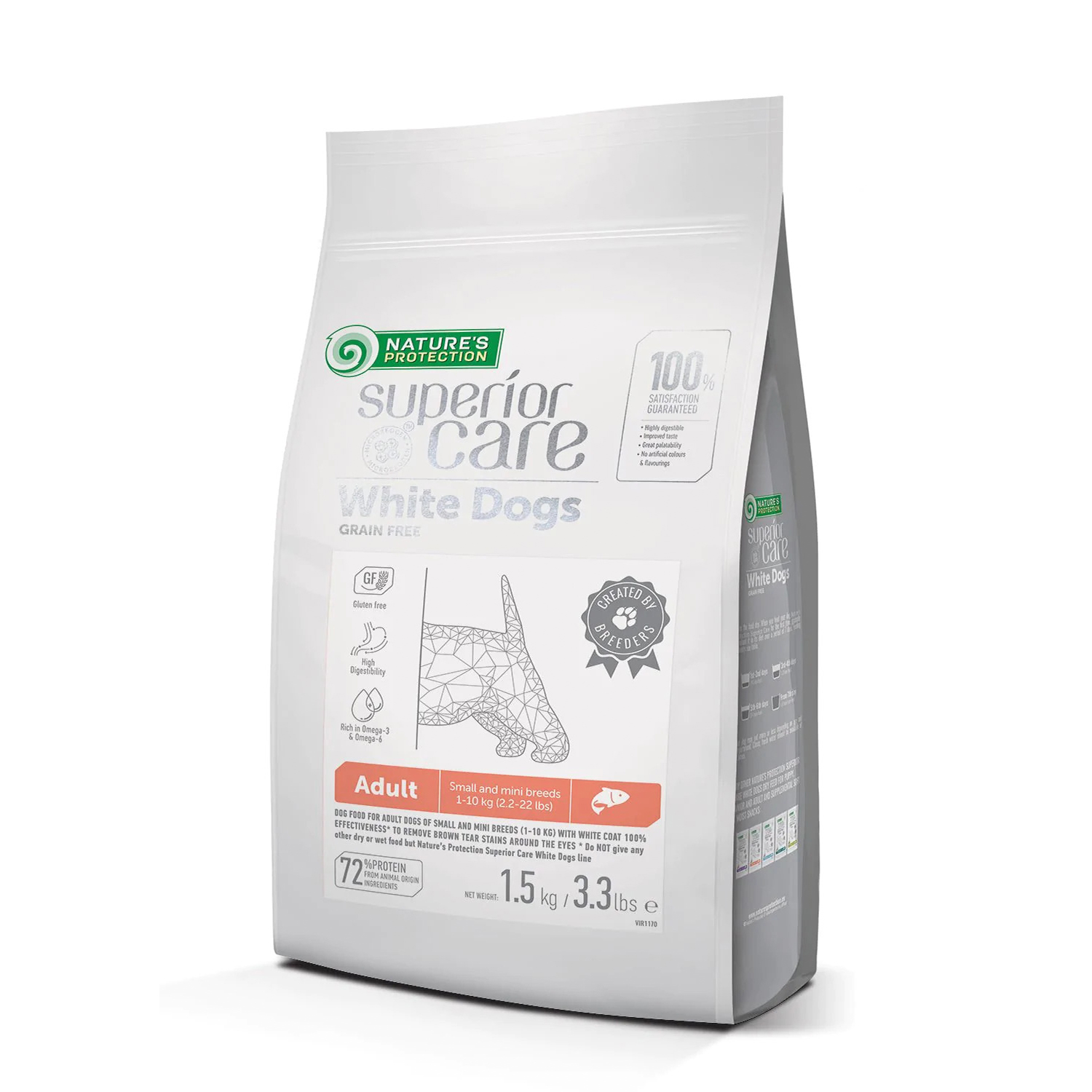
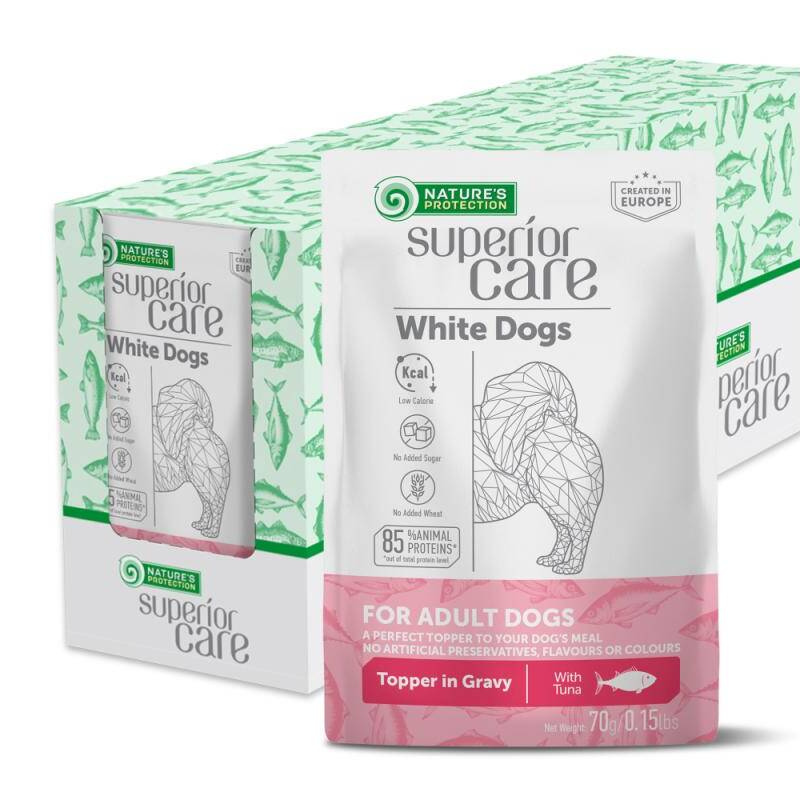
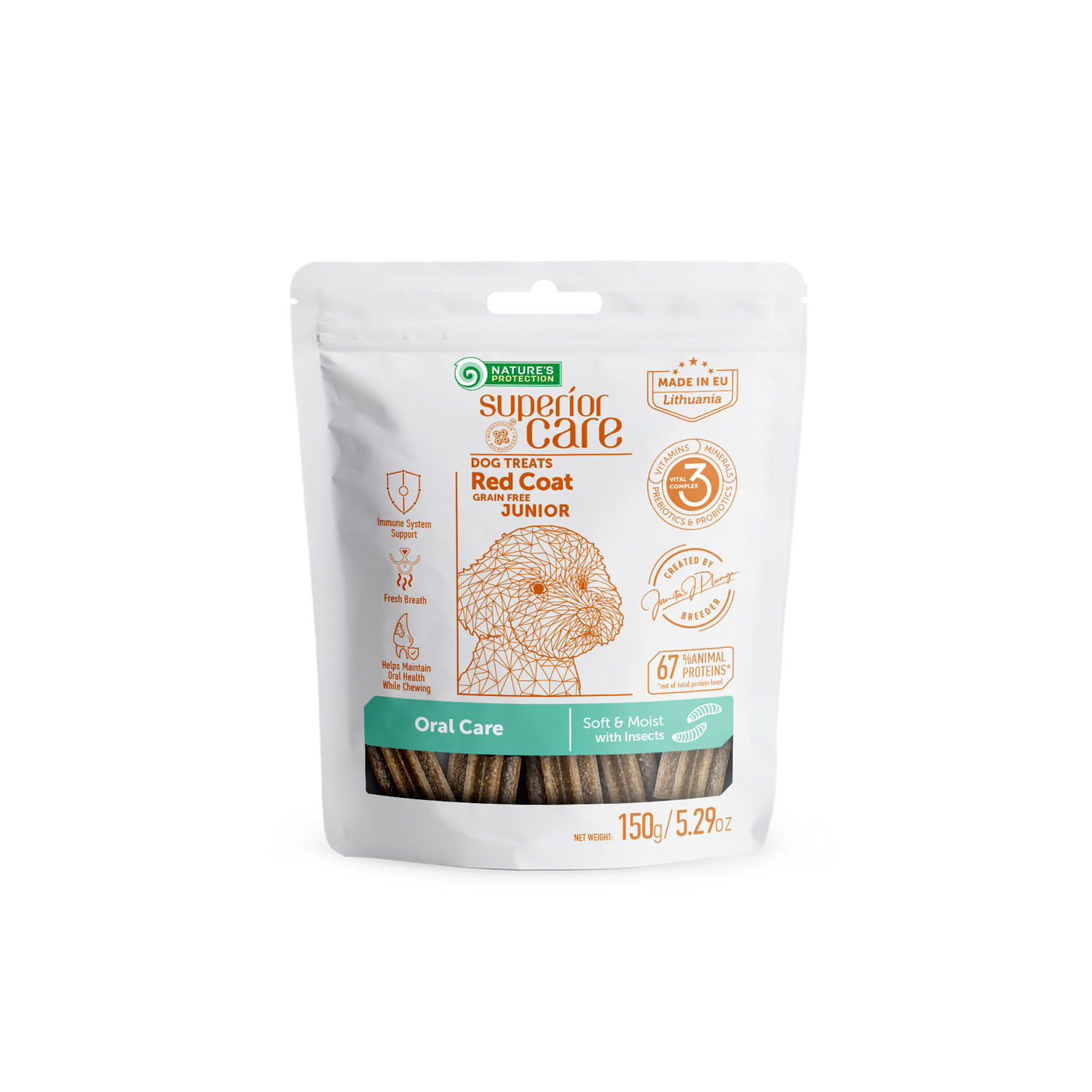
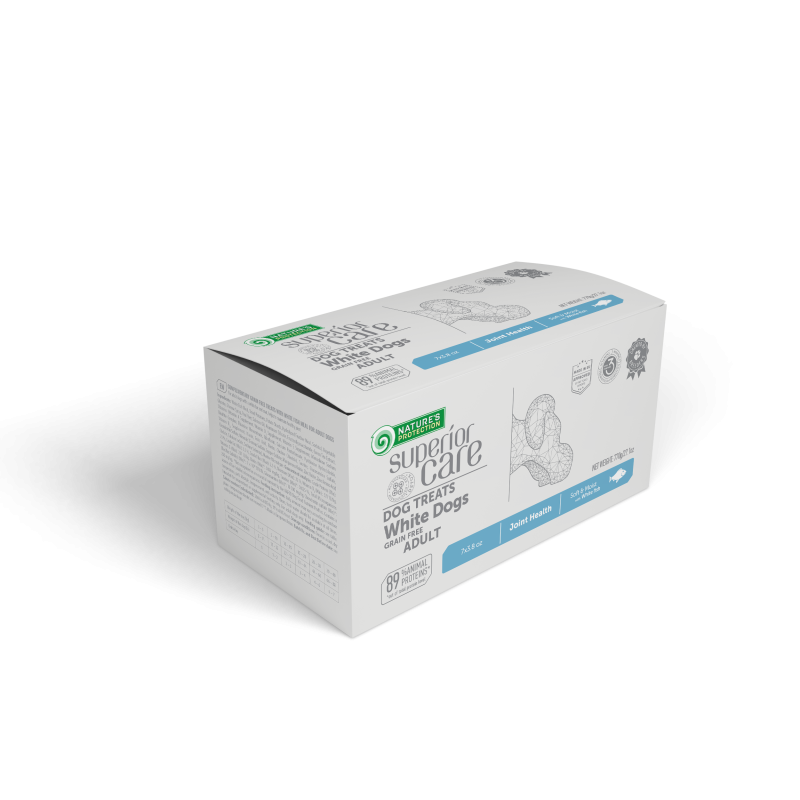
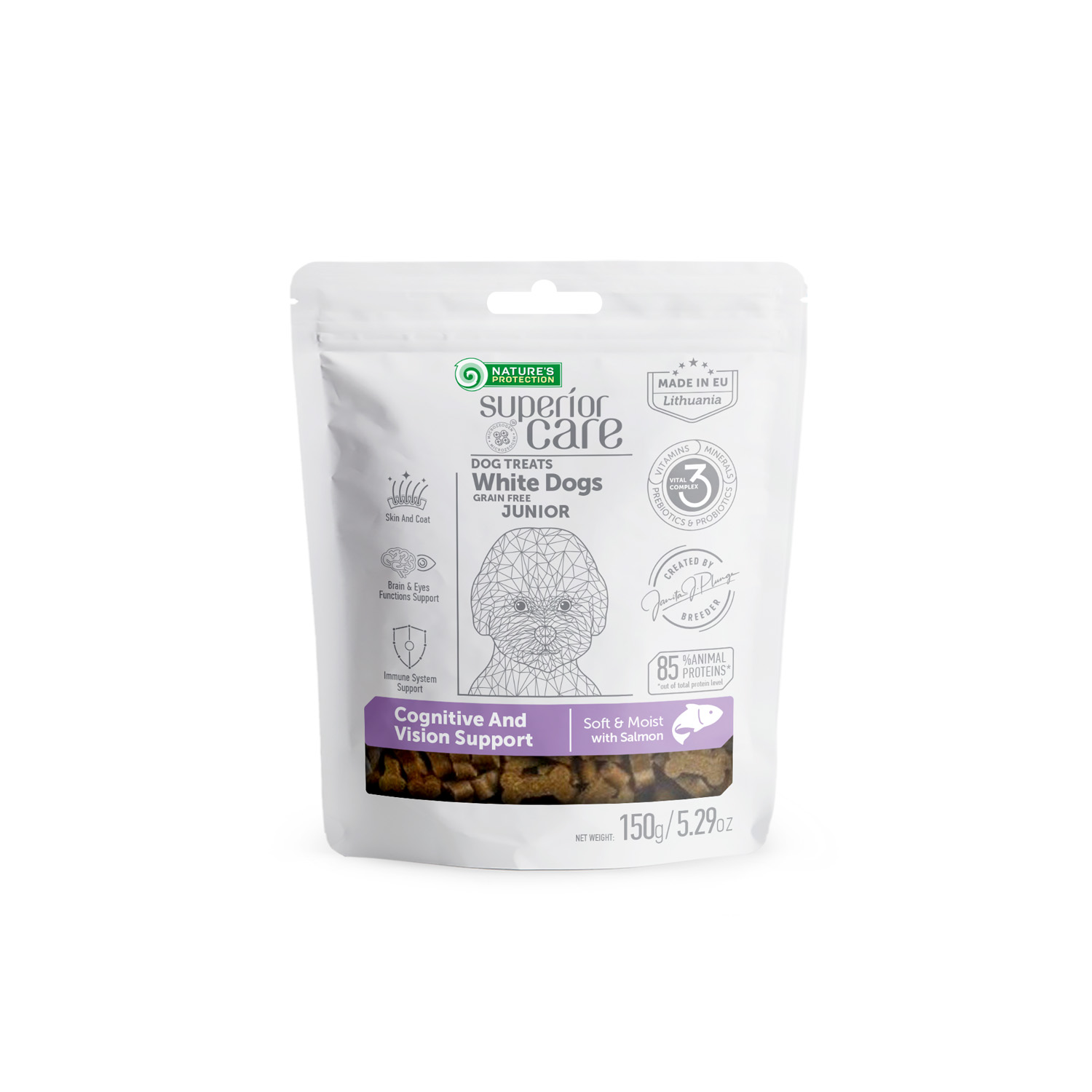
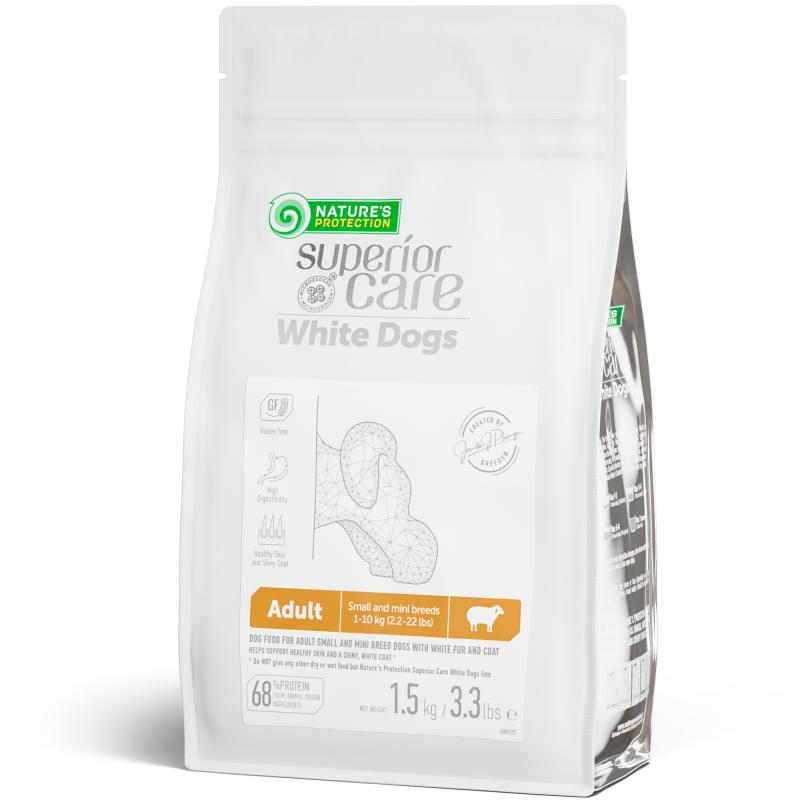
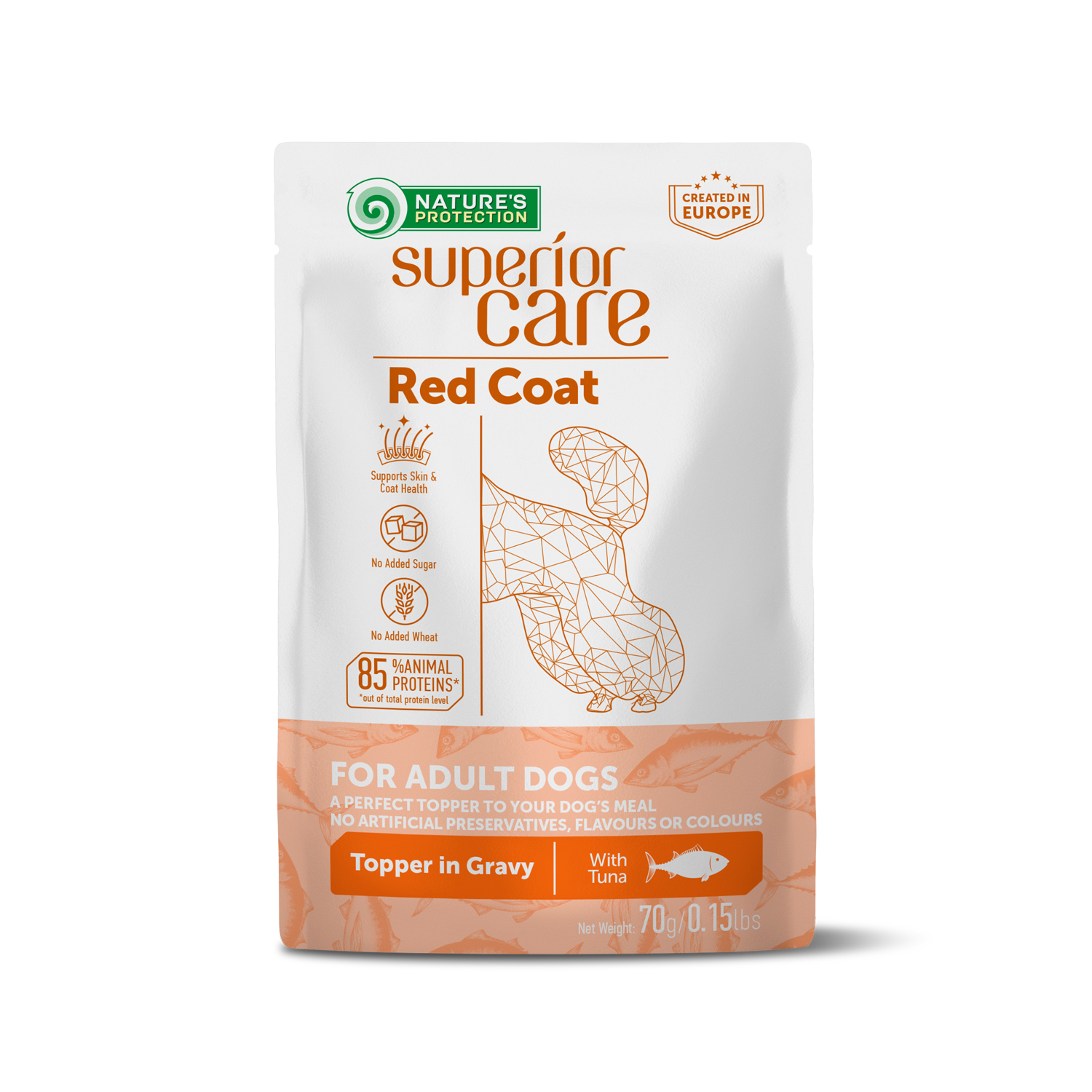
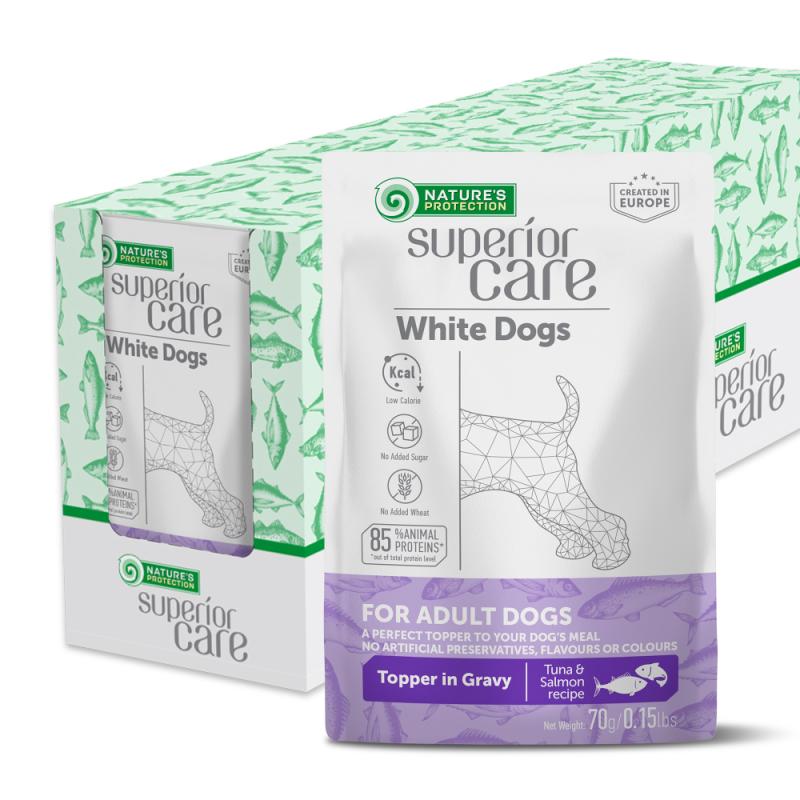
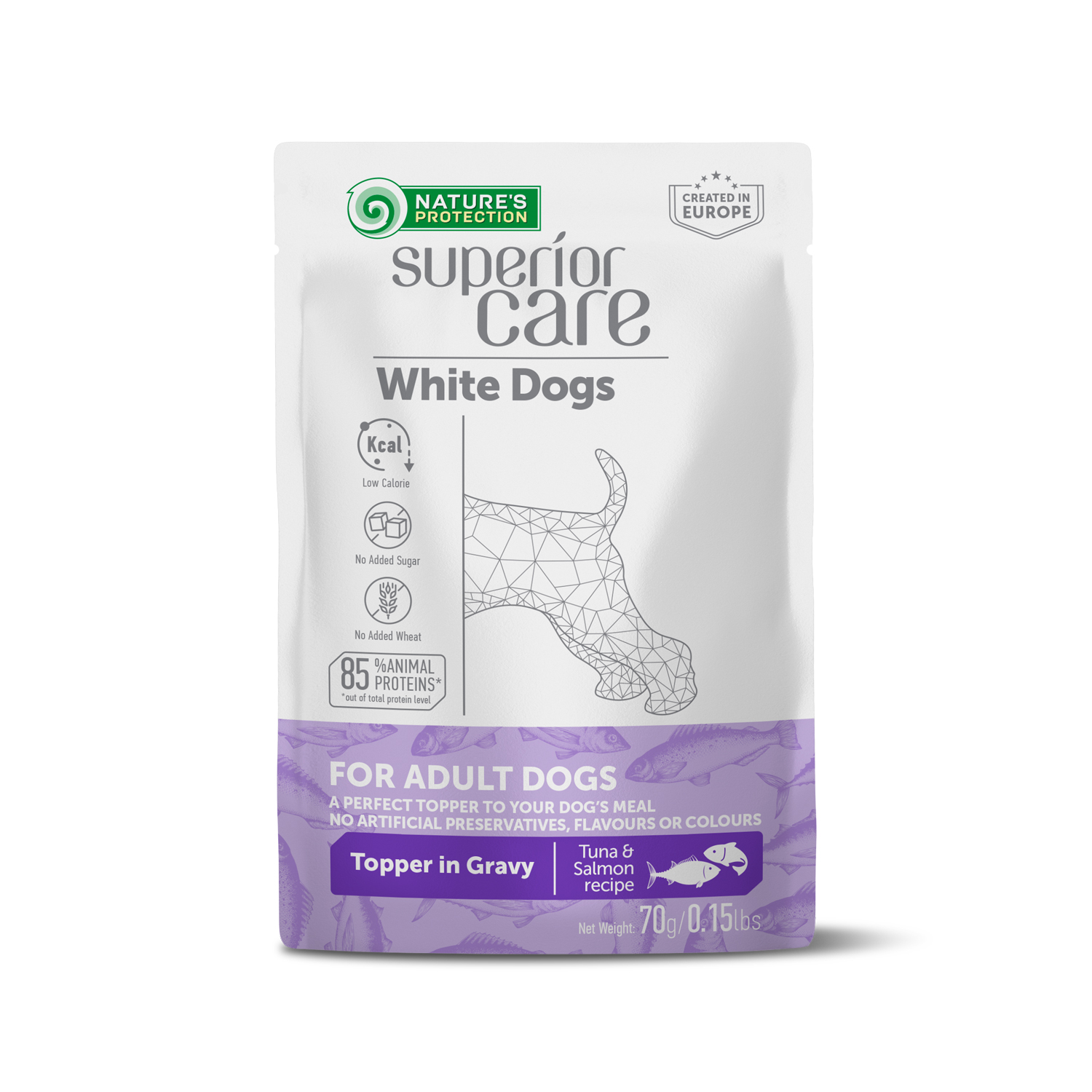
For owners who want a convenient daily option, dry dog food is easy to store, simple to portion and available in a wide variety of formulas. It can be served as a complete meal or used as part of a mixed feeding routine. Wet dog food is a softer, moisture-rich option that can be especially appealing for picky eaters, senior dogs or pets that need extra hydration support. For training, rewarding or adding variety, dog treats can complement the main diet when given in moderation.


Choosing dog food should depend on more than flavor. Your dog’s age, activity level, body condition, sensitivities and feeding habits all matter. Some dogs do best with a simple dry food routine, while others enjoy a combination of dry food, wet food and occasional treats. The best choice is one that your dog enjoys and that fits their nutritional needs consistently.

Filter
30 products

FAQs

Should I choose dry or wet dog food?

Both can be good options depending on your dog’s needs. Dry food is practical, easy to store and simple to portion. Wet food offers more moisture and may be more appealing to picky eaters. Many owners use the combination of both to create a balanced and varied routine, but keep in mind that the portion size needs to be adjusted.

Can I mix different types of dog food?

Yes, dry and wet food can be mixed if the total daily portion is adjusted. Mixing can improve texture, aroma and moisture intake. It is best to introduce new foods gradually over several days. Watch your dog’s stool, appetite and weight when changing the routine.

Should puppies have the same food as adult dogs?

If you have a puppy at home, choose a formula that’s specifically made for them, as they need nutrients that support growth and development. Puppy food is usually different from adult dog food in calories, protein and mineral balance. If you give treats, use puppy-suitable options and keep portions small. Sudden food changes should be avoided because puppies can have sensitive digestion.

What should I look for in quality dog food?

Look for complete nutrition, a suitable life-stage formula and ingredients that match your dog’s needs. Protein source, digestibility and feeding guidance are also important.

How do I know if specific food suits my dog?

Suitable food should support steady energy, healthy stool, good appetite and a healthy-looking coat. Your dog should maintain an appropriate weight without needing constant portion changes. If you notice itching, vomiting, diarrhea, dull coat or refusal to eat, the food may not be the right match. Ongoing symptoms should be discussed with a veterinarian.