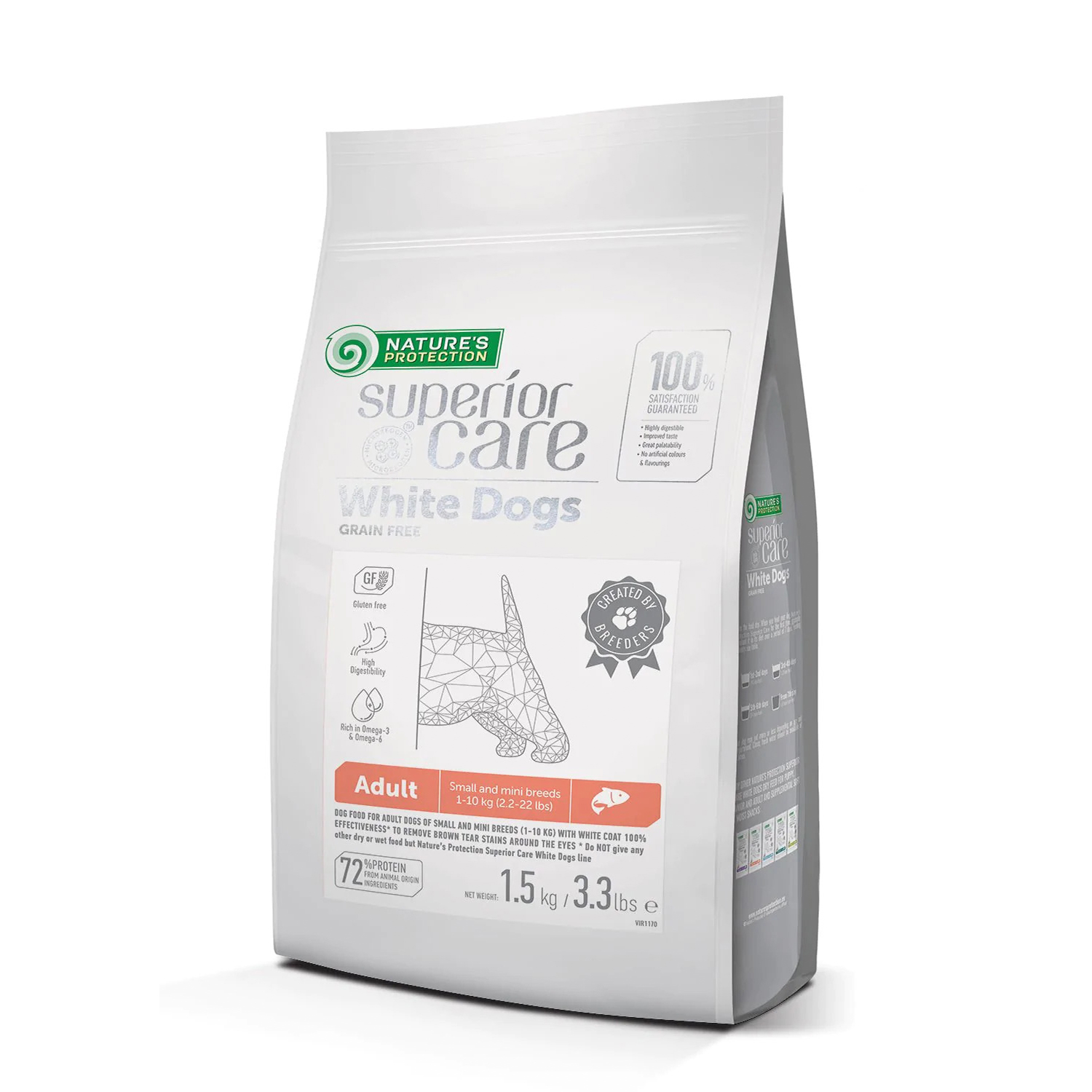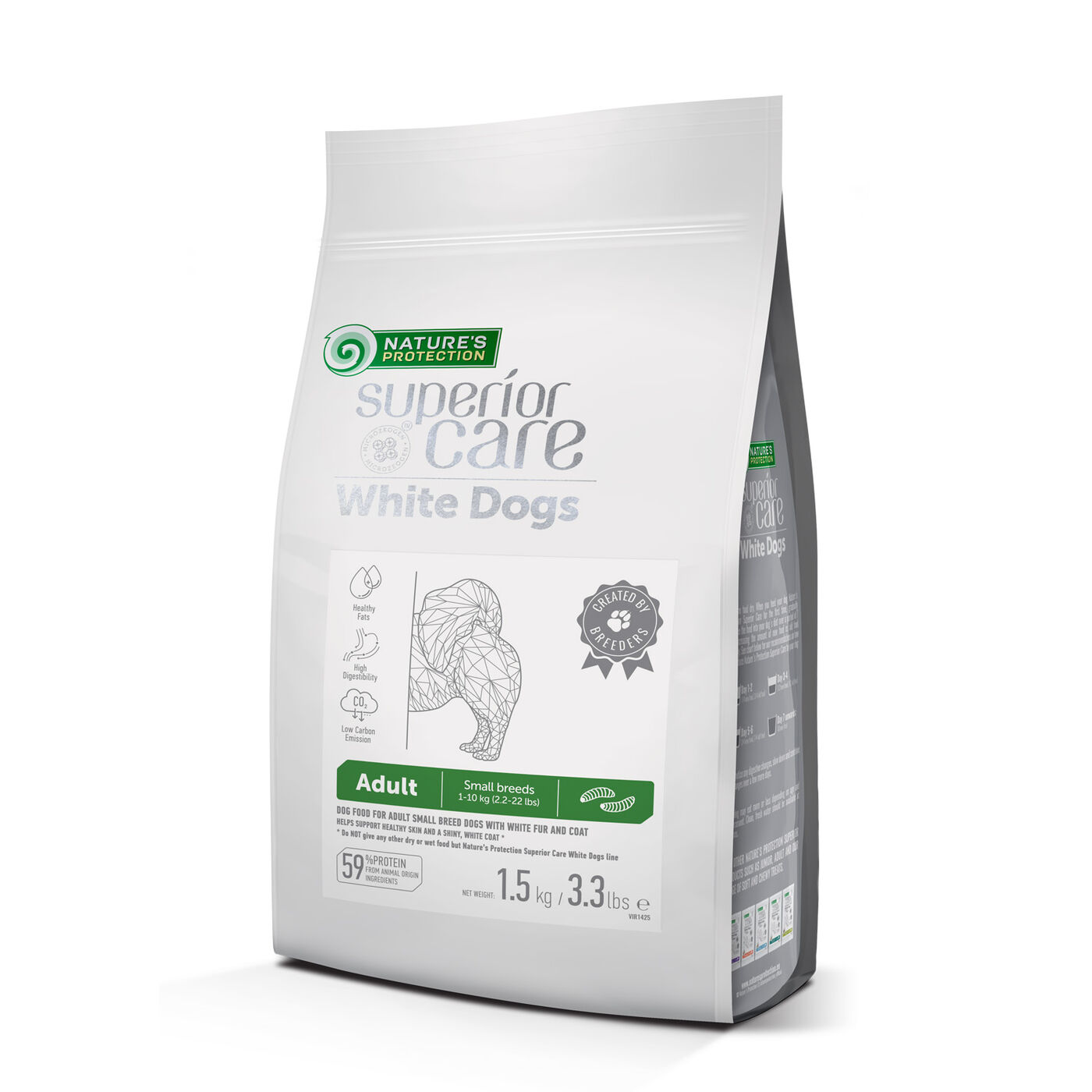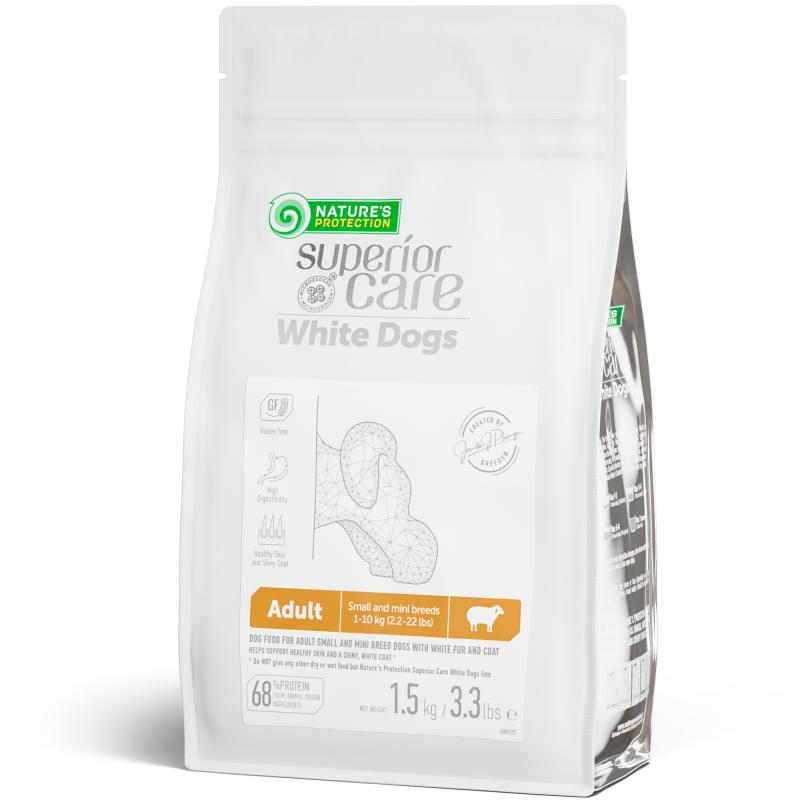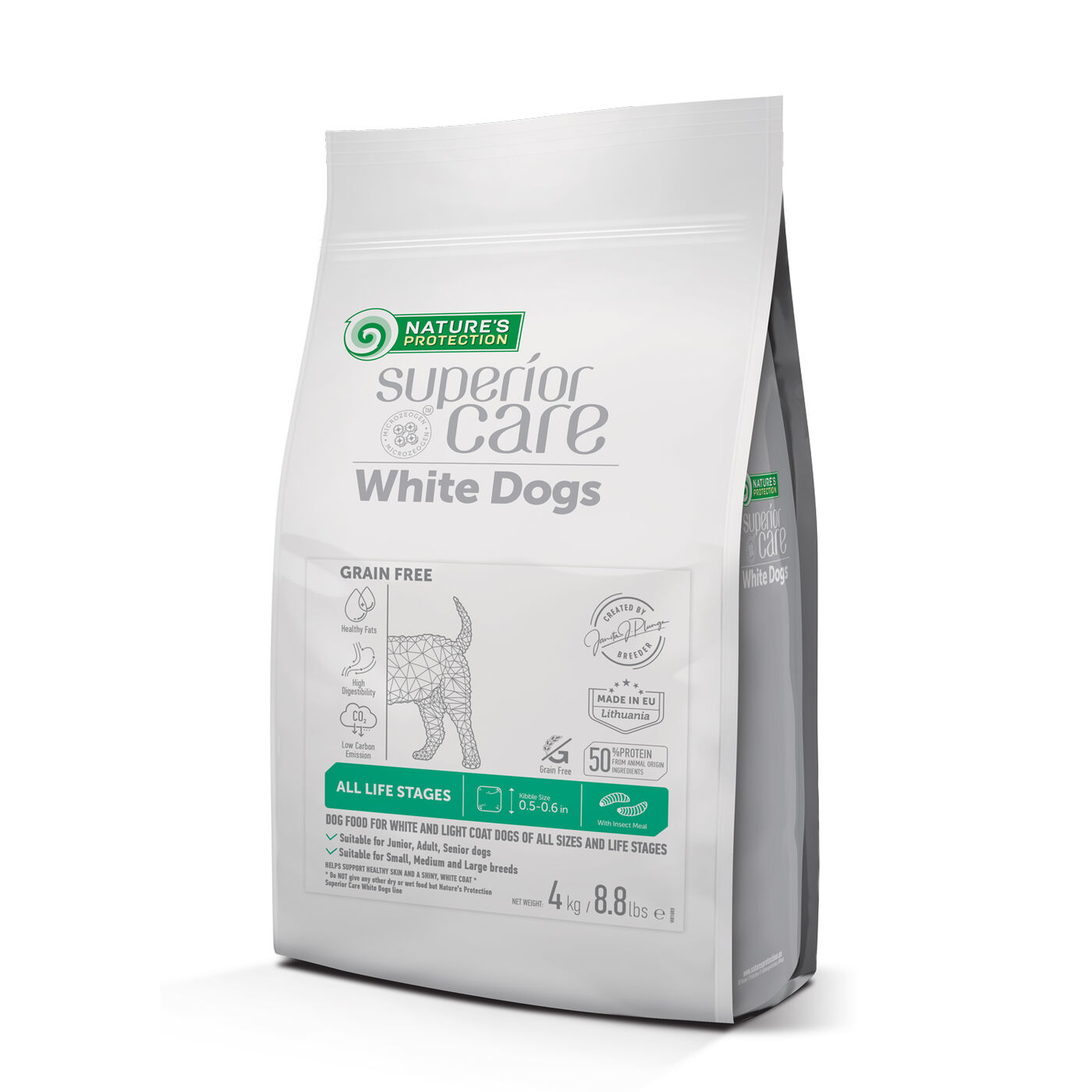

Dry dog food is one of the most convenient and reliable ways to support your dog’s everyday nutrition. It is easy to store, simple to portion and available in a wide range of formulas for different breeds, sizes, ages and activity levels. Whether you are feeding a small companion dog, an energetic working breed or a senior pet with changing nutritional needs, quality dry food gives you a practical foundation for a consistent feeding routine.
A good dry dog food should provide balanced nutrition with quality protein, digestible carbohydrates, essential fats, vitamins and minerals. Many formulas are designed to support specific needs such as sensitive digestion, skin and coat health, weight management, joint support or puppy development. Kibble texture can also help encourage chewing, which may contribute to better dental hygiene as part of a wider care routine.
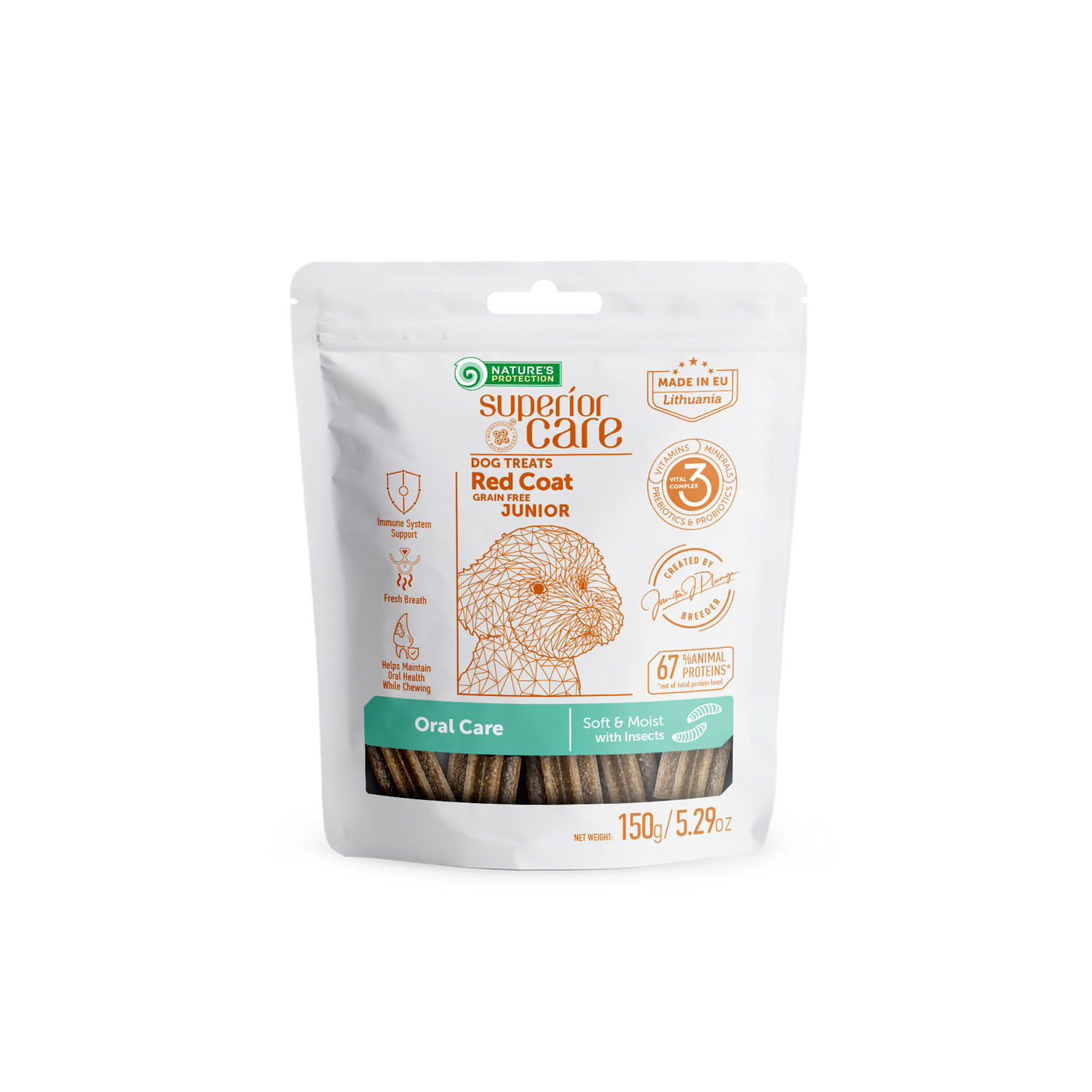
Dry food is especially useful for owners who want an economical option that stays fresh longer after opening when stored properly. It can be served on its own or combined with wet dog food to add extra moisture, aroma and variety to your dog’s meals. For training, enrichment or rewarding good behavior, dry meals can also be complemented with dog treats chosen according to your dog’s size and dietary needs.
When choosing dry dog food, look beyond flavor alone. Consider your dog’s age, weight, lifestyle, sensitivities and ingredient preferences. The right premium dry food should not only be appealing to your dog but also support long-term wellbeing through complete and balanced nutrition.
Start by looking at your dog’s age, size, weight and activity level. A puppy, an adult dog and a senior dog all have different nutritional needs, so the right formula depends on more than flavor. Breed size can also matter because small dogs may prefer smaller kibble, while larger breeds may benefit from formulas designed to support joints and healthy growth patterns. If your dog has allergies, sensitive digestion or weight concerns, those factors should guide your choice too.
Yes, premium dry dog food can be used as your dog’s main daily diet.
Yes, mixing dry and wet food is a common way to add more aroma, texture and moisture to meals. It can be especially helpful for dogs that are fussy with plain kibble. The main thing to watch is portion size, because adding wet food on top of a full dry food portion can quickly increase calories. A balanced mix should still match your dog’s daily feeding needs and calorie intake.
Dry dog food should be kept in a cool, dry place away from direct sunlight and moisture. After opening the bag, close it tightly or keep it inside an airtight storage container. It is often best to keep the original packaging because it contains the batch number, expiry date and feeding information. Avoid storing food in damp areas, as moisture can affect freshness and quality. If the food smells unusual, looks different or your dog suddenly refuses it, it may no longer be suitable to serve.
Grain-free dry dog food is not automatically better for every dog. Some dogs may need grain-free recipes because of sensitivities, but many dogs do well on foods that include quality grains. The overall ingredient quality, protein source and suitability for your dog’s needs matter more than whether the food contains grains. If you are unsure whether grain-free food is necessary, it is worth asking your vet.
Use the feeding guide on the packaging as a starting point, then adjust based on your dog’s body condition.
Puppies should usually eat food made specifically for puppies. They need the right balance of calories, protein, minerals and other nutrients to support growth. Adult dog food may not provide enough of certain nutrients during this stage. Once your puppy is ready to transition, switch gradually rather than changing food suddenly.
There can be several reasons, including a change in taste preference, stress, dental discomfort or an upset stomach. Some dogs also become less interested in kibble if they often receive table scraps or richer foods. You can try checking the food’s freshness, adding a little wet food or soaking the kibble briefly in warm water. If the refusal is sudden or lasts more than a short period, it is safest to speak with a veterinarian.