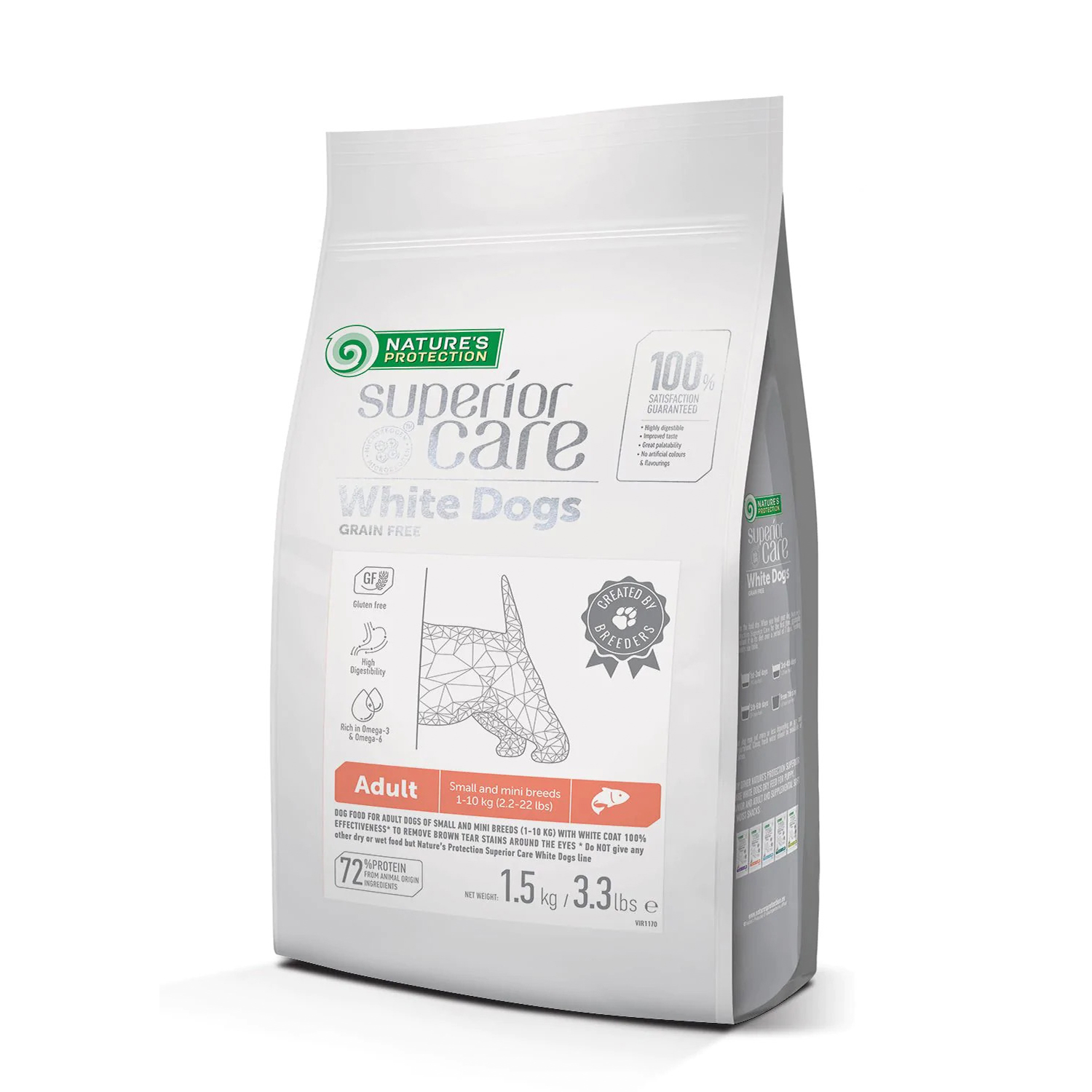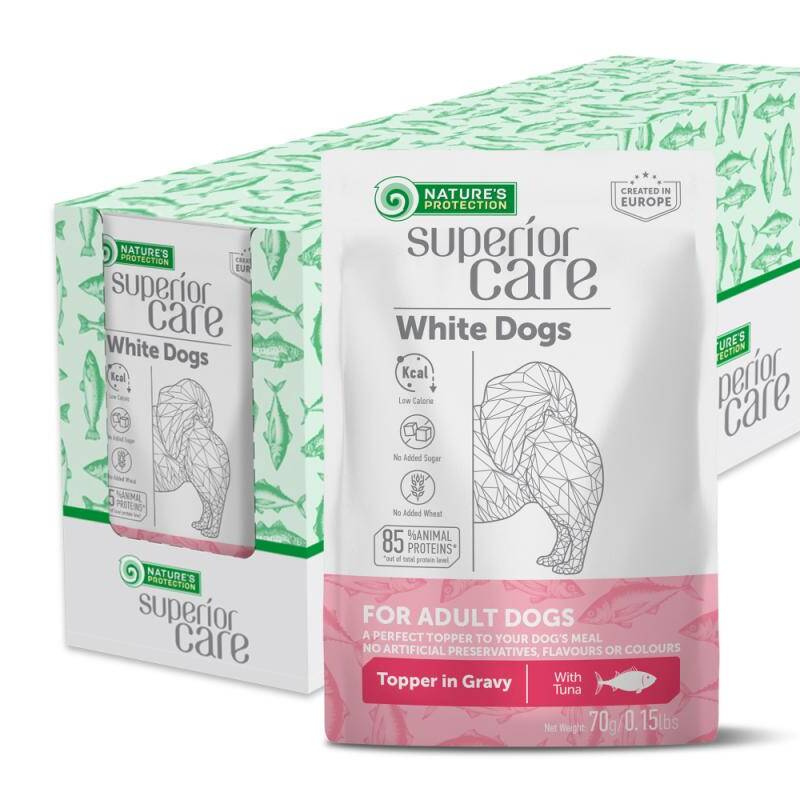
Grain-free cat food

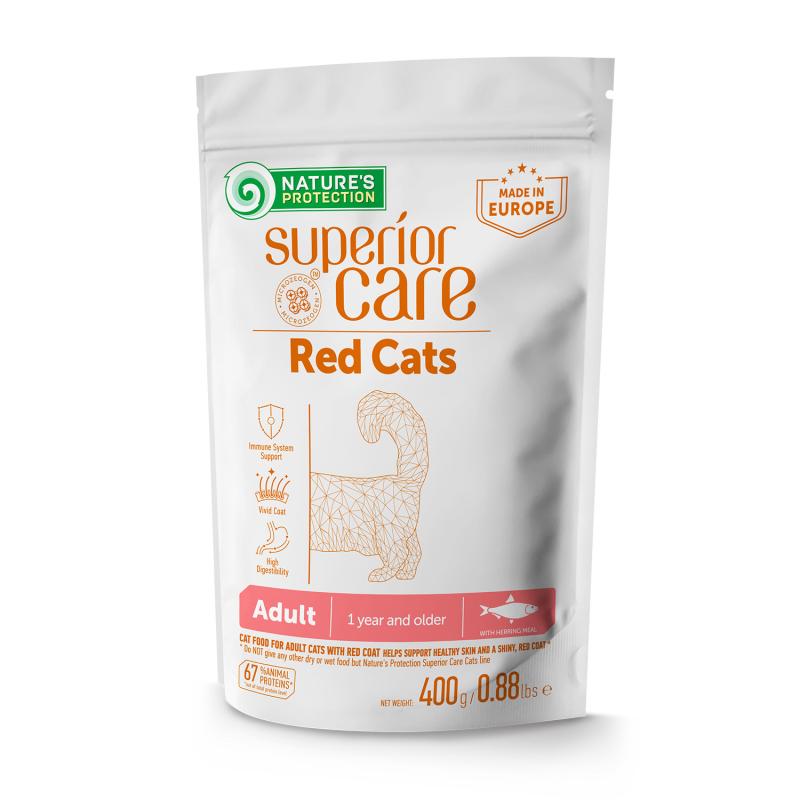
Grain-free cat food combines dry and wet formulas made without grains such as wheat, corn, rice or barley. This category allows cat owners to compare both feeding formats together, whether they prefer convenient kibble, moisture-rich wet food or a combination of the two.


Cats are obligate carnivores and depend on appropriate animal-derived nutrients, but the term grain-free alone does not determine the quality of a cat food. Grain-free recipes may use potatoes, peas, legumes or other ingredients instead of grains, so it is still important to consider the entire nutritional profile, protein sources and whether the food is complete for your cat’s life stage.


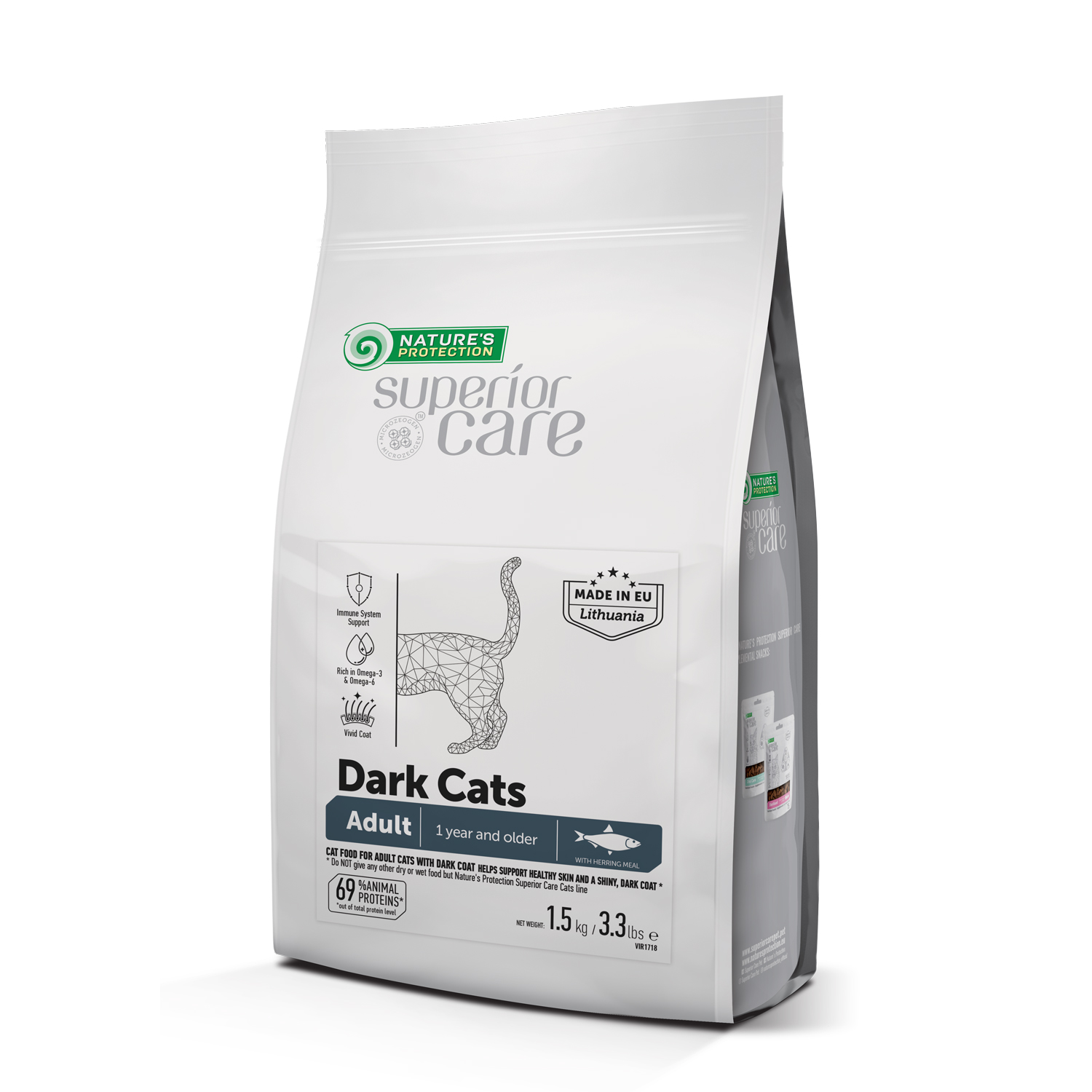
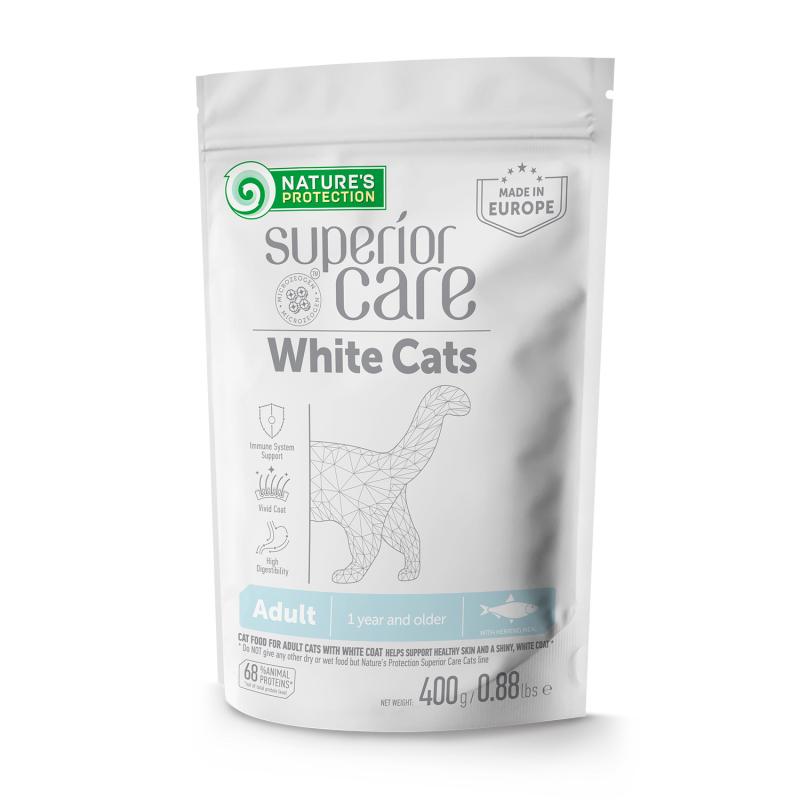
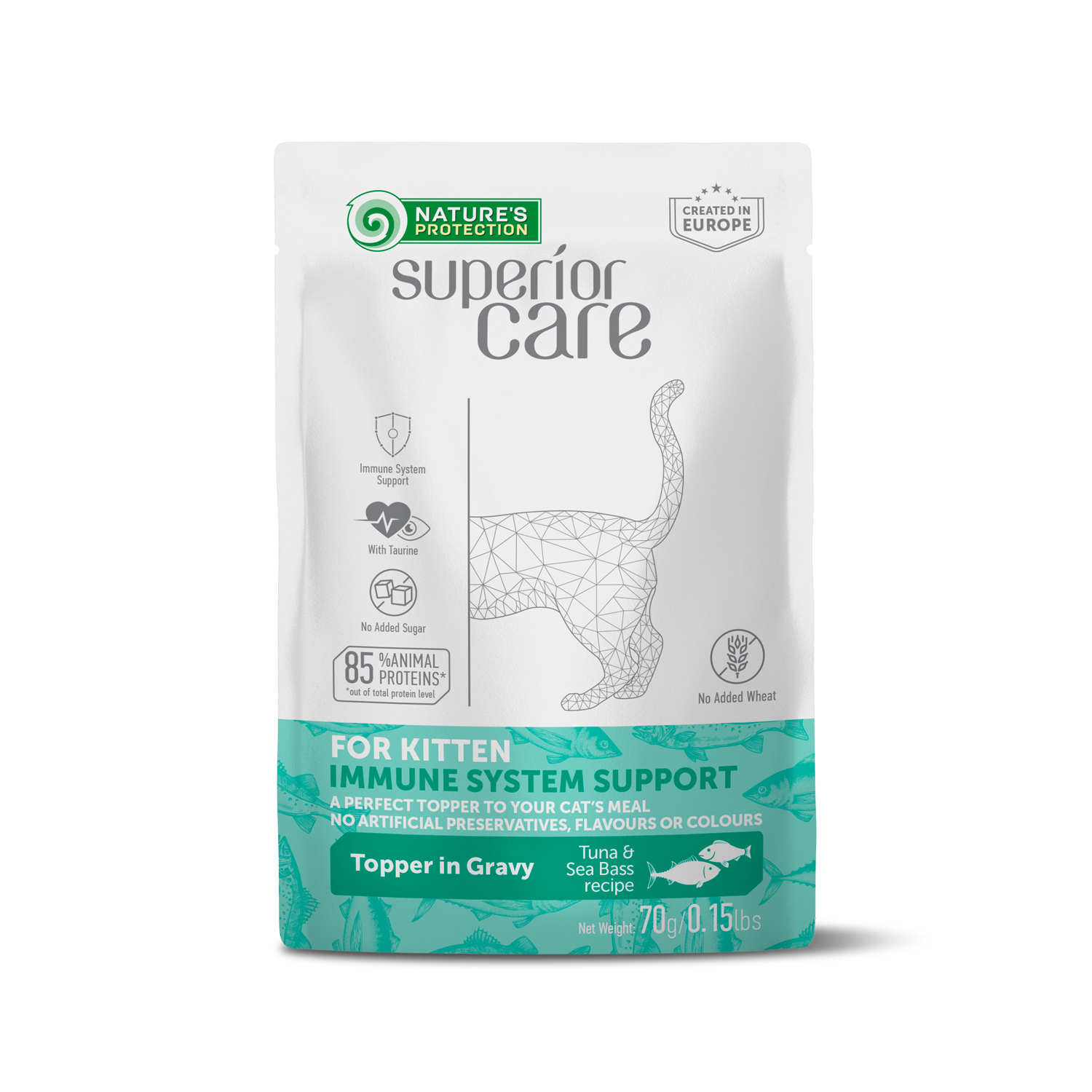
The collection may include dry cat food for kittens, adults and seniors alongside wet cat food in different flavors and textures. Dry food provides convenient storage and portioning, while wet food contributes considerably more moisture and can be appealing to cats that prefer softer meals. Many owners use both formats as part of mixed feeding.


If you want treats to follow the same ingredient preference, you can also explore grain-free cat treats. Treats should complement complete meals rather than replace them.


Choose food according to age, body condition, activity level and individual tolerance rather than the grain-free label alone. Any major diet change should be introduced gradually, particularly for cats that are sensitive to changes in flavor, texture or routine.

Filters

FAQs

What is grain-free cat food?

Grain-free cat food is made without grains such as wheat, corn, rice or barley. It can include both dry and wet formulas.

Can I feed both grain-free dry and wet cat food?

Yes. Many cats eat a combination of dry and wet food. Mixed feeding can provide the convenience of kibble alongside the additional moisture and texture of wet food. Calculate portions across both foods so the cat receives an appropriate total calorie intake. If either product is new, introduce it gradually.

Does grain-free cat food have carbohydrates?

It often does. Potatoes, peas, legumes or other ingredients may replace grains, so grain-free should not be interpreted as carbohydrate-free.

Is grain-free cat food useful for food allergies?

It may be suitable for a cat that needs to avoid a particular grain, but true food sensitivity can involve many other ingredients. Animal proteins may also trigger reactions. Randomly changing between grain-free formulas can make it difficult to determine what is actually causing the problem. Cats with recurring skin or digestive symptoms may need a veterinarian-supervised elimination diet.

Can kittens eat grain-free cat food?

Yes, if the food is complete and formulated for kitten growth. A grain-free adult formula is not automatically suitable for a growing kitten.

How should I introduce grain-free cat food?

Make the transition gradually by mixing the new food with the existing diet over a period of 7-10 days. Cats can be sensitive to sudden changes in both ingredients and texture. Increase the new food slowly while monitoring appetite, stool and vomiting. If your cat refuses food entirely, do not allow prolonged fasting while trying to force a transition.