Grooming Equipment & Tools

The right grooming tools and equipment make pet care safer, easier and more comfortable for both the pet and the owner. Whether you are maintaining your dog’s coat at home, preparing pets for shows or building a professional grooming setup, quality tools help achieve cleaner results with less stress. This category includes equipment for brushing, drying, trimming, nail care, bathing and coat maintenance, allowing you to build a routine that suits different breeds, coat types and grooming needs.


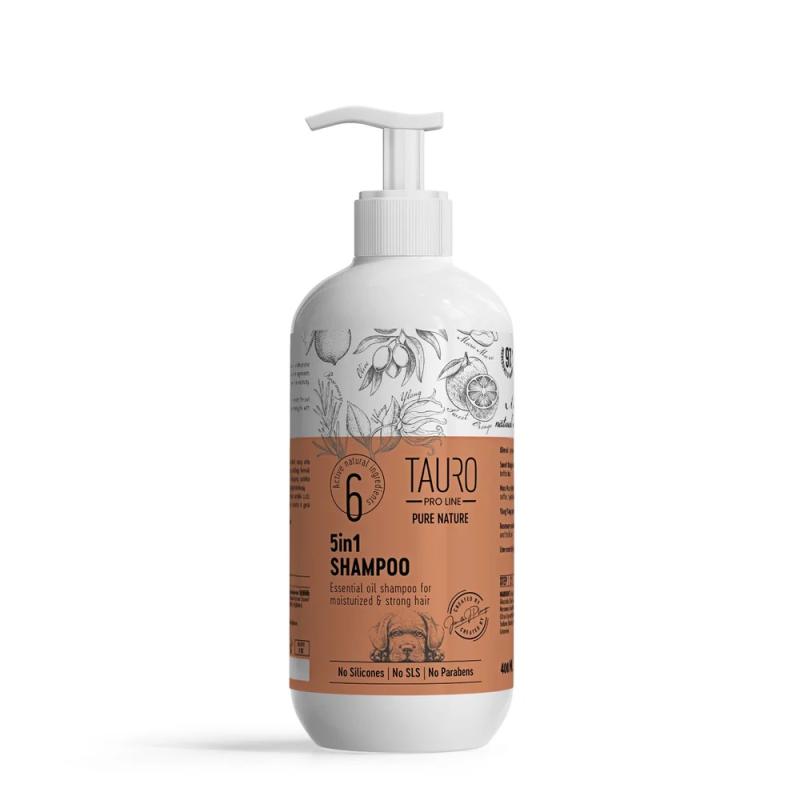
Good grooming is not only about appearance. Regular brushing can help remove loose hair and prevent tangles, proper drying can reduce dampness in thick coats, and safe nail care helps keep paws comfortable. Grooming tools also work best when paired with suitable skin and coat care products, such as shampoos, conditioners, masks and elixirs that prepare and support the coat before brushing, drying or trimming.


In this category, you can find tools and equipment for different grooming tasks, including:

  • Ozone bath for advanced bathing and coat care routines
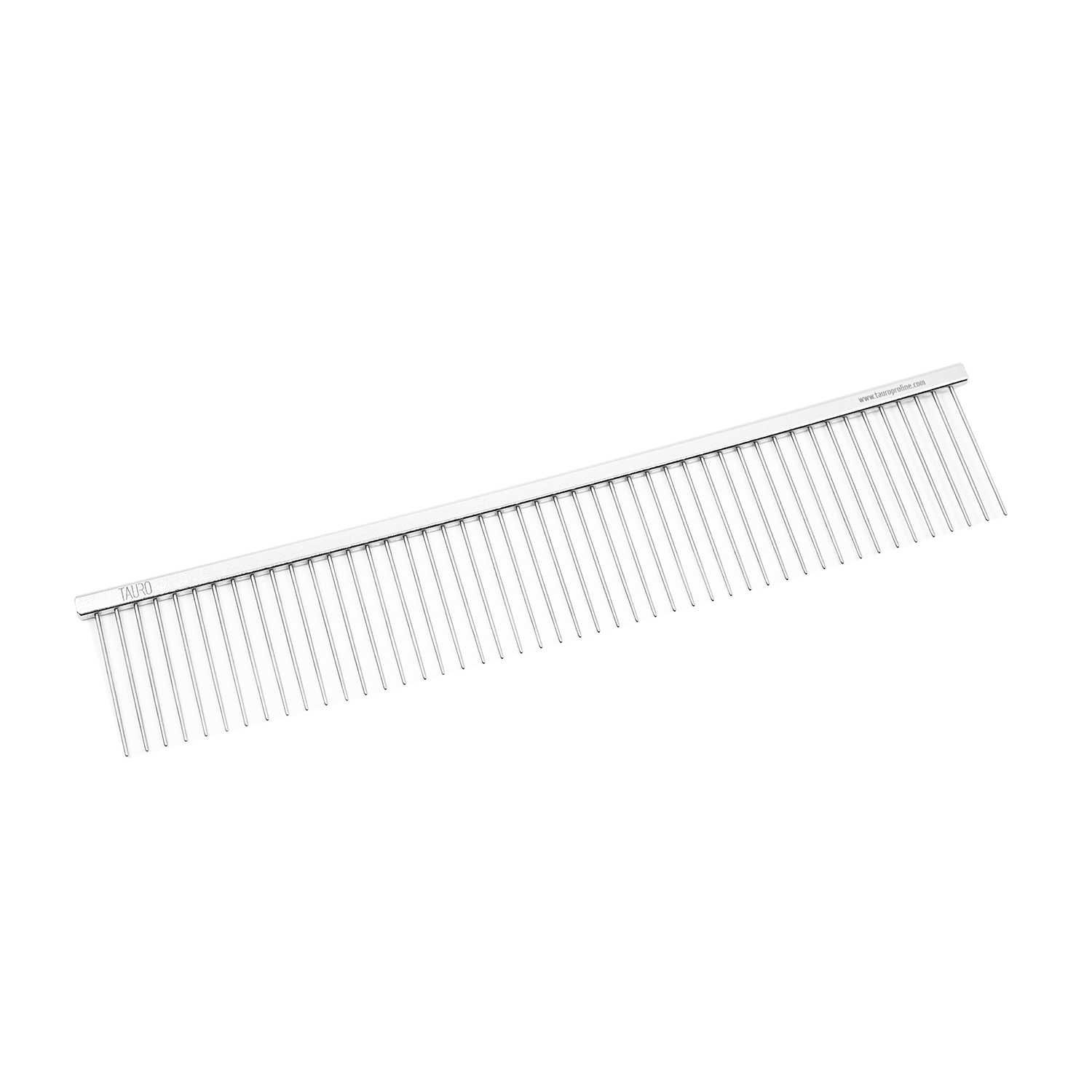
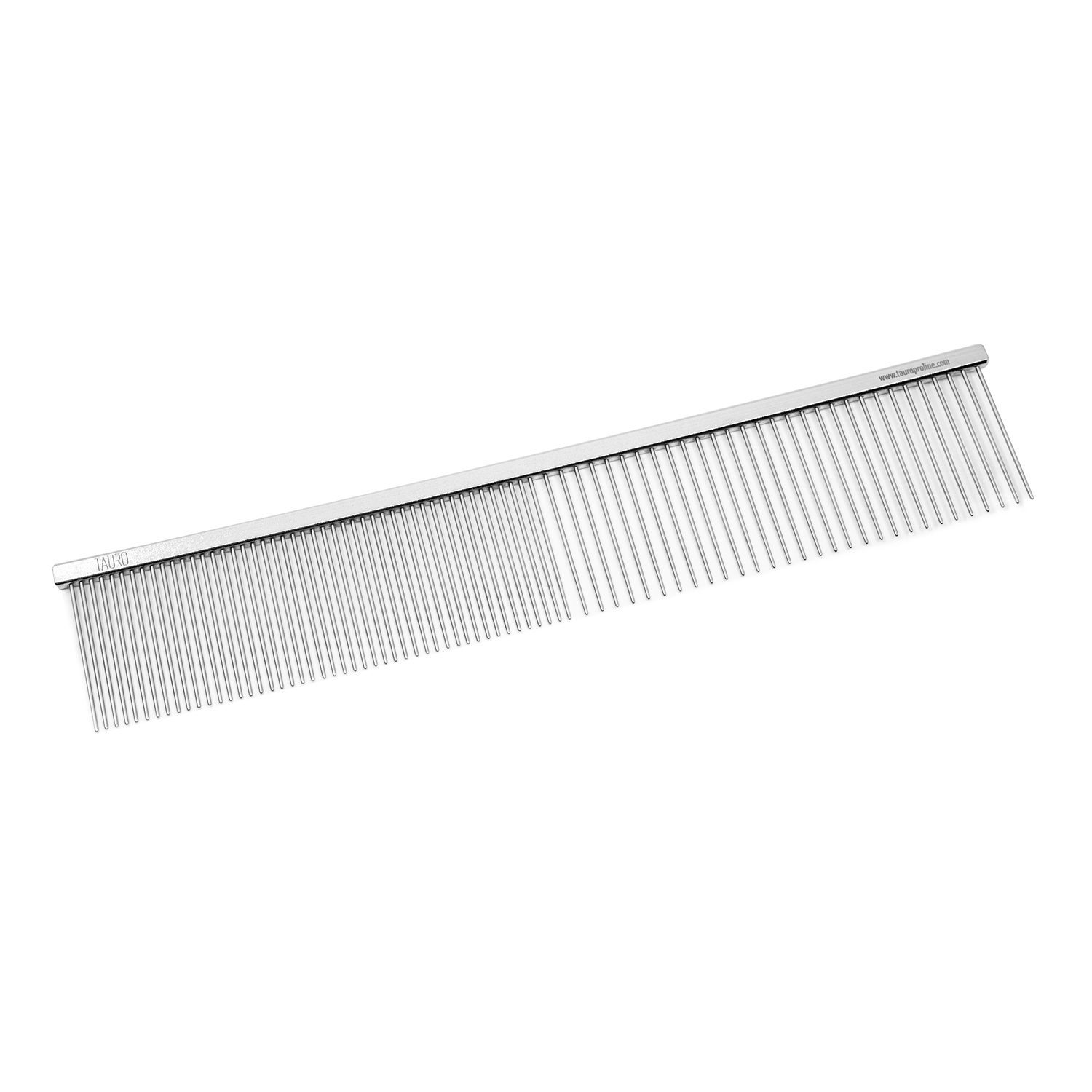
  • Combs for detangling, finishing and coat checking
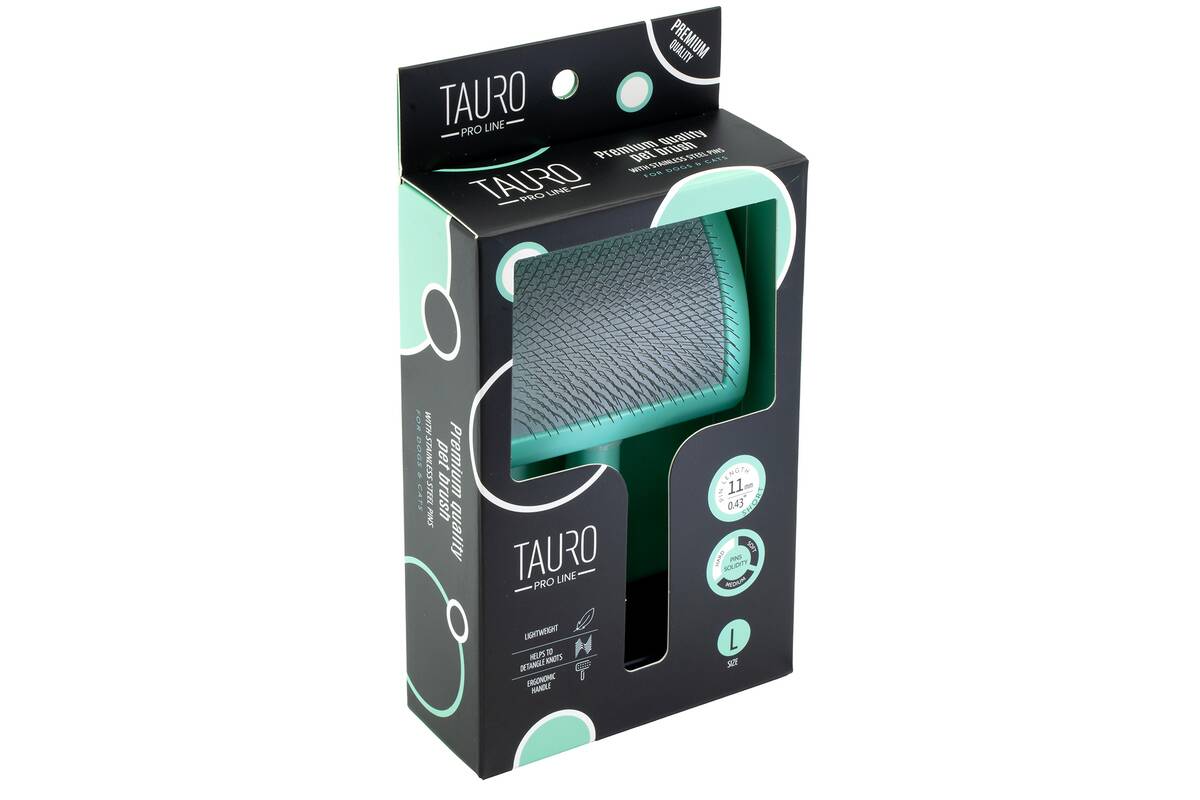
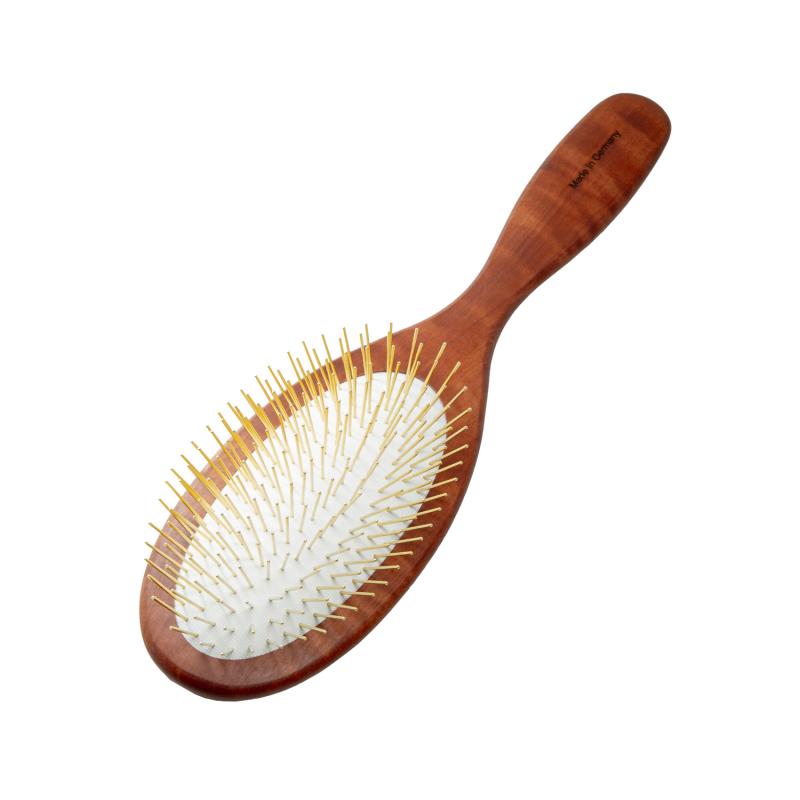
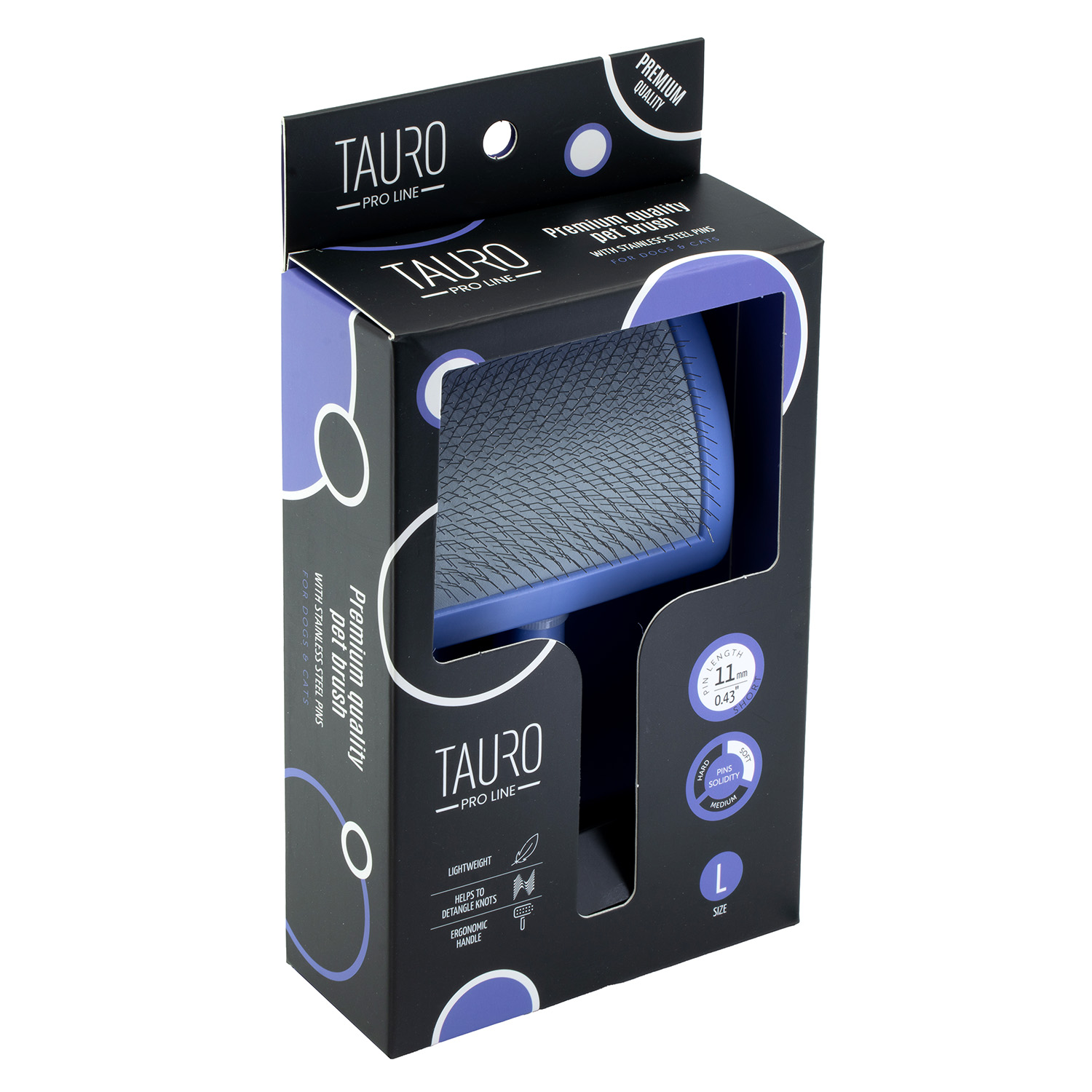
  • Brushes for daily coat maintenance and shedding control
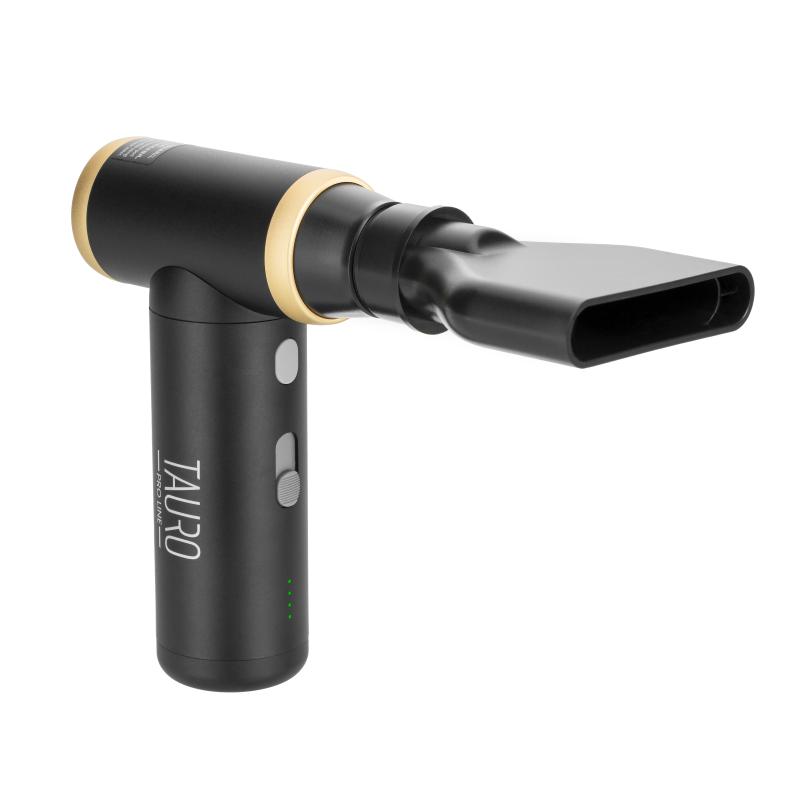
  • Dryers for drying after baths and grooming sessions
  • Clippers for coat trimming and nail cutting
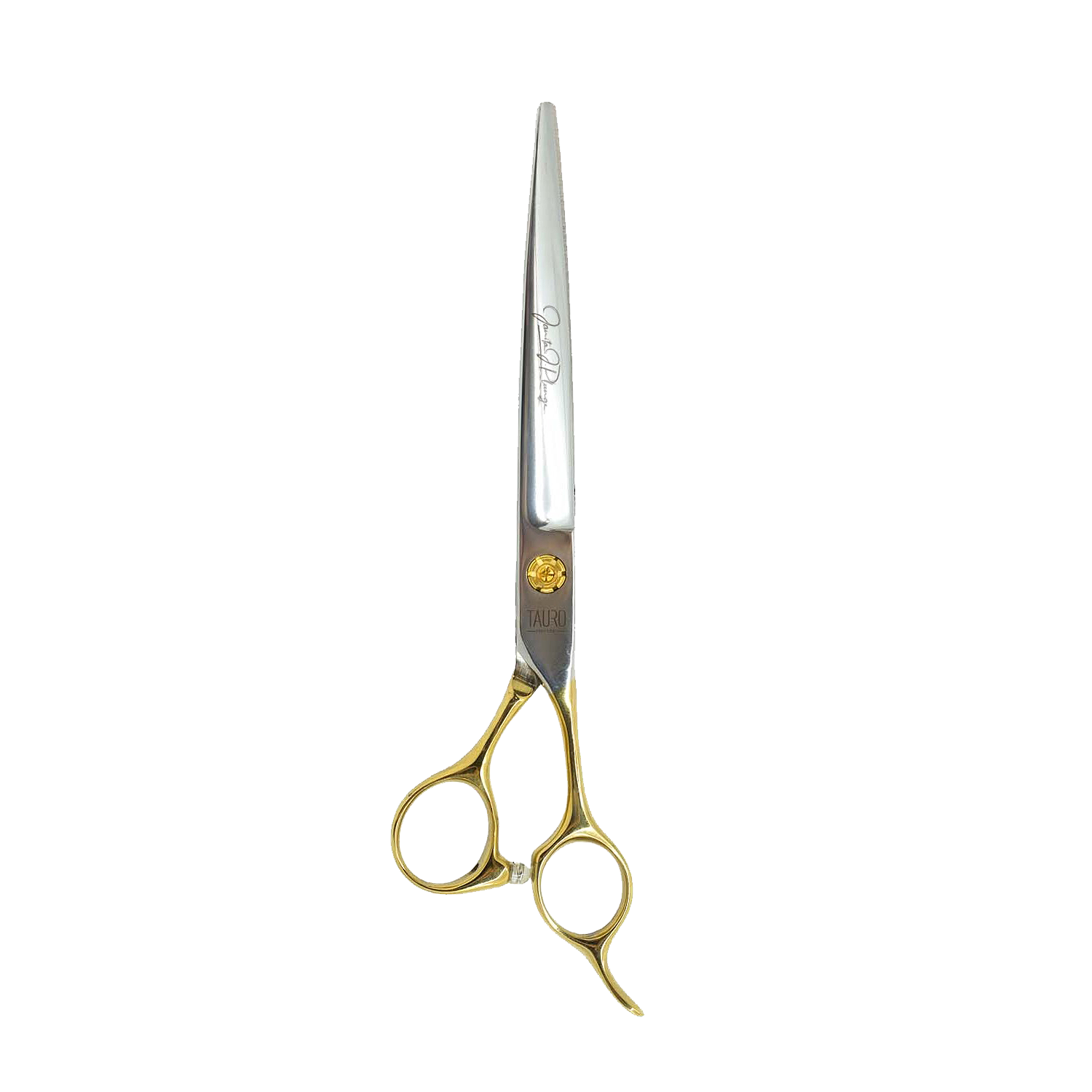
  • Scissors for precision shaping and finishing work
  • Nail grinders for smoother, more controlled nail care
  • Blankets for comfort, warmth and post-grooming use
  • Cooling & drying towels for drying, cooling and everyday pet care


Whether you need a simple brush for daily grooming or professional equipment for a complete grooming setup, choosing the right tool helps make every session more effective and pet-friendly.


FAQs

What grooming tools do I need for basic pet care?

For most pets, a basic grooming kit should include a brush, comb, nail care tool and drying towel. Long-haired or thick-coated pets may also need clippers, scissors or a dryer. The exact tools depend on your pet’s coat type, size and grooming routine. If your pet tangles easily, start with tools that help prevent matting before it becomes difficult to manage.

How do I choose between brushes and combs?

Brushes are usually better for regular coat maintenance, removing loose hair and working through larger areas. Combs are useful for checking tangles, finishing the coat and reaching smaller sections. Many pets benefit from both because each tool has a different purpose. For thick or long coats, brushing first and combing afterwards can help confirm that the coat is fully detangled.

How do coat care products and grooming tools work together?

Shampoos and conditioners help clean and prepare the coat, while brushes, combs, dryers and scissors help maintain the result. Using tools on a dirty, dry or tangled coat can be uncomfortable for the pet. A complete routine usually combines suitable care products with the right equipment.

How often should I groom my pet?

It depends on coat type, lifestyle and breed. Short-haired pets may need only light weekly maintenance, while long, curly or double-coated pets may need grooming several times per week. Pets that shed heavily, swim often or spend a lot of time outdoors may also need more frequent care. Nails, ears and paws should be checked regularly even if the coat is low maintenance.

Can the wrong grooming tool damage the coat?

Yes, using the wrong tool or too much pressure can break hair, irritate skin or make grooming uncomfortable.

What tools are best for pets that dislike grooming?

Start with gentle brushes, quiet dryers, soft towels and nail tools that allow gradual trimming. Short sessions are usually better than trying to complete everything at once. Rewarding calm behavior can also help your pet build a better association with grooming. If your pet is very fearful or reactive, a professional groomer may be the safer choice.

Are drying tools necessary after bathing?

For some pets, yes. Thick, long or dense coats can stay damp for a long time, which may cause discomfort and make tangles more likely. A towel may be enough for short coats, while dryers are more useful for heavy coats or professional grooming. Always use suitable temperature and airflow settings.

How should grooming tools be cleaned?

Remove hair after use and clean tools according to the product instructions. Brushes, combs, scissors and clipper blades should be kept dry and hygienic. Tools used on multiple pets should be cleaned more carefully between uses. Keeping tools clean also helps them last longer.

What is the safest way to start grooming at home?

Start with simple maintenance tasks such as brushing, towel drying and gentle nail checks. Use tools designed for pets rather than human grooming tools. Introduce each tool slowly so your pet has time to get used to the sound, feel and movement. Leave complicated trimming or severely matted coats to a professional until you are confident in your ability to complete the task successfully.