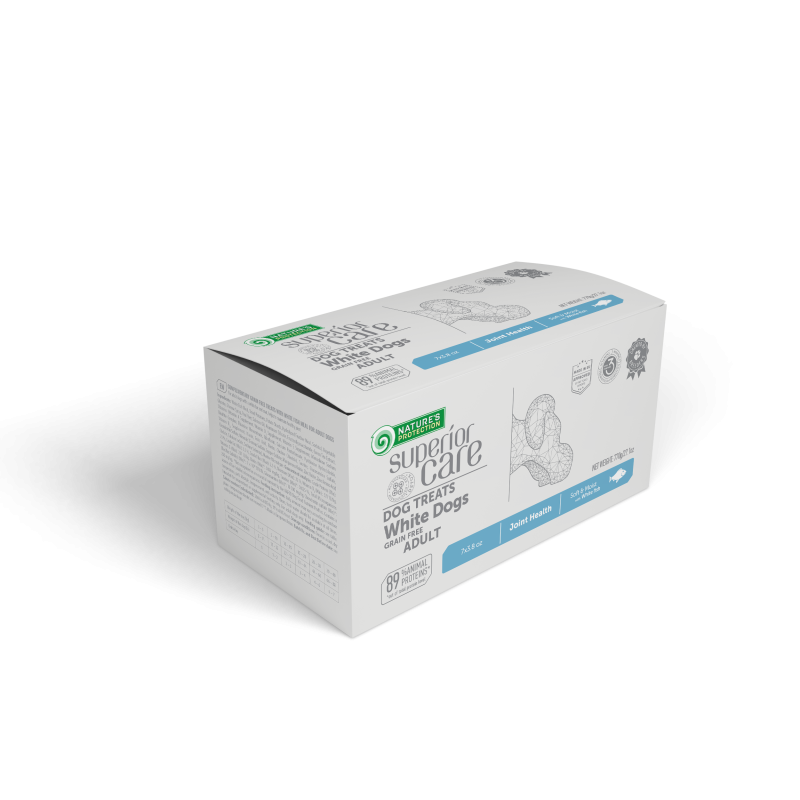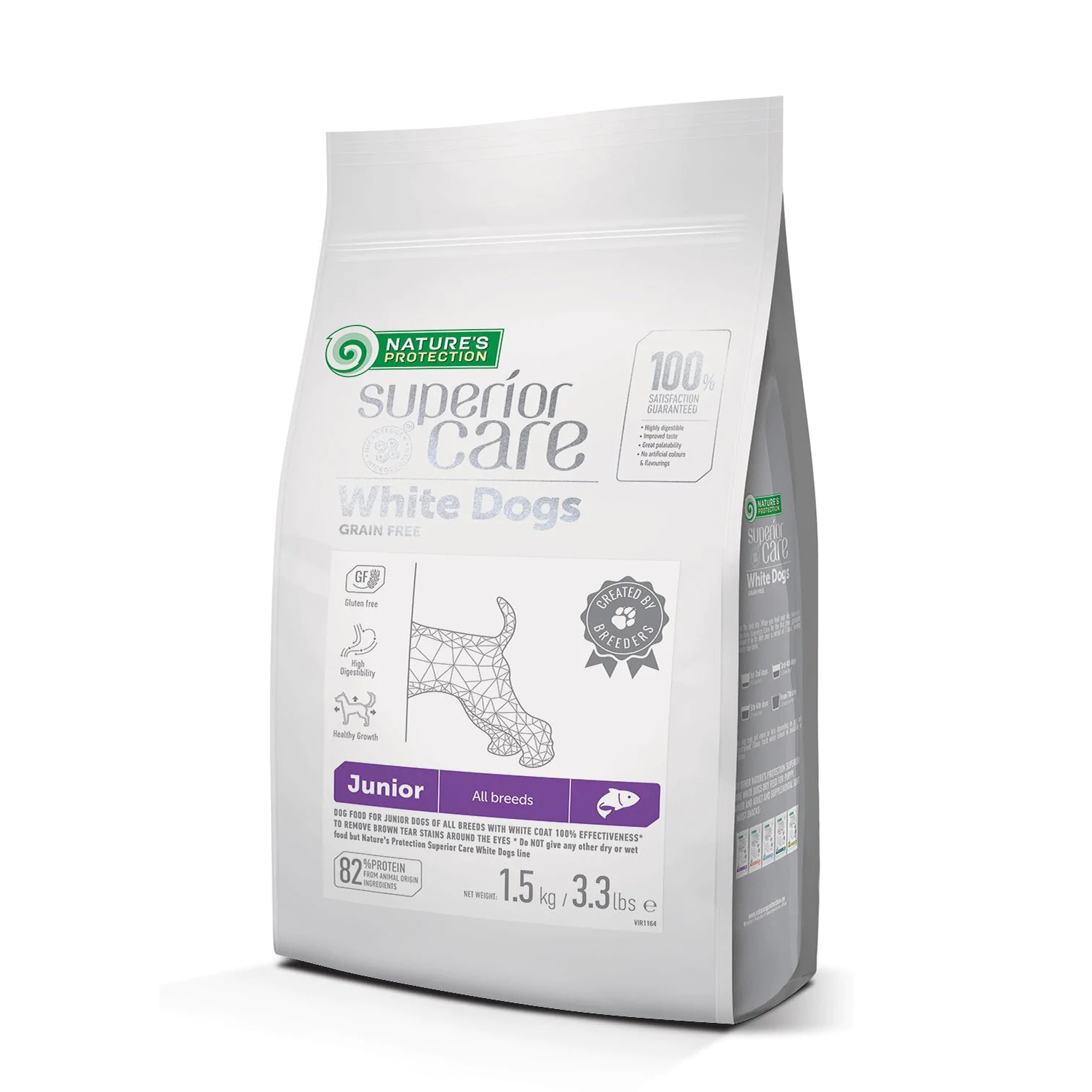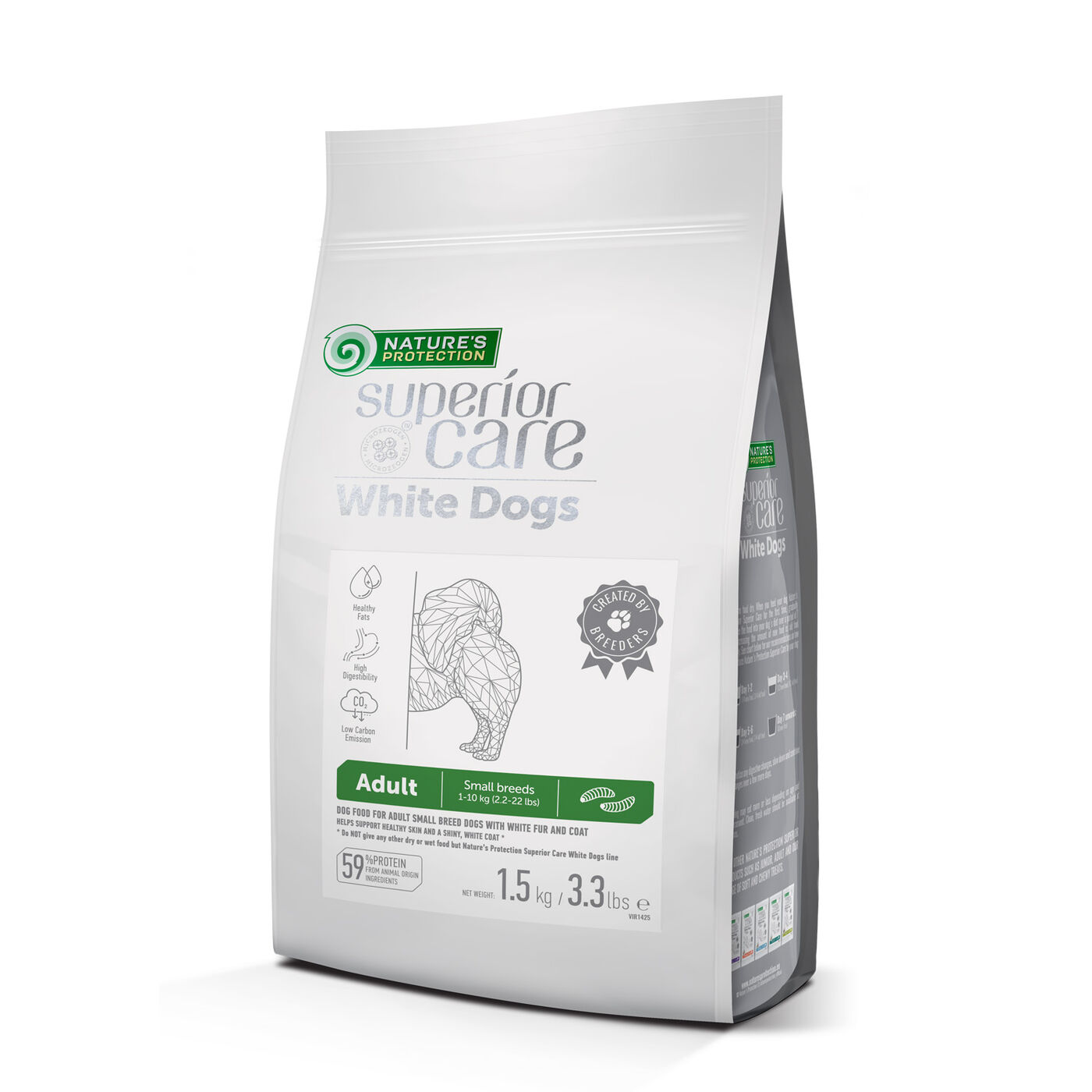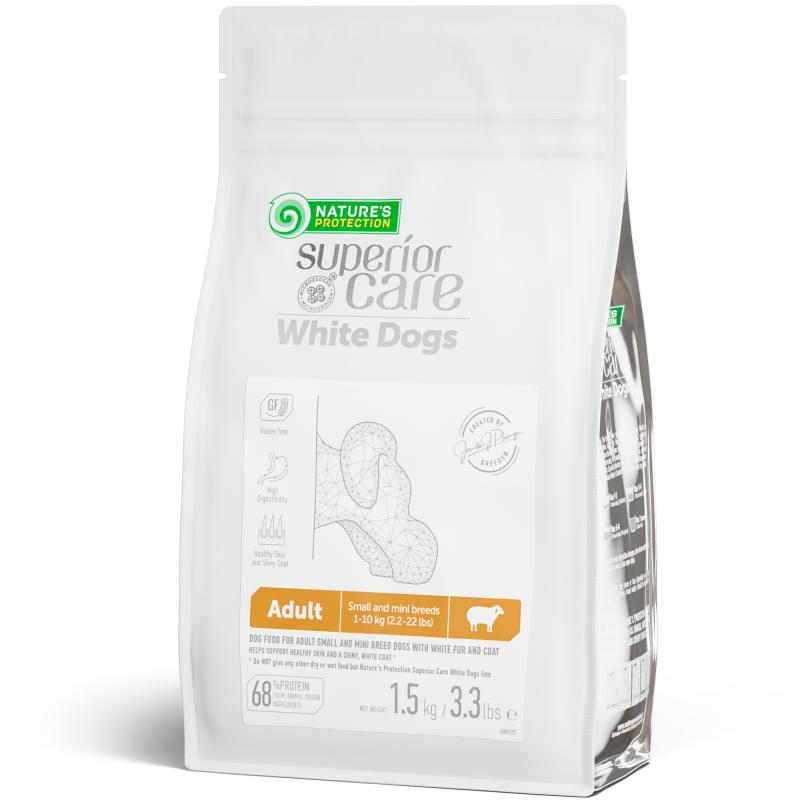

Sensitive digestion products are designed for pets that need gentler support for their stomach and digestive routine. Some pets react more easily to changes in food, rich treats, new proteins or certain ingredients. Signs of digestive sensitivity may include soft stools, gas, occasional stomach upset or reduced appetite, although ongoing symptoms should always be discussed with a veterinarian.
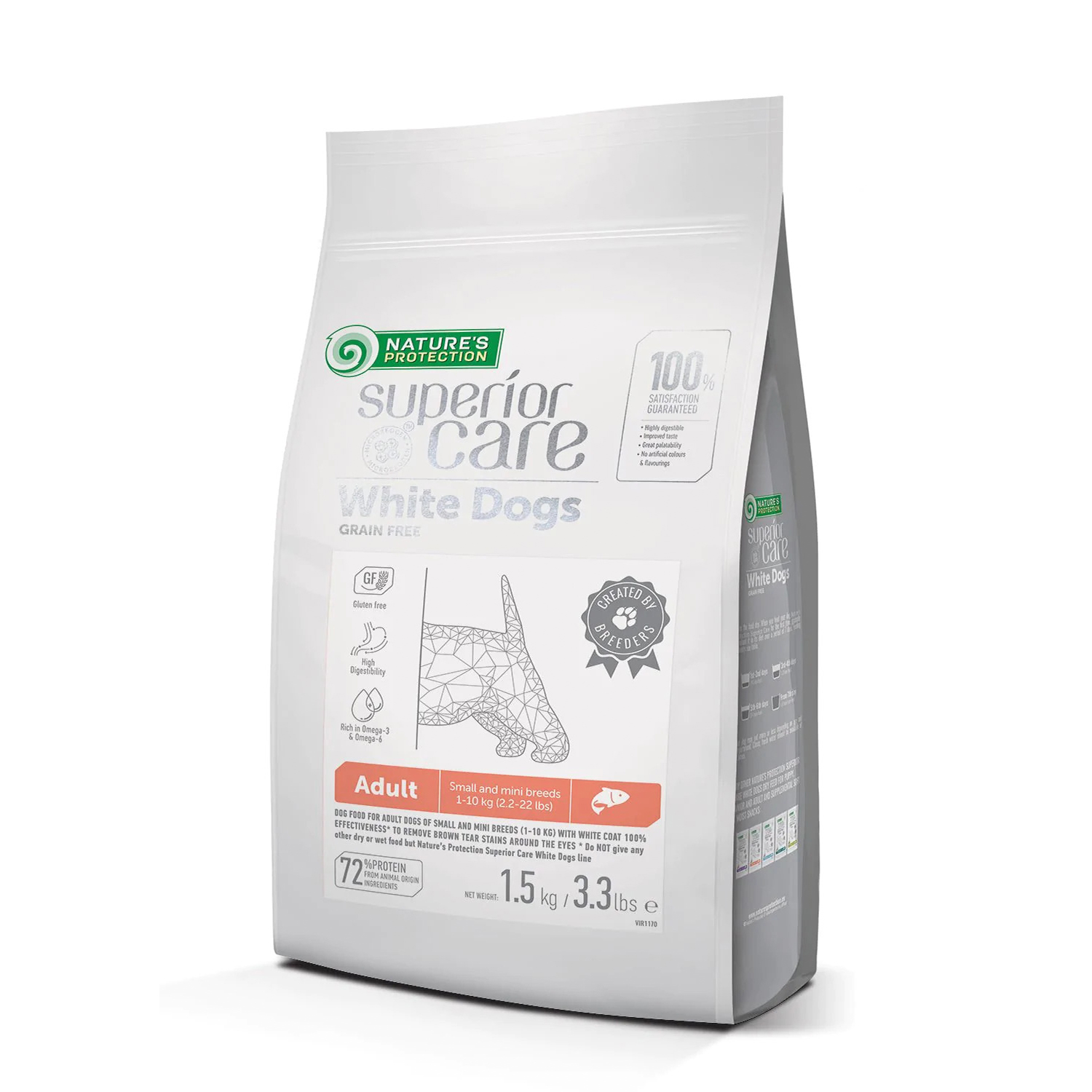
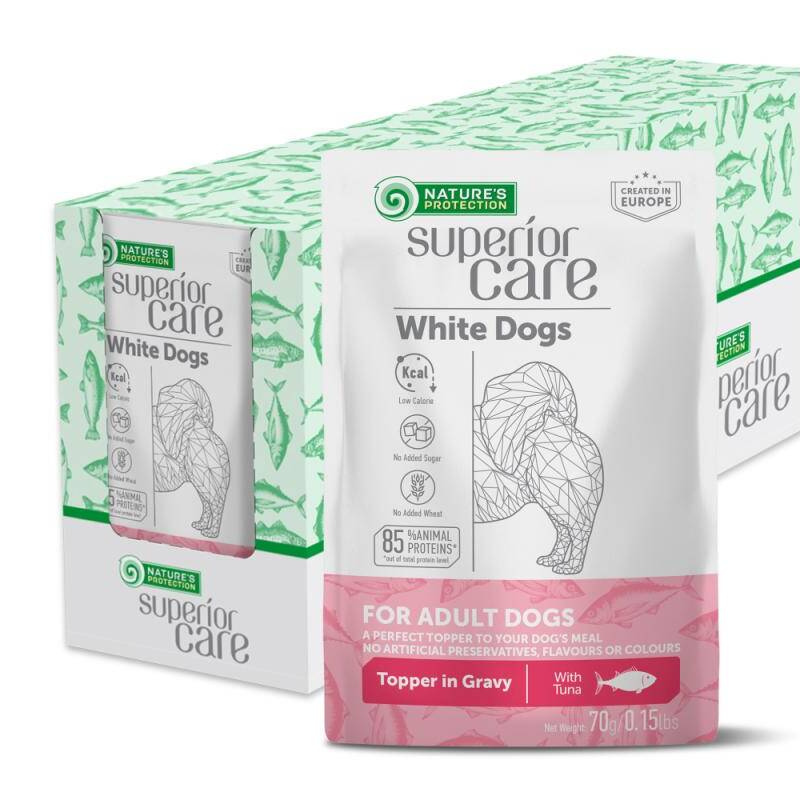
This category may include foods, treats and supplements selected with digestive comfort in mind. For cats and dogs, choosing the right daily food is often the first step. Depending on your pet, this may mean a more suitable dry dog food, wet dog food, dry cat food or wet cat food formula. Functional treats or supplements may also be useful when they are designed to support digestion and fit the pet’s overall diet.
Sensitive digestion care is not about changing products constantly. In many cases, consistency matters more than variety. Sudden switches between foods can upset digestion, even when the new food is high quality. When introducing a new formula, it is usually better to transition gradually over a period of 7-10 days.
Treats should also be chosen carefully. Even a good main food can be disrupted by too many snacks or unsuitable extras. If your pet has repeated vomiting, diarrhea, blood in stool, weight loss or pain, this should not be treated as a simple sensitivity. For everyday digestive support, the right products can help create a calmer and more predictable feeding routine.
Sensitive digestion means a pet may react more easily to certain foods, ingredients, treats or sudden diet changes. This can show as soft stools, gas, occasional vomiting or reduced appetite. Some pets are naturally more sensitive, while others develop problems due to diet or health issues. Persistent symptoms should be checked by a veterinarian.
Look for foods or treats made with digestibility and ingredient suitability in mind. Simple formulas, gradual transitions and consistent feeding routines are often helpful. All of our Nature’s Protection Superior Care products are made with sensitive digestion in mind.
Yes, treats can cause digestive upset if they are too rich, given too often or contain ingredients your pet does not tolerate. Even small snacks can matter for sensitive pets. Introduce new treats slowly and give small amounts first. If symptoms appear, stop the treat and return to the normal diet.
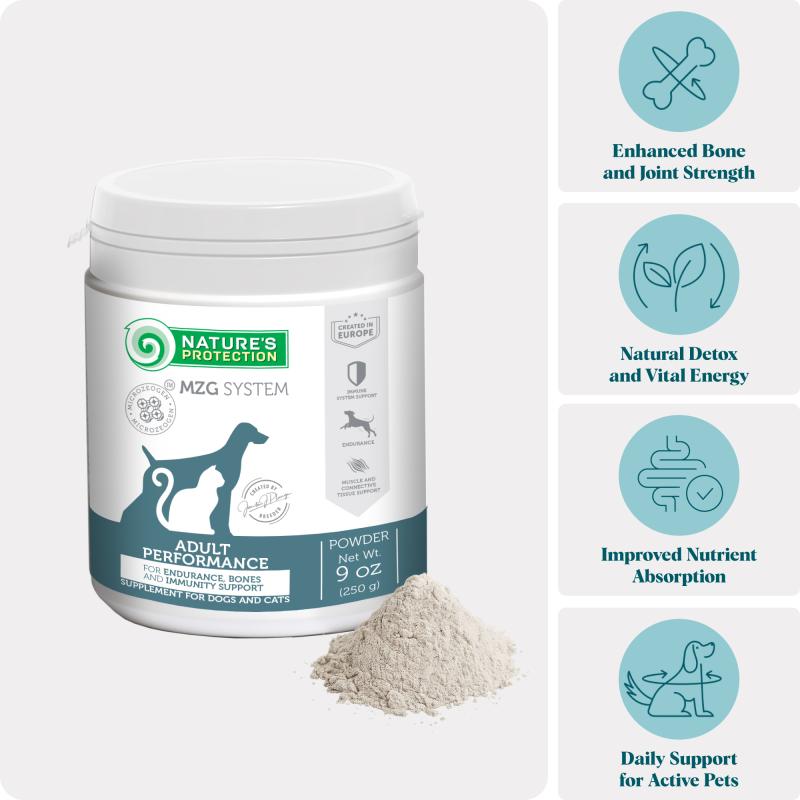
Some supplements may support digestive balance, but they should match your pet’s needs. They are not a substitute for a suitable diet or veterinary care. If your pet has ongoing digestive problems, do not rely on supplements alone. Use them as part of a thoughtful feeding plan.
Introduce new food gradually over 7-10 days by mixing it with the current food. Increase the new food slowly while reducing the old food. Watch stool quality, appetite and energy. A slower transition may be needed for very sensitive pets.
Not necessarily. Some pets may do well on grain-free formulas, while others digest quality grains without issue. Sensitivities can involve proteins, fats, additives or sudden changes, not just grains. Choose based on your pet’s response rather than the label alone.