Sensitive Stomach Dog Food: What to Feed a Dog with Digestive Upset
20 May 2026
Digestive issues are one of the most common health concerns dog owner faces. One day your dog seems perfectly fine, and the next they are dealing with bloating, diarrhea, vomiting, or refusing to eat. Occasional stomach upset can happen to any dog. However, repeated digestive issues often mean the dog has a sensitive stomach. This might require a carefully chosen diet.
The good news is that the right sensitive stomach dog food can make a huge difference. A balanced, easy-to-digest diet helps improve stool quality. It also reduces discomfort and supports your dog’s well-being. The key is knowing what triggers digestive sensitivity. Choose foods that help with digestion.
Is Your Dog’s Stomach Trying to Tell You Something?
A sensitive stomach in dogs often means their digestive system struggles with some foods or ingredients. Some dogs have sensitive digestion. Others can develop sensitivities later. This can happen due to diet changes, stress, food intolerance, or health problems.
Digestive sensitivity mainly impacts the stomach and intestines. In contrast, food allergies often cause skin issues, like itching or ear infections. Dogs with sensitive digestion might have trouble with some proteins, fats, additives, or processed ingredients.
From Vomiting to Bloating: Common Signs of Digestive Trouble
Digestive upsetting can look different from one dog to another. Some dogs have mild symptoms after eating certain foods. Others may feel more discomfort, which can affect their appetite, mood, and energy.
Frequent diarrhea, soft stools, vomiting, gas, bloating, and loud stomach noises are signs of a sensitive stomach. Some dogs may eat grass more often, lick their lips excessively, or seem uncomfortable after meals. Others may become picky eaters or lose interest in food entirely.
Sometimes the signs are subtle. A dog with inconsistent stool or occasional vomiting might seem healthy. This can make it easy to miss the link to diet.
If your dog has regular digestive issues, switching to dog food for digestive upset can help soothe its system. This may lead to better comfort every day.
Choosing the Right Bowl: What Makes Sensitive Stomach Dog Food Different?
Not all dog foods are equally easy to digest. The best dog food made for sensitive stomachs will use simple recipes. It includes carefully chosen proteins and ingredients that support gut health.
High-quality protein sources matter, while lower-quality proteins can stress the digestive system. Foods with lots of fillers, artificial additives, or extra ingredients can upset sensitive dogs.
Many dog foods for sensitive stomachs have prebiotics and probiotics. These help support healthy gut bacteria. Fiber is important; it helps regulate digestion and improves stool consistency. Plus, it does this without overwhelming the stomach.
The goal is not simply to reduce symptoms temporarily, but to support long-term digestive balance and overall health.
Dogs Often Digest Better Gentle Ingredients
Some ingredients are easier on sensitive digestive systems. You’ll often find them in high-quality food for dogs with sensitive stomachs.
Lamb is often suggested for dogs. It’s easy to digest and less likely to cause sensitivity. This is especially true for dogs that have trouble with common proteins. Salmon is a great choice, especially for dogs with skin or coat issues. Its omega-3 fatty acids and easy digestibility help a lot.
Rice and oats are popular for dogs with sensitive stomachs. They offer gentle, digestible carbs that aid steady digestion. Sweet potato is a popular choice; it has fiber and is gentle on the stomach.
For puppies with sensitive digestion, balanced puppy formulas are key. Young dogs need nutrition that helps them grow and is easy on their young tummies. Small breed puppies do best with smaller kibbles. They need nutrient-dense recipes that are easy to chew and digest.
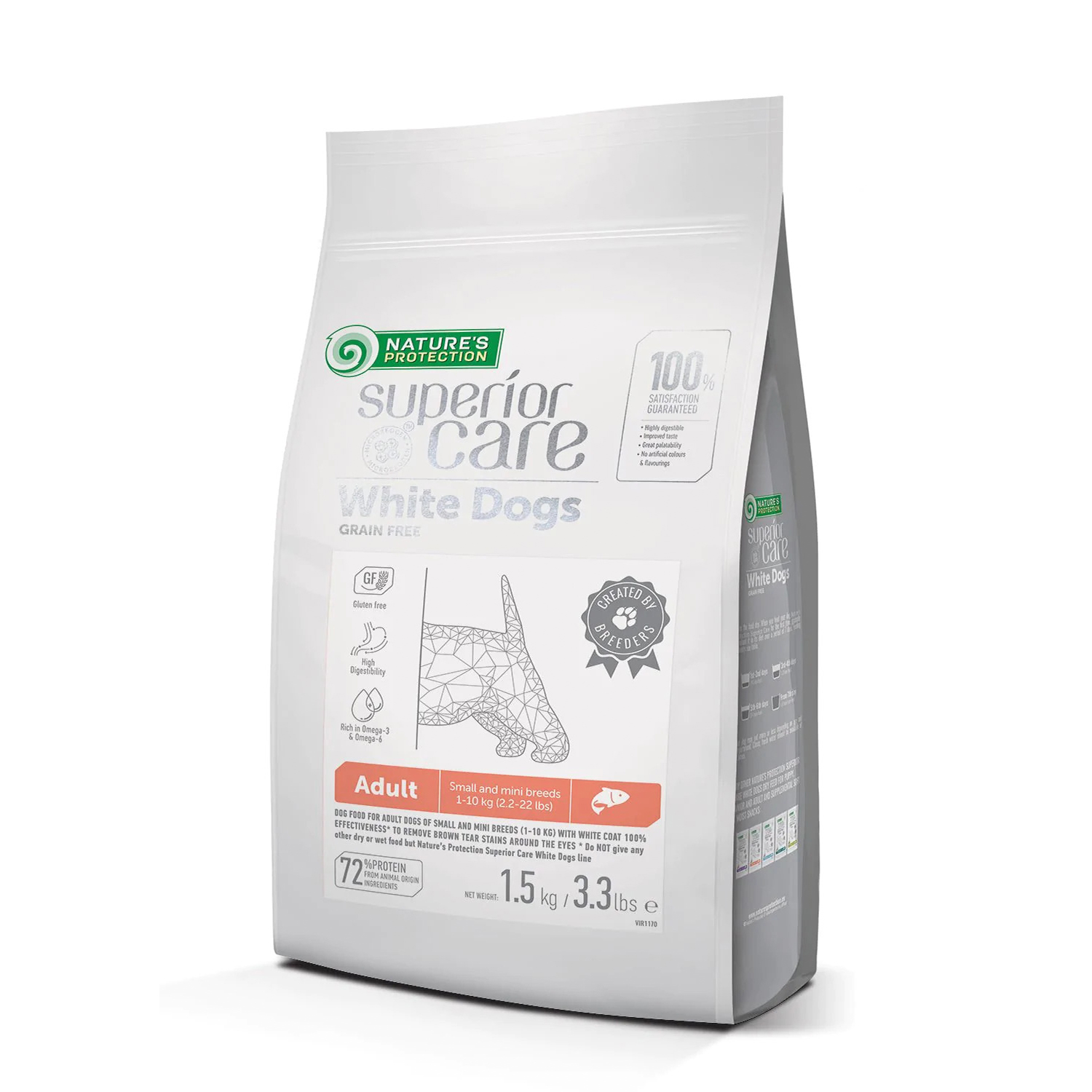
Dogs with white coats can benefit from limited-ingredient diets. These diets should have cleaner protein sources and fewer artificial additives. This is especially useful if digestive problems cause skin irritation or tear staining. Senior dogs usually handle moderate-fat recipes better. Their metabolism and digestion slow down as they age.
Choosing dog food for sensitive stomachs is about matching the formula to your dog’s needs. It's not just about trends.
Hidden Triggers: Ingredients That Can Upset Sensitive Dogs
Some ingredients help with digestion, but others can upset the stomach of sensitive dogs. Artificial preservatives, colorings, and flavor enhancers can irritate the digestive system. This is especially true if they are eaten regularly over time.
Very fatty foods are another common trigger. Dogs with sensitive stomachs may find it hard to digest heavy or greasy meals. This can cause vomiting or diarrhea soon after they eat.
Some dogs react poorly to certain proteins, like beef or chicken. These ingredients are healthy for many other dogs. Dairy products can also cause digestive discomfort in dogs that cannot properly digest lactose.
It is important to remember that grain-free food is not automatically better. Easily digestible grains, like rice and oats, are often easier on the stomach. This is especially true compared to grain-free options that use a lot of legumes or potatoes.
Understanding your dog’s triggers can take time. But finding the right ingredients may improve digestive comfort in the long run.
Dry or Wet? Finding the Best Texture for Sensitive Stomachs
Both dry and wet food can work well for dogs with digestive sensitivities. The best choice often depends on your dog’s likes, how much water they need, and how serious their symptoms are.
Dry food is convenient, supports dental health, and is often easier to store and portion. You can find many high-quality dog foods for sensitive stomachs. They often come as dry kibble and include ingredients that support digestion.
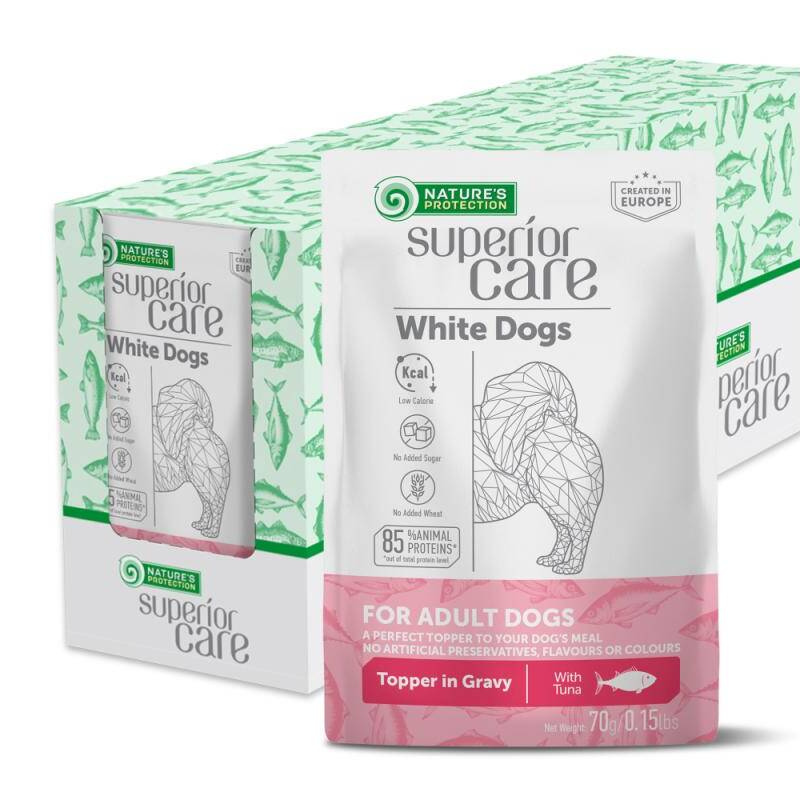
Wet food has more moisture. This helps dogs stay hydrated and can be easier on their stomachs. Dogs that feel nauseous or have a poor appetite often prefer wet food. It can seem easier and more tempting for them to eat.
For some dogs, mixing wet and dry food offers a great balance. It helps with digestion, texture, and nutrition.
Why Age, Breed, Size, and Even Coat Color Matter
A dog’s age, breed size, and even coat type can influence which food works best for sensitive digestion.
Small breeds usually have quicker metabolisms. They often need calorie-rich meals in smaller portions. Large breed dogs often need formulas that aid digestion and support healthy joints.
Puppies need easy-to-digest nutrients. These help them grow strong without stressing their tummies. Senior dogs often do better on moderate-fat diets. They also need proteins that are easier to digest. Their digestive efficiency changes as they age.
Coat condition can also provide clues about nutrition. Dogs with white coats or sensitive skin often do better on limited-ingredient diets. These diets cut down on irritants that can cause digestive and skin issues.
The best dog food for sensitive stomachs varies by dog. There isn't one perfect formula for every pet.
Switching Foods Without Upsetting Your Dog’s Stomach
Even the best food can cause temporary digestive upset if introduced too quickly. Dogs need time to adjust to new ingredients, textures, and nutrient balances.
Most veterinarians recommend gradually transitioning to new food over seven to ten days. Begin by adding a bit of new food to the current diet. Then, increase the amount each day.
Watch stool quality, appetite, and behavior during the transition. This helps you see if the new food is working.
Consistency is equally important. Diet changes, too many treats, or table scraps can upset digestion in sensitive dogs. This can happen even with high-quality food.
When a Sensitive Stomach Could Be Something More Serious
Occasional digestive upset is common, but ongoing symptoms should never be ignored. Frequent vomiting, severe diarrhea, blood in the stool, sudden weight loss, or pain can signal a serious medical problem. These signs need veterinary care.
Digestive symptoms can arise from many causes: parasites, infections, pancreatitis, chronic inflammation, or food allergies. These issues require a professional diagnosis and treatment.
If your dog still has symptoms after eating digestive upset dog food, consult a vet. Testing and dietary advice can identify the root cause of health issues. They can also prevent serious problems from worsening.
The Ultimate Sensitive Stomach Dog Food Checklist for Pet Owners
Finding the right dog food for a sensitive stomach takes time, but the results can be worth it. The right formula improves digestion. It makes stools healthier; eases discomfort and helps your dog enjoy meals again.
Choose food with easy-to-digest proteins, balanced fiber, and simple ingredient lists. Avoid unnecessary additives. Watch how your dog responds to various proteins and carbs. Keep in mind that age, breed size, and coat condition can all affect its dietary needs.
The best dog food for dogs with sensitive stomachs keeps them healthy and happy every day.
Kamilė Ausmanė is a veterinarian, Head of Pharmacy at the KIKA retail network, instructor and head of Tauro Grooming Academy, and President of the Pet Grooming Specialists’ Board of the Lithuanian Kennel Club. She earned her veterinary degree from the Lithuanian University of Health Sciences in 2014, but has been actively involved in dog grooming and dog shows for 17 years. The knowledge she has gained over the years allows her to take a broader approach to pet care, considering not only the appearance of the coat but also the importance of skin health, hygiene, and the animal’s overall well-being. She specializes in grooming Bichon Frises, Maltese dogs and Pomeranians, teaches both aspiring and practicing professionals, and conducts seminars in Lithuania and abroad. Kamilė also participates in dog grooming competitions, while the dogs she has groomed have won numerous World and European Championship titles.
Master's Degree (MSc) in Veterinary Medicine
— Lithuanian University of Health Sciences
Skills:
Veterinary medicinePreventive pet healthcareDog groomingPet skin and coat healthPet hygienePet showsBichon Frise groomingMaltese dog groomingPomeranian grooming





.jpeg)