The Best Food for Dogs with Sensitive Stomachs in 2026
14 Nov 2024
As pet parents, we always want the best for our furry friends, especially when it comes to their nutrition. For dogs with sensitive stomachs, finding the right food can be a challenge. In this comprehensive guide, we'll explore the top options for dogs with delicate digestive systems and share expert tips to keep your pup happy and healthy.
Understanding Canine Digestive Sensitivity
Before diving into food options, it's essential to recognize the signs of a sensitive stomach in dogs. These may include:
Frequent diarrhea or vomiting
Excessive gas
Loss of appetite
Lethargy or discomfort after eating
Excessive burping after eating
Frequent lip licking
If you notice these symptoms persisting, it's crucial to consult with your veterinarian to rule out any underlying health issues.
Key Ingredients for Sensitive Stomachs
When selecting food for dogs with sensitive stomachs, look for these beneficial ingredients:
Simple carbohydrates (e.g., rice or sweet potatoes)
Prebiotics and probiotics for gut health
Natural antioxidants
Omega-3 and omega-6 fatty acids for skin and coat health
Top Food Choices for Sensitive Stomachs
Limited Ingredient Diets: These formulas contain fewer ingredients, making it easier to identify and avoid potential allergens.
Grain-Free Options: While not necessary for all dogs, many may benefit from grain-free formulas that use alternative carbohydrate sources, like sweet potatoes.
Novel Protein Sources: Unique proteins like insects can be gentler on sensitive stomachs.
Hypoallergenic Formulas: These are specifically designed to minimize allergic reactions and digestive upset.
Nature's Protection: A Holistic Approach to Canine Nutrition
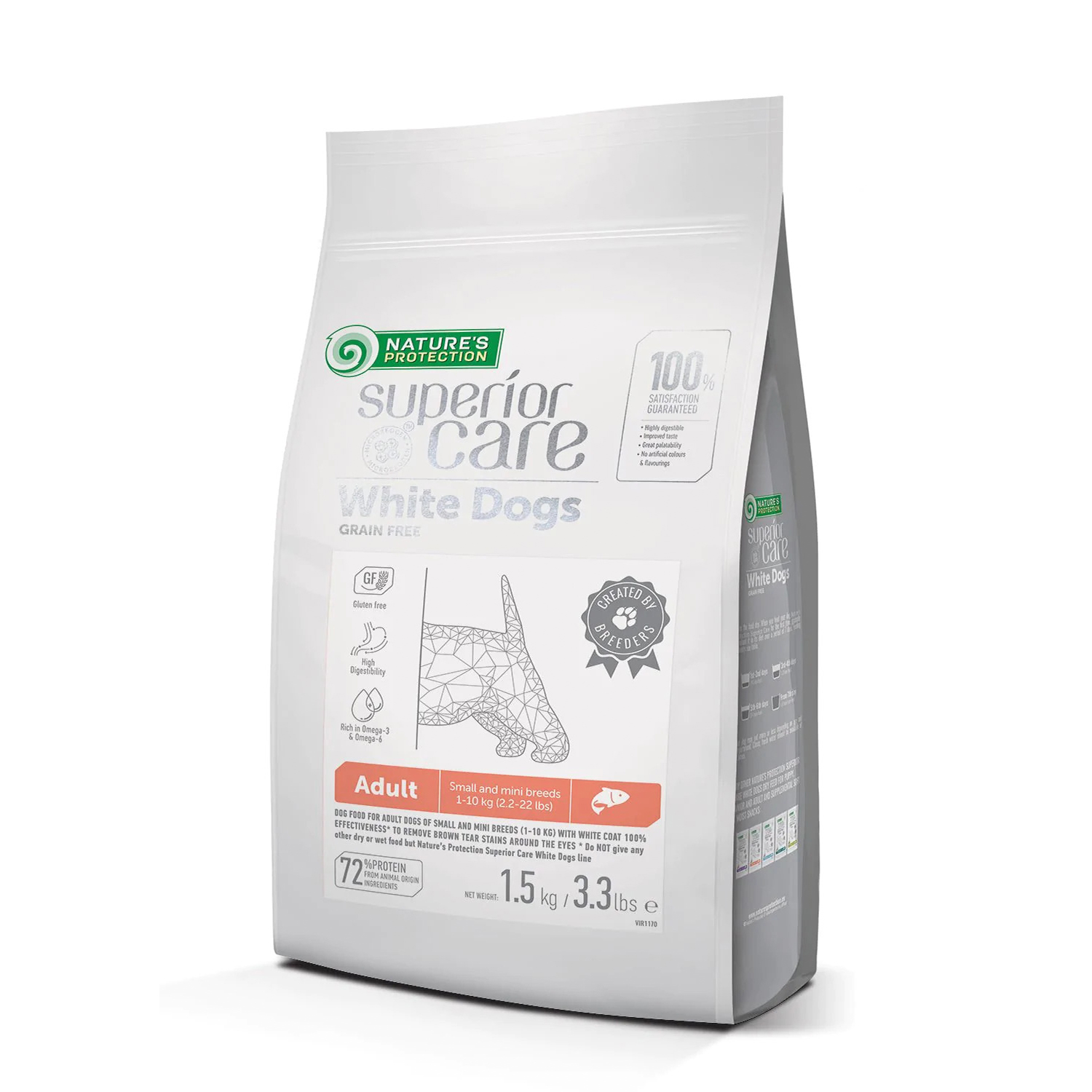
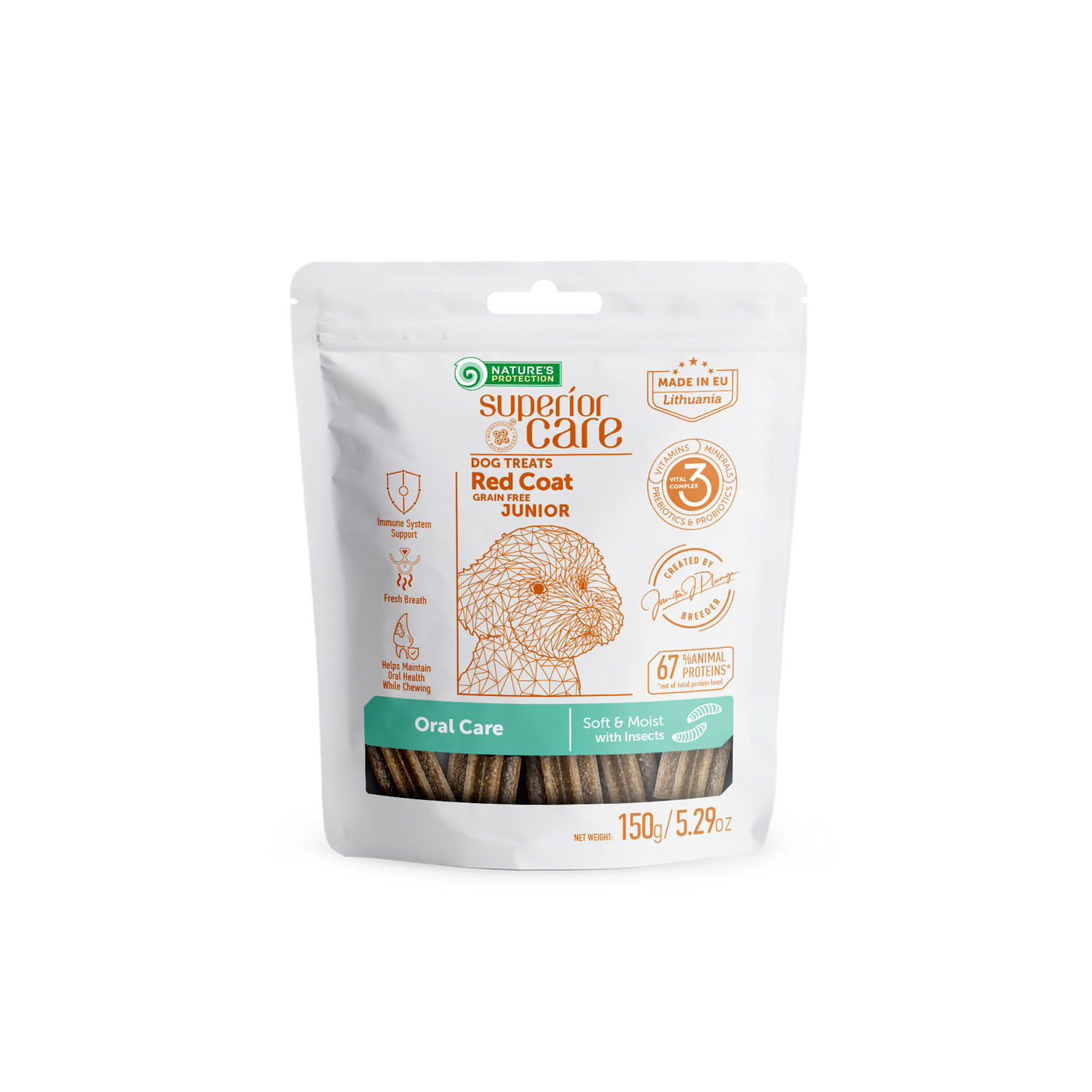
When considering options for dogs with sensitive stomachs, it's worth exploring brands that prioritize natural ingredients and digestive health. Nature's Protection, for instance, offers a range of formulas that cater to dogs with specific dietary needs. Their products often include:
Hypoallergenic proteins
Natural antioxidants
MicroZeoGen (clinoptilolite) and prebiotics for digestive support
While every dog is unique, many pet owners have reported success with such holistic approaches to canine nutrition.
Tips for Transitioning to New Food
When introducing a new food to your dog with a sensitive stomach:
Transition slowly over 7-10 days, gradually increasing the new food while decreasing the old.
Monitor your dog's response closely.
Consider adding digestive supplements as recommended by your vet.
Maintain a consistent feeding schedule.
Summary
Finding the right food for dogs with sensitive stomachs may require some patience and experimentation. By focusing on high-quality, easily digestible ingredients and following the guidance of your veterinarian, you can help ensure your furry friend enjoys meal times without discomfort. Remember, a happy tummy leads to a happier, healthier dog!
FAQs
What are the signs of a sensitive stomach in dogs?
You might notice vomiting or diarrhea, which can sometimes contain blood in the stool. Excessive gas is another common sign, as well as a loss of appetite. Your dog may appear lethargic or uncomfortable after eating. Pay attention to excessive stomach growling or if your dog is frequently licking their lips or swallowing more than usual. These can all be indicators of digestive discomfort.
How many times a day should you feed a dog with a sensitive stomach?
For dogs with sensitive stomachs, it's best to offer smaller, more frequent meals. Aim for 2-4 small meals per day, as this can help ease digestion and reduce the workload on their digestive system. This approach allows for a more consistent flow of nutrients and can help prevent overwhelming the digestive tract.
What is the best food for dogs with sensitive stomachs?
The best food for dogs with sensitive stomachs typically includes easily digestible proteins such as white fish, lamb, or insects. Simple carbohydrates like white rice or sweet potatoes are often well-tolerated. Limited ingredient diets (LIDs) can be beneficial as they reduce the risk of triggering food sensitivities. Look for formulas with prebiotics and probiotics to support healthy digestion. Foods with moderate fat content can also help reduce the digestive workload. Nature's Protection, for instance, offers formulas that cater to dogs with specific dietary needs, including hypoallergenic proteins and natural antioxidants, which can be beneficial for sensitive stomachs.
Are certain dog breeds more prone to sensitive stomachs?
While any dog can develop a sensitive stomach, some breeds, like German Shepherds, Great Danes, Labrador Retrievers, Yorkshire Terriers, Chihuahuas, Miniature Schnauzers, and Collies, may be more predisposed to digestive issues. However, it's important to note that individual dogs within any breed can have sensitive stomachs, regardless of their breed's general tendencies. Factors like genetics, environment, and diet all play a role in digestive health.
Should I use supplements for my dog's sensitive stomach?
Supplements can be beneficial for dogs with sensitive stomachs, but it's crucial to consult with your veterinarian before adding any to your dog's diet. Probiotics, digestive enzymes, clinoptilolite (zeolite powder), and certain vitamins may be recommended based on your dog's specific needs. Your vet can help determine which supplements, if any, would be most beneficial for your dog's particular situation.
What causes a sensitive stomach in dogs?
Sensitive stomachs in dogs can be caused by various factors. Food allergies or intolerances are common culprits, as are sudden changes in diet. Eating inappropriate foods or objects can also lead to digestive upset. Sometimes, infections or parasites may be the root cause. Underlying health conditions can manifest as digestive issues, and even stress or anxiety can impact a dog's digestive health. It's often a combination of factors that contribute to a sensitive stomach.
When should I consult a veterinarian about my dog's sensitive stomach?
You should consult a veterinarian if symptoms persist for more than a few days. The presence of blood in the vomit or stool is always a cause for concern and warrants immediate veterinary attention. Significant weight loss is another red flag. If digestive symptoms are accompanied by lethargy or fever, it's time to see the vet. In general, any concerning changes in behavior or health should prompt a consultation with your veterinarian. They can provide personalized advice and treatment tailored to your dog's specific needs and health conditions.
Kamilė Ausmanė is a veterinarian, Head of Pharmacy at the KIKA retail network, instructor and head of Tauro Grooming Academy, and President of the Pet Grooming Specialists’ Board of the Lithuanian Kennel Club. She earned her veterinary degree from the Lithuanian University of Health Sciences in 2014, but has been actively involved in dog grooming and dog shows for 17 years. The knowledge she has gained over the years allows her to take a broader approach to pet care, considering not only the appearance of the coat but also the importance of skin health, hygiene, and the animal’s overall well-being. She specializes in grooming Bichon Frises, Maltese dogs and Pomeranians, teaches both aspiring and practicing professionals, and conducts seminars in Lithuania and abroad. Kamilė also participates in dog grooming competitions, while the dogs she has groomed have won numerous World and European Championship titles.
Master's Degree (MSc) in Veterinary Medicine
— Lithuanian University of Health Sciences







.jpeg)