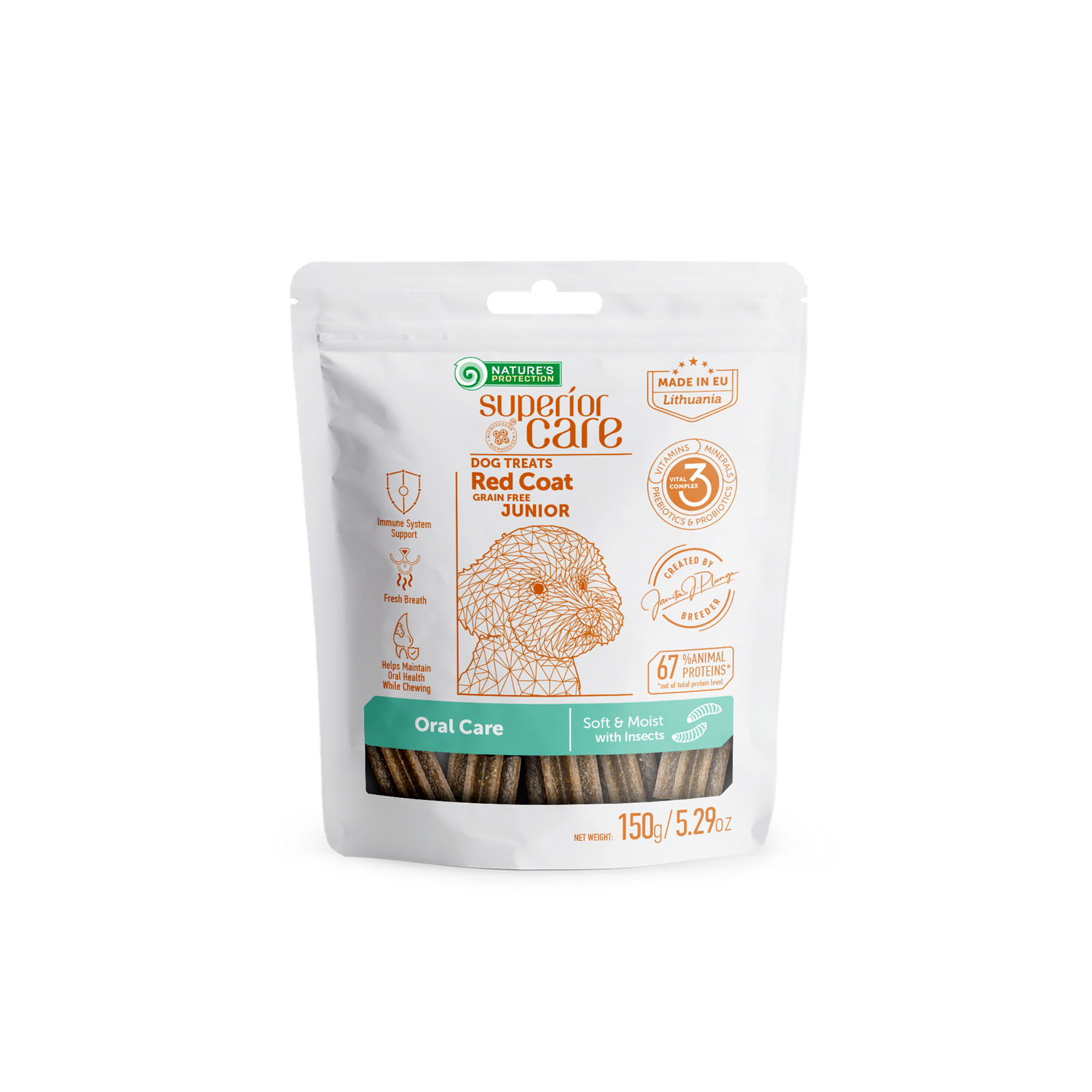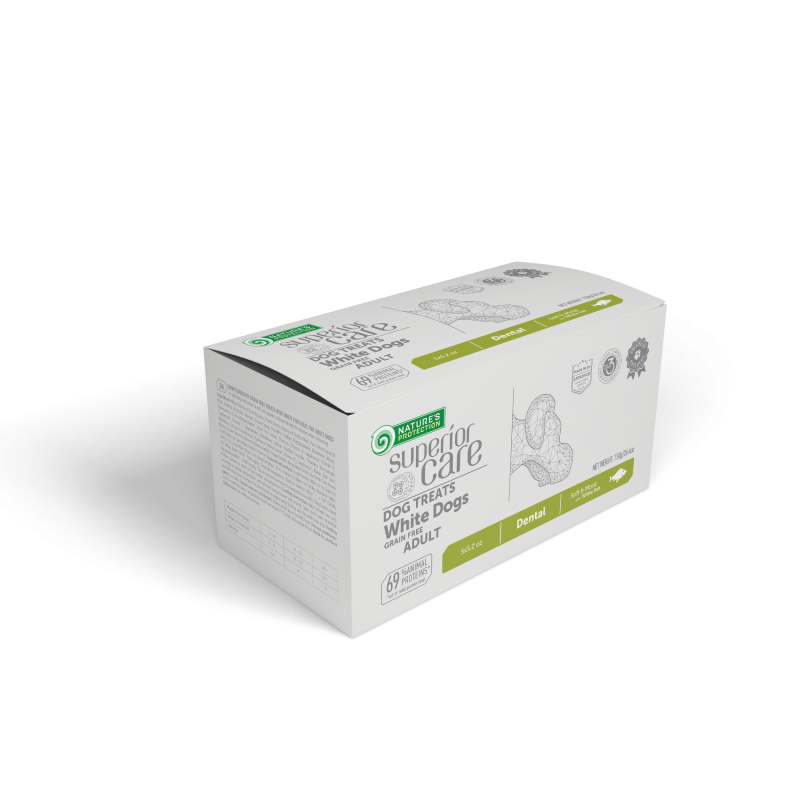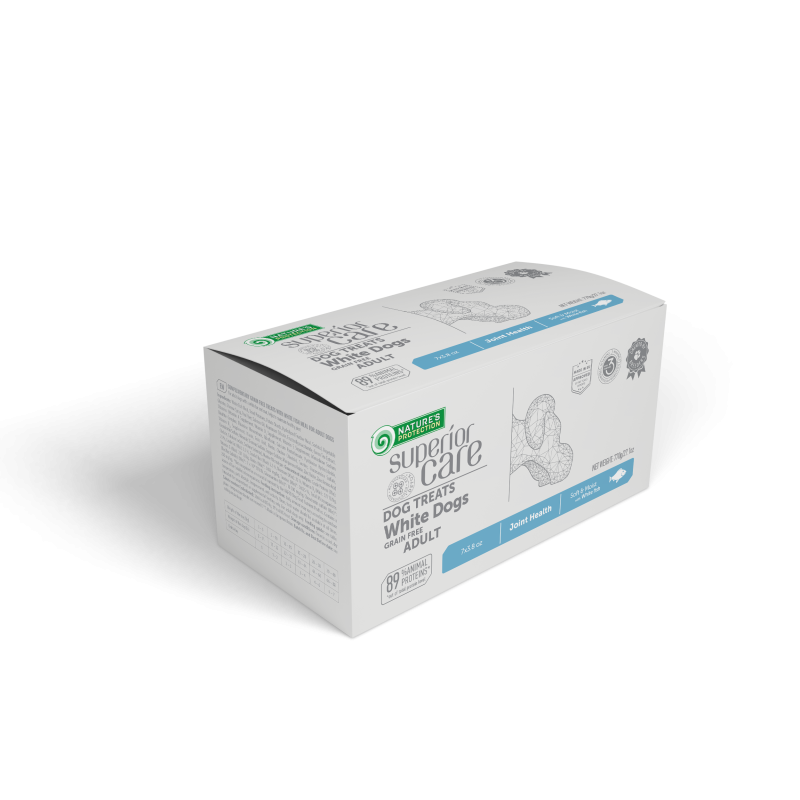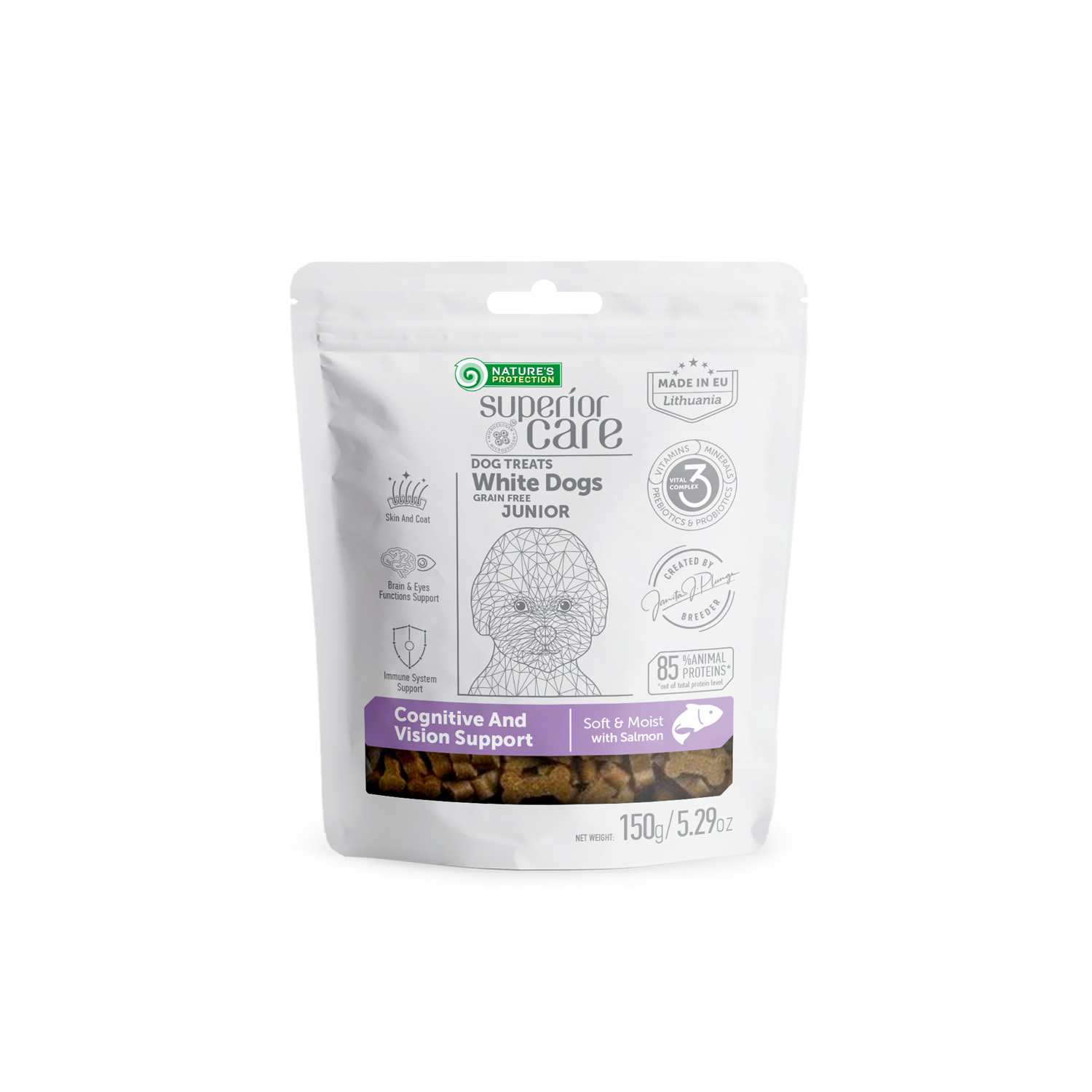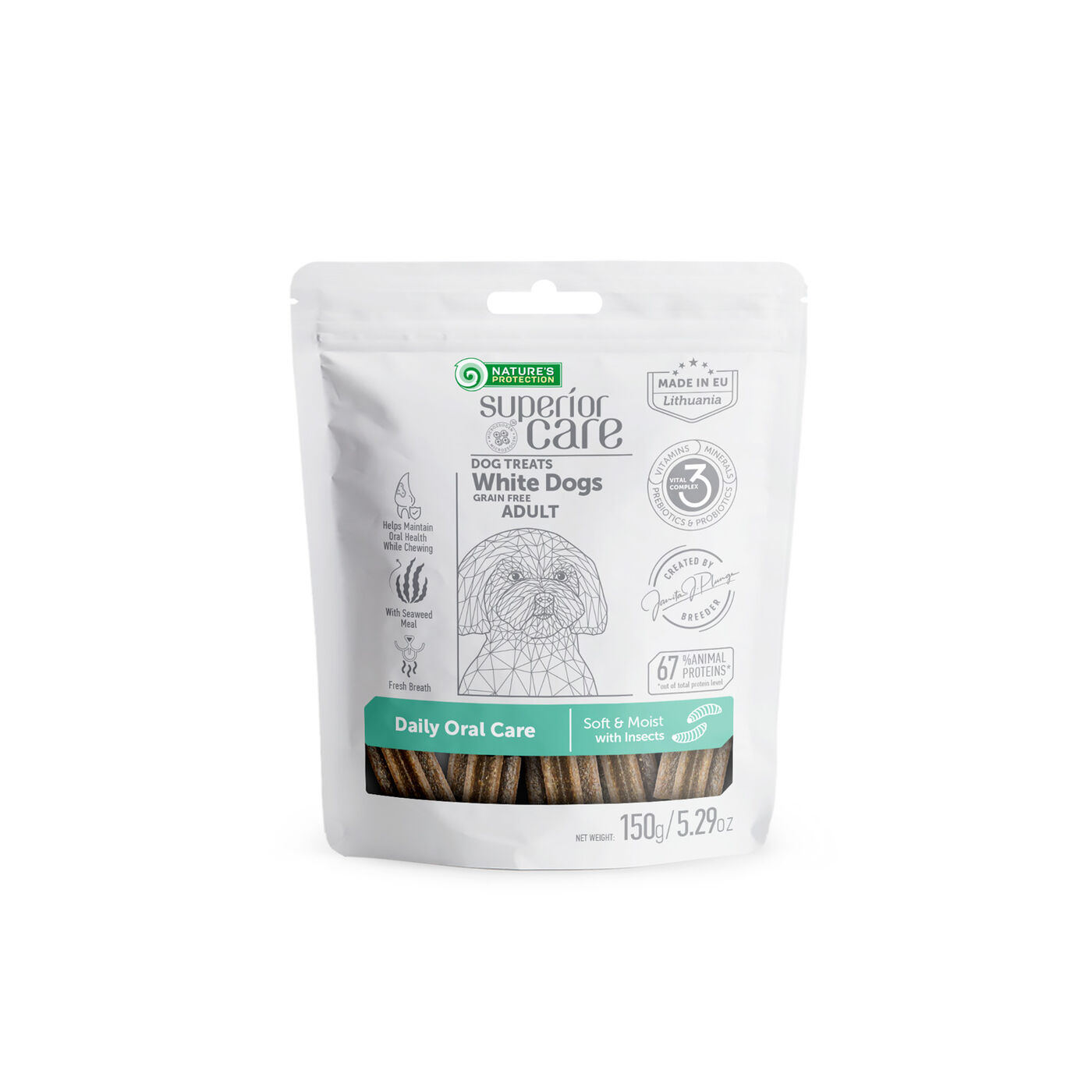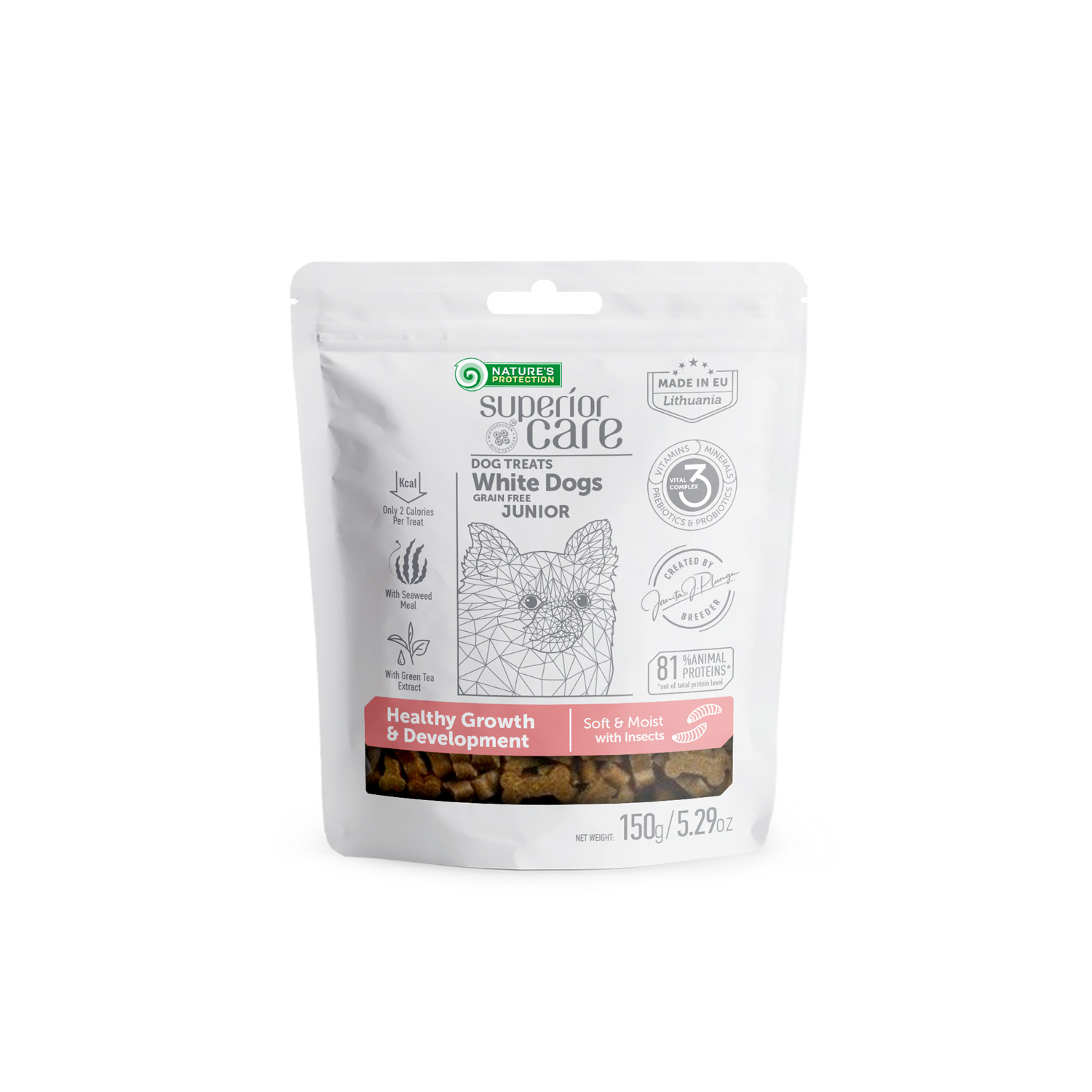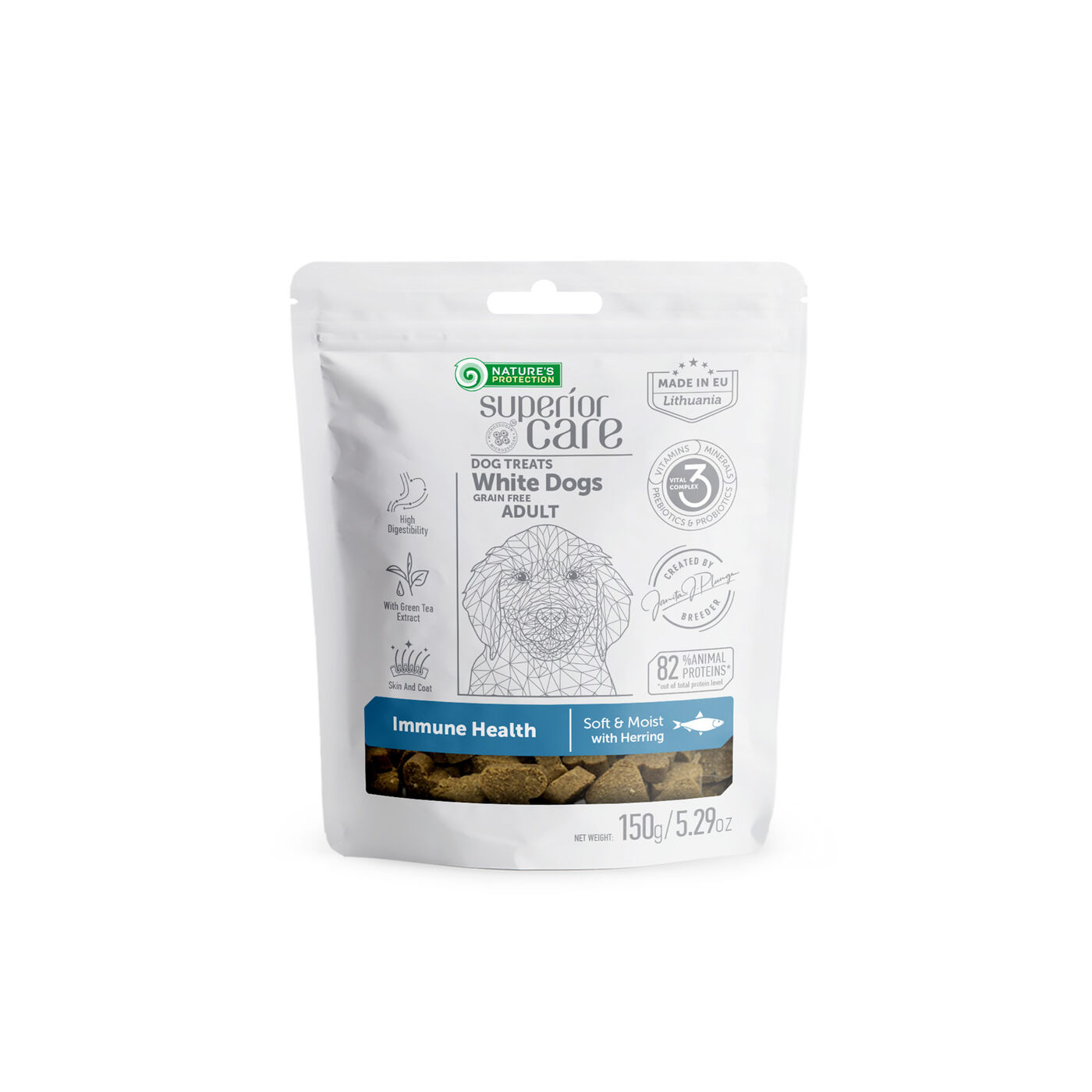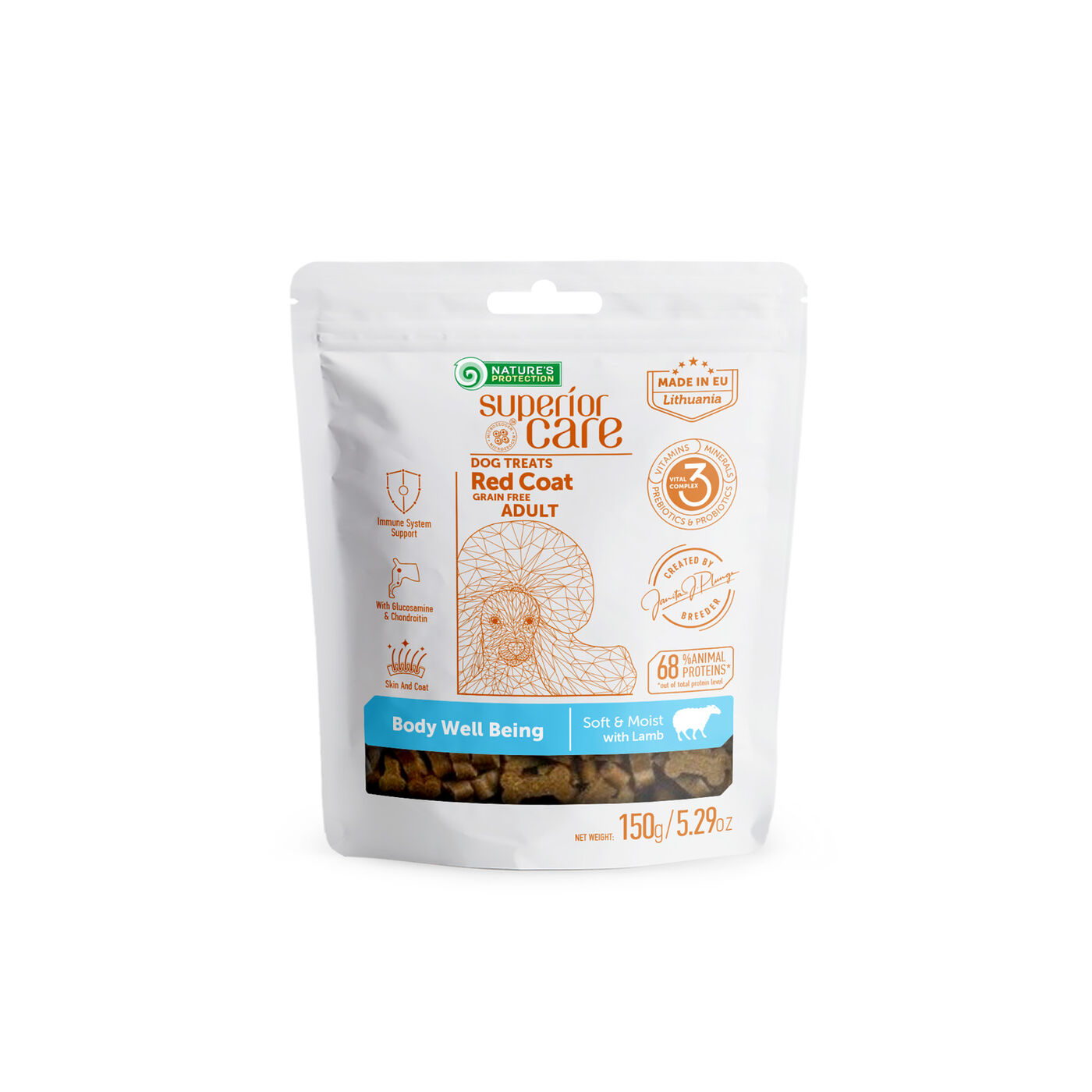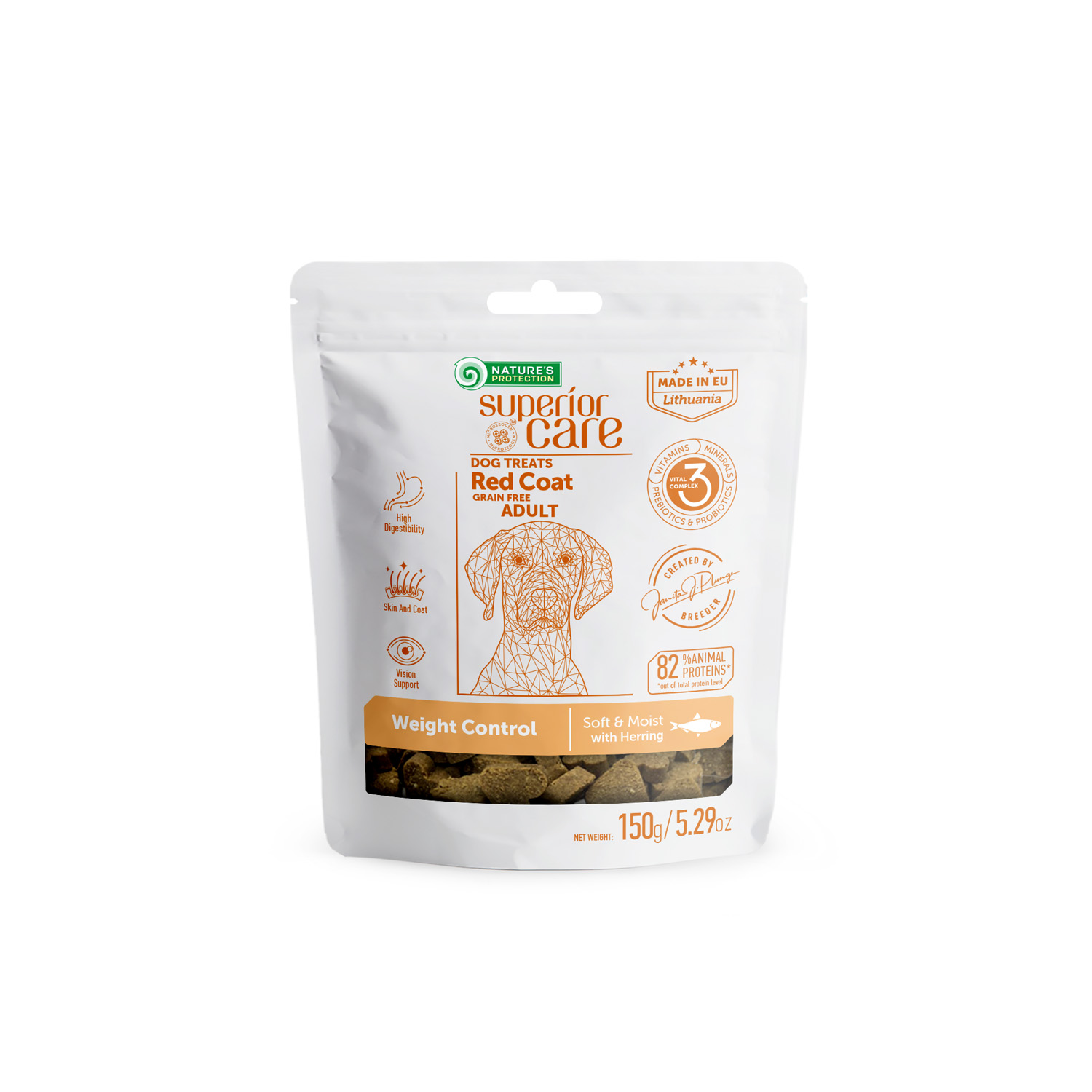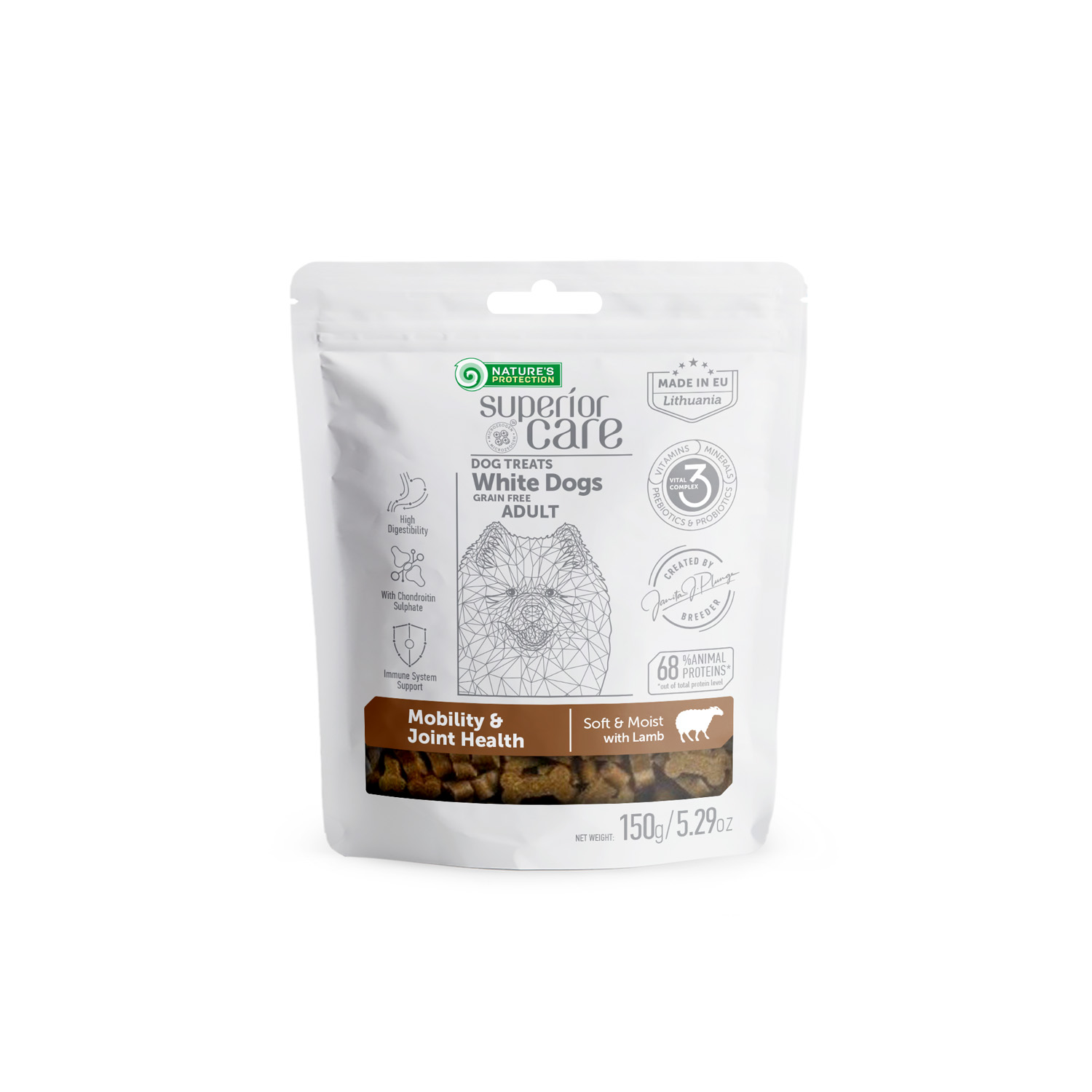
Grain-free dog treats provide snack and reward options made without grains such as wheat, corn, rice or barley. They can be useful for owners who already feed a grain-free diet or simply prefer treats formulated with alternative ingredients.
This category may include soft training rewards, crunchy snacks, chews and functional treats with different animal protein sources and textures. Some are designed for frequent training, while others are better suited to occasional rewarding, chewing or enrichment. The right choice depends on your dog’s size, chewing habits and how often treats are given.
Grain-free treats can complement grain-free dog food, helping owners keep both meals and rewards aligned with the same dietary approach. However, grain-free does not automatically mean low-calorie, limited-ingredient or suitable for dogs with food allergies. The complete ingredient list is still important, especially if your dog reacts to particular proteins or other ingredients.
Treats should support the main diet rather than compete with it. Dogs receiving frequent rewards during training may benefit from smaller pieces or lower-calorie options, while larger treats can be reserved for occasional use.
When introducing a new treat, start with a small amount and monitor digestion. If your dog has known sensitivities or follows a veterinary diet, confirm that the treat fits those restrictions before adding it to the routine.
A grain-free dog treat is made without grains such as wheat, corn, rice or barley. Other ingredients are used to create its texture and structure instead.
They may suit some dogs, but removing grains does not remove every potential allergen. Animal proteins are also common ingredients in treats and may be relevant for dogs with genuine food allergies. Check the full ingredient list carefully. If your dog is undergoing an elimination diet, even a small unsuitable treat can interfere with the process. In that situation, only use treats approved as part of the diet.
Yes, especially if they are small, soft or easy to break into pieces. Frequent training rewards should be kept small so calorie intake does not build up too quickly. The dog should be able to eat the reward quickly and return attention to the task. Larger chews are usually less practical for repeated reinforcement.
They can if the treat is suitable for puppies and appropriately sized. Treats should remain limited because puppies need most of their calories from complete puppy food.
You can, particularly if your dog does well with that protein or has a restricted diet. However, healthy dogs do not necessarily need every meal and treat to contain exactly the same protein source. For dogs with suspected sensitivities, keeping ingredients consistent can make reactions easier to track. Always follow veterinary guidance if the dog is on a formal food trial.