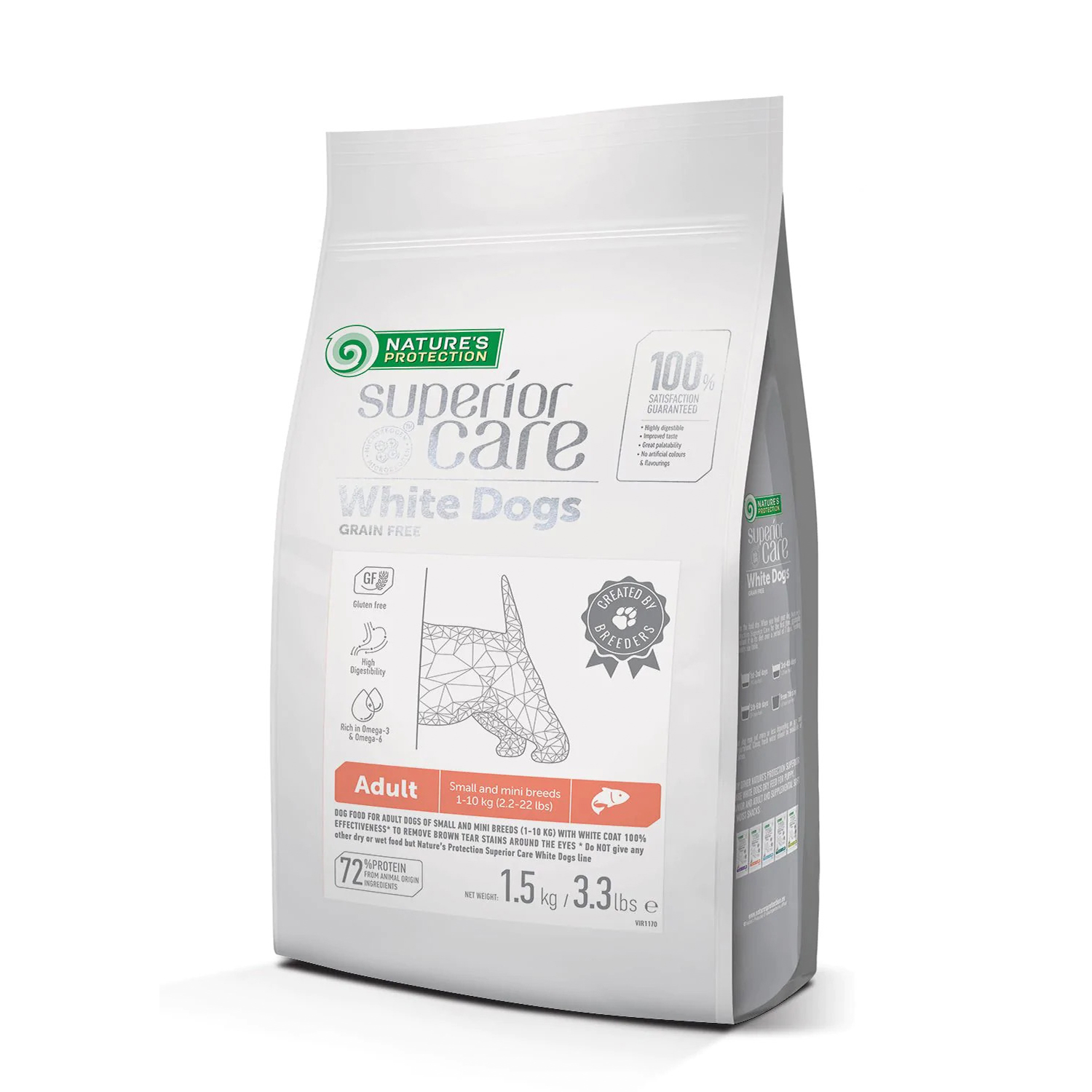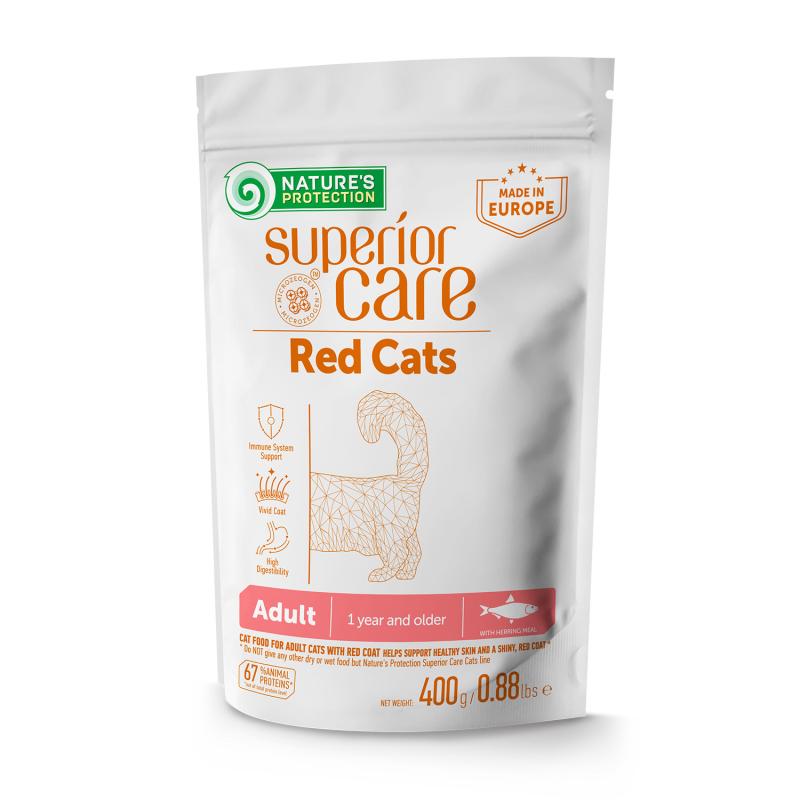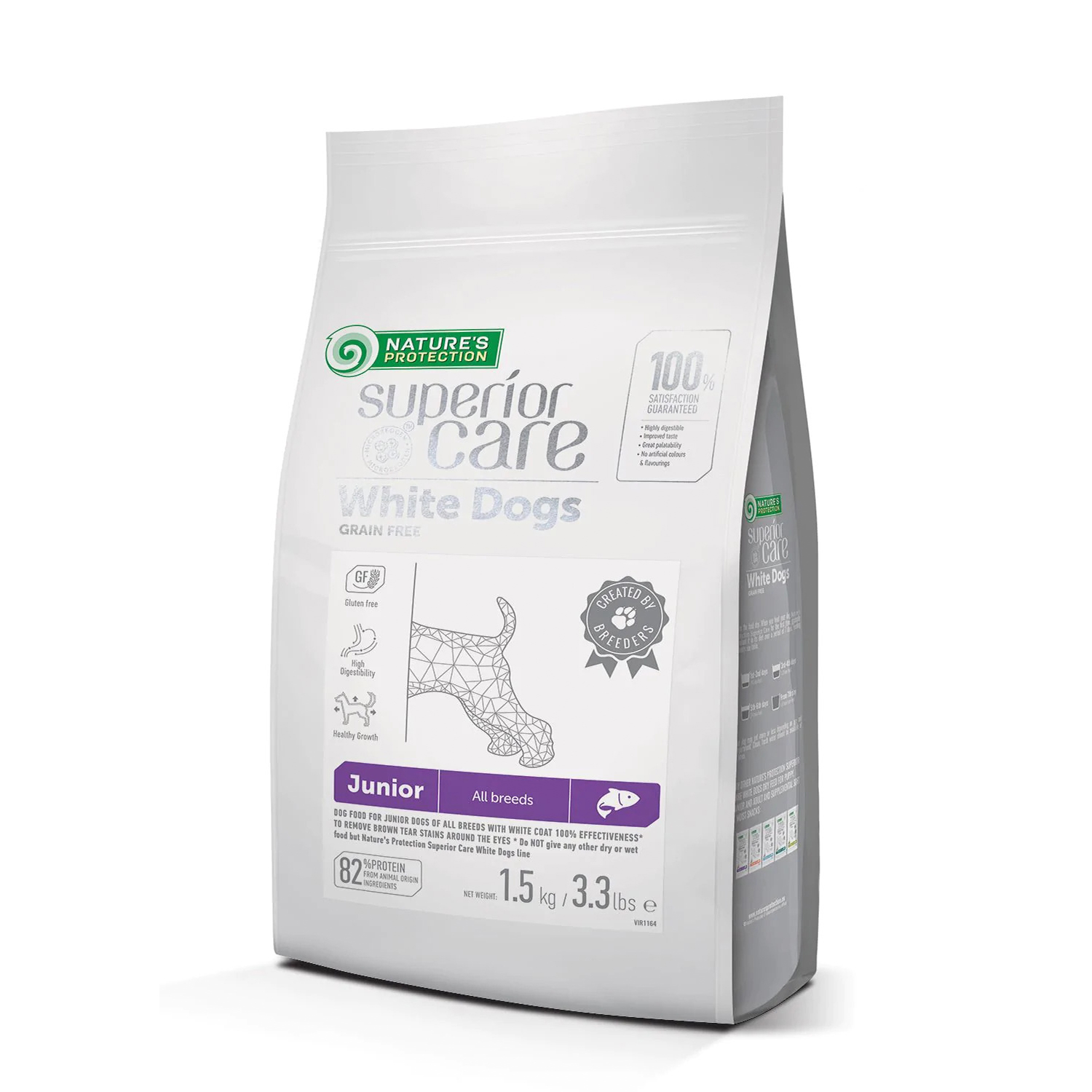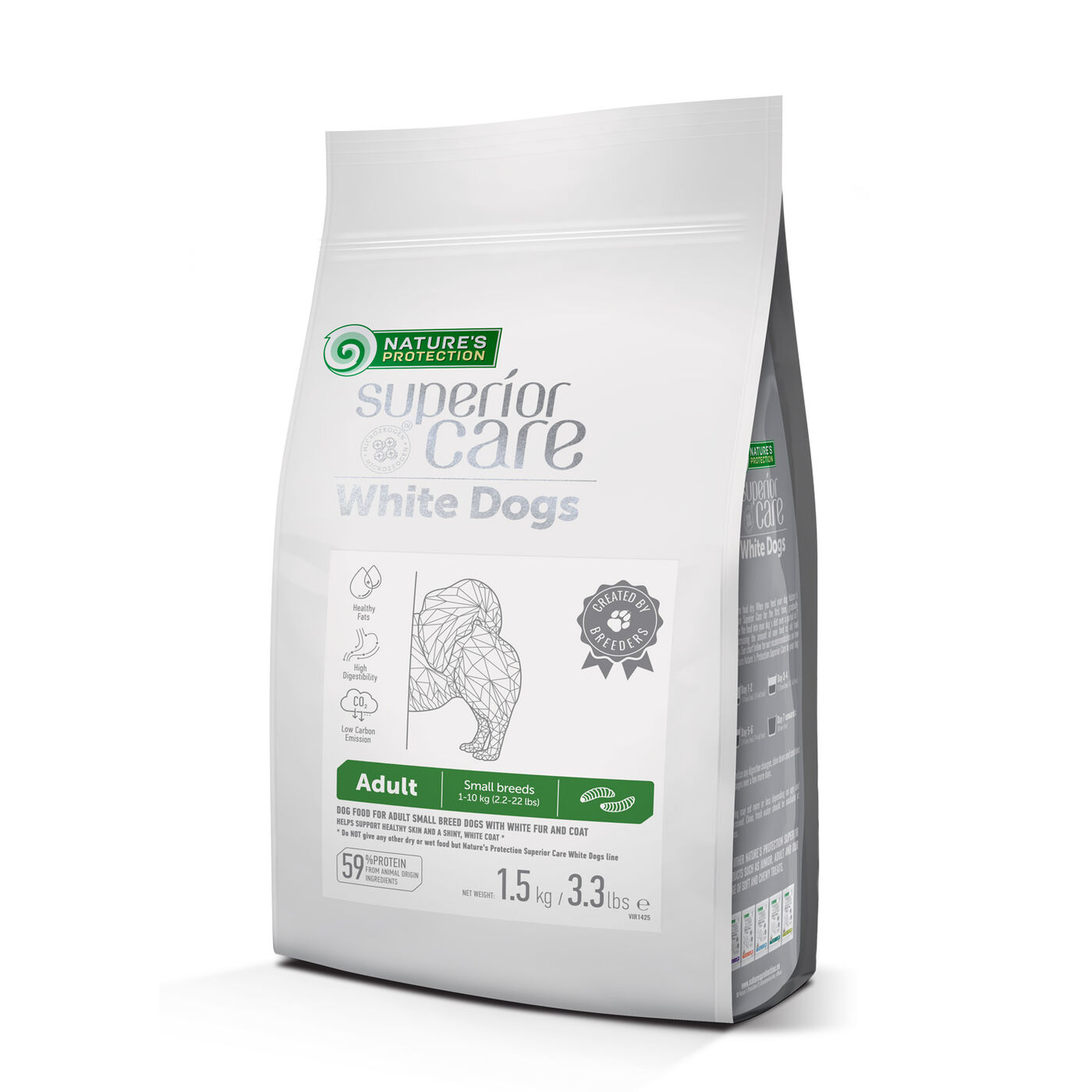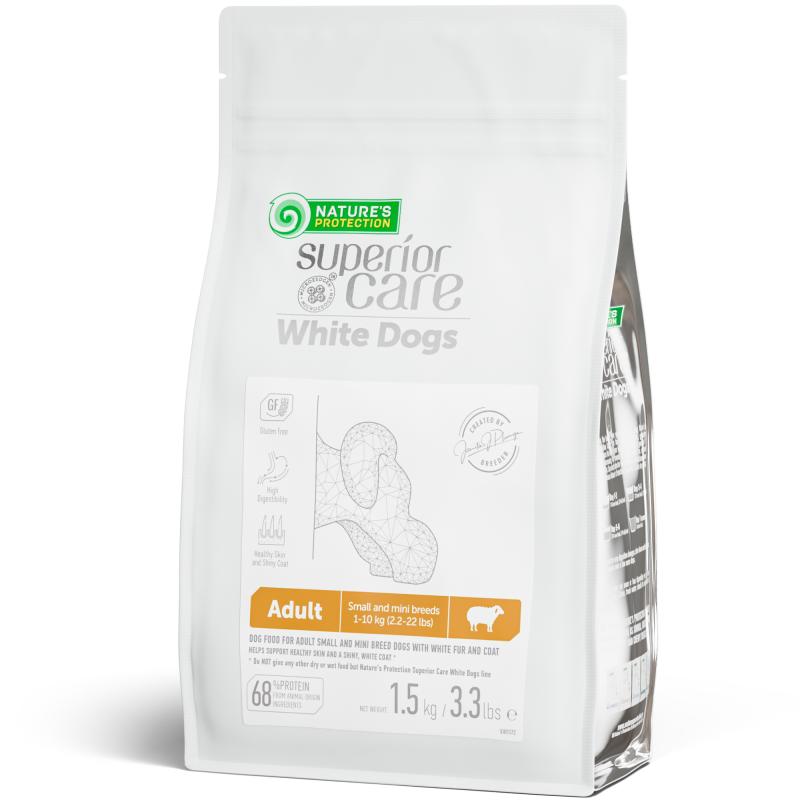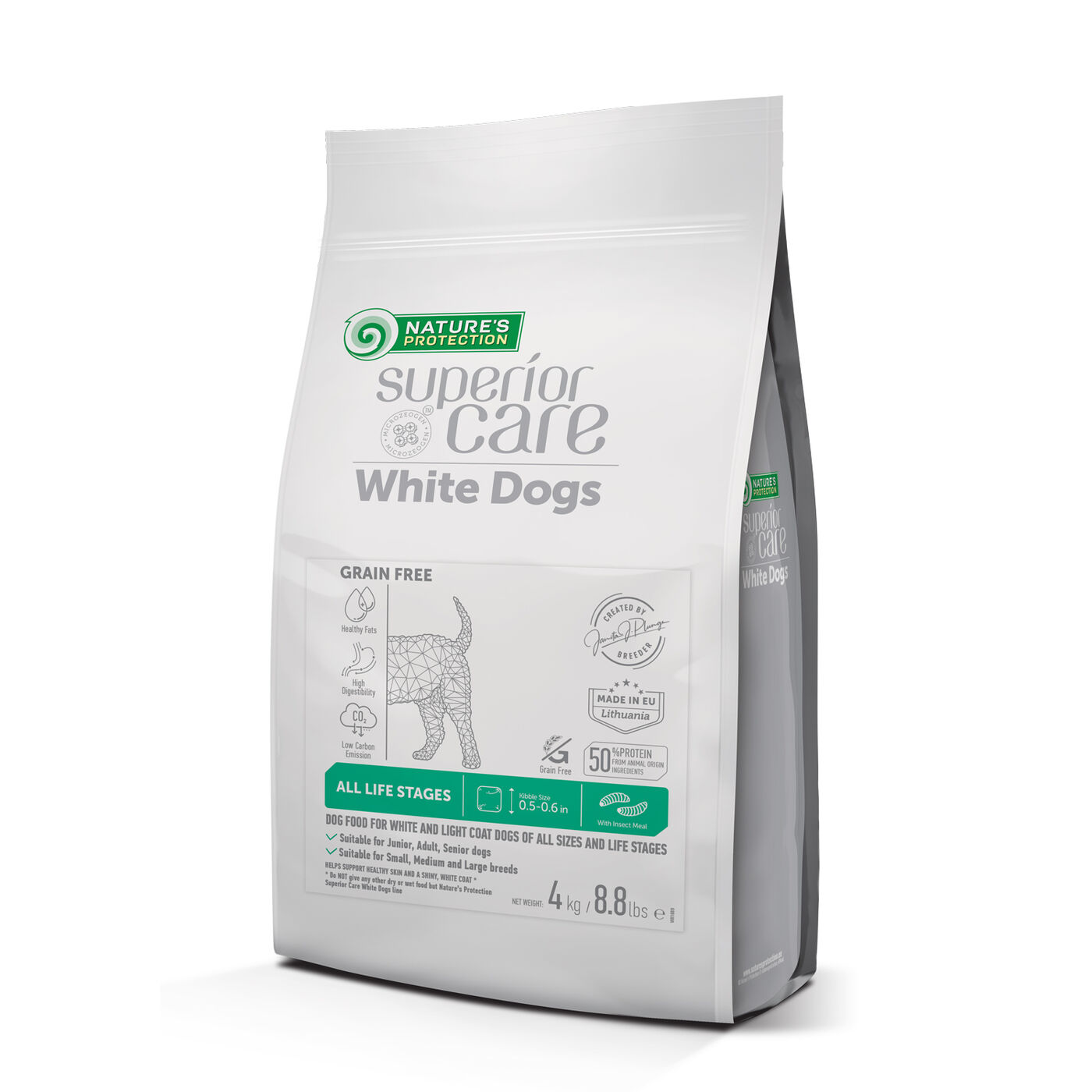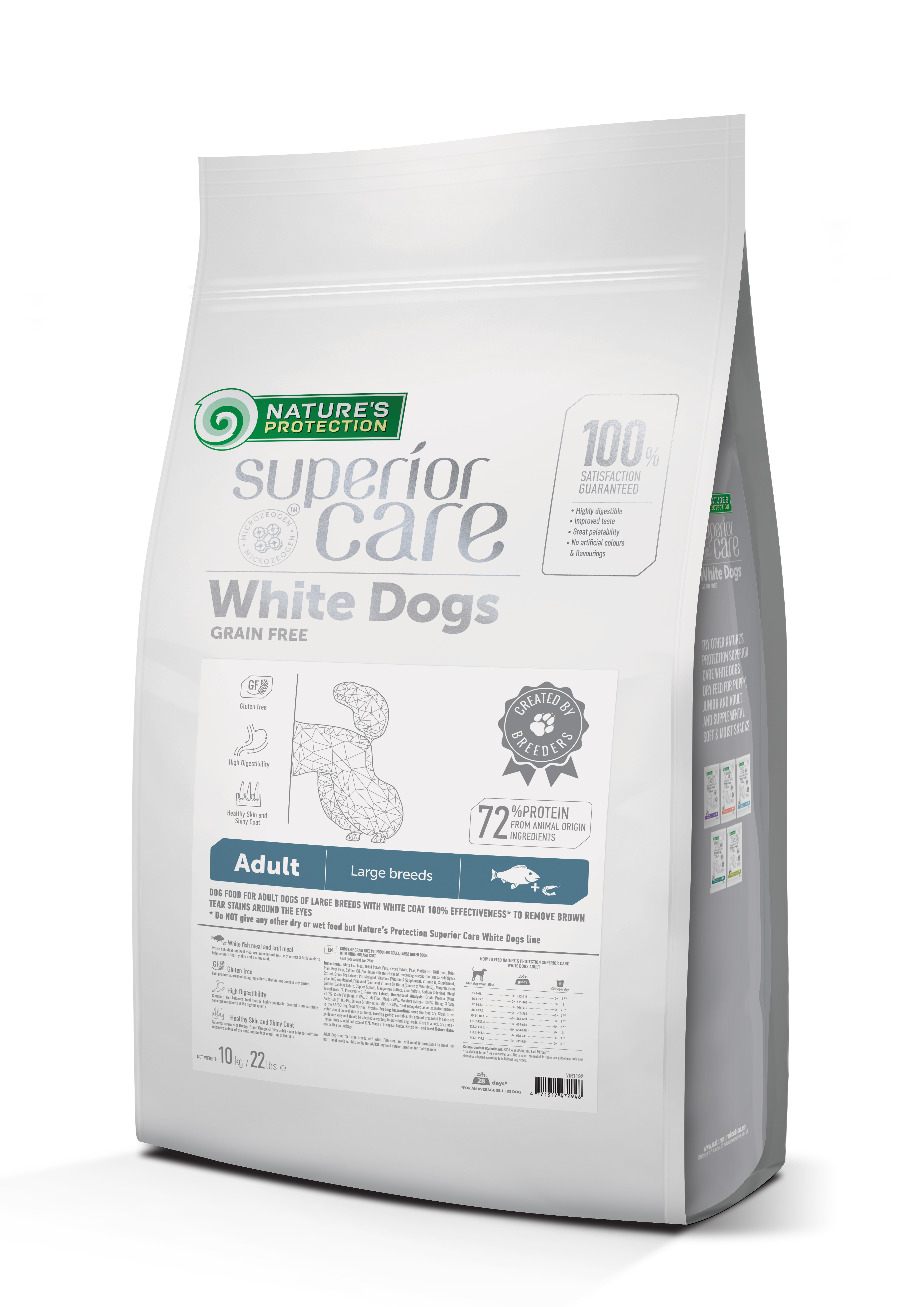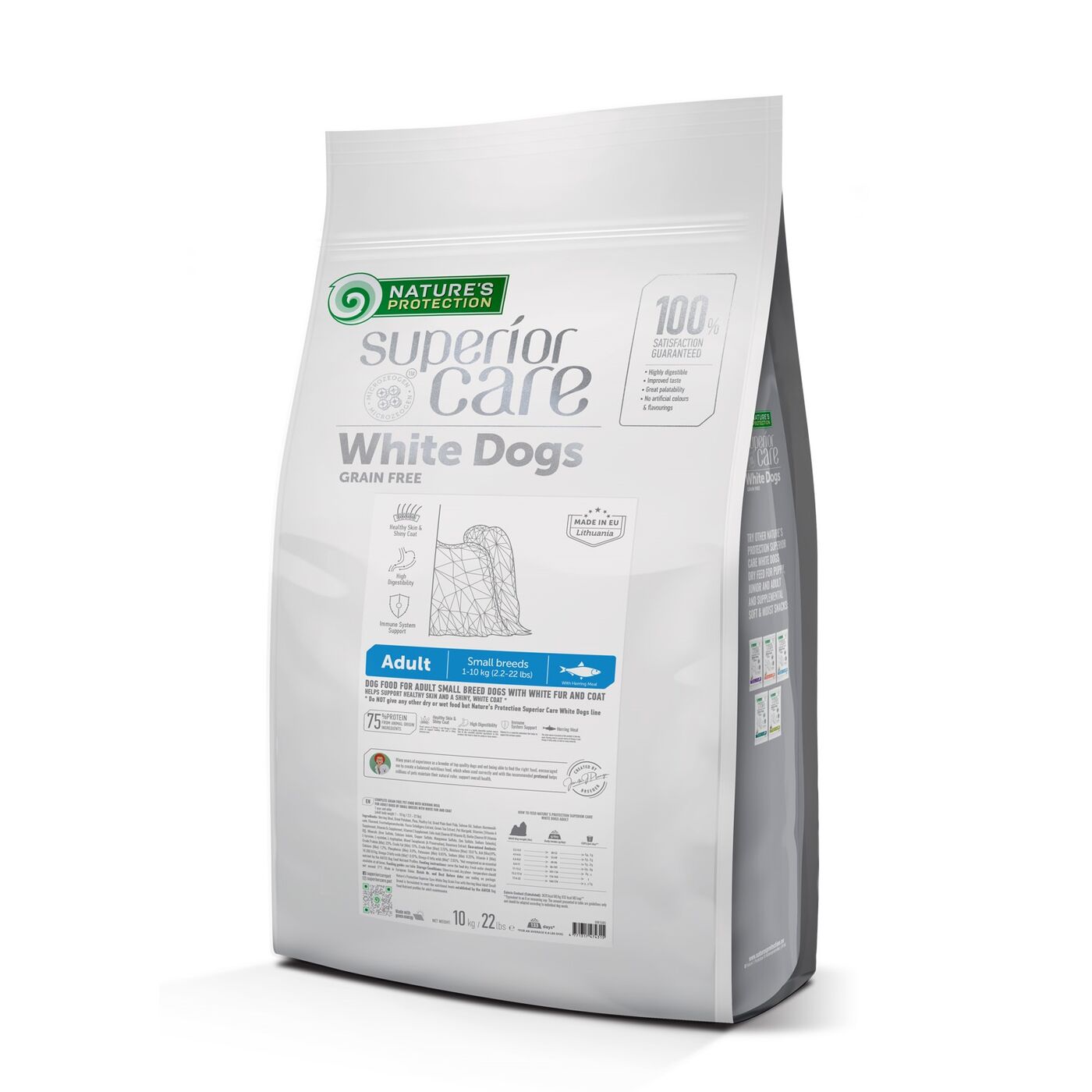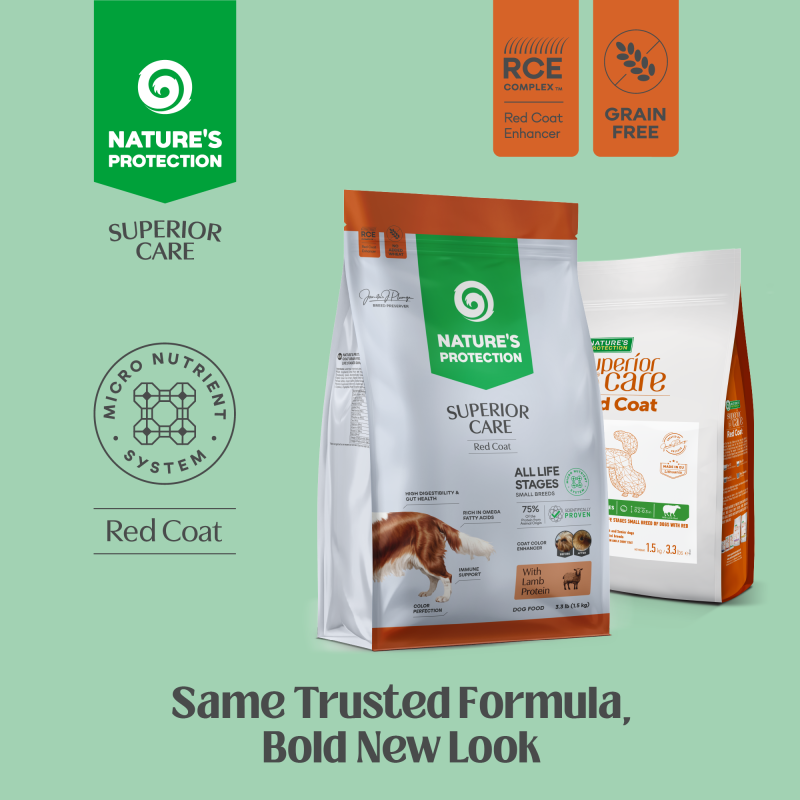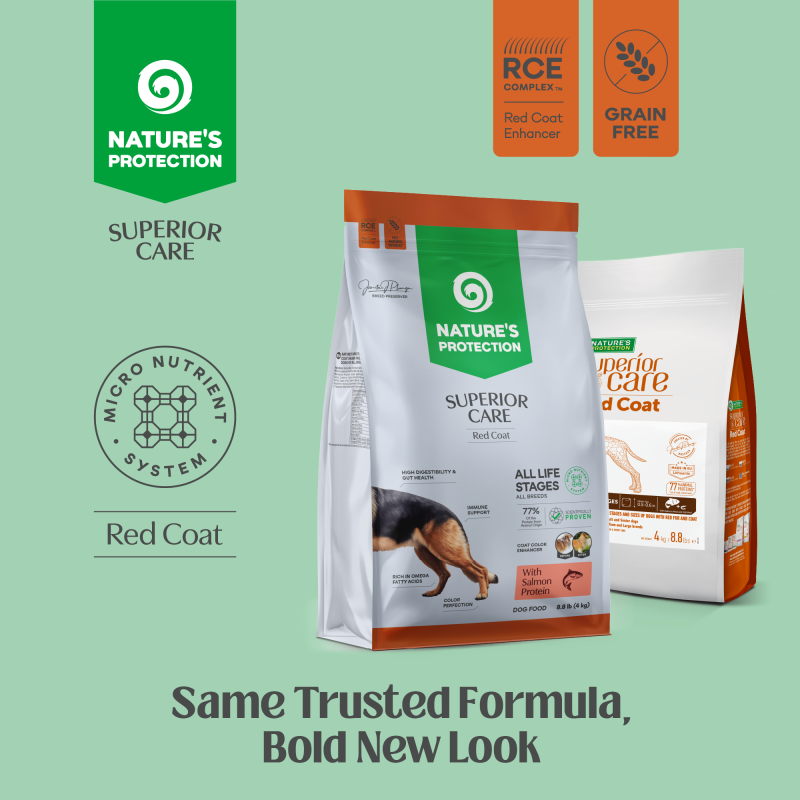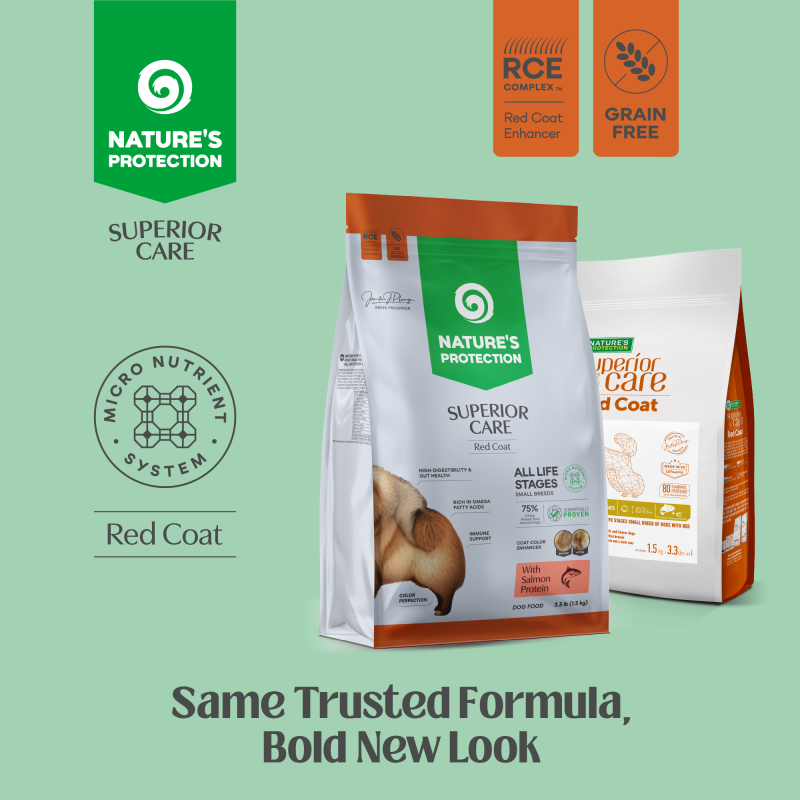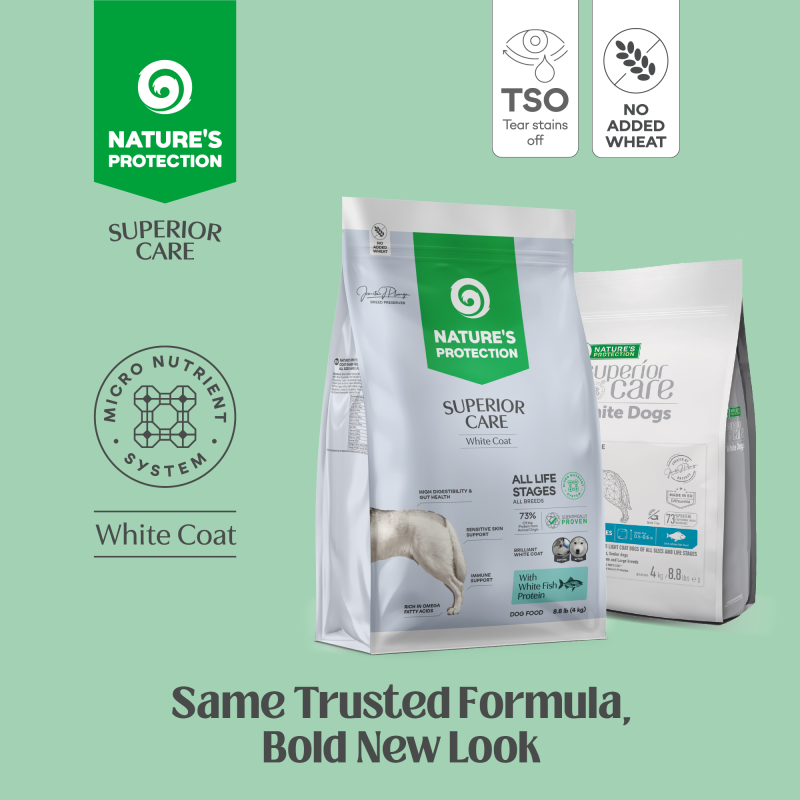
Grain-free dry dog food provides an alternative to conventional kibble for owners who prefer recipes made without grains such as wheat, corn, rice or barley. Instead, these formulas may use ingredients such as potatoes, peas, legumes or other carbohydrate sources alongside animal proteins, fats, vitamins and minerals.
This collection is specifically for owners looking for grain-free kibble rather than the wider selection available in dry dog food. Depending on the formula, products may be designed for puppies, adult dogs, seniors or dogs of particular breed sizes and activity levels. Some recipes may also focus on additional priorities such as skin and coat condition, weight management or digestive support.
Grain-free does not automatically mean healthier or more suitable for every dog. The overall nutritional balance, quality of the protein sources and suitability for your dog’s life stage matter more than the absence of grains alone. Dogs without a specific reason to avoid grains may do perfectly well on foods that contain them.
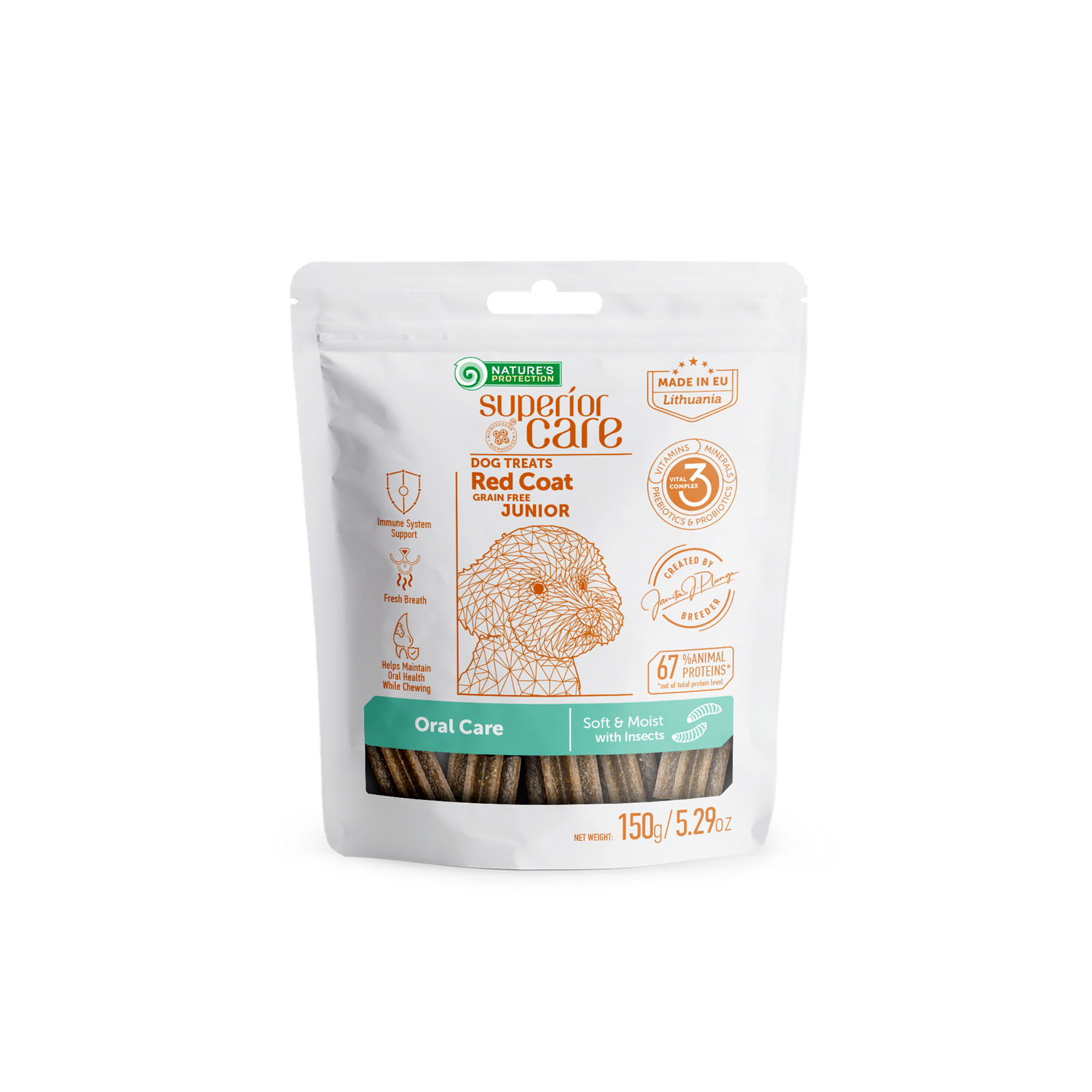
Owners who prefer mixed feeding can combine suitable dry food with grain-free wet dog food, while grain-free dog treats provide an option for keeping snacks consistent with the same dietary preference. Portions should still be adjusted according to the dog’s weight, age and activity level.
When switching to a grain-free formula, introduce the new food gradually. A slow transition gives your dog’s digestive system time to adapt and makes it easier to determine whether the new recipe is a good fit.
Grain-free dry dog food is kibble made without grains such as wheat, corn, rice or barley. Other carbohydrate sources are usually used instead.
Start with age, body size, activity level and any known sensitivities. Check whether the food is complete and intended for your dog’s life stage. Compare the main protein sources and calorie content rather than focusing only on the grain-free label. If your dog has an existing medical condition or needs a restricted diet, discuss the choice with a veterinarian before changing foods.
Yes, if the food is specifically formulated as complete nutrition for puppies or growth. Adult grain-free kibble should not automatically be used for puppies because growing dogs have different nutritional requirements.
It can be suitable for some dogs, but grain-free does not automatically mean allergy-friendly. Dogs may react to proteins or other ingredients as well as grains, so removing grains alone may not solve the problem. If you suspect a food allergy, repeated switching between commercial diets can make the cause harder to identify. A structured elimination diet under veterinary guidance is a more reliable approach.
Yes, provided it is complete, balanced and appropriate for your dog. Follow the feeding guide as a starting point and adjust portions according to body condition. Fresh water should always be available. Regularly monitor your dog’s weight and overall condition.