How to Choose Dog Grooming Tools and Supplies for Home Grooming
11 May 2026
Choosing the right dog grooming tools for home grooming depends more on your dog's needs than on finding one "perfect" product. Factors like coat type, skin sensitivity, age, shedding, and grooming frequency all matter. For example, a short-haired dog with healthy skin may only need basic brushing and bathing supplies. Curly-coated or double-coated breeds need special grooming tools and grooming supplies. This helps prevent matting and keeps their coat healthy.
That is why the best dog grooming supplies are never universal. The right setup should match your dog’s coat texture, grooming tolerance, and daily lifestyle. Understanding grooming tools, supplies, and equipment helps you budget for home grooming. This way, you won’t spend money on things you don’t really need.
Dog Grooming Supplies vs. Dog Grooming Tools vs. Grooming Equipment
These terms are often used interchangeably, but they mean different things in grooming.
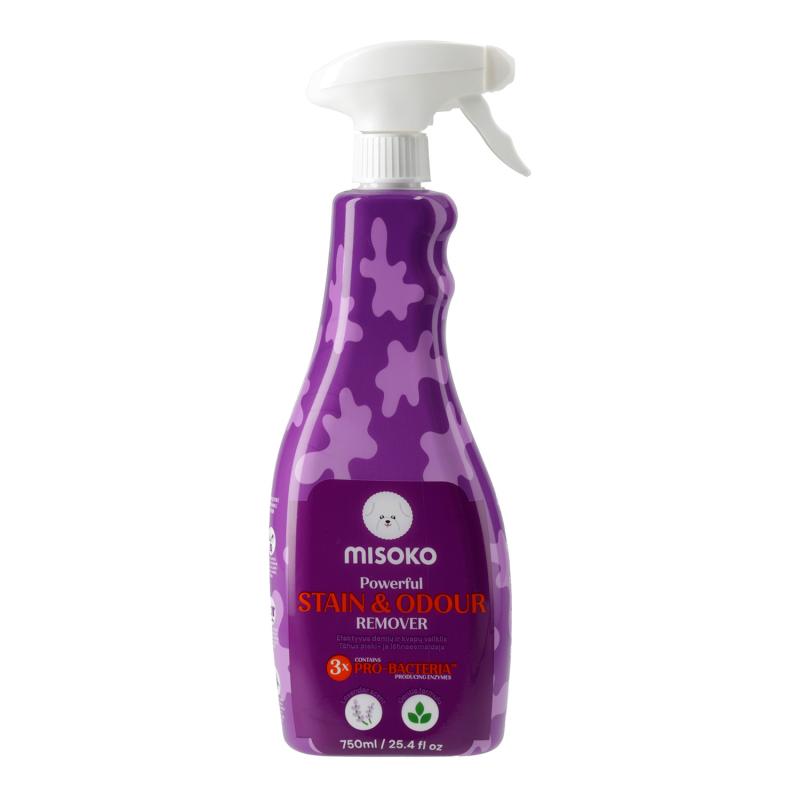
Dog grooming supplies are items with limited number of uses, like shampoos, conditioners, coat sprays, ear cleaners, toothpaste, and wipes. You need to replace these regularly.
Dog grooming tools, or canine grooming tools, are handheld items used during grooming. This includes brushes, combs, clippers, scissors, nail trimmers, and de-shedding tools.
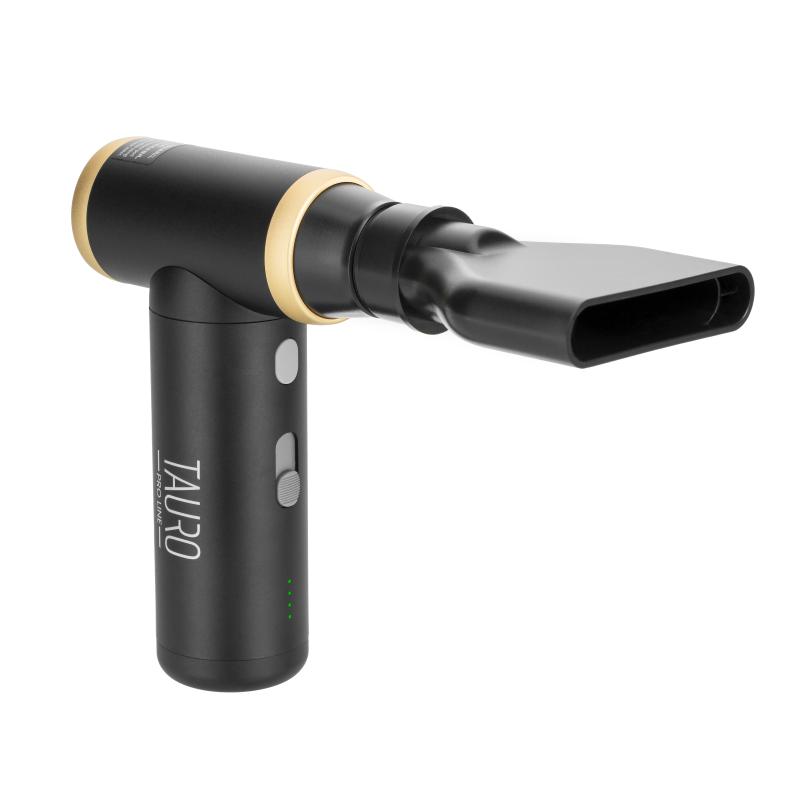
Grooming equipment for dogs usually refers to larger items. This can include grooming tables, high-velocity dryers, tubs, or restraint systems.
Knowing these categories helps pet owners shop more efficiently. It also makes building a complete grooming setup easier over time. If you're just starting, you can buy dog grooming supplies and tools separately based on your needs.
How to Choose Grooming Supplies and Tools Based on Coat Type, Dog’s Age, and Sensitivities
Different coat types require different approaches when selecting dog grooming tools. Short-coated dogs do best with soft brushes and rubber tools. These help remove loose hair without irritating the skin. Double-coated breeds need undercoat rakes and de-shedding tools. Curly or wool-coated dogs usually require slicker brushes and combs to prevent tangles and mats. Long-coated breeds often need detangling sprays, pin brushes, and trimming tools. Wire-coated dogs may need special stripping or texture-maintaining grooming tools.
Age and skin sensitivity also matter. Puppies do better with gentle grooming tools and shorter sessions. Senior dogs may need softer brushes and quiet tools to reduce stress. Dogs with allergies or sensitive skin should use fragrance-free shampoos and moisturizing supplies.
What Supplies and Tools to Include in a Home Dog Grooming Kit
A home grooming kit can be as simple or advanced as your routine requires. A basic kit usually has a brush or comb, towels, dog shampoo, a toothbrush, toothpaste, nail trimming tools, and ear-cleaning products. These items handle routine care for most dogs. They are often enough for owners who get professional grooming visits now and then.
An intermediate setup has better brushes, grooming scissors, detangling sprays, coat conditioners, and clipper attachments. These tools help keep your pet's coat healthy at home. Owners of long-haired or curly-coated dogs find these additions especially helpful.
An advanced home grooming kit usually has larger tools like grooming tables, high-velocity dryers, professional clippers, and breed-specific grooming tools. At this stage, it's key to set up a safe, well-lit, and easy-to-clean grooming area for comfort and efficiency.
If you’re building your setup step-by-step, you can buy grooming tools and supplies for dogs separately. Just focus on what your dog needs for their grooming routine.
What Professional Dog Groomers May Need That Home Owners Usually Do Not
Professional groomers use more advanced grooming tools and supplies than typical pet owners do. Their equipment often includes hydraulic grooming tables, commercial dryers, and multiple clipper systems. They use special blades, advanced coatings, and tough cleaning products to groom many dogs each day.
For most pet owners, a simpler setup is usually enough for routine brushing, bathing, and maintenance trims. Some breeds with special coat types may need regular professional grooming. This is important for issues like severe matting, coat shaping, hand stripping, or sensitive skin.
In many cases, the best approach is a combination of both. Many owners brush and maintain their pets at home. They also schedule professional grooming visits for more technical services. This can help reduce grooming costs while keeping the dog’s coat healthy and manageable.
Building the right home grooming routine starts with understanding your dog’s individual needs. Coat type, skin sensitivity, age, and grooming frequency affect which dog grooming tools work best. Some dogs need only basic grooming supplies and regular brushing. Others require specialized tools or advanced grooming equipment.
Instead of searching for the “best” product, it’s better to build a grooming setup that suits your dog’s coat and your comfort with at-home grooming. Begin with essential grooming supplies and slowly add specialized tools as needed. This method is often easier and more practical.
FAQ
What dog grooming supplies do I need for home grooming?
Most pet owners should begin with basic grooming supplies. These include dog shampoo, a brush or comb, towels, nail trimmers, ear-cleaning products, and dog toothpaste. Additional dog grooming tools may be needed depending on coat type and grooming frequency.
Which grooming tools are best for long-haired dogs?
Long-haired dogs often benefit from pin brushes, slicker brushes, metal combs, detangling sprays, and trimming scissors. The exact grooming tools for dogs will depend on how thick, silky, or prone to matting the coat is.
Do I need professional dog grooming supplies at home?
Most owners do not need full professional dog grooming supplies at home. Professional equipment is generally designed for frequent grooming sessions and multiple dogs. Basic and intermediate grooming supplies are usually enough for regular dog care at home.
What is the difference between a slicker brush and a pin brush?
A slicker brush is designed to remove tangles, loose hair, and mats, especially in dense or curly coats. A pin brush is gentler and is often used for daily brushing and finishing longer coats without pulling excessively on the hair.
How often should dog grooming tools be cleaned?
Dog grooming tools should ideally be cleaned after each grooming session to remove loose hair, dirt, oils, and bacteria. Clippers, brushes, and combs also last longer when maintained properly.
Can I use the same grooming tools for multiple dogs?
Yes, grooming tools should be cleaned and disinfected between dogs, especially if one dog has skin irritation, allergies, or infections. Different coat types may also require different canine grooming tools for the best grooming results.
Kamilė Ausmanė is a veterinarian, Head of Pharmacy at the KIKA retail network, instructor and head of Tauro Grooming Academy, and President of the Pet Grooming Specialists’ Board of the Lithuanian Kennel Club. She earned her veterinary degree from the Lithuanian University of Health Sciences in 2014, but has been actively involved in dog grooming and dog shows for 17 years. The knowledge she has gained over the years allows her to take a broader approach to pet care, considering not only the appearance of the coat but also the importance of skin health, hygiene, and the animal’s overall well-being. She specializes in grooming Bichon Frises, Maltese dogs and Pomeranians, teaches both aspiring and practicing professionals, and conducts seminars in Lithuania and abroad. Kamilė also participates in dog grooming competitions, while the dogs she has groomed have won numerous World and European Championship titles.
Master's Degree (MSc) in Veterinary Medicine
— Lithuanian University of Health Sciences
Skills:
Veterinary medicinePreventive pet healthcareDog groomingPet skin and coat healthPet hygienePet showsBichon Frise groomingMaltese dog groomingPomeranian grooming



.jpeg)