Dog Grooming Tools by Coat Type: What to Use for Short, Long, Curly and Double Coats
6 May 2026
Selecting the right grooming tools keeps your dog comfortable and its coat healthy. While many owners focus on breed, coat type is more important. Dogs of the same breed may have varying coat thickness, shedding levels, and matting issues. This means they often require different grooming instruments.
Using the wrong brush or comb can lead to pulling, coat damage, skin irritation, and mats that become difficult to remove. The good news is that once you identify your dog’s coat type, finding the right tools becomes easier.
Not sure which grooming tools your dog really needs? Read our guide to choosing the right dog grooming tools and supplies for safe, easy, and effective home grooming.
Why Your Dog’s Coat Type Matters More Than Breed
Professional groomers prioritize coat texture over breed. Some coats shed heavily, while others may trap loose hair or tangle easily.
For instance, one Labrador may have a manageable coat, while another has a thick undercoat that constantly sheds. Some doodles have loose waves, whereas others develop tight curls that mat quickly.
Thus, canine grooming tools should match the coat type. A brush for a short-haired dog might not suit a thick double coat. Similarly, a strong de-shedding tool could damage a fine or curly coat.
Using the right tools makes grooming safer and more comfortable for your dog.
Essential Grooming Tools for Short-Haired Dogs
Short-coated dogs may seem to be low-maintenance, but they still require regular grooming. Loose hair, dirt, and skin oils can accumulate quickly, especially in shedding breeds.
Rubber curry brushes work well for short coats. They loosen dead hair while gently massaging the skin. Many dogs enjoy this. Bristle brushes help smooth the coat and distribute natural oils for a healthy shine.
Some short-haired breeds shed a lot. Gentle de-shedding tools can help remove loose undercoat hair. Avoid aggressive tools that may irritate sensitive skin or thin the coat.
The Best Tools for Thick Double Coats
Double-coated dogs require more brushing due to their protective outer coat and thick undercoat. Without regular grooming, loose hair can build up, leading to heavy shedding or skin problems.
Undercoat rakes are excellent tools for these breeds. They reach deep into the coat and remove loose hair without harming the topcoat. Slicker brushes help eliminate loose fur and prevent tangles in areas like the legs and tail. Wide-tooth combs are useful for checking hidden mats after brushing.
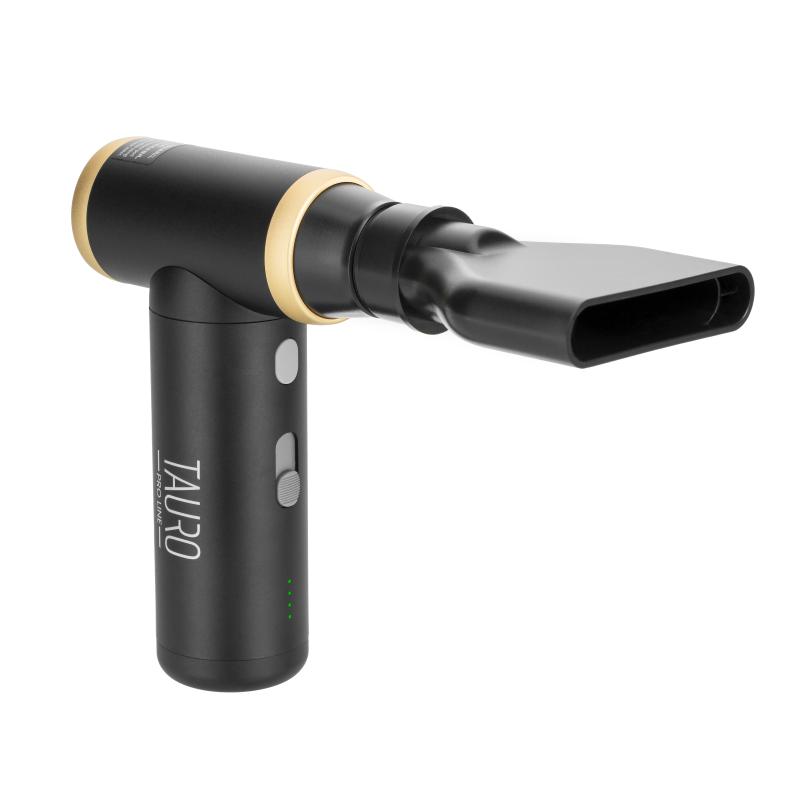
Many owners of Huskies, Golden Retrievers, and German Shepherds also use high-velocity dryers. These dryers blow out loose undercoats during shedding season and reduce drying time after baths.
Double-coated dogs should not be shaved unless a veterinarian recommends it. Their coat protects the skin and helps regulate body temperature.
Grooming Essentials for Curly and Wavy Coats
Curly coats require regular brushing to prevent mats from forming quickly. A slicker brush is vital for curly-coated dogs, as it helps separate curls and remove tangles near the skin.
Metal combs are also important for checking if the coat has been fully brushed. If the comb struggles to move through the coat, mats may still be hiding underneath.
Detangling sprays reduce friction and make brushing more comfortable. Many curly-coated breeds need regular clipping. So, clippers and blade guards are common for Poodles, Doodles, and Bichons.
What Long-Coated Dogs Need in a Grooming Routine
Long-haired dogs often require more brushing than owners expect. Tangles commonly form behind the ears, under the legs, and around collars or harnesses.
Pin brushes are effective for long coats, as they glide through the fur gently without excessive pulling. Combs help remove smaller tangles and reach difficult areas more thoroughly.
Detangling sprays and moisturizing conditioners make brushing easier. They reduce friction and prevent coat breakage. Consistent grooming is essential since small knots can quickly develop into large mats if ignored.
Maintaining Wire Coats the Right Way
Wire-coated breeds need special grooming to maintain their coat texture. Slicker brushes and combs help with grooming. However, wire-coated dogs need striping tools, too. These tools remove dead outer coat hairs.
This technique, known as hand-stripping, is common for terriers, Schnauzers, and wire-haired Dachshunds. Many owners choose to learn hand-stripping from a professional groomer, as proper technique is crucial.
Signs Your Current Grooming Tools Are Not Working
The wrong coat maintenance tools can lead to issues that owners might not notice immediately. Excessive pulling, coat breakage, skin redness, or more matting might show the tools aren’t right for the coat type.
Some brushes just remove surface hair. They can leave tangles underneath, especially in curly or double-coated dogs. If your dog suddenly dislikes grooming or appears anxious during brushing, the tool might be irritating.
If skin redness or irritation becomes frequent, consider reading our articles about common skin problems and fungal infections for more grooming care tips.
When It Makes Sense to Upgrade to Professional Equipment
Many pet owners can use basic grooming tools. However, professional equipment can help in some cases. Owners with multiple dogs, fancy coats, or frequent grooming often find upgrades helpful.
Professional clippers are more powerful and remain cooler during use. Grooming shears provide precise trimming around sensitive areas. High-velocity dryers reduce drying time and effectively remove loose undercoats. Some owners invest in grooming tables for better comfort and control during longer sessions.
These upgrades are great for owners who groom at home, do dog shows or manage different coat types.
Choosing the right grooming tools for dogs doesn’t have to be difficult. Once you understand your dog’s coat type, finding the right tools becomes straightforward. Good grooming instruments improve your dog’s grooming experience. They make it healthier, easier and more comfortable.
Kamilė Ausmanė is a veterinarian, Head of Pharmacy at the KIKA retail network, instructor and head of Tauro Grooming Academy, and President of the Pet Grooming Specialists’ Board of the Lithuanian Kennel Club. She earned her veterinary degree from the Lithuanian University of Health Sciences in 2014, but has been actively involved in dog grooming and dog shows for 17 years. The knowledge she has gained over the years allows her to take a broader approach to pet care, considering not only the appearance of the coat but also the importance of skin health, hygiene, and the animal’s overall well-being. She specializes in grooming Bichon Frises, Maltese dogs and Pomeranians, teaches both aspiring and practicing professionals, and conducts seminars in Lithuania and abroad. Kamilė also participates in dog grooming competitions, while the dogs she has groomed have won numerous World and European Championship titles.
Master's Degree (MSc) in Veterinary Medicine
— Lithuanian University of Health Sciences
Skills:
Veterinary medicinePreventive pet healthcareDog groomingPet skin and coat healthPet hygienePet showsBichon Frise groomingMaltese dog groomingPomeranian grooming



.jpeg)