Is your pet scratching more than usual? The cause might be fleas or dry skin, and while the symptoms can look similar, the treatments are very different. Learn how to tell the difference between fleas and dry skin and how to support your pet’s skin and coat health.
Kamilė Ausmanė
Head of "Tauro Grooming Academy"
Dry coat
Sensitive skin
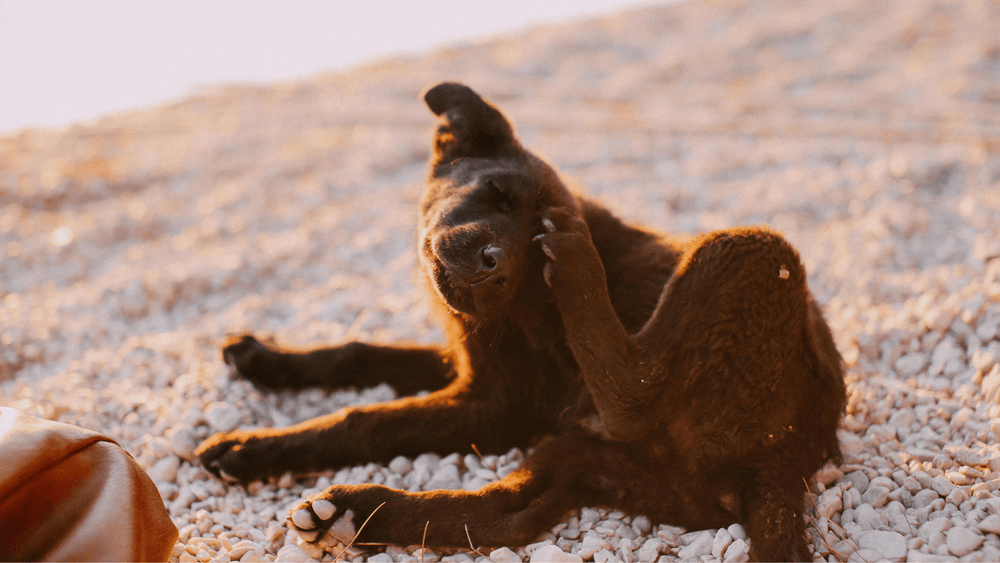
When your cat or dog starts scratching, biting, or licking their skin, your first thought might be fleas. But sometimes the culprit is not parasites at all. It can be dry, irritated skin. The challenge is that the symptoms often look very similar.
Fleas and dry skin both cause itching, redness, and discomfort, but the underlying causes and treatments are very different. Understanding the difference ensures your pet gets the right care and relief.
This confusion is especially common because pets often react to skin discomfort in the same way, regardless of the cause. Scratching, licking, chewing, rubbing against furniture, or shaking the head can happen with fleas, dry skin, allergies, or irritation from grooming products. That is why it is important to look beyond the itching itself and check for clues such as flea dirt, flakes, bite marks, skin odor, coat condition, and where the irritation appears on the body.
Signs of Fleas
Fleas are small, fast-moving parasites that feed on your pet’s blood. Even a few fleas can cause severe itching, and some pets are allergic to flea saliva, which makes the irritation worse.
Common signs of fleas include:
Intense, sudden scratching or biting at the skin
Flea dirt, which looks like tiny black specks of pepper, on the coat or skin
Red, inflamed spots or scabs from bites
Restlessness or difficulty sleeping due to itching
Hair loss around the base of the tail, back legs, or neck
You can confirm fleas by spotting the insects themselves or by running a flea comb through your pet’s fur to check for flea dirt.
A simple way to check for flea dirt is to place the black specks on a damp white tissue or paper towel. If the specks turn reddish-brown, they may be flea dirt, which is digested blood left behind by fleas. This does not replace a veterinary diagnosis, but it can help you decide whether parasites are likely to be part of the problem.
It is also important to remember that not seeing live fleas does not always mean your pet is flea-free. Fleas move quickly, hide deep in the coat, and may be harder to spot on thick-haired pets. Some pets are also very sensitive to flea bites, so even a small number of fleas can cause a strong reaction.
Signs of Dry Skin
Dry skin is not caused by parasites but by environmental or internal factors. Cold weather, low humidity, harsh shampoos, nutritional deficiencies, or underlying health issues can all dry out the skin.
Common signs of dry skin include:
White flakes that resemble dandruff
Mild but persistent itching rather than sudden, intense scratching
Redness or irritation without bite marks
A dull, brittle coat
Rough or scaly patches of skin
Dry skin often develops gradually. Unlike flea problems, you will not find flea dirt or live insects.
Dry skin may also become worse after frequent bathing, especially if the shampoo is too harsh or not designed for pets. Dogs and cats have different skin needs than humans, so human shampoos can strip natural oils and make irritation worse. Pets with sensitive skin may need gentler grooming products that cleanse without disrupting the natural skin barrier.
Seasonal changes can also play a role. During colder months, indoor heating and low humidity can dry out the skin, while hot weather, sun exposure, swimming, or repeated washing may also affect coat and skin condition. If the itching appears gradually and is paired with flakes, dull fur, or rough skin rather than flea dirt, dryness may be more likely.
Key Differences to Look For
Intensity of itching: Flea bites cause sudden, severe scratching, while dry skin usually causes mild, ongoing irritation.
Visible evidence: Flea dirt, bites, or live fleas point to a parasite problem, while dandruff-like flakes suggest dryness.
Location: Fleas often cluster around the tail base, belly, and neck, while dry skin may appear more evenly across the body.
Flea Dirt vs. Dandruff vs. Flea Eggs: What Are You Seeing?
One of the easiest ways to distinguish fleas from dry skin is to examine the small particles you find in your pet's coat. Flea dirt, dandruff, and flea eggs can sometimes look similar at first, but they have different characteristics.
Flea dirt usually appears as tiny black or dark brown specks, particularly around the tail base, belly, and areas where fleas tend to hide. Because flea dirt contains digested blood, it leaves a reddish-brown stain when placed on damp white paper.
Dandruff, on the other hand, consists of dead skin cells that appear as white or light-colored flakes. These flakes may be scattered throughout the coat, especially along the back. Unlike flea dirt, they do not dissolve into reddish-brown marks when moistened.
Flea eggs are different again. They are tiny, pale, oval-shaped particles that can resemble small grains of salt. Unlike dandruff, they are produced by adult fleas and often fall from the pet's coat into bedding, carpets, and other areas of the home. Identifying them confidently may require magnification.
If you are unsure what you are seeing, use a flea comb to collect a sample and examine it against a white background. Remember that the absence of visible fleas or flea dirt does not completely rule out an infestation.
Caring for Fleas vs. Dry Skin
If fleas are the cause:
Use veterinarian-approved flea treatments to kill parasites.
Wash bedding and vacuum regularly to remove eggs and larvae from the environment.
Groom with a flea comb to check for signs of reinfestation.
Brush regularly to distribute natural oils and stimulate circulation.
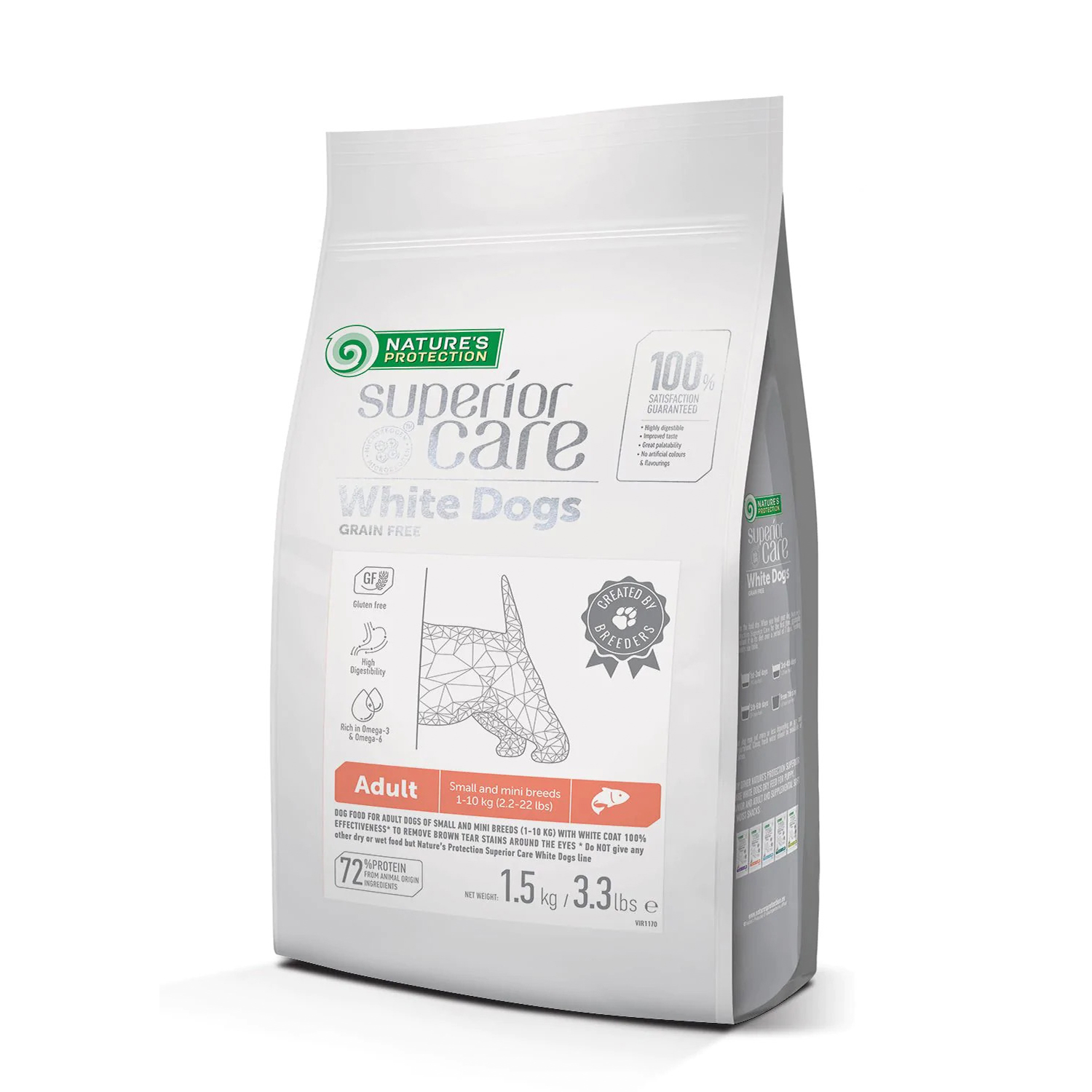
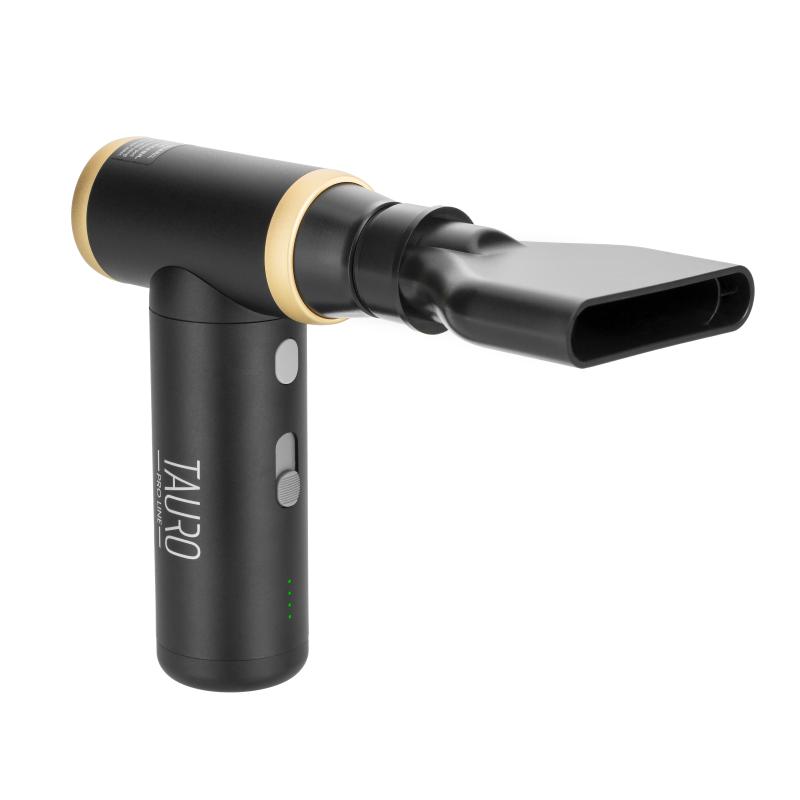
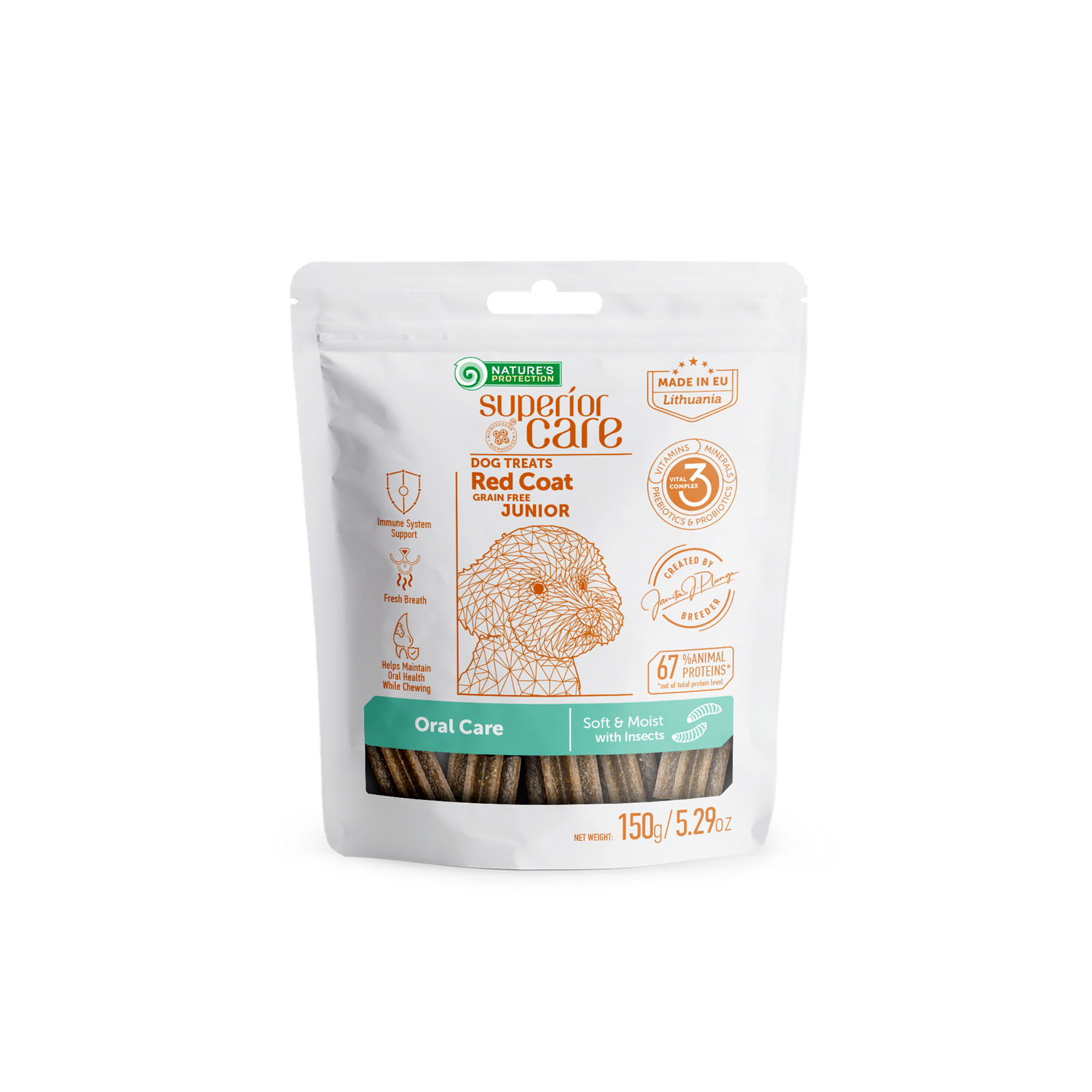
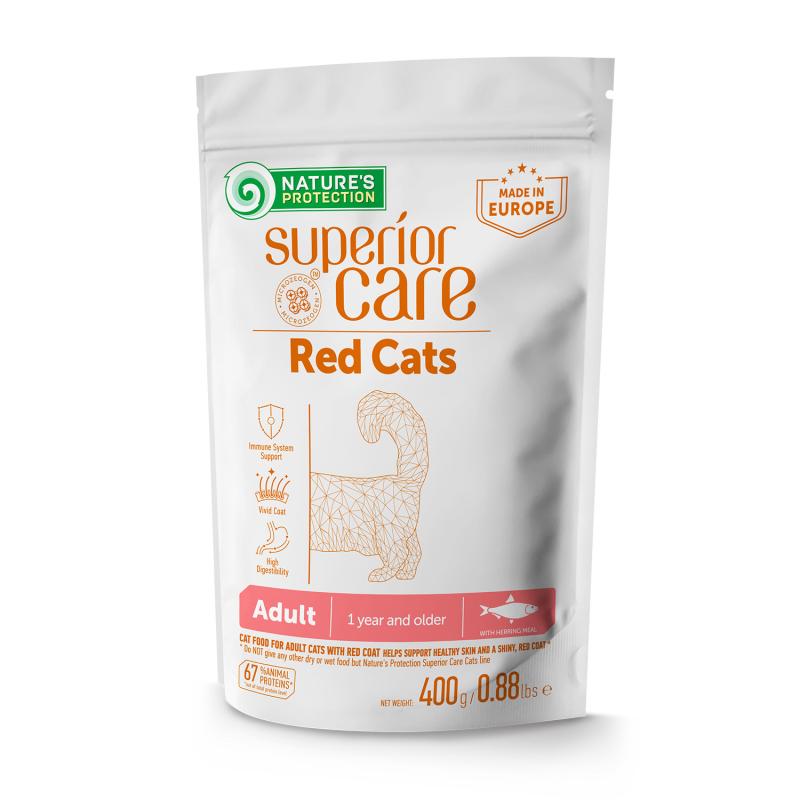
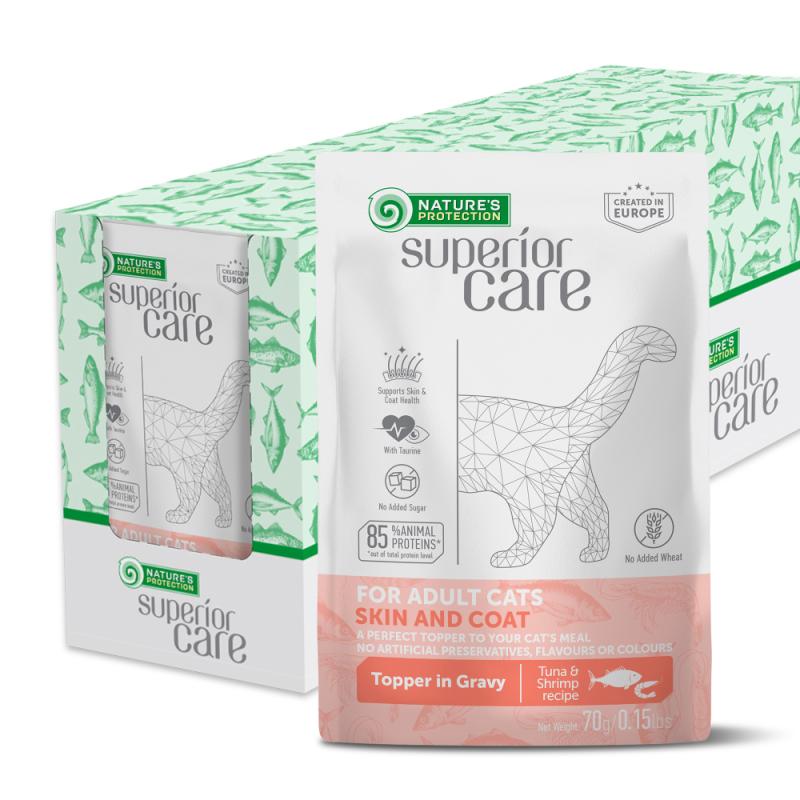
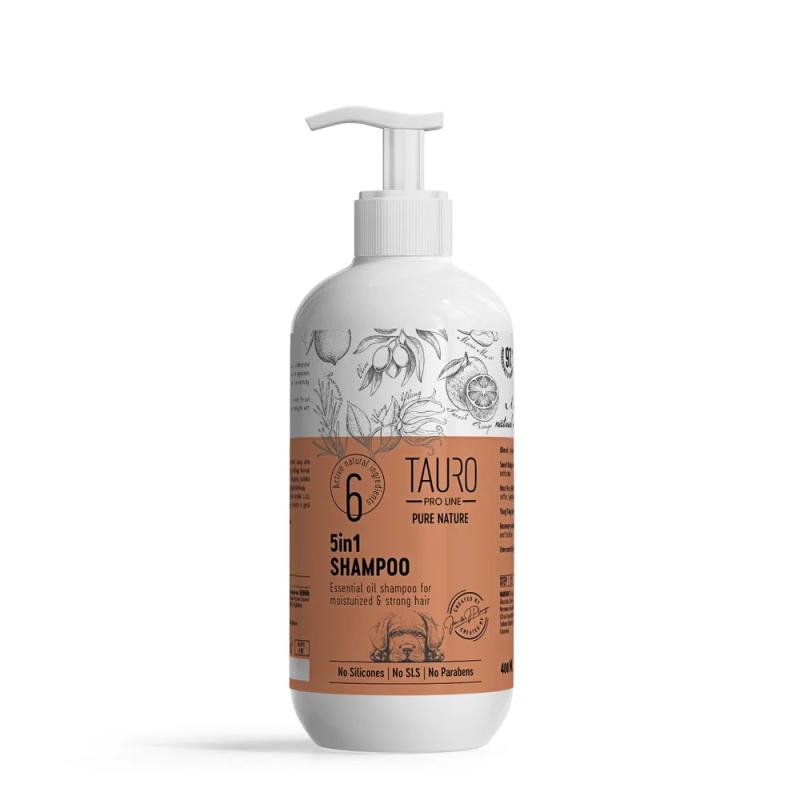
At KIKA-USA.com, you can find professional grooming products from Tauro Pro Line that cleanse gently without drying the coat, as well as Nature’s Protection foodsthat nourish skin health from the inside.
Other Possible Causes of Itching
Fleas and dry skin are common causes of scratching, but they are not the only possibilities. Allergies, mites, yeast infections, bacterial skin infections, food sensitivities, contact irritation, and hormonal issues can also cause itching, redness, hair loss, or changes in coat quality. Ear infections may also cause pets to scratch around the head, neck, or ears.
This is why it is important not to rely on symptoms alone if the problem continues. If your pet keeps scratching after flea prevention and gentle skin care, the cause may require veterinary testing or a more targeted treatment plan. Treating dry skin when the real issue is infection, or treating fleas when the real issue is allergies, can delay proper relief.
If your pet’s itching is severe, if you notice open sores, or if the symptoms do not improve with care at home, consult your veterinarian. Persistent itching may point to allergies, infections, or other conditions that require professional treatment.
Restoring Comfort and Coat Health
Fleas and dry skin may look similar at first, but knowing the difference helps you act quickly and effectively. Fleas require parasite control, while dry skin calls for moisturizing care and nutritional support. By addressing the root cause, you can restore comfort and maintain a healthy, shiny coat.
How to Help Prevent Future Skin Problems
Regular grooming can help you notice changes early. Brushing removes loose hair, spreads natural oils through the coat, and makes it easier to spot flakes, redness, flea dirt, or irritated areas before they become more serious. Checking your pet’s skin during grooming is especially helpful for pets with thick coats, long hair, or recurring itching.
Consistent flea prevention is also important, even if you do not currently see fleas. Your veterinarian can recommend the safest option based on your pet’s species, age, size, and health status. For dry skin, focus on gentle bathing, avoiding over-washing, supporting the diet with skin-friendly nutrients, and using grooming products made specifically for pets.
Kamilė Ausmanė is a veterinarian, Head of Pharmacy at the KIKA retail network, instructor and head of Tauro Grooming Academy, and President of the Pet Grooming Specialists’ Board of the Lithuanian Kennel Club. She earned her veterinary degree from the Lithuanian University of Health Sciences in 2014, but has been actively involved in dog grooming and dog shows for 17 years. The knowledge she has gained over the years allows her to take a broader approach to pet care, considering not only the appearance of the coat but also the importance of skin health, hygiene, and the animal’s overall well-being. She specializes in grooming Bichon Frises, Maltese dogs and Pomeranians, teaches both aspiring and practicing professionals, and conducts seminars in Lithuania and abroad. Kamilė also participates in dog grooming competitions, while the dogs she has groomed have won numerous World and European Championship titles.