Red Coat Food: The Best Diet for Your Dog’s Coat Health
31 May 2024
As a passionate dog breeder, my goal has always been to provide the best nutrition for my canine companions. Over the years, I've seen firsthand how a healthy diet can significantly improve a dog's overall well-being, particularly their coat health. This inspired me to create Nature's Protection Superior Care Red Coat, a unique dry dog food formula designed to enhance and maintain the vibrancy and health of a dog's coat. In this blog, I'll discuss the key nutritional factors affecting coat health, the ideal diet for dogs with coat depigmentation, and how our Red Coat food with RCE (Red Coat Enhancer) formula can help address these issues.
Nutritional Factors Affecting Coat Health
Coat depigmentation is a common issue, especially in brown and red-coated dogs. It can be triggered by various factors, including diseases, surgeries, stress, grooming treatments, hormonal imbalances, and seasonal changes. However, the most significant contributor to this problem is a lack of essential amino acids, as coat health is directly linked to overall nutrition. Key nutrients that impact coat health include proteins, fats, vitamins, and minerals:
Proteins are necessary for the growth and maintenance of healthy skin and hair.
Fats, particularly Omega-3 and Omega-6 fatty acids, are essential for a shiny, healthy coat.
Amino acids like cysteine, tyrosine, and methionine play a crucial role in the pigmentation of the coat. Tyrosine, for example, is a precursor to melanin, the pigment responsible for coat color.
Vitamins A, B, C, and E support cell growth, repair, and protection.
Minerals such as zinc and copper are vital for maintaining coat health and pigmentation.
A diet lacking these essential nutrients can lead to poor coat quality, hair loss, and depigmentation. Therefore, providing a balanced and nutritious diet is vital for maintaining your dog's coat health.
Other Factors That Can Affect Coat Color
Nutrition is one of the most important factors for coat health, but it is not the only one. Coat color can also be affected by genetics, age, seasonal coat changes, sunlight, hormonal changes, illness, pregnancy, surgery, stress, and harsh grooming products. A dog that spends a lot of time outdoors may experience coat fading from sun exposure, while a dog that is bathed too often with unsuitable products may develop dryness, breakage, or dullness.
It is also important to distinguish between true pigment changes and surface staining. Tear stains, saliva stains, and discoloration around the paws or mouth may be related to licking, moisture, allergies, or irritation. Coat depigmentation, on the other hand, is more connected to the natural pigment of the hair itself. Understanding the difference helps owners choose the right solution instead of focusing only on external cleaning.
Recommended Diet for Dogs with Coat Depigmentation
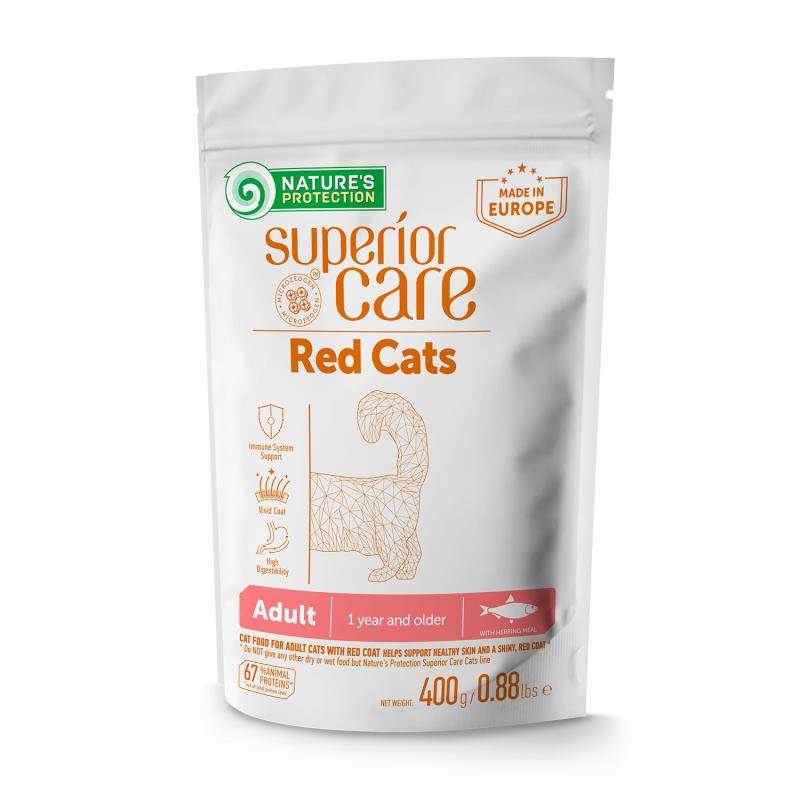
Dogs suffering from coat depigmentation need a diet rich in essential fatty acids, amino acids, vitamins, and minerals. I highly recommend Nature's Protection Superior Care Red Coat, which contains the RCE (Red Coat Enhancer) formula. This unique blend of natural ingredients helps maintain the natural color and shine of a dog's coat without artificial additives, chemicals, or coloring agents.
How Does the Red Coat Food Work?
Nature's Protection Superior Care Red Coat is formulated with the right balance of amino acids that nourish hair roots and boost color pigments in melanocyte cells. Melanocyte cells produce two types of color pigments: black eumelanin and brown pheomelanin. Amino acids like cysteine, tyrosine, and methionine feed these cells, promoting natural pigment production and enhancing coat color.
Which Dogs May Benefit From a Coat-Supporting Diet?
A coat-supporting diet may be especially helpful for dogs with red, brown, apricot, copper, or darker coat tones that have started to fade or lose shine. It can also be useful for dogs whose coat quality changed after stress, seasonal shedding, poor nutrition, pregnancy, illness, surgery, or intensive grooming.
However, diet should always be matched to the dog’s full condition. If coat fading is combined with itching, hair loss, scabs, strong odor, digestive upset, weight changes, or unusual tiredness, the dog may need veterinary evaluation. A specialized diet can support skin and coat health, but it should not replace diagnosis when there may be an underlying medical problem.
Key Benefits of the Red Coat Formula
Promotes Natural Coat Pigmentation: The RCE Complex in the Red Coat line is a balanced blend of amino acids that supports the natural pigmentation of brown and red coats, ensuring sufficient production of color pigments.
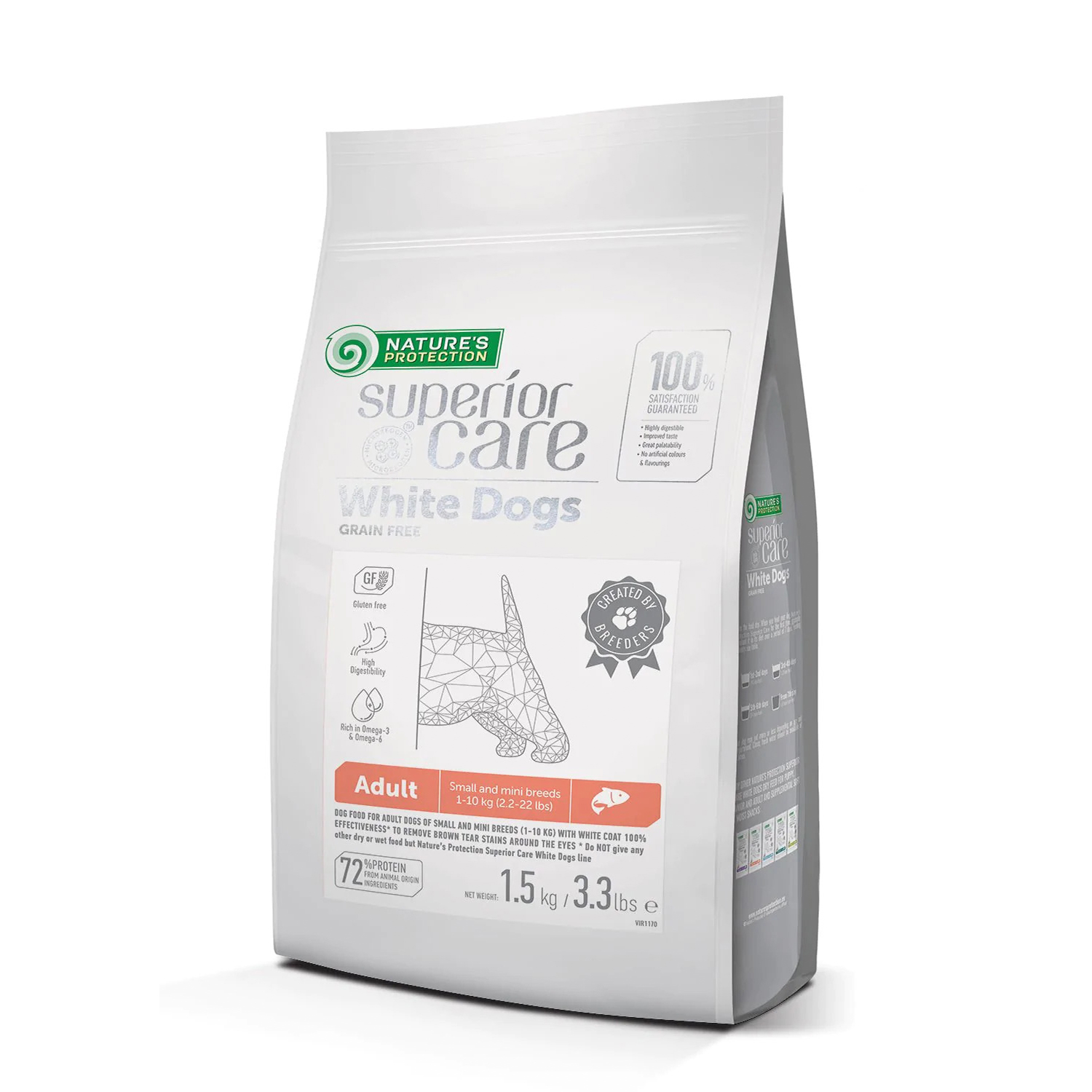
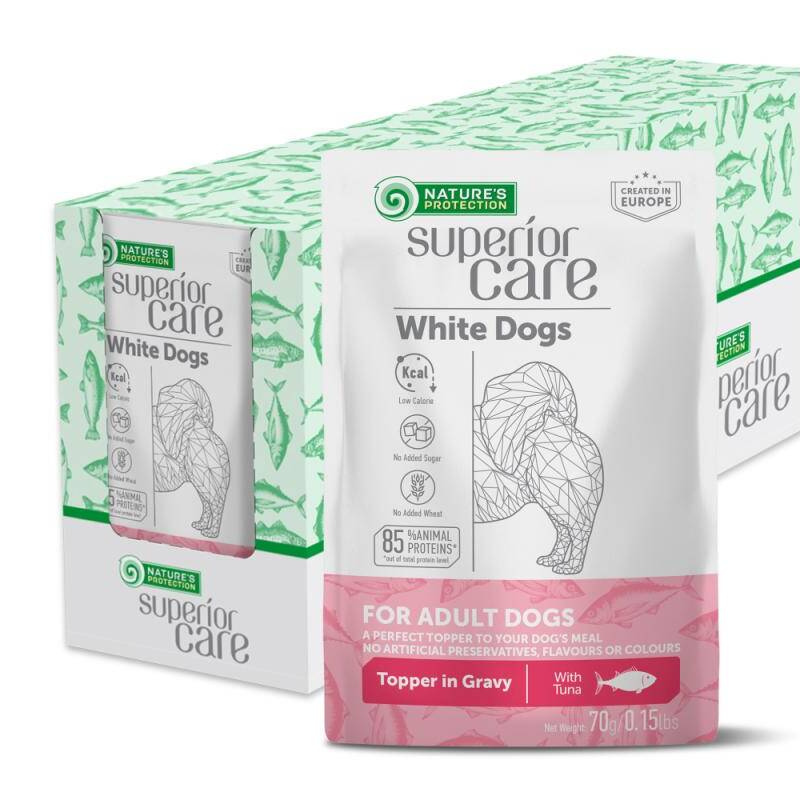
Reduces Brown Tear Stains: Similar to our White Dogs food line, the balanced amino acid profile in Red Coat food helps make tear and saliva structure transparent, preventing brown stains around the eyes, mouth, and paws. Check out the before and after transformations from satisfied customers worldwide!
Provides a Healthy and Balanced Diet: We've selected hypoallergenic protein sources, such as lamb and salmon with krill, and included MicroZeoGen, a special volcanic element also known as clinoptilolite. This ingredient helps activate gut microflora, increase nutrient absorption, detoxify the body, and strengthen the immune system. By enriching the formula with essential vitamins and minerals, we ensure a wholesome and nourishing diet for your beloved pet.
Tips for Even Better Results
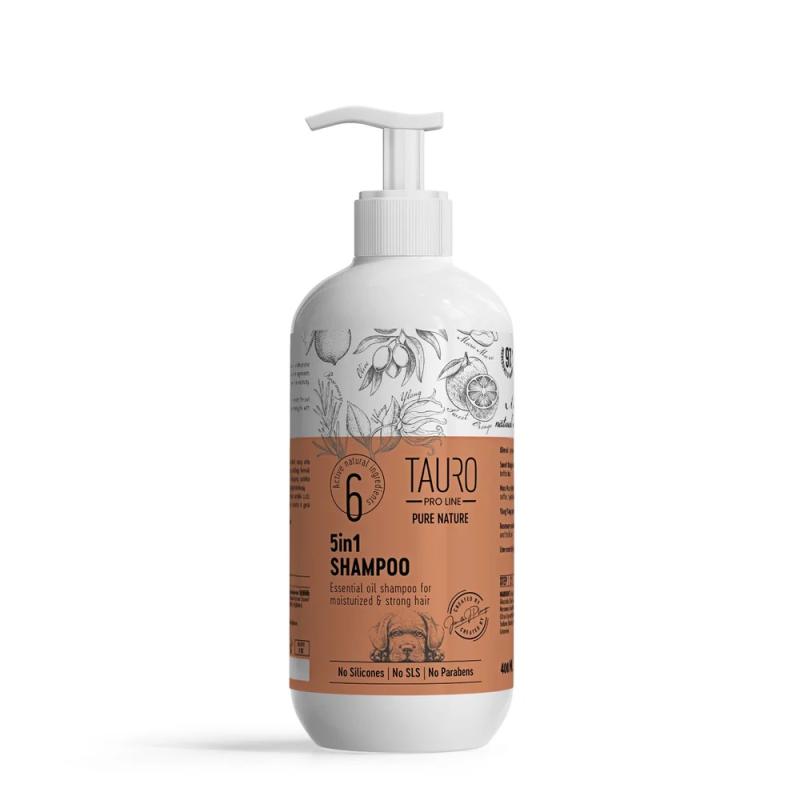
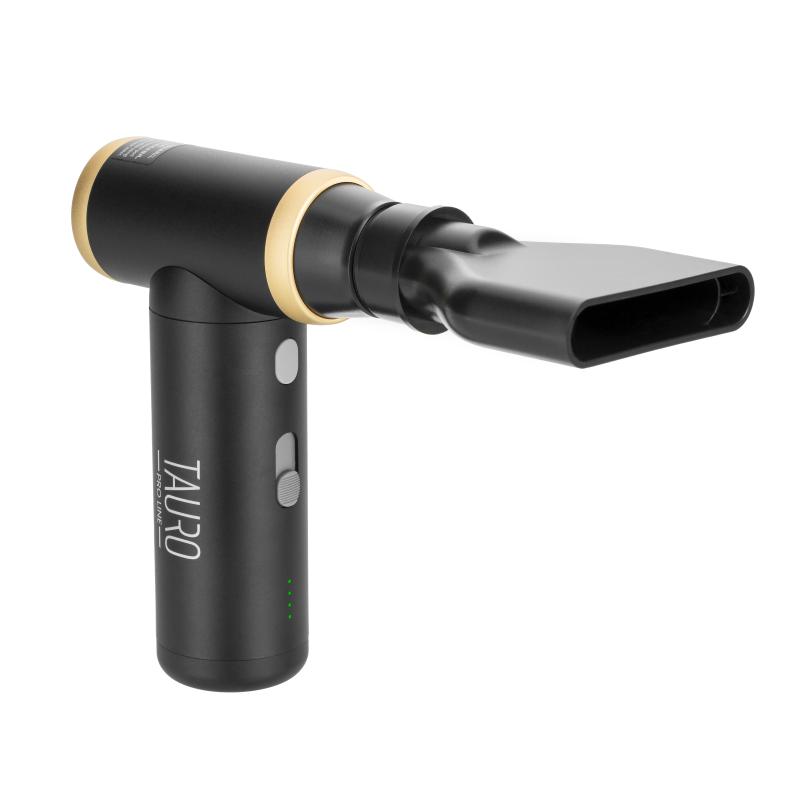
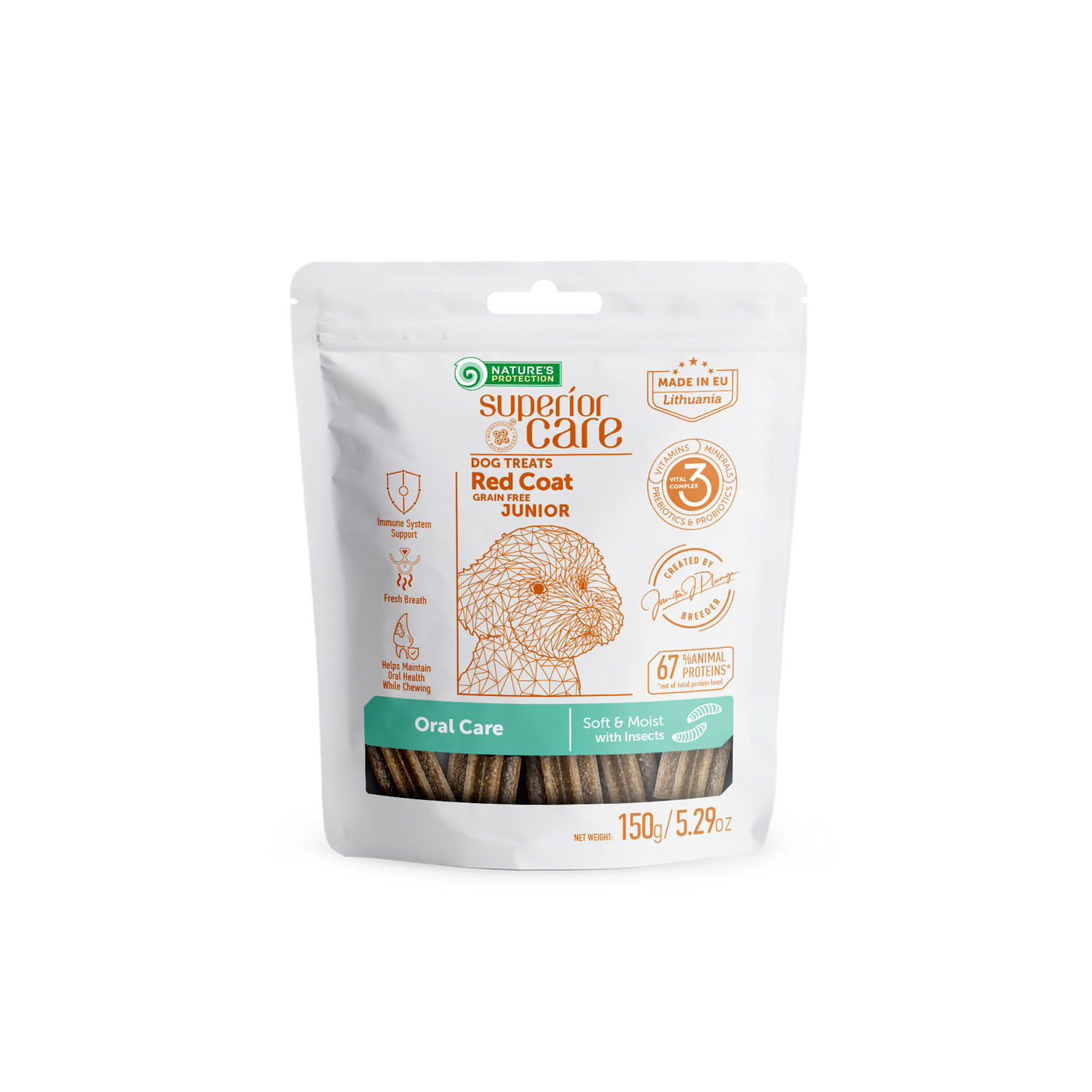
Maintaining a balanced and healthy diet is essential not only for your dog's coat but for their overall health. It's recommended that a dog's diet consist of 95% dry food and 5% treats. When selecting treats, ensure they contain hypoallergenic protein sources such as white fish, salmon, krill, lamb, or insects, along with vital vitamins and minerals. Additionally, a regular and appropriate bathing routine is crucial for maintaining a healthy and vibrant coat. Proper pet care and grooming can have a significant impact on your pet’s health, contributing up to 20% to their overall well-being. I highly recommend using natural bathing products, such as Tauro Pro Line, and following my 3-step system for the best results.
How Long Does it Take to See Coat Color Improvement?
Coat improvement takes time, because the visible result depends on new hair growth. Existing faded or damaged hair will not instantly return to its previous color. Instead, the goal is to support the body so that new coat can grow stronger, healthier, shinier, and closer to the dog’s natural pigment.
Some owners may first notice changes in coat softness, shine, skin condition, or overall appearance. Pigment-related improvements usually become more visible gradually as the coat renews. For the best results, the diet should be used consistently, and unsuitable treats, table scraps, or low-quality foods should be avoided because they can interfere with the nutritional balance.
Summary
The health of your dog's coat is integral to their overall well-being. A balanced diet rich in essential nutrients not only enhances coat color but also ensures a healthy life for your companion. Our Nature's Protection Superior Care Red Coat formula is a nutritional solution for addressing coat depigmentation in dogs. This blend of natural ingredients helps maintain your dog's natural coat color while providing essential nutrients for their overall health.
FAQs
What causes coat depigmentation in dogs?
Coat depigmentation in dogs can be caused by various factors, including diseases, surgeries, stress, grooming treatments, hormonal imbalances, and seasonal changes. The most significant contributor, however, is a lack of essential amino acids and nutrients in their diet.
How does Nature's Protection Superior Care Red Coat help improve my dog's coat color?
Red Coat formula contains a balanced blend of amino acids (cysteine, tyrosine, and methionine), vitamins, and minerals that nourish hair roots and boost color pigments in melanocyte cells. This helps to enhance and maintain the natural pigmentation of your dog's coat.
What are the key nutrients necessary for a healthy dog coat?
Key nutrients for a healthy coat include proteins, essential fatty acids (Omega-3 and Omega-6), amino acids (cysteine, tyrosine, and methionine), vitamins (A, B, C, and E), and minerals such as zinc and copper.
Can Nature's Protection Red Coat help reduce brown tear stains on my dog?
Yes, the balanced amino acid profile in our Red Coat formula helps make tear and saliva structure transparent, which can prevent brown stains around the eyes, mouth, and paws.
What are the hypoallergenic protein sources used in Nature's Protection Superior Care Red Coat?
We use hypoallergenic protein sources such as lamb, salmon with krill, and white fish to ensure a balanced and nutritious diet that is gentle on your dog's digestive system.
What is MicroZeoGen and how does it benefit my dog?
MicroZeoGen, also known as clinoptilolite, is a special volcanic element that helps activate gut microflora, increase nutrient absorption, detoxify the body, and strengthen the immune system. Its unique microstructure aids in the overall health and well-being of your dog.
Can I give my dog treats while feeding them Red Coat formula?
Yes, but treats should make up no more than 5% of your dog's diet. Choose treats that contain hypoallergenic protein sources and vital vitamins and minerals to complement their balanced diet.
Can grooming products cause coat fading?
Yes, harsh shampoos, over-bathing, poor rinsing, and unsuitable grooming products can dry out the coat and make it look dull or faded. Products that do not match the dog’s coat type may also contribute to breakage or poor texture. A gentle grooming routine helps protect coat quality.
Kamilė Ausmanė is a veterinarian, Head of Pharmacy at the KIKA retail network, instructor and head of Tauro Grooming Academy, and President of the Pet Grooming Specialists’ Board of the Lithuanian Kennel Club. She earned her veterinary degree from the Lithuanian University of Health Sciences in 2014, but has been actively involved in dog grooming and dog shows for 17 years. The knowledge she has gained over the years allows her to take a broader approach to pet care, considering not only the appearance of the coat but also the importance of skin health, hygiene, and the animal’s overall well-being. She specializes in grooming Bichon Frises, Maltese dogs and Pomeranians, teaches both aspiring and practicing professionals, and conducts seminars in Lithuania and abroad. Kamilė also participates in dog grooming competitions, while the dogs she has groomed have won numerous World and European Championship titles.
Master's Degree (MSc) in Veterinary Medicine
— Lithuanian University of Health Sciences
Skills:
Veterinary medicinePreventive pet healthcareDog groomingPet skin and coat healthPet hygienePet showsBichon Frise groomingMaltese dog groomingPomeranian grooming


.jpeg)