Red Paws Beware: Navigating the Risks and Remedies of Paw Fungus
29 Feb 2024
Paws are more than just cute accessories to our furry friends—they're essential tools for mobility, exploration, and sensory perception. However, when paw health is compromised, it can lead to discomfort, pain, and even serious health issues. In this blog, we delve into the world of paw fungus, or brown paws, to uncover the potential dangers they pose to our pets. From recognizing the symptoms to implementing preventive measures and effective treatments, I'll equip you with the knowledge you need to safeguard your pet's paws and overall well-being.
Recognizing Paw Fungus Symptoms
Paw fungus, also known as paw dermatitis, can present with several symptoms indicative of an underlying issue. These may include:
Redness and Irritation: Paw fungus often causes inflammation, leading to redness and irritation on the paw pads or between the toes.
Itchiness: Pets with paw fungus may exhibit signs of discomfort, such as frequent licking, chewing, or scratching at their paws.
Discoloration: The affected paw pads may appear darker than usual, ranging from a reddish-brown hue to black. Additionally, check for any discoloration of the surrounding fur.
Cracked or Flaky Skin: Fungal infections can cause the skin on the paw pads to become dry, cracked, or flaky, leading to discomfort and potential pain.
Unpleasant Smell: In some cases, paw fungus may produce a foul odor, particularly if there is an underlying bacterial infection or if the fungus has progressed without treatment.
Changes in Behavior: Pets experiencing discomfort from paw fungus may display changes in behavior, such as limping, reluctance to walk or play, or increased aggression when their paws are touched.
These symptoms may vary in severity depending on the underlying cause of the paw condition and the stage of infection. If you notice any of these signs in your pet, it's essential to consult a veterinarian for proper diagnosis and treatment.
Paw Fungus Prevention
Preventing paw fungus is essential for maintaining your pet's overall paw health. Here are some practical steps you can take to keep your furry friend's paws safe:
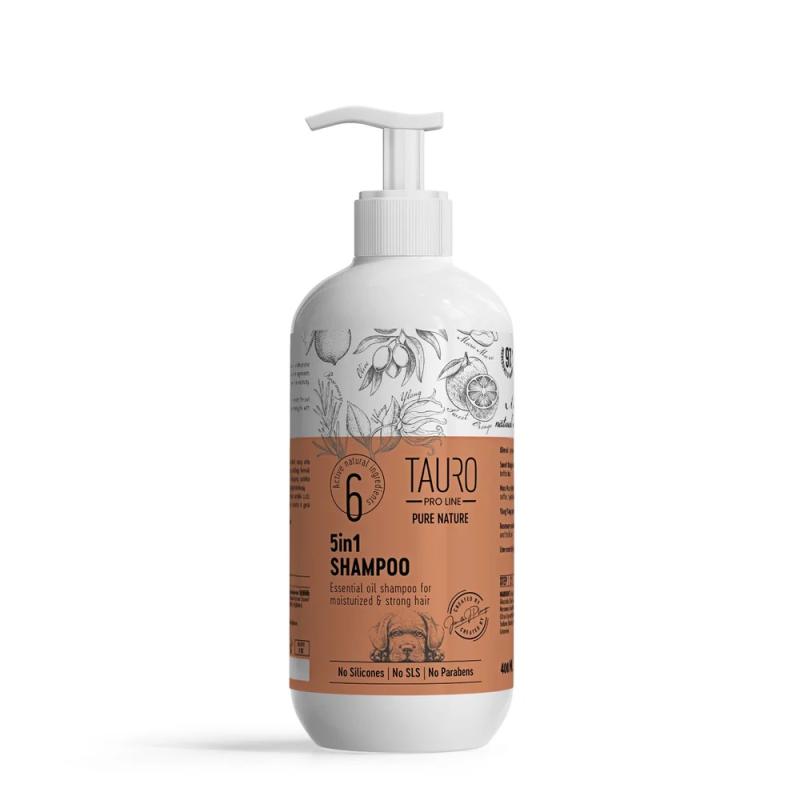
Dry Paws Thoroughly: After outdoor activities or walks, wash the paws and use a rubber towel to absorb excess moisture from your pet's paws. Moist environments can promote the growth of fungus and bacteria, so ensuring dryness is crucial.
Use Alkaline Water: Alkaline water is known for its ability to neutralize acidity and kill harmful germs and fungus. By spraying your pet's paws with alkaline water, you can help prevent the spread of bacteria and reduce the risk of paw fungus.
Regular Paw Inspections: Make it a habit to inspect your pet's paws regularly for any signs of irritation, redness, or unusual odor. Catching potential issues early can prevent them from developing into more serious problems.
Maintain Cleanliness: Keep your pet's living environment clean and free from debris, dirt, and other contaminants that could harbor fungus and bacteria. Regularly clean their bedding and any areas they frequent to minimize the risk of paw infections.
Proper Grooming: Regular grooming sessions, including trimming your pet's nails and keeping their fur around the paws neatly trimmed, can prevent dirt and debris from accumulating and causing irritation.
By incorporating these preventive measures into your pet care routine, you can help safeguard your furry friend's paws against fungus and ensure they stay healthy and happy.
Paw Fungus Treatment
Treating paw fungus requires a systematic approach to eliminate the infection and promote healing. Here's a step-by-step guide to effectively treat paw fungus:
Daily Paw Care Routine: After every walk, it's essential to clean your pet's paws thoroughly to remove any dirt or debris that could exacerbate the infection. Start by washing their paws with lukewarm water and pet-safe shampoo. Be sure to pay extra attention to the spaces between their toes, where fungus is more likely to thrive.
Use Rubber Towel: Once the paws are clean, gently squeeze them with a rubber towel. Rubber towels are highly effective at absorbing moisture, which is crucial for preventing the growth of fungus and bacteria.
Finish Drying with Microfiber Towel: After using the rubber towel, switch to a soft microfiber towel to finish drying your pet's paws. Microfiber towels are gentle on the skin and help ensure that the paws are completely dry, reducing the risk of further infection.
Apply Elixir No.3: Once the paws are dry, apply 2-3 drops of Tauro Pro Line Elixir No.3 to the inner part of the paws and between the toes. Elixir No.3 is specially formulated with natural and essential oils that help reduce itchiness, regenerate the skin, and combat fungal infections. Massage the Elixir gently into the skin to ensure maximum absorption.
Spray Pure Mist Alkaline Water: To disinfect the paws and enhance the effectiveness of Elixir No.3, spray Pure Mist alkaline waterover the treated areas. Alkaline water has antibacterial properties that can help kill harmful germs and fungus, further protecting your pet's paws.
Apply Natural Paw Balm: Finally, apply a natural paw balm to soothe and moisturize your pet's paw pads. Natural paw balms are formulated with ingredients like bee wax and coconut oil, which help nourish the skin and promote healing.
By following this comprehensive treatment regimen consistently, you can effectively eliminate paw fungus and provide relief for your pet's discomfort. Remember to monitor their paws closely for any signs of improvement or worsening and consult your veterinarian if necessary.
Summary
Keeping your pet's paws healthy is crucial for their overall happiness and well-being. By recognizing the signs of paw fungus, taking preventive steps like thorough drying and using alkaline water, and seeking timely treatment, you can protect your furry companion from discomfort and potential complications. Prioritizing proactive care ensures that your pet's paws stay in top condition, allowing them to enjoy a happy and active lifestyle.
FAQs
Q: What causes paw fungus in pets?
A: Paw fungus, often referred to as “brown paws," can be caused by various factors, including moisture accumulation between the toes, exposure to contaminated surfaces, and fungal infections.
Q:How can I prevent paw fungus in my pet?
A: To prevent paw fungus, ensure your pet's paws are kept clean and dry, especially after walks or outdoor activities. Use a rubber towel to absorb excess moisture and consider using alkaline water to inhibit the growth of harmful bacteria and fungi.
Q: Can fungal infections be treated at home?
A: Yes, mild cases of fungal infections, such as those affecting the paws, can often be treated at home with proper care and management. However, it's essential to consult with a veterinarian for guidance on the appropriate treatment plan, as severe or persistent infections may require prescription medications or professional intervention.
Q:What are the treatment options for paw fungus?
A: Treatment for paw fungus typically involves a combination of cleaning, drying, and applying antifungal solutions. Daily paw care routines, such as washing paws, drying them thoroughly, applying suitable topical treatments like Tauro Pro Line Elixir No.3, and using Pure Mist alkaline water for disinfection, can help alleviate symptoms and promote healing.
Q: Can paw fungus be harmful to my pet's health?
A: Yes, untreated paw fungus can lead to discomfort, pain, and further complications, such as secondary infections and skin irritation. It's essential to address paw fungus promptly to prevent it from worsening and impacting your pet's well-being.
Kamilė Ausmanė is a veterinarian, Head of Pharmacy at the KIKA retail network, instructor and head of Tauro Grooming Academy, and President of the Pet Grooming Specialists’ Board of the Lithuanian Kennel Club. She earned her veterinary degree from the Lithuanian University of Health Sciences in 2014, but has been actively involved in dog grooming and dog shows for 17 years. The knowledge she has gained over the years allows her to take a broader approach to pet care, considering not only the appearance of the coat but also the importance of skin health, hygiene, and the animal’s overall well-being. She specializes in grooming Bichon Frises, Maltese dogs and Pomeranians, teaches both aspiring and practicing professionals, and conducts seminars in Lithuania and abroad. Kamilė also participates in dog grooming competitions, while the dogs she has groomed have won numerous World and European Championship titles.
Master's Degree (MSc) in Veterinary Medicine
— Lithuanian University of Health Sciences
Skills:
Veterinary medicinePreventive pet healthcareDog groomingPet skin and coat healthPet hygienePet showsBichon Frise groomingMaltese dog groomingPomeranian grooming



.jpeg)