Can Dogs & Puppies Eat Watermelon? Everything You Need to Know About The Benefits, Risks, and How to Serve It Safely
26 May 2023
While balanced dry food and supplemental treats, such as Nature’s Protection, ensure the best results for your pet's health and well-being, it's essential to expand our knowledge about human food for dogs. After all, you never know when your furry companion might snatch a bite of something unattended or when a well-meaning child feeds them their own food. In this blog post, we will delve into the subject of dogs eating watermelon, examining its nutritional benefits, potential risks, serving sizes, preparation tips, and explore other safe fruits for dogs to enjoy.
Watermelon is a refreshing and delicious fruit that many of us savor during the summer months. As a responsible dog owner, it's natural to wonder whether you can share this juicy treat with your furry friend. By gaining insights into the world of dogs and watermelon consumption, we can make informed decisions about their dietary choices, ensuring their safety and well-being. Let's embark on this exploration together, uncovering the facts about dogs and watermelon, and discovering the broader landscape of safe and nutritious fruits for our canine companions.
Can Dogs Eat Watermelon?
Dogs can safely consume watermelon as long as the rind and seeds are removed and the fruit is cut into small, bite-sized pieces. While it's essential to prioritize your dog's regular food as the main part of their diet, offering them an occasional piece of this refreshing and hydrating treat can provide several benefits for their well-being. Superior Care Pet recommends offering watermelon as an occasional treat alongside our balanced dry food to ensure your dog receives comprehensive nutrition.
Is Watermelon Good for Dogs & Puppies?
Hydration Benefits of Watermelon for Dogs
Watermelon is an excellent source of hydration due to its high-water content. This is especially beneficial during hot weather or after physical activity, helping to keep your dog hydrated and supporting vital bodily functions.
While watermelon is a great source of hydration, it should not replace your dog's regular water intake. Ensure your dog has access to fresh water at all times, especially during hot weather when the risk of dehydration is higher.
Vitamins and Minerals in Watermelon
Watermelon is rich in essential vitamins and minerals. It contains:
Vitamins A and C: These vitamins are crucial for a strong immune system, healthy skin, and good vision.
Potassium: This mineral is vital for proper muscle and nerve function.
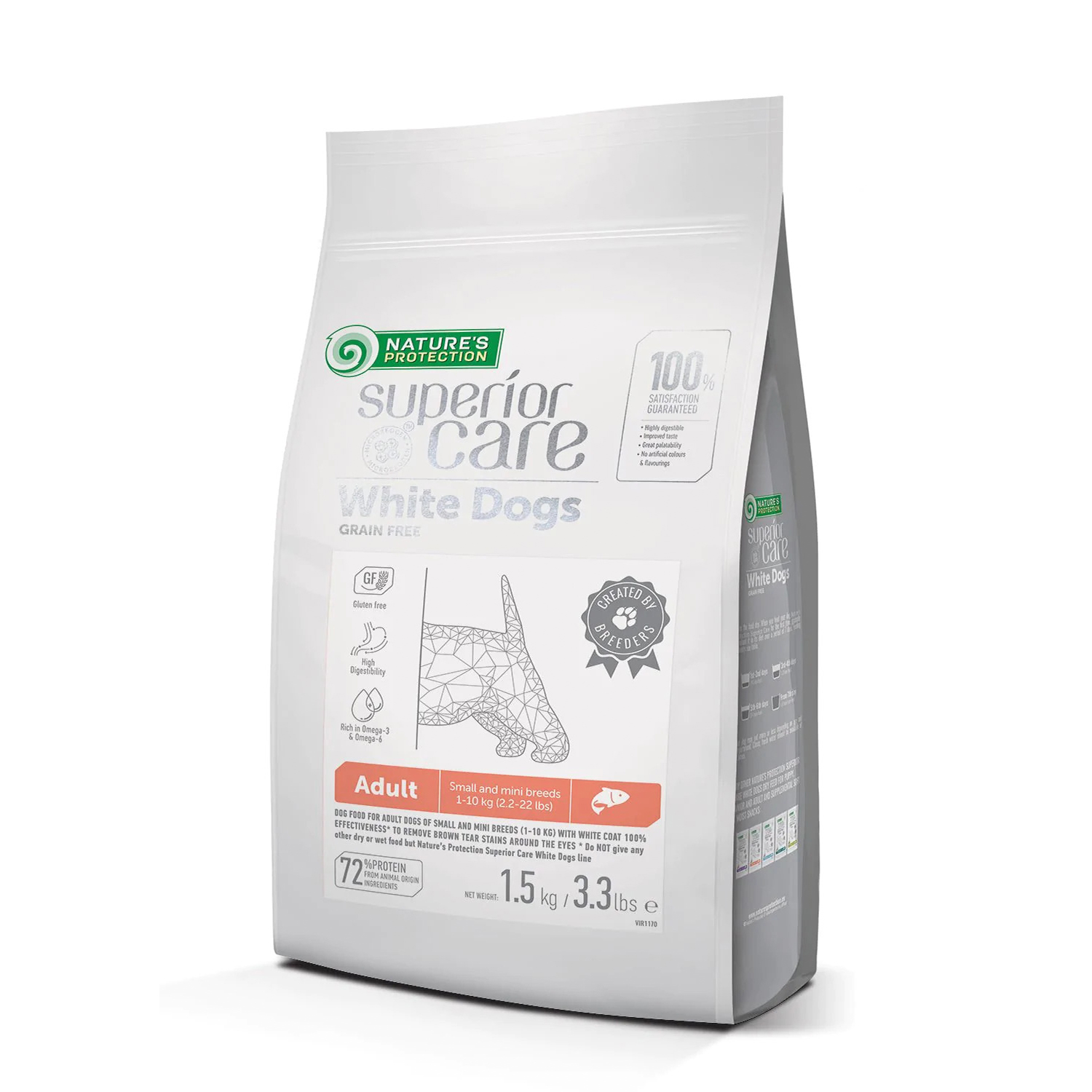
While watermelon provides hydration and essential nutrients, Nature’s Protection dry food remains the cornerstone of a healthy diet, providing all the necessary vitamins and minerals.
Is Watermelon a Low-Calorie Snack Option for Your Dog?
Watermelon is relatively low in calories, making it a suitable option for dogs who need to watch their weight. It can serve as a satisfying and nutritious snack without adding excessive calories to their diet.
What are The Potential Risks of Feeding Watermelon to Dogs?
While watermelon can be a healthy addition to your dog's diet, it's essential to be aware of potential risks.
Can Dogs Choke on Watermelon Seeds and Rind?
The rind and seeds of watermelon can present a choking hazard and may be challenging for dogs to digest. Always remove the seeds and the tough green rind before offering watermelon to your dog.
Can Dogs Be Allergic to Watermelon?
Just like humans, dogs can have individual sensitivities or allergies to certain foods, including watermelon. Introduce watermelon gradually into their diet and observe for any adverse reactions. If you notice any signs of digestive upset or allergic reactions, discontinue feeding watermelon and consult with your veterinarian.
Can My Dog Have Watermelon If It Has Digestive Issues?
Due to its natural sugar content, watermelon should be fed in moderation to avoid digestive issues. Provide guidelines on appropriate portion sizes based on your dog's size and weight.
Can Dogs Have Watermelon Rind?
The rind of watermelon is not recommended for dogs due to its toughness and potential to cause digestive issues. The texture and toughness of the rind can lead to gastrointestinal blockage or upset.
Can Dogs Have Watermelon Seeds?
While white seeds may be less harmful, it's best to remove all seeds to prevent choking and digestive blockages. Watermelon seeds can cause intestinal blockages in dogs, especially small breeds.
How to Safely Feed Watermelon to Your Dog
Cute dog happily eating a slice of watermelon.
Hand-Fed Pieces
Cut watermelon into small chunks and hand-feed them to your dog. Ensure all seeds and the tough rind are removed and monitor your dog while eating.
Watermelon as a Frozen Treat for Your Dog
Freezing watermelon chunks can provide a refreshing treat on hot days. This method also helps keep dogs cool and hydrated.
Puree and Freeze Watermelon
Puree watermelon and freeze it in ice cube trays for easy serving. This method can make the treat more manageable for small dogs. Watermelon can be a delightful treat for dogs, but it's important to remember that moderation is key. Overfeeding watermelon can lead to digestive issues, including diarrhea and upset stomach. Always introduce new foods slowly and in small quantities to gauge your dog's tolerance.
Serving Sizes for Different Dog Sizes
Watermelon Portion Sizes for Small Dogs
For small breeds, start with a small piece of watermelon, roughly the size of a thumbnail or smaller. Monitor their response and digestion before offering more.
Watermelon Portion Sizes for Medium Dogs
Medium-sized breeds can enjoy slightly larger portions of watermelon. Aim for a few small cubes or slices and observe how your dog handles it.
Watermelon Portion Sizes for Large Dogs
For larger breeds, you can offer a more substantial portion of watermelon. Cut the fruit into several bite-sized pieces or slices.
Preparation Tips for Feeding Watermelon to Dogs
Remove Seeds
Before serving watermelon to your dog, make sure to remove all the seeds to avoid choking hazards.
Remove Rind
The tough green rind of watermelon can be challenging for dogs to digest. Carefully trim off the rind, leaving only the juicy red flesh for your dog to enjoy.
Wash Thoroughly
Ensure that you wash the watermelon thoroughly to remove any dirt, pesticides, or potential contaminants.
Other Fruits That Dogs Can Eat
Apples
Apples are a fantastic source of vitamins A and C, as well as dietary fiber. They can promote good oral health by helping to freshen your dog's breath and clean their teeth. Remember to remove the seeds and core before serving.
Bananas
Bananas are packed with potassium, vitamin B6, vitamin C, and dietary fiber. They make a great energy-boosting snack and can aid in digestion.
Blueberries
Blueberries are rich in antioxidants and provide essential vitamins and minerals, including vitamin C, vitamin K, and dietary fiber. They can support your dog's immune system and overall well-being.
Strawberries
Strawberries are loaded with vitamins, such as vitamin C, as well as dietary fiber and antioxidants. Chop them into small pieces and share them as an occasional treat.
Pineapple
Pineapple contains bromelain, an enzyme that aids in digestion. It is also a good source of vitamin C, manganese, and dietary fiber. Remove the tough outer skin and core before serving.
Enhance Your Dog's Diet with Safe and Nutritious Fruits
While balanced Nature’s Protection dry food and supplemental treats remain the foundation of dogs’ nutrition, adding occasional fruits can provide nutritional benefits, variety, and enjoyment for your canine companion. Consider incorporatingNature's Protection range of digestive supplementsto support your dog's overall health when introducing new foods like watermelon.
However, it is crucial to remember that every dog is unique, and their dietary needs may vary. Always consult with your veterinarian before introducing new fruits or making significant changes to your dog's diet. Monitor your dog's response to ensure they tolerate the fruits well and adjust serving sizes according to their size, weight, and individual requirements.
By incorporating safe fruits into your dog's diet, you can provide them with a wholesome and varied nutritional experience while strengthening the bond between you and your furry friend. Remember, your dog's health and well-being should always be the top priority, and a well-informed approach to their diet will contribute to their vitality and happiness for years to come.
While watermelon is a good source of vitamins A and C, Nature's Protection’s nutritional supplements can provide additional support for your dog's immune system and overall health.
Lastly, consider the overall balance of your dog's diet. Treats, including fruits like watermelon, should not make up more than 10% of your dog's daily caloric intake. Maintaining a balanced diet withhigh-quality dog foodas the primary source of nutrition is essential for your dog's health and longevity.
Janita J. Plungė is an experienced breeder, cynologist, groomer and pet product developer with more than 35 years of experience working with dogs. Her first dog, a silver poodle named Kika, inspired her lifelong interest in animal care and led her to begin working as a groomer at the age of 16. She later became president of a poodle club and, at the age of 23, the youngest international dog show judge in the world. As the founder of KIKA Group, she has grown the business to more than 130 retail stores in Baltic states, 3 factories and top 4 kennel in the world with over 2,000 champion titles, exports to over 60 countries around the world and over 700 wholesale business partners. Her mission is to help pets live healthier and happier lives through carefully developed nutrition, grooming and daily care solutions.
Skills:
Pet groomingDog showsVeterinary careDog breedingProduct DevelopmentPet nutrition





.jpeg)