Bringing home a puppy means introducing them to an entirely new world. Doorbells, vacuum cleaners, car rides, children, strangers, other dogs and even a slippery kitchen floor can all be unfamiliar experiences.
That is where puppy socialization comes in.
Learning how to socialize a puppy is not about making your dog greet every person or play with every dog they meet. Good socialization is about helping your puppy experience everyday life in a safe, positive and manageable way so they can grow into a confident adult dog.
The first few months are especially important, but socialization should never feel rushed. A successful experience is less about how many things your puppy encounters and more about how your puppy feels during those encounters.
What Is Puppy Socialization and Why Does It Matter?
Puppy socialization is the process of gradually introducing a young dog to the people, animals, environments, sounds, objects and everyday situations they may encounter throughout life.
The goal is not to teach your puppy that they must interact with everything. In fact, a well-socialized puppy should also learn that they can calmly observe another dog, person or unfamiliar situation without needing to approach it.
According to the American Veterinary Society of Animal Behavior (AVSAB), the first three months of a puppy's life are the most important period for socialization. Positive exposure during this stage can help puppies adapt to different people, animals, environments and experiences. Inadequate or inappropriate socialization during this period may contribute to fear, avoidance and other behavioral problems later in life.
Good puppy socialization can help prepare your dog for ordinary experiences such as veterinary visits, grooming, meeting visitors, walking in a busy neighborhood, riding in a car or hearing unexpected noises.
But there is an important rule: socialization should feel safe to the puppy.
Forcing a nervous puppy toward something frightening is not effective socialization. If your puppy freezes, tries to escape, hides, refuses treats or becomes noticeably distressed, the experience may be too intense. Increase the distance, lower the difficulty and allow your puppy to observe from somewhere they feel comfortable.
Think of socialization as building confidence one positive experience at a time.
When Should You Start Socializing a Puppy?
Puppy socialization begins earlier than many new dog owners realize.
Breeders and caregivers can start introducing puppies to gentle handling and appropriate environmental experiences before puppies go to their new homes. Once your puppy comes home, you can continue the process immediately in ways that are appropriate for their age, health and vaccination status.
The first three months of life are considered the key socialization period, which means much of this important developmental window happens before a puppy has completed their full vaccination series.
That does not mean your puppy needs to experience everything in a few weeks.
Quality matters more than quantity.
A five-minute experience watching bicycles from a comfortable distance while eating treats may be more valuable than spending an hour in a crowded outdoor shopping area where your puppy feels overwhelmed.
Start with easy situations and gradually introduce more variety.
For example, your puppy might first watch one calm visitor enter your home. Later, they may meet people wearing hats, carrying umbrellas or using walking aids. A quiet car ride around the neighborhood can eventually become a short visit to a new location.
Continue providing positive experiences throughout puppyhood and into adulthood. Socialization has an especially important early window, but learning does not stop when that window closes.
How to Introduce Your Puppy to Different People
One of the most useful parts of puppy socialization is helping your puppy become comfortable with many kinds of people.
Try to provide calm opportunities for your puppy to see adults, children, older people and people with different appearances, voices and movement patterns. Everyday differences such as sunglasses, hats, backpacks, uniforms, facial hair, wheelchairs or canes can all look unusual to a young puppy.
The key word is choice.
Instead of asking a stranger to immediately reach over your puppy's head, let the puppy decide whether they want to approach. The person can stand or sit calmly and allow the puppy to investigate at their own pace.
Treats can help create positive associations. Your puppy might receive a small treat when a new person enters the room or while calmly watching people from a distance.
Not every socialization experience needs to involve touching. Sometimes simply watching people walk past while remaining relaxed is exactly what your puppy needs to learn.
When children are involved, supervision is especially important. The CDC recommends that young children always be supervised by dogs, even familiar family pets.
Teach children not to chase, hug, climb on or corner the puppy. Calm interactions are much more useful than exciting ones.
How to Socialize a Puppy With Other Dogs
Socializing a puppy with dogs does not mean letting them meet every dog they see.
A few positive encounters with suitable dogs can be much more beneficial than dozens of chaotic greetings.
Choose calm, healthy dogs with good social skills. Ideally, you already know the dog's health, vaccination status and behavior. Introductions should take place in a controlled environment where both dogs have enough space.
Watch your puppy's body language. Loose movement, curiosity and voluntarily returning to interact are generally better signs than hiding, repeatedly trying to escape or becoming increasingly frantic.
Short sessions are often best.
It is also valuable to teach your puppy that seeing another dog does not automatically mean playtime. Reward your puppy for calmly looking at another dog and then turning their attention back to you.
This skill can make future walks much easier.
Puppy classes can also provide structured socialization when they are run responsibly. AVSAB notes that puppies can generally begin socialization classes as early as approximately 7–8 weeks, provided appropriate vaccination and health requirements are followed.
Ask your veterinarian which classes and social situations are appropriate based on your puppy's vaccination status and local disease risk.
Introducing New Sounds Without Creating Fear
The world is noisy when you are a puppy.
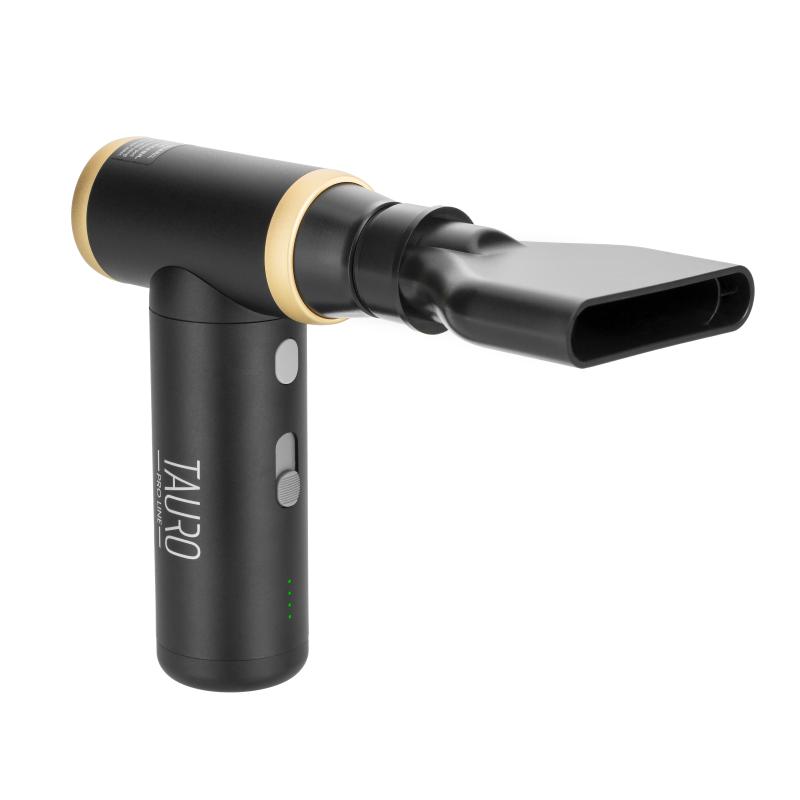
Vacuum cleaners, hair dryers, doorbells, kitchen appliances, traffic, thunderstorms, sirens, construction equipment and household electronics may all be completely new.
Introduce sounds gradually instead of waiting for your puppy to encounter them unexpectedly.
For example, you might turn on the vacuum in another room while your puppy eats treats or plays. As they become comfortable, the sound can slowly become closer or louder.
The same principle works with recorded sounds such as fireworks or thunderstorms. Begin at a very low volume where your puppy notices the sound but does not appear worried.
Never assume a puppy should simply "get used to it."
If your puppy becomes frightened, reduce the intensity. Socialization works best when the puppy remains comfortable enough to learn that experience is safe.
Let Your Puppy Explore Different Surfaces and Objects
Something as ordinary as walking across a metal grate can feel strange to a puppy who has only experienced carpet and grass.
Give your puppy opportunities to safely walk over different surfaces, including carpet, tile, hardwood floors, grass, gravel, concrete and other stable textures.
You can also introduce everyday objects such as umbrellas, cardboard boxes, bicycles, strollers, trash cans and moving household items.
Keep these experiences playful and voluntary.
Place treats near or on a new surface and let your puppy investigate. Avoid pulling them across something they are afraid of. If they hesitate, make the task easier.
AVSAB specifically encourages giving puppies opportunities to explore varied environments, including different surfaces and other forms of environmental enrichment.
Confidence develops when puppies learn that they can investigate something unfamiliar without being forced.

Take Your Puppy to New Environments Gradually
Socialization should eventually extend beyond your home.
Depending on your puppy's vaccination status and your veterinarian's recommendations, they can begin experiencing different environments in controlled ways.
A young puppy might watch traffic while being carried, sit with you on a clean blanket, ride in a secure stroller or observe people from the car.
As your veterinarian confirms that more environments are appropriate, gradually introduce places such as neighborhood sidewalks, pet-friendly stores, outdoor cafés, parks and other locations your dog may visit as an adult.
Do not turn every trip into a major adventure.
A new puppy can become mentally tired quickly. Ten calm minutes in a new environment may be enough.
Your goal is not to check as many locations as possible off a socialization list. It is to teach your puppy: "New places can be safe."
Can You Socialize a Puppy Before Vaccinations Are Complete?
Yes, puppy socialization can begin before the full vaccination series is complete, but it should be done carefully.
Waiting until every puppy vaccine has been completed may mean missing much of the most important early socialization period. Both AVSAB and AAHA guidance support appropriate early social exposure rather than complete isolation until the vaccination series is finished.
However, that does not mean an incompletely vaccinated puppy should go everywhere.
Young puppies are vulnerable to infectious diseases such as parvovirus, and disease risk varies by location. Your veterinarian is the best person to tell you which environments are appropriate in your area.
Safer early experiences may include being carried outdoors, watching the world from a stroller or blanket, visiting clean private homes and meeting healthy, appropriately vaccinated dogs you know. Recent AAHA guidance also recommends avoiding places where unknown dogs gather while puppies are still vulnerable.
High-traffic dog areas such as dog parks, communal dog relief areas and locations with unknown vaccination or disease status may carry greater risk and should generally be avoided until your veterinarian says they are appropriate. AVSAB specifically advises avoiding highly trafficked or unsensitized areas used by dogs of unknown health or vaccination status.
Vaccination schedules can also vary depending on the puppy and local disease risks. AAHA recommends that vaccination decisions be individualized with a veterinarian based on factors such as lifestyle and exposure risk.
So, the goal is not to choose between health protection and socialization. It is to find safe ways to do both.
How to Tell If Your Puppy Is Overwhelmed
Puppy socialization should build confidence, not test how much stress your puppy can tolerate.
Pay attention to your puppy throughout every new experience.
A puppy who is comfortable may explore, take treats, play, sniff the environment and voluntarily approach or move away.
A puppy who is struggling may try to hide, freeze, repeatedly retreat, refuse food they normally enjoy or become unusually frantic.
When that happens, give your puppy more space.
For example, if standing five feet away from a noisy object is too difficult, move farther away. If a group of people is overwhelming, introduce one calm person instead.
You do not need to make your puppy "face their fear" in a single session.
Small successful experiences are more valuable than one overwhelming encounter.
If your puppy regularly reacts with intense fear to ordinary situations, talk with your veterinarian. AVSAB advises owners of puppies displaying fear to seek veterinary guidance rather than assuming the puppy will simply grow out of it.
Puppy Socialization Is About Confidence, Not Just Exposure
The most important thing to remember when learning how to socialize with a puppy is that socialization is not a race.
Your puppy does not need to meet 100 people, play with every neighborhood dog or visit every busy place in town.
They need repeated opportunities to discover that unfamiliar people, animals, sounds, surfaces and environments can be safe.
Keep experiences short. Let your puppy make choices. Pair new situations with treats, play and calm encouragement. If something feels too difficult, create more distance and try an easier version.
Over time, those small experiences help your puppy develop the skills they need to navigate everyday life with greater confidence.
And because every puppy's health, vaccination history and local disease risk are different, work with your veterinarian to create a socialization plan that lets your puppy safely explore the world while staying protected.