Cracking Paws in Winter: Causes, Signs, and Solutions
13 Dec 2024
Winter is a beautiful season, but it can be harsh on your pet’s paws. Cold air, snow, ice, road salt, and indoor heating can all contribute to dry, irritated, and cracked paw pads. While paw pads are naturally designed to handle daily walking, running, and outdoor surfaces, winter conditions can make them more vulnerable to damage.
Cracking paws are a common issue during the colder months, especially for dogs that spend a lot of time outdoors or walk regularly on salted pavements. If left untreated, small cracks can become painful, bleed, or even lead to infection. Understanding the causes, signs, and solutions can help keep your furry friend comfortable, active, and healthy throughout the winter season.
In this article, we’ll explore why paws crack in winter, how to recognize the early warning signs, and what you can do to protect and soothe your pet’s paws.
Why Winter Paw Care Should Start Before Cracks Appear
Many pet owners only start paying attention to paw pads once they notice visible cracks, limping, or licking. However, winter paw damage often develops gradually. At first, the paw pads may only feel slightly rough or dry. Over time, repeated exposure to cold surfaces, salt, snow, ice, and dry indoor air can weaken the skin barrier and make the pads more likely to split.
This is why winter paw care should be preventive, not only reactive. A simple routine of checking, cleaning, moisturizing, and protecting the paws can help prevent small signs of dryness from turning into painful cracks. This is especially important for dogs that walk daily on salted pavements or spend a lot of time outdoors during cold weather.
Think of paw balm and post-walk cleaning in the same way you would think of winter skincare for yourself. Just as human hands can become dry and chapped in winter, paw pads can lose moisture and become irritated when exposed to harsh seasonal conditions every day.
Understanding Paw Pad Anatomy
Paw pads are like superhero shoes for your furry friend, with different layers serving special purposes.
Outer Skin Protection: The top layer, called the epidermis, is like a shield, protecting your dog's paws from things like hot pavements and rough surfaces. Right underneath is the dermis, which has lots of tiny blood vessels and nerves, helping your dog feel things with their paws.
Fat Pads and Tough Skin: Below the dermis, there are fat pads that keep your dog's paws comfy, like built-in cushions. The skin cells here become tough, like armor, making sure the paws can handle all kinds of adventures.
Sweat and Scent Magic: Paw pads even have sweat glands to help your dog stay cool, kind of like a natural air conditioner. And there are scent glands too, adding a bit of your dog's special smell to every step.
Super Powers of Paw Pads: Apart from protection, paw pads help your dog in many ways. They give good grip, like anti-slip shoes, so your dog can walk and run without slipping. The fat pads also keep the paws cozy in different weather. And when your dog jumps around, the paw pads act like shock absorbers, making sure it doesn't hurt their bones.
Why Paw Pads Crack Even Though They Are Naturally Tough
Paw pads are strong, but they are not indestructible. Their thick outer layer helps protect your pet from rough ground, temperature changes, and daily movement, but winter creates a combination of stressors that can overwhelm this natural protection. Cold air dries the skin, ice can create tiny abrasions, and road salt can irritate already-sensitive areas.
Another problem is the constant change between outdoor cold and indoor heat. After a walk, your pet comes back into a warm home where the air may be dry from heating systems. This repeated shift can make paw pads lose moisture more quickly. Over time, the pads may become harder, rougher, and less flexible, which makes cracking more likely.
Healthy paw pads should feel firm but not painfully dry, brittle, or split. Some roughness is normal, especially in active dogs, but deep cracks, bleeding, swelling or sensitivity are signs that the skin barrier has been damaged and needs attention.
Understanding the Causes of Cracking Paws
Several winter-related factors can contribute to dry, cracked, or irritated paw pads. In many cases, the problem is not caused by one single factor but by repeated exposure to harsh outdoor and indoor conditions.
Cold Weather and Dry Air: Winter's cold, dry air can strip moisture from your pet's paw pads, leading to dryness and cracking. This is especially common in regions with long or harsh winters, where pets are exposed to freezing temperatures on a daily basis. Just like human skin can become dry and chapped in winter, paw pads can also lose their natural moisture.
Salt and Chemicals: De-icing salts and chemicals used on roads, pavements, and sidewalks can irritate your pet’s paws. These substances may dry out the paw pads and cause stinging, redness, or discomfort, especially if your pet already has small cracks or sensitive skin. Some pets may also lick their paws after walks, which can lead to ingesting unwanted chemicals.
Frequent Exposure to Moisture: Snow, slush, and ice can make your pet’s paws wet during walks. When the paws repeatedly become wet and then dry again, the skin can become more prone to cracking. Moisture can also collect between the toes, increasing the risk of irritation, especially in pets with longer fur around their paws.
Lack of Moisture Indoors: Indoor heating systems can make the air inside your home very dry. While this keeps your home warm, it can also contribute to dry skin and paw pads. Pets that move between cold outdoor air and dry indoor heat may be especially prone to winter paw problems.
Rough or Frozen Surfaces: Frozen ground, ice, and rough winter surfaces can put extra pressure on the paw pads. Even if the paws are not visibly injured, repeated walking on hard or icy surfaces can make the pads rougher and more sensitive over time.
Which Pets Are Most at Risk of Cracked Paws in Winter?
Any dog can develop cracked paws during winter, but some pets are more vulnerable than others. Dogs that walk on city sidewalks are often exposed to more salt and chemical de-icers than dogs walking on natural trails or grass. Active dogs, working dogs and pets that spend long periods outdoors may also experience more wear on their paw pads.
Small dogs and short-haired breeds may be more sensitive to cold surfaces because they often lose body heat more quickly. Senior dogs may also need extra care because their skin can become drier with age, and they may already have joint stiffness or reduced circulation. Pets with allergies, sensitive skin or a history of paw licking may be more likely to develop irritation between the toes or around the pads.
Long-haired dogs can have another winter problem: snow and ice collecting in the fur between their toes. These small ice balls can pull on the hair, trap moisture and make walking uncomfortable. Keeping the paw fur trimmed and checking between the toes after walks can help prevent this.
Recognizing the Signs of Cracking Paws
Catching paw problems early can help prevent discomfort from becoming more serious. Regularly checking your pet’s paws during winter is one of the easiest ways to spot dryness, irritation, or cracking before it worsens.
Licking or Chewing: Excessive licking or chewing of the paws can indicate irritation, dryness or pain. Dogs often lick their paws to soothe discomfort, but this can make the issue worse if it causes further irritation or introduces bacteria into small cracks.
Dry Paw Skin: Dry, rough, or flaky skin on the paw pads is often an early warning sign. At this stage, the paws may not yet be painful, but they are becoming less healthy and more vulnerable to cracking. Moisturizing the paws early can help prevent the problem from progressing.
Visible Cracks: Look for visible cracks, splits, or rough patches on the paw pads. These can vary from minor surface cracks to deeper, more painful splits. Deeper cracks may bleed or cause your pet to react when you touch the affected area.
Redness and Swelling: Irritation can cause redness, swelling, or tenderness around the paw pads or between the toes. If you notice these signs, it is important to check whether salt, ice, small stones, or other irritants are trapped in the paw area.
Limping or Reluctance to Walk: Your pet may limp, walk more slowly, lift one paw, or avoid walking altogether if their paws are painful. This is a clear sign that their paws need attention. If limping continues or the paw looks injured, it is best to consult your veterinarian.
Sensitivity When Touched: If your pet pulls their paw away, whines, or reacts when you touch the paw pads, this may indicate pain or irritation. Some pets may hide discomfort well, so regular gentle checks are important during winter.
Effective Solutions for Cracking Paws
The good news is that most winter paw problems can be managed or prevented with a consistent care routine. A combination of moisturizing, protection, cleaning, and proper nutrition can help keep your pet’s paws healthy throughout the colder months.
Regular Moisturizing Use a high-quality paw balm like Tauro Pro Line Paw Balm to moisturize and protect your pet's paws. This balm is specially formulated to soothe and heal cracked paws, providing a protective barrier against harsh winter conditions. Apply the balm before walks to help shield the paws from cold surfaces, salt, and chemicals. You can also apply it after walks or before bedtime to support recovery and hydration. Regular use is especially helpful for pets that already have dry or sensitive paw pads.
Paw Protection Consider using pet booties to protect your dog’s paws from salt, chemicals, snow, and ice when walking outside. Booties create a physical barrier between the paw pads and harsh winter surfaces. They can be especially useful for pets that walk in urban areas where de-icing products are commonly used. If your pet is not used to wearing booties, introduce them gradually at home before using them on longer walks. Start with short sessions and reward your pet to help them feel comfortable.
Wipe Paws After Walks Clean your pet's paws with a damp cloth or hydrating wet wipes after walks to remove salt, chemicals, dirt, and ice. Pay attention to the spaces between the toes, where irritants and moisture can collect. This simple habit can make a big difference. It helps prevent dryness, reduces the chance of licking harmful substances, and gives you a chance to quickly inspect the paws for cracks or irritation.
Trim Fur Around the Paws For pets with longer fur, snow and ice can build up between the toes and around the paw pads. This can cause discomfort and increase moisture exposure. Keeping the fur around the paws neatly trimmed can help reduce ice buildup and make cleaning easier after walks. If you are unsure how to trim this area safely, ask a professional groomer or veterinarian for help.
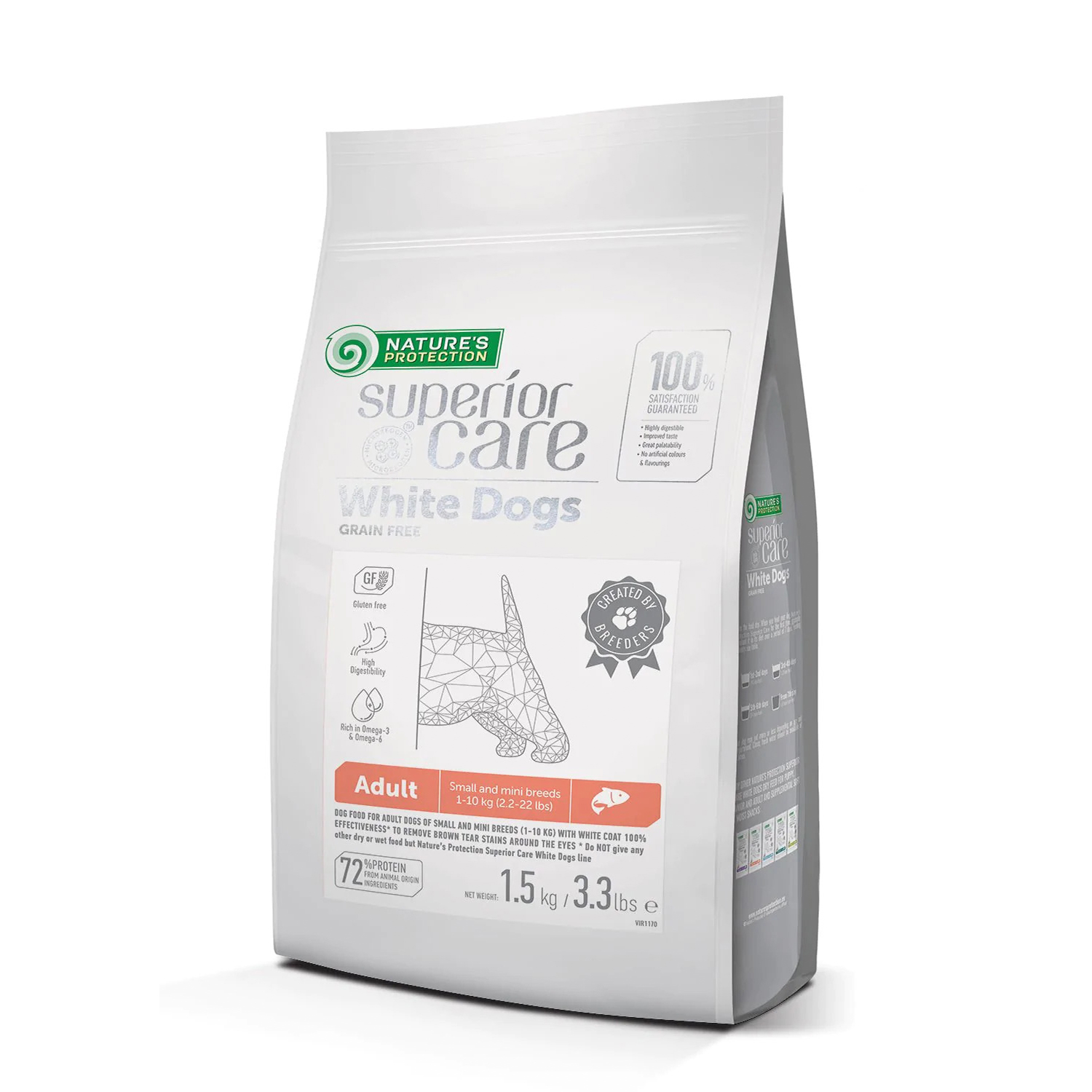
Upgrade your pet’s diet Healthy skin and paw pads also depend on good nutrition. Incorporating Omega-3 fatty acids into your pet’s diet can support skin health and help reduce dryness and irritation. Omega-3s are known for their anti-inflammatory properties, which may help support the skin’s natural barrier. Look for pet food that includes salmon or consider adding salmon oil as a supplement to your pet’s food. Before introducing supplements, it is always a good idea to check the right dosage for your pet’s size, age and health needs.
Keep Walks Shorter in Harsh Conditions During extremely cold weather, it may be better to take shorter, more frequent walks instead of one long walk. This limits your pet’s exposure to freezing surfaces, salt and moisture. If your pet starts lifting their paws, slowing down or showing discomfort, it may be time to head indoors.
Regular Check-Ups Regularly check your pet’s paws for signs of cracking, irritation, redness, or swelling. Paw care should become part of your winter grooming routine, especially if your pet walks outside every day. If you notice deep cracks, bleeding, persistent limping, swelling, discharge, or signs of infection, consult your veterinarian. Some paw problems may require professional treatment, especially if they do not improve with basic home care.
By understanding the causes and signs of cracking paws and taking proactive steps to care for them, you can help your pet enjoy a comfortable and healthy winter season. Regular moisturizing, paw protection, post-walk cleaning, and proper nutrition can all make a major difference.
Winter walks can still be enjoyable for both you and your furry friend, but extra paw care is essential during the colder months. Tauro Pro Line Paw Balm is an excellent choice for keeping your pet’s paws moisturized, protected, and ready for winter adventures.
FAQs
How often should I apply paw balm?
It's best to apply paw balm daily, especially before and after walks, to maintain moisture and protection.
Can I use human moisturizers on my pet's paws?
No, human moisturizers can contain ingredients that are harmful to pets. Always use products specifically designed for pets, like Tauro Pro Line Paw Balm.
What should I do if my pet's paws are bleeding?
If you notice bleeding, clean the area gently and apply a pet-safe antiseptic. Consult your vet for further advice.
Are there any natural remedies for cracked paws?
Coconut oil can be a natural moisturizer, but it's best to use a product specifically formulated for pets to ensure safety and effectiveness.
How can I prevent my pet from licking off the balm?
Distract your pet with a toy or treat after applying the balm to allow it time to absorb.
Can road salt hurt my dog's paws?
Yes, road salt and de-icing chemicals can dry out and irritate your dog’s paw pads. They may also sting if your dog already has small cracks or sensitive skin. Always wipe your dog’s paws after winter walks, especially if you walk on sidewalks, roads or parking lots.
Can cracked paws heal on their own?
Mild dryness may improve with rest and proper paw care, but cracked paws often need extra support. Regular moisturizing, cleaning after walks, protection from salt and ice can help the pads recover. Deep, bleeding, painful or infected cracks should be checked by a veterinarian.
Kamilė Ausmanė is a veterinarian, Head of Pharmacy at the KIKA retail network, instructor and head of Tauro Grooming Academy, and President of the Pet Grooming Specialists’ Board of the Lithuanian Kennel Club. She earned her veterinary degree from the Lithuanian University of Health Sciences in 2014, but has been actively involved in dog grooming and dog shows for 17 years. The knowledge she has gained over the years allows her to take a broader approach to pet care, considering not only the appearance of the coat but also the importance of skin health, hygiene, and the animal’s overall well-being. She specializes in grooming Bichon Frises, Maltese dogs and Pomeranians, teaches both aspiring and practicing professionals, and conducts seminars in Lithuania and abroad. Kamilė also participates in dog grooming competitions, while the dogs she has groomed have won numerous World and European Championship titles.
Master's Degree (MSc) in Veterinary Medicine
— Lithuanian University of Health Sciences
Skills:
Veterinary medicinePreventive pet healthcareDog groomingPet skin and coat healthPet hygienePet showsBichon Frise groomingMaltese dog groomingPomeranian grooming



.jpeg)