Do All Dogs Shed? Exploring Dog Coat Care in Spring
2 May 2024
As the sun grows warmer and spring emerges, our furry companions undergo a seasonal transformation shedding their winter coats. While some breeds shed minimally year-round, others experience a more pronounced shedding phase during this time. Understanding the nuances of canine coat care is essential for every dog owner, especially during the shedding season.
According to Kamile, a grooming specialist at Tauro Grooming Academy, there are only five dog breeds that shed very little or not at all. Owners of these breeds may find spring grooming a bit easier. However, for those caring for breeds not on this shortlist, additional measures are necessary.
Contrary to popular belief, shedding isn't exclusive to long-haired breeds. Short-haired dogs also require significant grooming efforts. Kamile emphasizes the importance of regular bathing and grooming, not just for appearance but for hygiene as well.
"Pampering your pooch with a bath and a good brushing isn't just a luxury; it's a basic necessity. Dogs, like humans, need regular grooming for optimal health," says Kamile.
Among the low-shedding breeds are Poodles, whose continuously growing hair requires regular grooming. Additionally, breeds like Shih Tzus and Maltese have long, luxurious coats that shed minimally. On the other hand, Basenjis boast short, fine hair, making spring grooming less demanding for their owners.
Kamile highlights that regardless of shedding intensity, all dogs require regular care to maintain healthy skin and coat. This includes frequent bathing and brushing, with small breeds needing baths every two weeks and larger breeds at least once a month.
Springtime Intensified Care
Spring demands intensified grooming efforts for many breeds. Kamile notes that the shedding period typically begins around March or April with the onset of warmer weather. If shedding persists beyond three weeks, it could signal nutritional deficiencies or lack of coat care.
While proper nutrition forms the foundation (80% of impact) of a pet's health, regular grooming constitutes the remaining 20%. Therefore, consistent hygiene practices are crucial not just for appearance but overall well-being. To facilitate shedding, Kamile recommends increased bathing, brushing, and massage with a pin brush. This helps fastens the removal of the dead hair, promoting healthier coat growth and blood circulation in the skin.
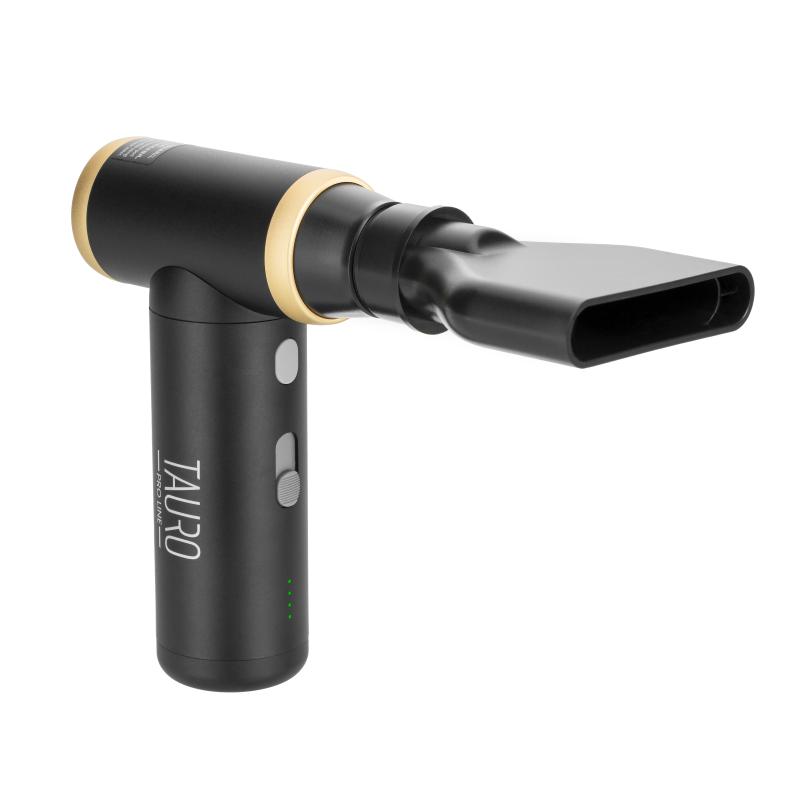
Another beneficial practice, commonly performed at grooming salons but doable at home, is blow-drying using a powerful coat dryer. Proper equipment and techniques ensure safe and effective removal of loose hair.
Choosing the Right Products
The grooming specialist Kamile warns that neglecting proper grooming products can undermine grooming efforts. Using human shampoos on pets can lead to skin irritations due to differences in pH levels. Therefore, selecting pet-specific, natural grooming products devoid of harmful chemicals is essential.
"Choosing the right grooming products is paramount. Opt for formulations free from silicones, parabens, SLS, and mineral oils," advises Kamile. Tailoring products to suit your pet's specific coat type further enhances grooming outcomes.
Additionally, she suggests incorporating natural elixirs enriched with essential oils to promote coat health and growth, ultimately easing the shedding process.
Summary
While only a few dog breeds shed minimally, all dogs require regular grooming, especially during the shedding season. By dedicating time to proper grooming practices and selecting appropriate grooming products, pet owners can ensure their furry companions remain healthy, comfortable, and beautiful year-round.
"A little extra care during shedding season goes a long way in maintaining your pet's well-being and your sanity," Kamile concludes.
FAQs
Do all dogs shed?
No, not all dogs shed. While shedding is a natural process for most breeds, there are several breeds known for minimal shedding or no shedding at all. These breeds include Poodles, Maltese Bichons, Bichon Frises, Shih Tzus, and Lhasa Apsos. Additionally, some mixed-breed dogs may inherit low-shedding traits from their parent breeds. Breeds with short, single-layered coats or hairless breeds typically shed less compared to breeds with thick, double-layered coats.
When does shedding season typically occur?
Shedding season often occurs in the spring as dogs shed their winter coats to prepare for warmer weather. However, shedding can happen year-round, depending on factors like climate and indoor living conditions.
How can I reduce shedding in my dog?
Regular grooming, including brushing and bathing, can help reduce shedding by removing loose fur and promoting healthy coat growth. Additionally, providing a balanced diet and addressing any underlying health issues can minimize excessive shedding.
Should I be concerned if my dog sheds excessively?
While some shedding is normal, excessive shedding could indicate underlying health issues such as allergies, hormonal imbalances, poor nutrition, or skin infections. If your dog sheds all year round, or you notice a sudden increase in shedding or bald patches on your dog's coat, it's essential to consult with a veterinarian.
What grooming tools are best for managing shedding?
The best grooming tools for managing shedding depend on your dog's coat type. For breeds with thick, double-layered coats, a deshedding tool or slicker brush may be effective. Hairless breeds may benefit from gentle rubber gloves or soft bristle brushes to remove dead skin cells.
How often should I groom my dog during shedding season?
During shedding season, it's essential to groom your dog more frequently to remove loose fur and prevent matting. Aim to brush your dog's coat at least several times a week and bathe them as needed to keep their skin and coat healthy.
Kamilė Ausmanė is a veterinarian, Head of Pharmacy at the KIKA retail network, instructor and head of Tauro Grooming Academy, and President of the Pet Grooming Specialists’ Board of the Lithuanian Kennel Club. She earned her veterinary degree from the Lithuanian University of Health Sciences in 2014, but has been actively involved in dog grooming and dog shows for 17 years. The knowledge she has gained over the years allows her to take a broader approach to pet care, considering not only the appearance of the coat but also the importance of skin health, hygiene, and the animal’s overall well-being. She specializes in grooming Bichon Frises, Maltese dogs and Pomeranians, teaches both aspiring and practicing professionals, and conducts seminars in Lithuania and abroad. Kamilė also participates in dog grooming competitions, while the dogs she has groomed have won numerous World and European Championship titles.
Master's Degree (MSc) in Veterinary Medicine
— Lithuanian University of Health Sciences
Skills:
Veterinary medicinePreventive pet healthcareDog groomingPet skin and coat healthPet hygienePet showsBichon Frise groomingMaltese dog groomingPomeranian grooming




.jpeg)