How to Get Your Puppy to Sleep Through the Night: A Puppy Training Guide
13 Dec 2023
Bringing home a new puppy is an exciting and joyful experience, but it often comes with sleepless nights as your furry friend adjusts to their new environment. The challenge of getting a puppy to sleep through the night can leave both you and your pup feeling exhausted and frustrated.
A good night's sleep is important for your puppy's growth and your well-being. Ensuring that your puppy sleeps soundly through the night will help them develop healthy habits and give you the rest you need.
Essential Takeaways:
Helping your puppy sleep through the night is essential for their overall development and well-being. A restful night’s sleep supports their growth, strengthens their immune system, and improves their mood, ensuring a happier and healthier puppy.
To assist in training your puppy, KIKA USA offers a range of products designed to make the process easier and more effective. Fromabsorbent pee padsto engagingtoys, our products help create a comfortable and supportive environment for your puppy. Trust KIKA USA to provide everything you need to successfully train your puppy and ensure their comfort and happiness.
In this guide, we'll share effective tips and strategies to help your puppy settle in and sleep peacefully, so you can both enjoy restful nights together.
Understanding Your Puppy’s Sleep Needs
Puppies have different sleep patterns compared to adult dogs, often requiring more sleep to support their rapid growth and development. On average, puppies need 18-20 hours of sleep per day, divided into shorter naps throughout the day and night. Unlike adult dogs, who can sleep for extended periods, puppies have shorter sleep cycles and may wake up frequently during the night.
Several factors influence a puppy's ability to sleep through the night:
Age:Younger puppies, especially those under 12 weeks old, have smaller bladders and will need to go to the bathroom more frequently, which can disrupt their sleep.
Activity Levels:Puppies who are very active during the day may sleep more soundly at night, while those who are less active might struggle to settle down.
Diet:Feeding schedules and the type of food your puppy eats can affect their sleep. It's essential to establish a consistent feeding routine and avoid feeding them right before bedtime.
Comfort:Puppies need a secure and comfortable sleeping environment to feel safe and relaxed, which significantly impacts their ability to sleep well.
Understanding these factors can help you create a conducive sleep environment and routine for your puppy, making it easier for them to sleep through the night. Need help potty training your puppy? Check out our comprehensive guide onhow to toilet train your puppy in 7 days.
Establishing a Bedtime Routine
Creating a consistent bedtime routine is crucial for helping your puppy adjust to sleeping through the night. Here are some tips to establish an effective routine:
Set a Consistent Bedtime:Try to put your puppy to bed at the same time every night. This helps regulate their internal clock and signals that it’s time to wind down.
Evening Exercise:Engage your puppy in active playtime in the early evening to help burn off excess energy. Avoid overly stimulating activities right before bed.
Feeding Schedule:Feed your puppy their last meal a few hours before bedtime. This allows enough time for digestion and reduces the likelihood of needing a bathroom break in the middle of the night. Learn more in ourPuppy Nutrition Guide.
Bathroom Break:Ensure your puppy has a chance to go to the bathroom right before bed. This can help minimize the need for nighttime trips outside.
Quiet Time:Engage in calming activities, such as gentle petting or a quiet game, to help your puppy relax. Avoid any high-energy play or excitement before bed.
Create a Cozy Sleep Environment:Set up a comfortable and secure sleeping area for your puppy. A crate with a soft bed,a familiar blanket, anda favorite toycan help them feel safe and secure.
By following these steps, you can establish a predictable bedtime routine that signals to your puppy that it's time to sleep, helping them settle down more quickly and sleep more soundly through the night.
Creating a Comfortable Sleep Environment
A comfortable and secure sleep environment is essential for helping your puppy sleep through the night. Here are some suggestions to make your puppy's sleeping area cozy and inviting:
Use a Crate
A crate can provide a safe and den-like space for your puppy, helping them feel secure. Make sure the crate is appropriately sized—large enough for your puppy to stand up, turn around, and lie down comfortably, but not so large that they can eliminate in one corner and sleep in another. Using a crate can also assist with house training by encouraging your puppy to hold their bladder.
Comfortable Bed
Place a soft and supportive bed inside the crate. The bed should be cushioned enough to provide comfort but also durable and easy to clean. Consider using a dog bed with sides to create a nest-like feeling.
Familiar Blanket
Includea blanketwith your puppy’s scent or a piece of clothing that smells like you. This familiarity can provide comfort and reassurance, especially in a new environment.
Favorite Toys
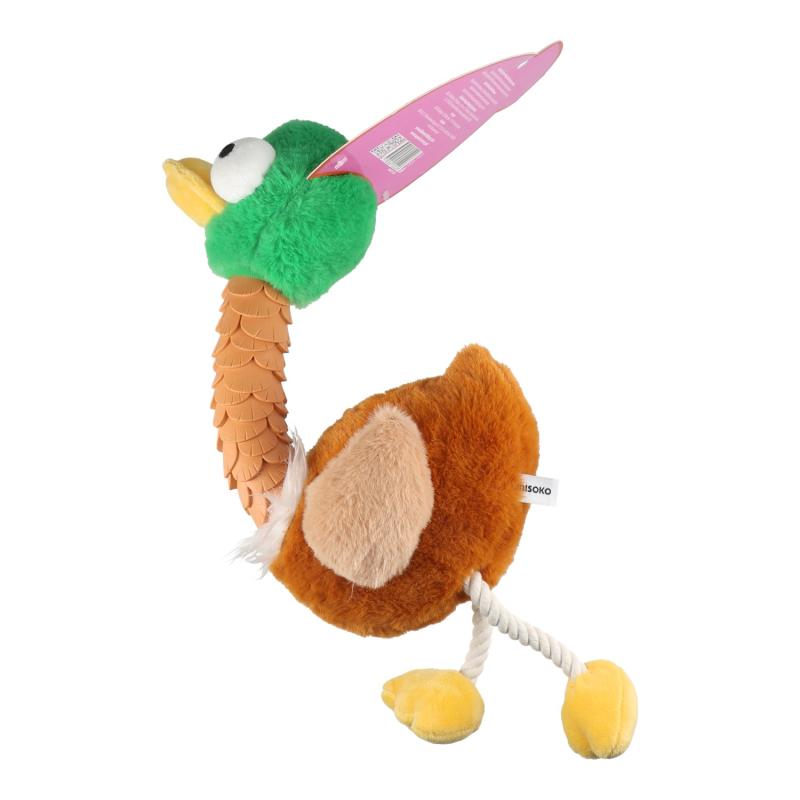
Place a fewfavorite toysor a chew toy in the crate to keep your puppy occupied and help them feel at ease. Avoid toys that are noisy or could be a choking hazard.
Quiet Location
Position the crate in a quiet area of your home where your puppy can sleep without disturbances. Ensure the temperature is comfortable—not too hot or cold—and away from drafts.
By creating a cozy and secure sleep environment, you help your puppy feel more comfortable and relaxed, which can lead to better sleep through the night.
Should You Let Your Puppy Sleep in Bed with You?
Deciding whether to let your puppy sleep in bed with you is a personal choice. While it can strengthen the bond between you and provide comfort, it may also disrupt your sleep and complicate house training.
Additionally, allowing small puppies to sleep in bed can be dangerous, as there's a risk of rolling over and injuring them.
Ensuring Your Puppy's Safety and Comfort
It's often safer to wait until your puppy reaches adult size and is fully potty trained before letting them sleep in your bed. In the meantime, consider using a dog bed or crate near your bed to offer them a sense of security while maintaining a restful night’s sleep for both of you.
Managing Nighttime Bathroom Breaks
Handling nighttime bathroom needs without disrupting sleep is a crucial aspect of training your puppy to sleep through the night. Here’s how you can manage this effectively:
Scheduled Breaks
Initially, puppies will need regular bathroom breaks during the night. Schedule these breaks at consistent times to create a routine. For very young puppies, this might mean taking them out every 2-3 hours. As they grow, you can gradually extend the intervals between breaks.
Minimize Disruption
When taking your puppy out for a bathroom break, keep the interaction calm and low-key. Use a quiet voice, avoid playing, and take them to the same spot each time. This signals that it’s time to do their business and not to play.
Reduce Breaks Over Time
As your puppy matures and their bladder capacity increases, you can start to reduce the frequency of nighttime bathroom breaks. Monitor their progress and gradually extend the time between breaks. By around 4-6 months of age, many puppies can sleep through the night without needing to go out.
Limit Water Intake
Control your puppy’s water intake in the evening. Allow them access to water throughout the day, but consider removing it an hour or two before bedtime to reduce the need for nighttime bathroom breaks.
Use Pee Pads
If you’re unable to take your puppy outside during the night, you can usepee padsinside the crate or in a designated area. This is a temporary solution and should be phased out as your puppy learns to hold their bladder.
By managing nighttime bathroom breaks with scheduled and calm routines, you help your puppy learn to sleep through the night while minimizing disruptions. Consistency and patience are key to achieving this goal.
Using Positive Reinforcement
Positive reinforcement plays a crucial role in encouraging good sleep behavior in puppies. By rewarding your puppy for calm and quiet behavior at night, you can help them develop healthy sleep habits.
Here’s how you can use positive reinforcement effectively:
Praise and Rewards:When your puppy settles down in their bed or crate without fuss, offer praise and a gentle petting. Positive verbal cues like "good puppy" reinforce that they are doing the right thing.
Treats:Give your puppya small treatwhen they lie down calmly in their sleeping area. This can create a positive association with bedtime.
Consistency:Be consistent with your praise and rewards. Every time your puppy exhibits good sleep behavior, acknowledge it with positive reinforcement.
Routine:Establish a bedtime routine that includes positive reinforcement. For example, after your puppy goes to the bathroom and settles into bed, give them a treat and some quiet praise.
Calm Environment:Create a calm and soothing environment at bedtime. Dimming the lights and reducing noise can help signal to your puppy that it’s time to sleep, and reinforcing this environment with praise can enhance the routine.
By consistently using positive reinforcement, you can help your puppy understand and follow a sleep routine that promotes calmness and relaxation.
Dealing with Nighttime Whining and Barking
Nighttime whining and barking can be challenging, but there are effective strategies to manage and reduce these behaviors without reinforcing them:
Assess Your Puppy’s Needs:First, determine if your puppy’s whining or barking is due to a genuine need, such as needing to go to the bathroom, being hungry, or feeling unwell. Address these needs calmly and efficiently.
Ignore Attention-Seeking:If the whining or barking is attention-seeking behavior, try to ignore it. Giving attention can reinforce the behavior, teaching your puppy that whining or barking results in attention. Wait for a moment of silence before acknowledging your puppy.
Calm Reassurance:If you must check on your puppy, do so calmly without making a fuss. Keep interactions brief and boring, so your puppy understands that nighttime is for sleeping, not playing.
Comfort Items:Provide comfort items in the sleeping area, such as a soft blanket, a favorite toy, or an item with your scent. These can help your puppy feel secure and reduce anxiety-driven whining or barking.
Gradual Training:Gradually train your puppy to tolerate longer periods alone at night. Start with short intervals and slowly increase the time as your puppy becomes more comfortable.
White Noise:Consider using white noise or calming music to drown out environmental sounds that might trigger barking or whining. This can create a more peaceful sleep environment.
By consistently applying these strategies, you can help your puppy learn that nighttime is for sleeping and reduce disruptive whining or barking. Patience and persistence are key in reinforcing good nighttime behavior.
Enjoy Peaceful Nights with Your Puppy
Sweet dreams: A puppy peacefully sleeps on the floor
Training your puppy to sleep through the night takes patience and consistency, but the benefits are well worth the effort. By understanding your puppy’s sleep needs, establishing a bedtime routine, creating a comfortable sleep environment, managing nighttime bathroom breaks, using positive reinforcement, and addressing nighttime whining and barking effectively, you can help your puppy develop healthy sleep habits.
These strategies will not only improve your puppy’s well-being but also ensure that you both get the restful sleep you need. Start implementing these tips today, and look forward to enjoying peaceful nights with your well-rested and happy puppy.
KIKA USA: Supporting Your Puppy's Development
As you work towards helping your puppy sleep through the night, KIKA USA offers a range of products designed to support your puppy's growth and development.
Our comfortable bedding options provide a cozy space for your puppy to rest, while our nutritious food and beneficial treats ensure they receive the necessary nutrients for healthy growth. Our toys help keep your puppy mentally stimulated and promote positive behavior.
Shop KIKA USA for All Your Puppy Needs
With KIKA USA, you can find all the essentials to create a supportive environment that fosters your puppy's well-being and happiness. As you implement the strategies outlined in this guide, our products can help make the process easier and more successful, leading to peaceful nights and a thriving puppy.
Kamilė Ausmanė is a veterinarian, Head of Pharmacy at the KIKA retail network, instructor and head of Tauro Grooming Academy, and President of the Pet Grooming Specialists’ Board of the Lithuanian Kennel Club. She earned her veterinary degree from the Lithuanian University of Health Sciences in 2014, but has been actively involved in dog grooming and dog shows for 17 years. The knowledge she has gained over the years allows her to take a broader approach to pet care, considering not only the appearance of the coat but also the importance of skin health, hygiene, and the animal’s overall well-being. She specializes in grooming Bichon Frises, Maltese dogs and Pomeranians, teaches both aspiring and practicing professionals, and conducts seminars in Lithuania and abroad. Kamilė also participates in dog grooming competitions, while the dogs she has groomed have won numerous World and European Championship titles.
Master's Degree (MSc) in Veterinary Medicine
— Lithuanian University of Health Sciences
Skills:
Veterinary medicinePreventive pet healthcareDog groomingPet skin and coat healthPet hygienePet showsBichon Frise groomingMaltese dog groomingPomeranian grooming








.jpeg)