Can Dogs and Puppies Eat Apples? Discover the Benefits, Potential Risks, and Safe Ways to Serve This Crunchy Treat
1 Dec 2023
As a devoted dog owner, you're likely always on the lookout for healthy and tasty treats for your furry companion. Apples, with their crisp texture and natural sweetness, may seem like an appealing option. But before you slice up an apple for your four-legged friend, let's delve into the details of whether dogs can safely eat this popular fruit.
Understanding the benefits and potential risks is key to providing your pet with a balanced and enjoyable diet.
Can Dogs Eat Apples?
You may have heard the saying, "An apple a day keeps the doctor away," but does the same hold true for our canine companions? The good news is that, in moderation, apples can indeed be a healthy addition to your dog's diet. However, there are essential considerations to keep in mind to ensure your pup enjoys apples safely.
Preparation
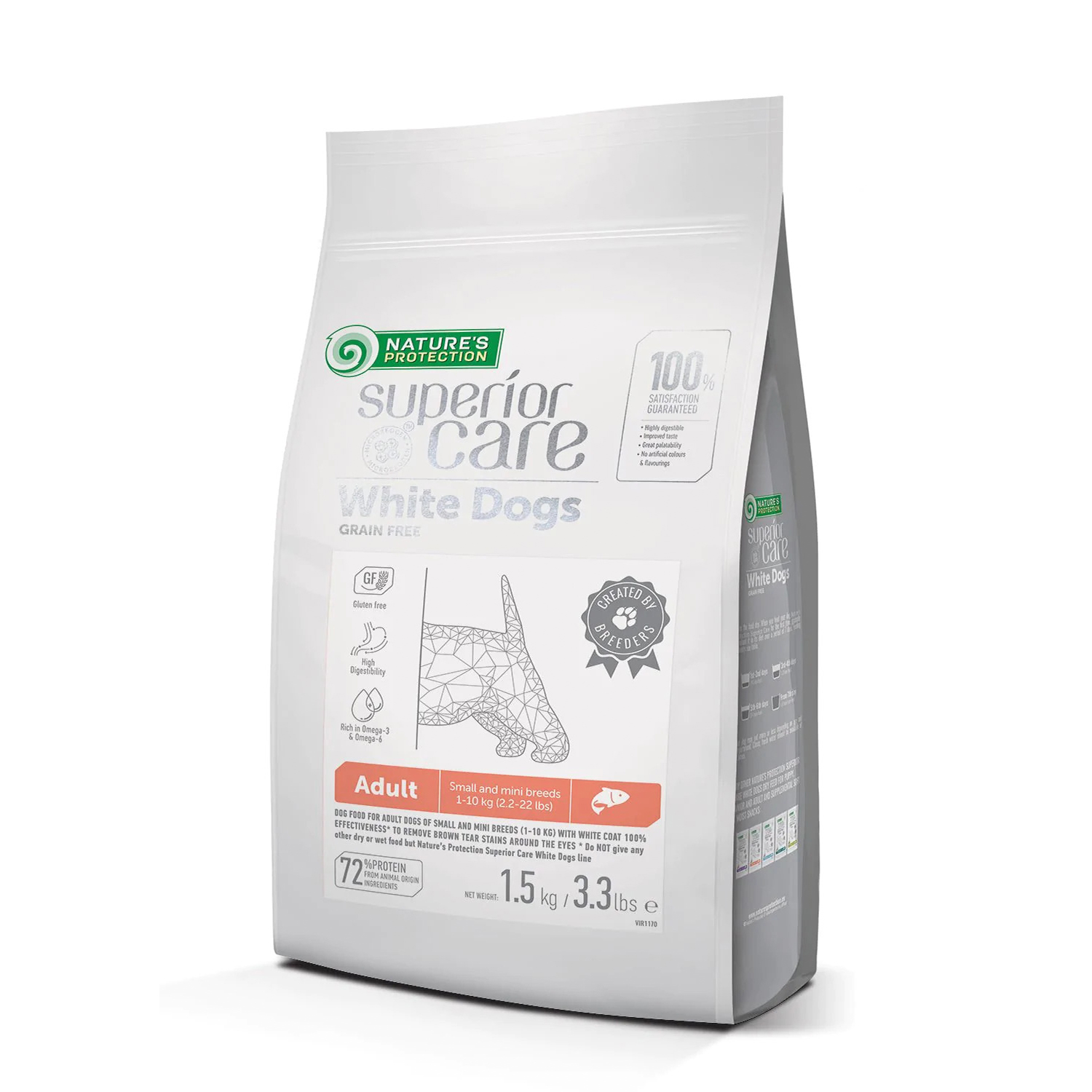
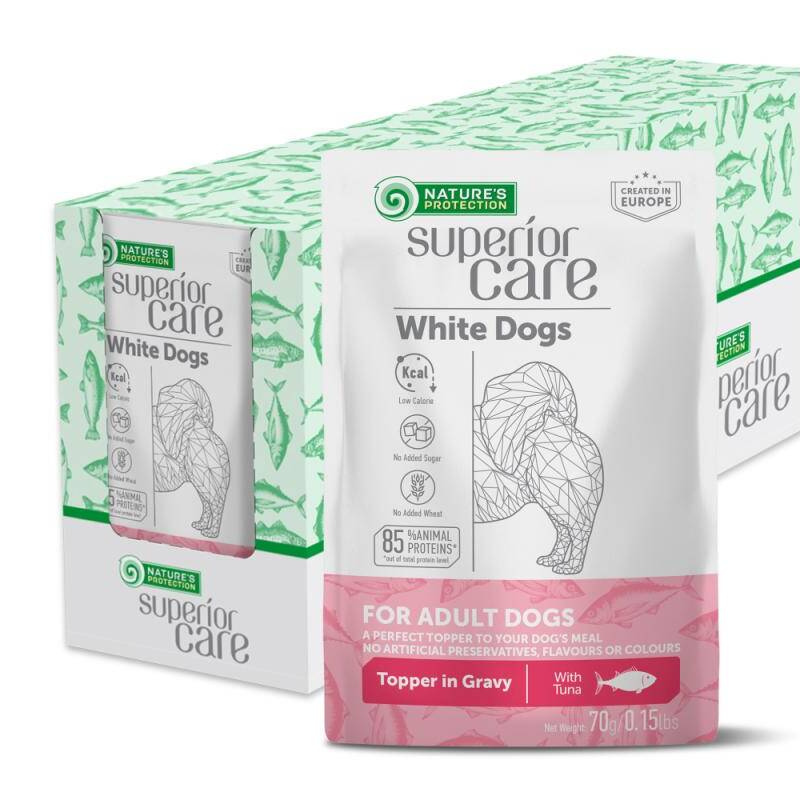
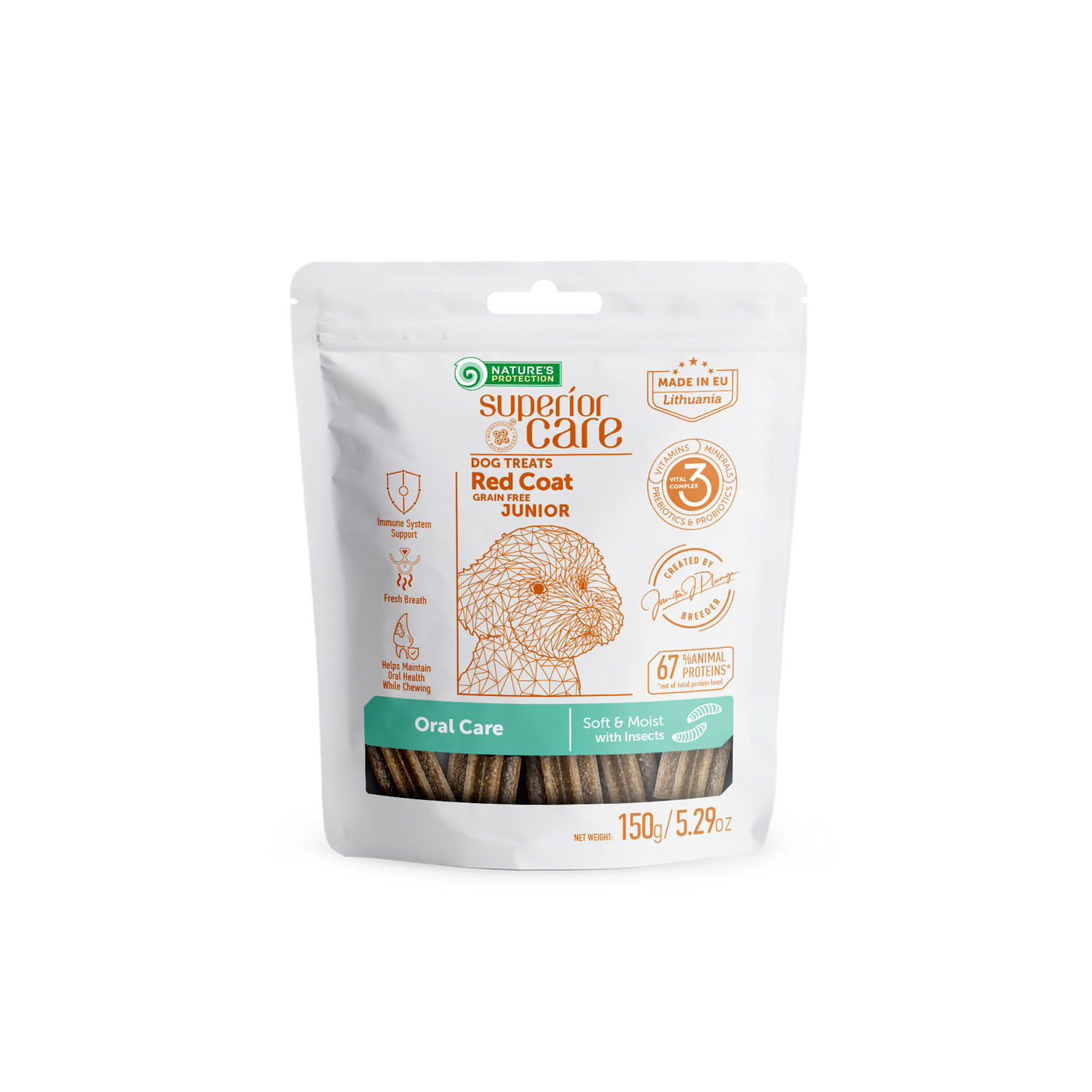
Before sharing an apple with your dog, remove the core and seeds, as these contain compounds that can be harmful. Slicing the apple into bite-sized pieces can also make it easier for your furry friend to enjoy. Consider pairing apple slices with Nature’s Protection treats for a balanced snack that supports your dog's overall health.
Potential Risks
While apples are generally safe, they do contain natural sugars. Moderation is crucial to prevent digestive upset or unwanted weight gain. Additionally, some dogs may have trouble digesting the fiber in apples, so introducing this fruit gradually is wise. Just like humans, dogs can have allergies or intolerances to certain foods.
While apples are not a common allergen, it's essential to monitor your dog for any adverse reactions after introducing them to apples. Signs of an allergic reaction may include itching, swelling, or digestive issues.
A Note of Caution
The seeds and core of apples contain cyanide, which is harmful to dogs if consumed in large quantities. While a few seeds are unlikely to cause significant harm, it's best to remove them before offering your dog an apple.
Additionally, the core can pose a choking hazard. If you have any concerns or if your dog has pre-existing health conditions, consult your veterinarian before adding apples to their diet.
Nutritional Value and Health Benefits of Apples for Dogs
Apples aren't just tasty; they also pack a nutritional punch that can benefit your dog's health and be a wholesome addition to your pup's diet:
Rich in Nutrients: Apples are a great source of essential nutrients such as vitamins A and C, providing a boost to your dog's immune system. They also contain dietary fiber, promoting digestive health.
Low in Calories: As a low-calorie snack, apples can be a healthy option for dogs watching their weight. The natural sugars in apples are a healthier alternative to many commercial dog treats.
Oral Health: The crunchiness of apples can help clean your dog's teeth, reducing plaque buildup. However, keep in mind that apples should not replace regular dental care, including brushing and professional cleanings.
Hydration Support: Apples have a high water content, contributing to your dog's overall hydration. This is particularly beneficial for dogs who might not drink enough water throughout the day.
Integrating apples into your dog's diet can provide both a flavorful experience and a nutritional boost. Just remember, moderation is key to maintaining a well-balanced diet for your furry friend.
FAQs About Dogs and Apples
Can dogs eat apple skin?
Yes, dogs can eat apple skin, but it should be thoroughly washed to remove any pesticides or contaminants. Some dogs might find the skin difficult to digest, so it's best to observe your dog's reaction and remove the skin if necessary.
How much apple can I give my dog?
The amount of apple you can give your dog depends on their size. A few slices for a small dog and up to half an apple for a larger dog is generally safe. Always introduce new foods gradually and monitor your dog's response.
Are apple-flavored products safe for dogs?
Not all apple-flavored products are safe for dogs, as they may contain added sugars, artificial flavors, or other ingredients that are harmful to dogs. It's best to stick to fresh apples and check the ingredients of any apple-flavored products before offering them to your dog.
How to Safely Feed Apples to Your Dog
Hand-Fed Pieces
Cut apples into small chunks and hand-feed them to your dog. Ensure all seeds and the core are removed and monitor your dog while eating.
Apples as a Frozen Treat for Your Dog
For a cool and satisfying treat on hot days, consider freezing apple slices. Your dog will enjoy the icy texture and the added benefit of staying hydrated while enjoying this tasty snack.
Puree and Freeze Apples
Puree apples and freeze them in ice cube trays for easy serving. This method can make the treat more manageable for small dogs.
Serving Sizes for Different Dog Sizes
Apple Portion Sizes for Small Dogs
For small breeds, start with a small piece of apple, roughly the size of a thumbnail or smaller. Monitor their response and digestion before offering more.
Apple Portion Sizes for Medium Dogs
Medium-sized breeds can enjoy slightly larger portions of apple. Aim for a few small cubes or slices and observe how your dog handles it.
Apple Portion Sizes for Large Dogs
For larger breeds, you can offer a more substantial portion of apple. Cut the fruit into several bite-sized pieces or slices.
Preparation Tips for Feeding Apples to Dogs
Remove Seeds and Core
Before serving apples to your dog, make sure to remove all the seeds and the core to avoid choking hazards.
Wash Thoroughly
Ensure that you wash the apple thoroughly to remove any dirt, pesticides, or potential contaminants.
Other Fruits That Dogs Can Eat
Blueberries
Packed with antioxidants, blueberries can contribute to your dog's overall well-being.
Carrots
Not only a crunchy treat, but carrots are also rich in beta-carotene, promoting good vision and immune health.
Sweet Potatoes
An excellent source of fiber and essential nutrients, sweet potatoes are frequently included in premium dog diets.
Spinach
This leafy green is a powerhouse of vitamins and minerals, supporting various aspects of your dog's health.
Pumpkin
Known for aiding digestion, pumpkin is often a key ingredient in dog food, especially formulations designed for sensitive stomachs.
Peas
Whether fresh or frozen, peas are a source of vitamins and can add a delightful burst of flavor to your dog's meal.
Conclusion
Adding variety to your dog's diet with dog-friendly fruits and vegetables can be a delightful and healthy experience for both you and your furry companion. While apples are a fantastic choice, the world of pet-friendly produce offers a spectrum of flavors and nutritional benefits. Remember, the key is moderation and observing your dog's response to new treats.
As you introduce these options, keep a keen eye on your dog's preferences and any signs of allergies or sensitivities. Every dog is unique, and what suits one might not suit another. If you have any concerns or questions about specific foods, don't hesitate to consult your veterinarian for personalized guidance. By incorporating Nature’s Protection products, you can ensure that your dog receives a balanced diet enriched with the goodness of fruits and vegetables, supporting their health and happiness for years to come.
Additional Considerations
While apples are generally safe for dogs, it's important to remember that every dog is different. Some dogs may have specific dietary needs or restrictions that require careful consideration. If your dog has any pre-existing health conditions, such as diabetes or kidney issues, consult your veterinarian before introducing apples or any new food into their diet.
Furthermore, it's crucial to maintain a balanced diet for your dog. While fruits and vegetables can provide valuable nutrients, they should not replace the primary components of your dog's diet, such as high-quality dog food. Nature’s Protection offers a range of products designed to meet your dog's nutritional needs, ensuring they receive a well-rounded diet.
Lastly, always supervise your dog when introducing new foods to their diet. Monitor their behavior and health, and be attentive to any changes that may indicate an adverse reaction. By taking these precautions, you can provide your dog with a safe and enjoyable dietary experience that enhances their overall well-being.
Janita J. Plungė is an experienced breeder, cynologist, groomer and pet product developer with more than 35 years of experience working with dogs. Her first dog, a silver poodle named Kika, inspired her lifelong interest in animal care and led her to begin working as a groomer at the age of 16. She later became president of a poodle club and, at the age of 23, the youngest international dog show judge in the world. As the founder of KIKA Group, she has grown the business to more than 130 retail stores in Baltic states, 3 factories and top 4 kennel in the world with over 2,000 champion titles, exports to over 60 countries around the world and over 700 wholesale business partners. Her mission is to help pets live healthier and happier lives through carefully developed nutrition, grooming and daily care solutions.
Skills:
Pet groomingDog showsVeterinary careDog breedingProduct DevelopmentPet nutrition




.jpeg)