Nutrition is the single most powerful tool you have to keep your pet healthy, active, and happy. Yet not all foods are created equal. Many mass-market diets focus on fillers and artificial additives instead of true nourishment, and the results often show up in your pet’s body and behavior.
If you are wondering whether your cat or dog is truly thriving on their current food, here are five clear signs that it may be time for an upgrade.
1) Skin and Coat Problems (Including Tear Stains for White Pets)
What to watch for:
Dull, brittle, or greasy coat
Excessive shedding or poor regrowth
Flaky, itchy, or red skin
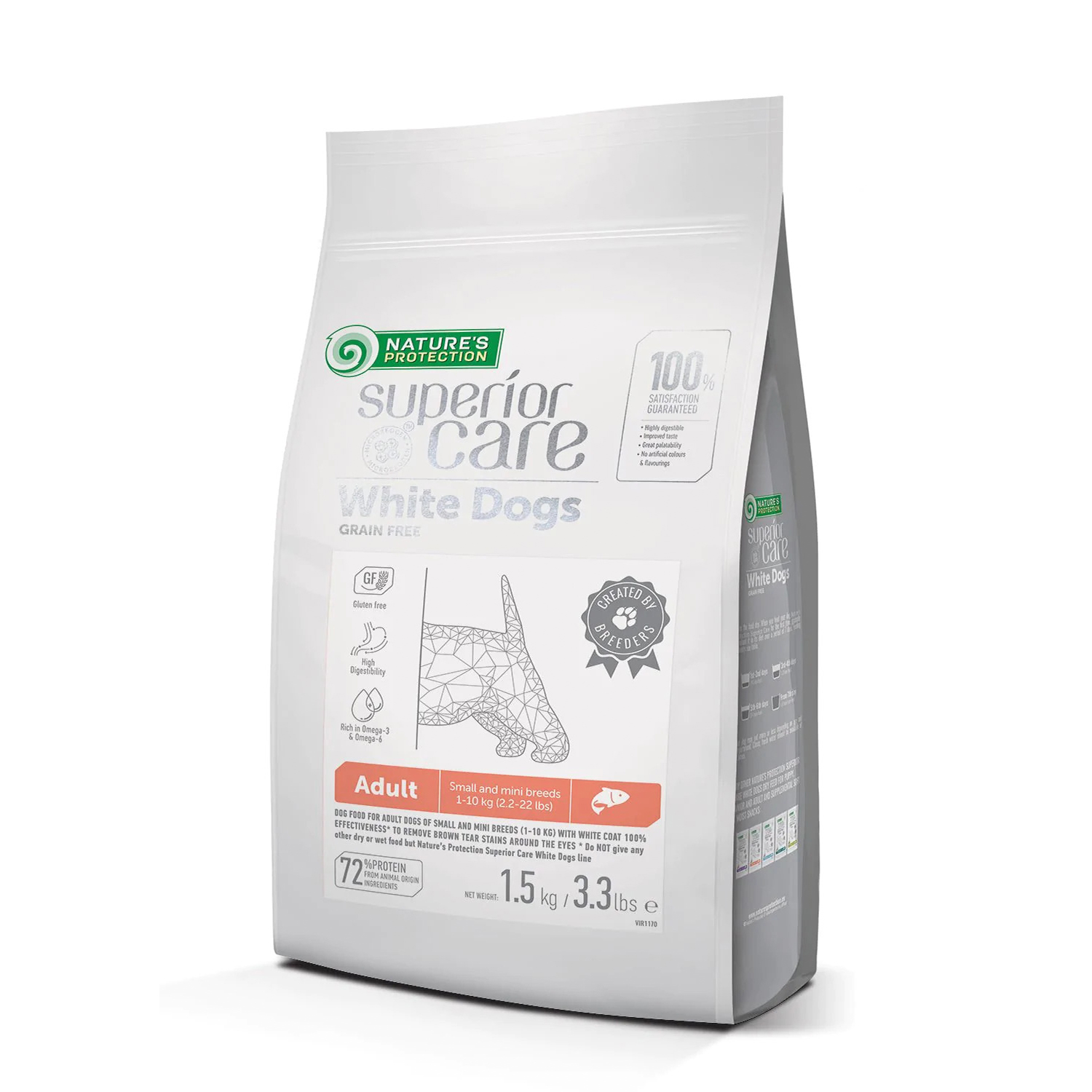
Tear stains or discoloration around eyes and mouth, especially in white-coated pets
Why diet matters: Skin and coat health depends heavily on nutrition. Without adequate animal protein, your pet cannot build strong, resilient hair. A lack of essential fatty acids (omega-3 and omega-6) leaves skin dry and inflamed. And when diets are filled with artificial colors, poor-quality fats, or hard-to-digest proteins, problems only multiply.
2) Frequent Digestive Upset
What to watch for:
Loose or inconsistent stools
Constipation
Excess gas or bloating
Vomiting after meals
Why diet matters: The digestive system is sensitive to ingredient quality. Foods with heavy fillers, gluten, or artificial additives put strain on the gut. Some pets are also intolerant to specific proteins or grains. If food is poorly digestible, your pet cannot fully absorb nutrients, and the result shows up in the litter box or backyard.
3) Low Energy or Lack of Vitality
What to watch for:
Sleeping more than usual
Reluctance to play or walk
Slower recovery after activity
Cats showing less curiosity or grooming
Why diet matters: Your pet’s energy comes directly from the nutrients in their food. Low-quality formulas may deliver calories without meaningful nutrition. Without sufficient bioavailable vitamins, minerals, and amino acids, the body struggles to perform daily functions. Over time, poor diet can also weaken the immune system and shorten life expectancy.
4) Unexplained Weight Gain or Loss
What to watch for:
Noticeable weight gain despite controlled portions
Struggling to keep weight on
Lack of muscle tone or “padded” appearance
Constant begging or seeming hungry soon after eating
Why diet matters: Unbalanced formulas may provide too many empty calories or not enough protein to maintain lean mass. Pets who eat filler-heavy diets often overeat because their nutritional needs are not satisfied, while others may lose weight if protein quality is too low.
5) Bad Breath and Oral Concerns
What to watch for:
Consistently bad breath, not just after eating
Yellow or brown tartar buildup
Red or inflamed gums
Reluctance to chew or difficulty eating
Why diet matters: Oral health connects directly to nutrition. Sugary fillers and low-quality ingredients encourage plaque and bacterial growth, which in turn cause bad breath and gum disease. Over time, poor oral health can even affect the heart and kidneys.
When to Call the Vet
While diet can address many issues, there are times when professional care is essential. Contact your veterinarian if you notice:
Sudden or extreme weight changes
Persistent vomiting or diarrhea
Open sores, severe itching, or skin infections
Refusal to eat for more than 24 hours
Sudden lethargy or weakness
A vet can help rule out medical issues before you make dietary changes.
How to Upgrade With Confidence
Switching foods is one of the simplest and most powerful steps you can take for your pet’s health. To avoid stomach upset, transition gradually over 7 days:
During the transition, watch stool consistency and adjust more slowly if needed.
Why Choose Us?
We carefully select products that meet the highest standards of quality, digestibility, and effectiveness. At KIKA USA you will find:
Kamilė Ausmanė is a veterinarian, Head of Pharmacy at the KIKA retail network, instructor and head of Tauro Grooming Academy, and President of the Pet Grooming Specialists’ Board of the Lithuanian Kennel Club. She earned her veterinary degree from the Lithuanian University of Health Sciences in 2014, but has been actively involved in dog grooming and dog shows for 17 years. The knowledge she has gained over the years allows her to take a broader approach to pet care, considering not only the appearance of the coat but also the importance of skin health, hygiene, and the animal’s overall well-being. She specializes in grooming Bichon Frises, Maltese dogs and Pomeranians, teaches both aspiring and practicing professionals, and conducts seminars in Lithuania and abroad. Kamilė also participates in dog grooming competitions, while the dogs she has groomed have won numerous World and European Championship titles.
Master's Degree (MSc) in Veterinary Medicine
— Lithuanian University of Health Sciences
Skills:
Veterinary medicinePreventive pet healthcareDog groomingPet skin and coat healthPet hygienePet showsBichon Frise groomingMaltese dog groomingPomeranian grooming



.jpeg)