How to Choose the Best Dog Food for Sensitive Stomachs, Skin Allergies and Food Sensitivities
8 Jun 2026
Choosing food for a sensitive dog is not always simple. Some dogs have trouble digesting food. Others may get itchy skin, ear irritation, or coat issues after eating certain things. Sometimes, the problem is a real food allergy. Other times, it’s food sensitivity or ingredient intolerance. Finding the right diet for your dog can be tricky. Focus on your dog's overall health. Many symptoms overlap, so don't look at one ingredient.
The good news – picking the right food is key for dogs with sensitive digestion, skin problems, or food discomfort. The key is to know what type of sensitivity your dog has. Then, choose a formula that fits those needs.
Sensitive Stomach, Food Allergy, or Food Sensitivity? Here’s How They Differ
Many pet owners use these terms interchangeably, but they do not mean exactly the same thing. Knowing the difference helps you pick the right food. It also shows when you might need to consult a vet.
What Does Sensitive Stomach Mean in Dogs?
A sensitive stomach often means your pet has ongoing digestive problems. These can include loose stools, vomiting, gas, bloating, or discomfort after eating. Some dogs can react badly to sudden food changes. Rich treats or hard-to-digest ingredients might upset their stomachs. Fat levels, feeding habits, and health conditions can also lead to digestive issues.
Dogs with sensitive stomachs usually thrive on specialized dog food. This food contains easy-to-digest proteins, balanced fiber, and moderate fat. Picking the right dog food for digestive issues can boost digestion and improve stool quality over time.
Food allergies happen when the immune system reacts to specific ingredients. This often involves certain animal proteins or other dietary components. Symptoms may include itching, inflamed skin, ear issues, excessive licking, or stomach discomfort. Persistent symptoms can be linked to environmental allergies or other issues. So, it’s important to talk to a veterinarian about them.
Dogs suspected of having food allergies often eat specialized dog food. This food has carefully chosen or limited ingredients. Veterinarians may suggest a hypoallergenic diet trial to find triggering ingredients.
Understanding Food Sensitivities and Intolerances in Dogs
Food sensitivities are different from true allergies because they do not involve the immune system in the same way. Some foods can cause digestive issues, bad stools, skin irritation, or sensitivity. Some dogs may tolerate small amounts of an ingredient, while others react more noticeably.
Dogs with food sensitivities often do better with dog food that has limited, carefully chosen ingredients. This type of food also avoids unnecessary additives. Finding the right formula may take time, especially for dogs showing both skin and digestive symptoms.
Signs Your Dog May Need a Sensitive Stomach Formula
Dogs with sensitive digestion might have symptoms like:
·Loose stool
·Frequent gas
·Vomiting after meals
·Inconsistent stool quality
·Poor appetite
·Discomfort after eating
Some dogs also experience digestive upset after switching foods too quickly. Occasional stomach upset is normal, but if symptoms last, see a veterinarian.
When picking dog food for sensitive stomachs, choose easy-to-digest protein. Look for balanced fiber and moderate fat levels. Sensitive stomach food for dogs usually has ingredients that help with digestion. This includes prebiotics and specially chosen carbohydrates. Avoiding unnecessary artificial additives may also help reduce digestive stress for some dogs.
How to Tell if Your Dog Needs Food for Sensitive Skin
Sensitive skin in dogs can show up as:
·Itching
·Redness
·Excessive scratching
·Dull quality coat
·Recurring ear irritation
·Frequent licking of paws and skin
Some dogs may also develop flaky skin or increased shedding. These symptoms can come from different causes, like environmental triggers. So, if they persist, talk to a veterinarian.
Sensitive skin dog food has special nutrients to support skin health. These include omega-3 and omega-6 fatty acids, zinc, and quality protein sources. They help improve skin and coat condition. Dry dog food for sensitive skin often uses special ingredients. These help lower the chance of dietary irritation.
Some dogs experience both digestive discomfort and skin-related symptoms at the same time. Nutrition should support digestive health and help keep skin and coat healthy. This is often where dog food for sensitive skin and stomach becomes especially important.
Formulas for both issues usually contain easy-to-digest proteins, balanced fats, and mild ingredients for sensitive dogs. Skin-support nutrients, like omega fatty acids, help maintain coat quality. Ingredients that support digestion promote more stable digestive health. For dogs with ongoing problems, the best food for allergies and sensitive stomachs varies. It depends on the dog's symptoms, age, breed size, and health.
Choosing the Right Sensitive Dog Food for Different Dogs
The best dog food for dogs with sensitive stomachs depends on the dog’s age, size, activity level and specific symptoms. Puppies with sensitive tummies do better with gentle, easy-to-digest formulas. These help them grow healthy without stressing their digestion. Small dog food for sensitive stomachs often has smaller kibble sizes. It also features concentrated nutrition made for smaller breeds.
For older dogs, the best food for seniors with sensitive stomachs should include:
·Moderate fat
·Easy-to-digest protein
·Nutrients that enhance overall health
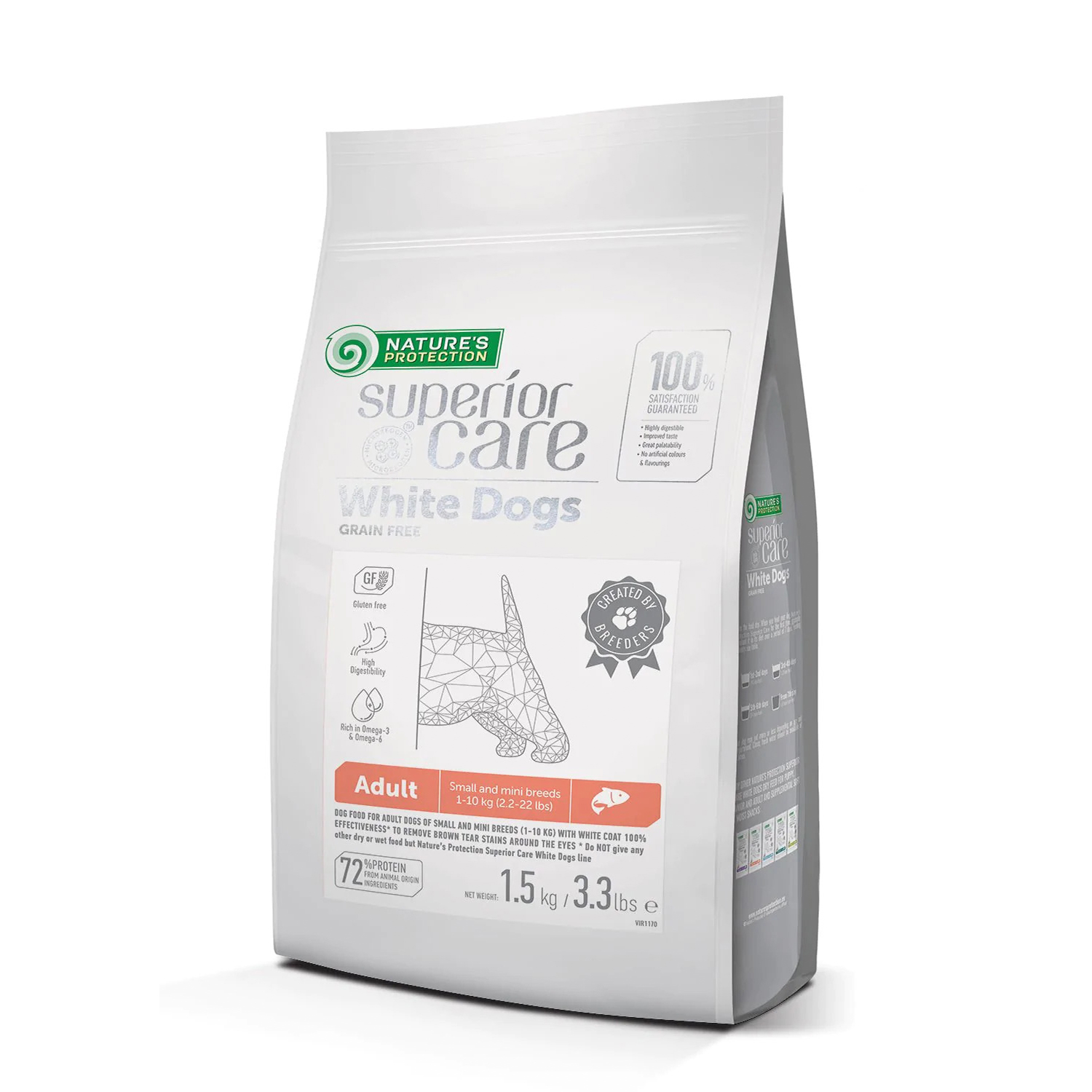
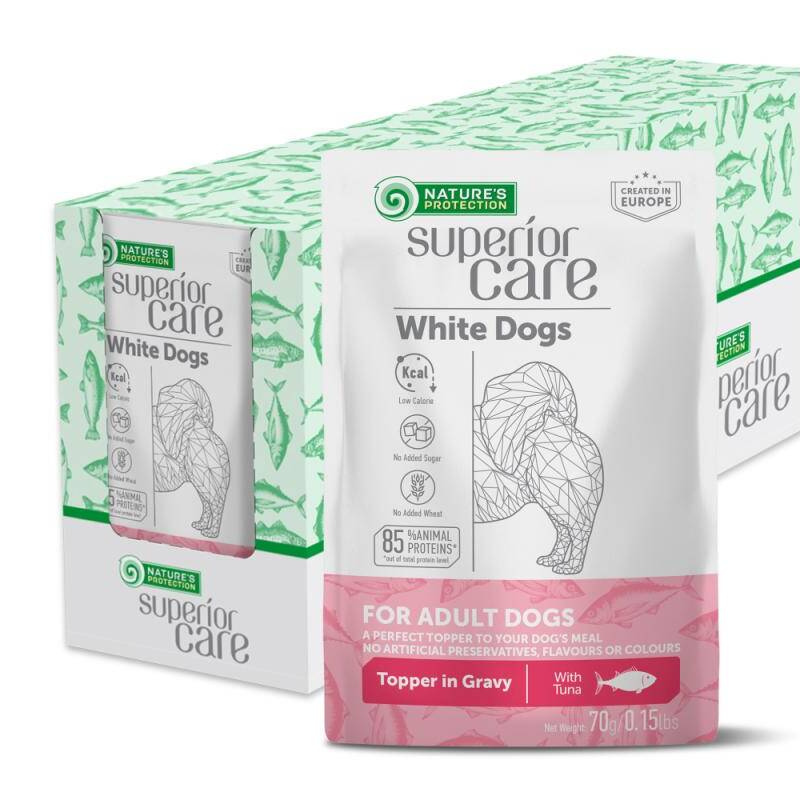
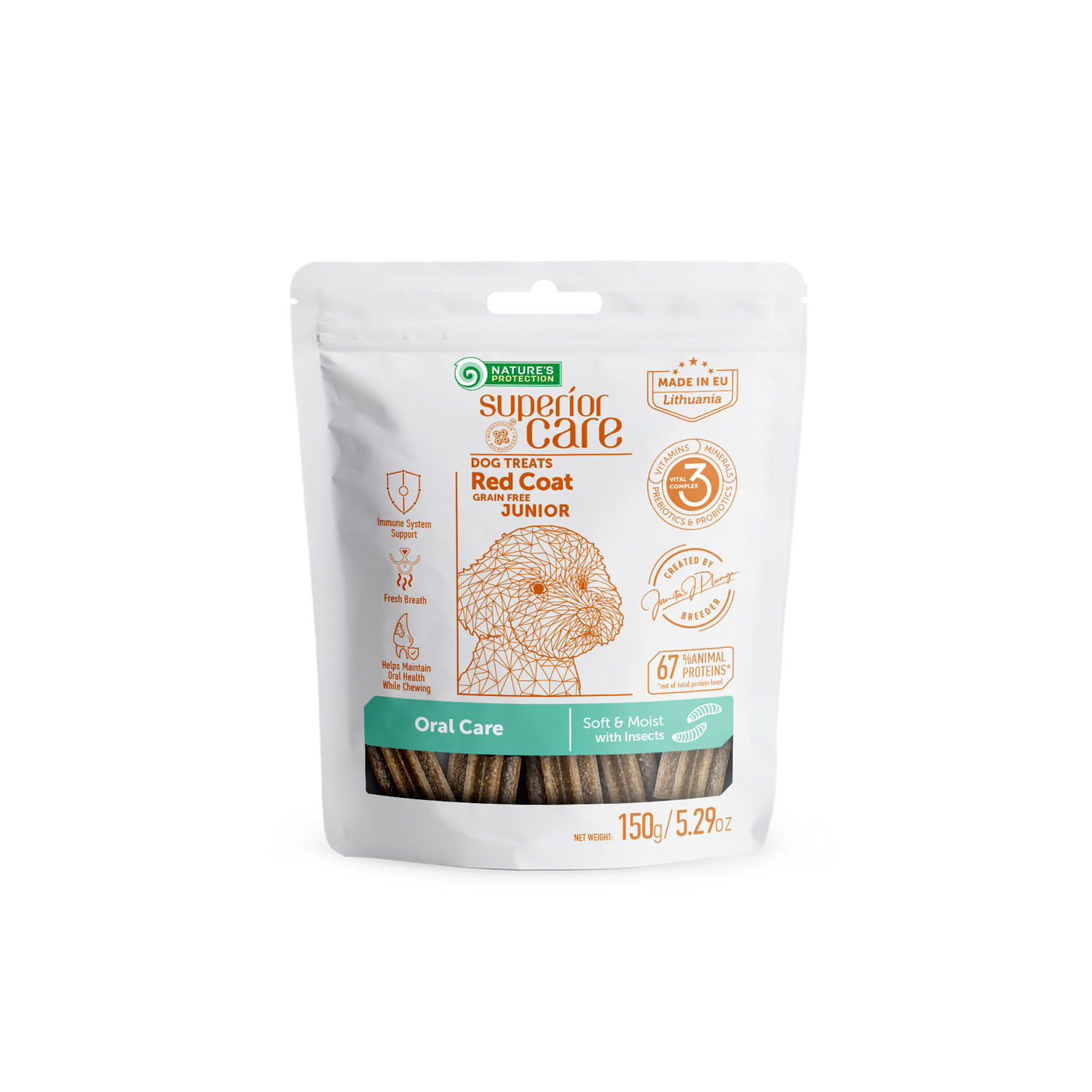
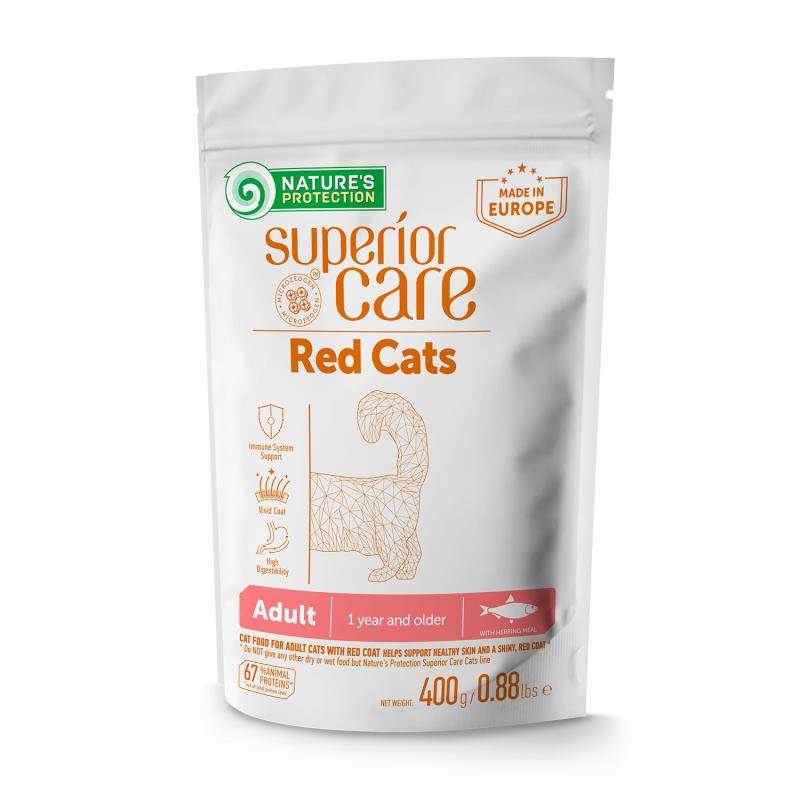
Dogs with digestive and skin issues can benefit from formulas that mix skin-support nutrients with special ingredients. White-coated or red-coated dogs may need special formulas based on their coat type and ingredient sensitivities.
Instead of looking for one “best” option, find a formula that suits your dog's needs. If you want more specific recommendations by dog type and condition, check our guides on sensitive stomachs, skin support, and food sensitivities.
How to Transition Your Dog to a Sensitive Stomach Diet
Even high-quality dog food can cause temporary digestive upset if introduced too quickly. When switching to a new sensitive stomach dog food, it is usually best to transition gradually over 7–10 days. Start by mixing a small amount of the new food with your dog’s current food, then slowly increase the proportion over several days.
A gradual transition gives the digestive system time to adapt and may help reduce issues such as loose stool, gas, or vomiting during the switch. Watch your dog's appetite, stool quality, and comfort during the transition. This will help you see how well they tolerate the new formula.
Final Thoughts on Choosing Food for Sensitive Dogs
Choosing the right food for a sensitive dog begins with figuring out the main issue. Is it digestion, skin health, food sensitivities, or a mix of these? No single formula fits all dogs, but good nutrition can boost digestion, improve skin health, and enhance overall well-being.
When comparing foods, look for:
·clearly named protein sources
·highly digestible ingredients
·formulas appropriate for your dog’s age and size
·skin and coat support nutrients
·limited unnecessary artificial additives
·gradual feeding transition guidance
·formulas designed for your dog’s primary symptoms
The best approach is always one that matches your dog’s individual needs while supporting long-term health and comfort.
FAQ
Can the same dog food help with sensitive skin and stomach?
Yes, some formulas are designed to support both digestion and skin health at the same time. These diets mix easy-to-digest ingredients with omega fatty acids and chosen protein sources.
Is hypoallergenic dog food good for dogs with food allergies?
Hypoallergenic dog food can help dogs with suspected food allergies. It's best to use it as part of a diet trial guided by a vet. The right formula depends on the dog’s specific sensitivities.
Is dry dog food suitable for dogs with sensitive skin and stomach?
Yes, dry dog food can work well if it has quality ingredients that are easy to digest and nutrients for skin support. The ingredient quality and formulation are usually more important than whether the food is wet or dry.
What food is good for small dogs with sensitive stomachs?
Small dogs thrive on formulas that have easy-to-digest protein, balanced fat, and kibble sizes made for them. The best food depends on the dog’s age, activity level, and symptoms.
What should puppies with sensitive stomachs eat?
Puppies with sensitive stomachs need gentle, digestible formulas. These help them grow healthy and support easy digestion. Sudden food changes should also be avoided.
What is the best food for a senior dog with a sensitive stomach?
Senior dogs with sensitive stomachs may do well with formulas that have moderate fat levels. Include easy-to-digest proteins and nutrients; they support healthy aging and boost digestive comfort.
Kamilė Ausmanė is a veterinarian, Head of Pharmacy at the KIKA retail network, instructor and head of Tauro Grooming Academy, and President of the Pet Grooming Specialists’ Board of the Lithuanian Kennel Club. She earned her veterinary degree from the Lithuanian University of Health Sciences in 2014, but has been actively involved in dog grooming and dog shows for 17 years. The knowledge she has gained over the years allows her to take a broader approach to pet care, considering not only the appearance of the coat but also the importance of skin health, hygiene, and the animal’s overall well-being. She specializes in grooming Bichon Frises, Maltese dogs and Pomeranians, teaches both aspiring and practicing professionals, and conducts seminars in Lithuania and abroad. Kamilė also participates in dog grooming competitions, while the dogs she has groomed have won numerous World and European Championship titles.
Master's Degree (MSc) in Veterinary Medicine
— Lithuanian University of Health Sciences
Skills:
Veterinary medicinePreventive pet healthcareDog groomingPet skin and coat healthPet hygienePet showsBichon Frise groomingMaltese dog groomingPomeranian grooming





.jpeg)